Selling a House With Unpermitted Work: What Buyers and Sellers Should Know

Table of Contents
- Selling a House With Unpermitted Work: What Buyers and Sellers Should Know
- What Counts as Unpermitted Work
- Why Some People Avoid Permits
- They Don’t Realize They Need a Permit
- Saving Time
- Financial Concerns
- Contracting Scams
- They Don’t Think Anything Will Happen
- Why Unpermitted Work Becomes a Problem When You Sell
- What Happens if an Inspector Finds Unpermitted Work
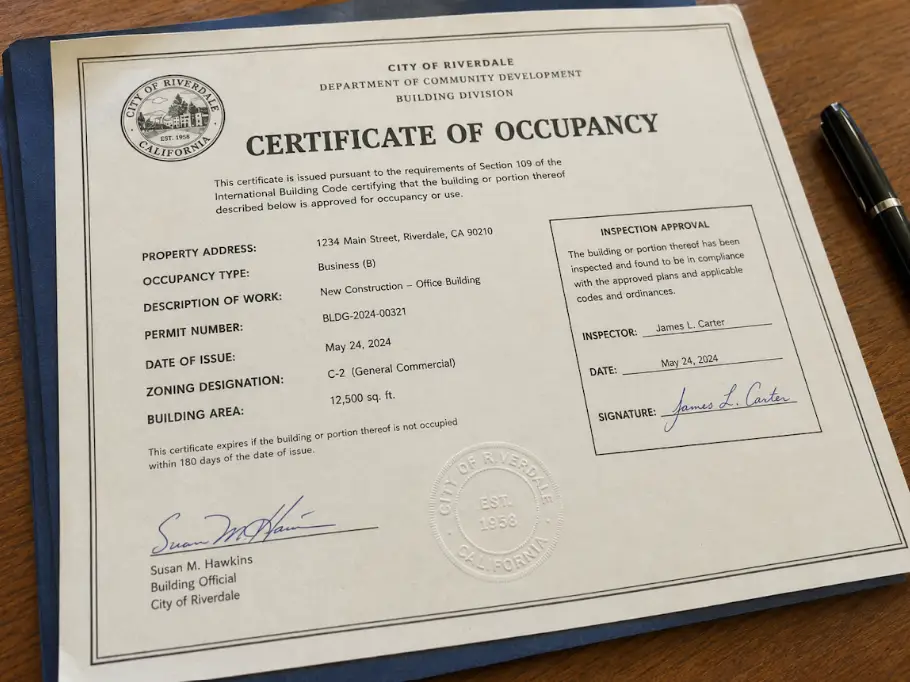
- How to Check if Work Was Permitted
- How to Price a House With Unpermitted Work
- FAQs
- Do I have to remove unpermitted work before selling?
- Will unpermitted square footage count in an appraisal?
- Can a buyer get a mortgage on a home with unpermitted work?
- What if the unpermitted work was done by a previous owner?
- Can the city require fixes after a sale?
- What documents help reassure buyers when permits are missing?
- Can you sell a house with unpermitted work
There are many things to think about before listing a property. This is a time when your home’s condition and history are revealed through inspections, appraisals, and walkthroughs. Just one past mistake can derail a potential sale, and one of the most common issues is unpermitted work.
A wrap-around deck or garage conversion adds value to your living experience. However, the situation may change when it comes time to sell. Buyers may question the safety of your renovations or use the knowledge to negotiate a lower price.
What Counts as Unpermitted Work
Not all repairs or changes to a property require city approval. Each area has different rules about what must be cleared. In most cases, any work that would alter the property’s flooring plan or critical systems (HVAC, electric, etc.) requires a permit.
Homeowners who perform these renovations without city approval are doing unpermitted work. Common examples of unpermitted work include adding a bedroom, removing a wall, or building large outdoor structures.
Most cosmetic updates, like painting walls, replacing flooring, or installing cabinets, do not typically require a permit. However, some cosmetic changes will require a permit to perform because they interfere with internal systems, such as rerouting plumbing during a kitchen remodel.
Why Some People Avoid Permits
Most people don’t skip permits because they know it’s reckless. The rationale is usually a mix of convenience, cost, misunderstanding, or even contracting scams. Here are the most common reasons for doing work without a permit.
They Don’t Realize They Need a Permit
Many homeowners assume that permits are only required for major renovations. They believe that tasks like transforming a basement into a living space are their right as homeowners and don’t require permission from the city.
Additionally, many unpermitted projects start small and slowly get out of hand. Fixing a garage door might turn into expanding the space to fit another car. As the scope grows, the task may require a permit.
Saving Time
Applying for a permit can slow down a home project. Homeowners want things to move quickly so they can enjoy their refinished garage or updated kitchen. At times, obtaining a permit can take months, depending on the project’s scope.
Financial Concerns
Permits can cost up to a few thousand dollars to obtain. The city may even require you to make additional changes to your home before approving your project. For example, it may be necessary to update your home electrical system before tearing down a wall.
If the permit requires a home inspection, the process can uncover unrelated issues. The inspector may fine homeowners for old wiring, damaged pipes, or other past renovations performed without a permit.
Contracting Scams
Homeowners trust their contractor to be professional and handle all the paperwork. However, unlicensed contractors may skip permits and still charge their clients the fee. The homeowner does not find out until much later, often during a sale.
They Don’t Think Anything Will Happen
An inspector isn’t going to randomly break into a house and search for unpermitted work. Aside from a nosy neighbor, unpermitted work only comes up when selling the property. So, homeowners often ignore getting a permit because they simply do not see the point.
Many current owners unknowingly purchase or inherit homes with unpermitted work. After discovering it, they may not want to take responsibility for the previous owner’s mistake.
Why Unpermitted Work Becomes a Problem When You Sell
Unpermitted work can raise red flags when detected. Banks often require a home inspection before financing a mortgage. These lenders will reject an application if the inspector reports that the house has a different layout or square footage than what’s in official records.
As for buyers, they don’t want to find these types of problems in their new home. They want a smooth title transfer process, rather than a property that requires extra work after closing. Lacking permits may also lead them to believe the house is unsafe and deter the sale.
Buyers also “inherit” the problem when they purchase a house with unpermitted work. The lack of permits is not the responsibility of the previous owner who performed the renovations. As the new owner, they must disclose the missing permits, which will make any future sales more challenging.
What Happens if an Inspector Finds Unpermitted Work
Unpermitted work is often uncovered during closing inspections ordered by the buyer or their lender. Depending on the type of unpermitted work, the city may impose fines or require the homeowner to bring the violation into compliance.
In most cases, buyers will require the seller to handle the missing permits before closing. This creates costs, such as inspection fees, permit applications, and potential contracting professionals.
Dealing with these issues also creates delays, and the buyer may not be willing to wait. If they do wait, then buyers can use the discovery to ask for concessions for the trouble. They may require the seller to pay for other costs, such as title insurance, or lower the asking price.
How to Check if Work Was Permitted
Sellers and buyers can eliminate unwanted surprises by checking a property’s permit history. The first step is to compare the home’s specifications to public records.
For example, a property listing may say 5 bedrooms and 3 bathrooms, while the property records only say 3 bedrooms. This discrepancy means that the city did not permit the additional bedrooms, or there was an error in filing the paperwork. In either case, action is required from the seller.
Anyone can request an address’s records through their county’s land recordings or permits office. Many jurisdictions also offer online search engines. Users can find permits by searching by addresses, permit numbers, contractors, homeowners, or date ranges.
How to Price a House With Unpermitted Work

Pricing a home with unpermitted work can be confusing. Sellers don’t want to ignore the value that their renovations create, but many buyers view them as a potential source of risk or future costs.
Unpermitted renovations that affect the home’s structure, square footage, or safety should be reflected in the asking price. In some cases, an appraiser may not count unpermitted square footage or amenities in their estimation.
Lenders provide mortgages based on an appraiser’s report. So, if the appraiser does not value the unpermitted work, then the buyer cannot obtain enough money to buy the house at your asking price. This means that sellers must match the appraisal or deal with the permit issue.
However, if the unpermitted work is cosmetic or low-risk, the price impact may be negligible. Inspectors may not notice, and buyers may be willing to ignore these issues to move the transaction forward.
Sellers can request contractor estimates to learn how much it would cost to bring the work up to code and obtain permits. These estimates represent the additional cost to the buyer and what they would likely use to negotiate a price decrease.
Unpermitted work does not make a house unsellable, but it can turn a traditional selling point into a downside. An unpermitted additional bedroom isn’t counted toward appraisals, and a buyer might be afraid to use the home.
Transparency and preparation go a long way for sellers. The best option is to retroactively obtain permits for the work before going to market. If that is not possible, then making acceptable concessions to buyers will likely be necessary.
FAQs
Do I have to remove unpermitted work before selling?
In most cases, no. Sellers are required to disclose unpermitted work that they know about. Removal is typically reserved for work that significantly impacts the home’s safety.
Will unpermitted square footage count in an appraisal?
Most appraisers will not count unpermitted square footage into their evaluation. This is because lenders do not want to finance these homes.
Can a buyer get a mortgage on a home with unpermitted work?
Yes, buyers can get mortgages on homes with unpermitted work, but it depends on the lender’s risk tolerance.
What if the unpermitted work was done by a previous owner?
Responsibility for unpermitted work transfers with ownership. This is why buyers must carefully check permits before closing on a real estate transaction.
Can the city require fixes after a sale?
Yes. The city can cite a code violation and require the homeowner to bring the building back into compliance. Penalties are often under the discretion of the inspector who catches the violation.
What documents help reassure buyers when permits are missing?
Documents that demonstrate the safety and professionalism that went into a renovation can reassure buyers that the home is not devalued or dangerous.
Can you sell a house with unpermitted work
Homeowners can sell a house with unpermitted work, but are required to disclose these details with buyers before closing.

Elena Novak leads real estate research and analysis at PropertyChecker.com, where she digs into housing trends, tracks property data, and unpacks investment strategies across the U.S. With a background in flipping homes and a degree in Business and Real Estate Development, she brings a practical, hands-on approach to market analysis. Elena is especially skilled at uncovering hidden property value and guiding both homeowners and investors through shifting market conditions. She's also passionate about sustainable design and smart home innovation. When she's not analyzing the market, she's probably knee-deep in a DIY project, scouting vintage décor, or building something new in her workshop.
Search Property & Deed Records
Table of Contents
- Selling a House With Unpermitted Work: What Buyers and Sellers Should Know
- What Counts as Unpermitted Work
- Why Some People Avoid Permits
- They Don’t Realize They Need a Permit
- Saving Time
- Financial Concerns
- Contracting Scams
- They Don’t Think Anything Will Happen
- Why Unpermitted Work Becomes a Problem When You Sell
- What Happens if an Inspector Finds Unpermitted Work
- How to Check if Work Was Permitted
- How to Price a House With Unpermitted Work
- FAQs
- Do I have to remove unpermitted work before selling?
- Will unpermitted square footage count in an appraisal?
- Can a buyer get a mortgage on a home with unpermitted work?
- What if the unpermitted work was done by a previous owner?
- Can the city require fixes after a sale?
- What documents help reassure buyers when permits are missing?
- Can you sell a house with unpermitted work