Old House Styles, Prices and What to Check First
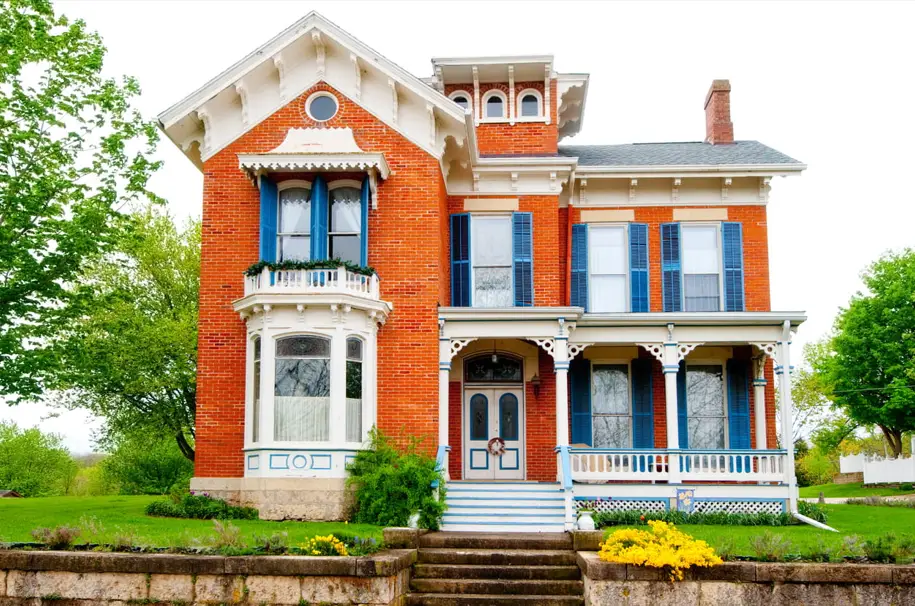
Table of Contents
- Old House Styles, Prices and What to Check First
- Popular Old House Styles to Know
- Victorian (Queen Anne, Italianate)
- Craftsman
- Colonial and Colonial Revival
- Tudor Revival
- Farmhouse
- Mid-Century Modern
- Where to Find Cheap Old Houses and Historic Homes for Sale
- Small-Town Victorian
- Rust Belt Brick Home
- Rural Farmhouse
- Historic District Cottage
- Craftsman Fixer-Upper
- Mid-Century Modern Home
- What to Check Before You Buy an Old House
- Old Houses Are Still One of the Best Real Estate Opportunities in America
- FAQs
- What's the difference between an old house and a historic home?
- Are old houses more expensive to maintain?
- What are the biggest red flags when buying an old house?
- Can you renovate a home in a historic district?
- What styles are most common among historic homes in America?
Old houses are not difficult to define, but most buyers use the term loosely to mean any home with age, character, and original details you would not find in a new build. In practice, that tends to mean anything built before the 1960s, though many buyers set a higher bar and are specifically looking for pre-war construction, Victorian-era craftsmanship, or early twentieth-century character homes.
What draws people to old houses is remarkably consistent. It is the woodwork, the plaster moldings, the built-in bookshelves, the wide-plank floors, the transoms, the pocket doors, and the proportions of rooms that were designed by hand rather than optimized for cost-per-square-foot.
Historic homes are a more specific category. A home can be considered historic at the local, state, or federal level, and the definition and protections that come with that designation vary considerably depending on where the property is. A home on the National Register of Historic Places carries different obligations than one in a locally designated historic district, and a property in a state-protected corridor may have its own set of rules on top of those.
Not all old houses are historic, and not all historic homes are obviously old. What they share is recognized significance, whether architectural, cultural, or historical, that a governing body has decided is worth preserving.
Popular Old House Styles to Know
Knowing a few key styles helps buyers spot what they are looking at and understand what they are getting into before a showing.
Victorian (Queen Anne, Italianate)
Built roughly from 1860 to 1900. Look for ornate exterior trim, wraparound porches, turrets, bay windows, asymmetrical facades, and steeply pitched roofs. Queen Anne houses tend toward the most elaborate detailing; Italianate versions are a little more restrained with bracketed cornices and tall, narrow windows. Both styles usually have high ceilings, original hardwood floors, and decorative millwork throughout the interior.
Craftsman
The Craftsman style flourished from roughly 1905 to 1930 and remains one of the most sought-after old house styles in the country. Broad front porches with tapered columns, low-pitched gabled roofs with wide overhanging eaves, and exposed rafter tails are the exterior giveaways. Inside, expect built-in bookshelves and window seats, wood-beam ceilings, picture rails, brick fireplaces, and original hardware. Common across the Midwest, Pacific Northwest, and California.
Colonial and Colonial Revival
Built from the 1600s onward, with revival versions most common from 1880 to 1950. Symmetrical facades, central entry doors with decorative surrounds, double-hung windows arranged in even rows, and shutters are the visual signatures. Original Colonials in New England can be among the oldest homes in the country. Colonial Revival versions are more widely distributed and more often available on the market.
Tudor Revival
Most common from 1900 to 1940. Half-timbering on the upper exterior, steeply pitched roofs with multiple gables, arched doorways, and casement windows with diamond-paned glass. Tudor Revival homes tend to be solidly built with brick or stucco lower floors and feel distinctly English in character. They appear frequently in established suburban neighborhoods across the Northeast and Midwest.
Farmhouse
Built throughout the 1800s and early 1900s in rural and small-town America. Traditional farmhouses are practical and unpretentious, typically wood-framed with simple gabled roofs, front or wraparound porches, and functional floor plans built around the needs of working farm families. Wide plank floors, large kitchens, and root cellars are common.
Authentic farmhouses are found across the rural Midwest, South, and Northeast, and are frequently among the most affordable old houses for sale in their markets.
Mid-Century Modern
Mid-Century Modern styles were built roughly from 1945 to 1969. Not always described as historic, but increasingly recognized as architecturally significant and sought-after. Flat or low-pitched roofs, floor-to-ceiling glass, open plans, and strong indoor-outdoor connections define the style. Well-preserved examples in Palm Springs, the Bay Area, and certain Midwest markets are among the most actively traded old houses in the country.
Where to Find Cheap Old Houses and Historic Homes for Sale
Old houses for sale are everywhere once you know where to look. The best sources go beyond a standard MLS search.
The following covers six common property types, each with a typical build era, what to look for, and realistic price ranges by market, giving you a starting point whether you're browsing casually or ready to make an offer.
Small-Town Victorian
- Build era: 1870 to 1900
- What to look for: Ornate porch trim, original stained glass, tall ceilings, parlor fireplaces
- Price range: $40,000 to $200,000 in lower-cost Midwestern and Southern small towns; considerably more in larger markets
Victorian homes in small towns across Ohio, Indiana, Iowa, and Missouri frequently come to market at prices that seem remarkable for the square footage and detail involved. Search Zillow or Realtor.com filtered by year built (before 1900) and city population, or browse the Old House Dreams marketplace, which specifically aggregates older homes across the country.
Rust Belt Brick Home
- Build era: 1900 to 1940
- What to look for: Solid brick construction, original hardwood floors, built-in buffets, transom windows
- Price range: $30,000 to $150,000 in cities like Detroit, Cleveland, Buffalo, and Pittsburgh
Rust Belt cities have some of the most affordable old houses in the country, including brick Craftsman bungalows, pre-war colonials, and ornate Queen Anne homes that would cost ten times as much in coastal markets.
Land banks in cities like Detroit, Cleveland, and Baltimore sell city-owned properties directly, sometimes for as little as $1,000, though renovation costs must be factored in carefully. Search your target city's land bank website directly.
Rural Farmhouse
- Build era: 1850 to 1920
- What to look for: Wide plank floors, original wood siding, root cellar, outbuildings, acreage
- Price range: $50,000 to $250,000, depending on land, region, and condition; varies widely
Rural farmhouses are available across the Midwest, Appalachian South, and Northeast, often on several acres. LandWatch, Lands of America, and Zillow's rural filters are good starting points. Many rural counties also hold tax auctions where delinquent properties, including historic farmhouses, can be purchased at significant discounts.
Historic District Cottage
- Build era: 1880 to 1930
- What to look for: Period exterior intact, original windows, neighborhood character, walkable to a main street or town square
- Price range: $100,000 to $500,000, depending on city and condition; historic districts in desirable cities command a premium
Local preservation groups and state historic preservation offices often maintain lists of properties in designated historic districts that are for sale or in need of stewards. The National Trust for Historic Preservation's website and the PreservationDirectory are both useful starting points for finding historic homes for sale through preservation-focused channels.
Craftsman Fixer-Upper
- Build era: 1905 to 1930
- What to look for: Original built-ins, porch columns, wood-beam ceilings, and brick fireplaces with original surround
- Price range: $60,000 to $300,000 for fixer-upper examples; well-restored versions in desirable cities run significantly higher
Craftsman bungalows in need of work are among the most frequently listed cheap old houses on standard real estate platforms. Filtering by year built before 1930 on Zillow, Realtor.com, or Trulia and adding keywords like "original details" or "bungalow" will surface relevant results. Foreclosure platforms like Auction.com and HomePath (Fannie Mae) also carry older homes at reduced prices.
Mid-Century Modern Home
- Build era: 1945 to 1969
- What to look for: Flat or low-pitched roof, floor-to-ceiling glass, open plan, original terrazzo or concrete floors
- Price range: $150,000 to $800,000 or more, depending on location and architect pedigree
Mid-century homes are most actively traded in Palm Springs, the Los Angeles area, the San Francisco Bay Area, and parts of the Pacific Northwest and Midwest. Docomomo US (docomomo-us.org) publishes an annual roundup of architect-designed examples on the market. More widely available non-architect-designed mid-century homes appear regularly on Zillow and Realtor.com.
One important note across all these categories is that they are lower-priced old houses that almost always need work. The gap between the asking price and the true cost of ownership is often larger than buyers expect. Budget conservatively and build in a contingency.
What to Check Before You Buy an Old House
Old houses reward thorough buyers. The following are the non-negotiable checks before making an offer.
- Foundation. Cracks, settling, bowing walls, and evidence of water intrusion are serious red flags. A structural engineer's inspection is worth the cost on any older home.
- Roof. Age of the roof, condition of flashing, and any evidence of leaks or water damage in the attic. Roof replacement on an older home can run $15,000 to $40,000 or more.
- Electrical. Knob-and-tube wiring (common pre-1940) and aluminum wiring (common 1960s to 1970s) both pose safety and insurance challenges. Check the panel age and condition.
- Plumbing. Lead pipes (pre-1930), galvanized steel (common mid-century), and cast iron waste lines all have finite lifespans. Ask about the material and condition of the supply and drain lines.
- Hazardous materials. Asbestos insulation and floor tiles (common pre-1980) and lead paint (common pre-1978) are present in many old houses. Testing and remediation add to the budget.
- Windows and insulation. Original single-pane windows and minimal wall insulation are standard in older homes and affect energy costs significantly.
- Historic district restrictions. If the home is in a designated historic district, verify what changes are permitted and what require approval. Exterior alterations are often tightly regulated.
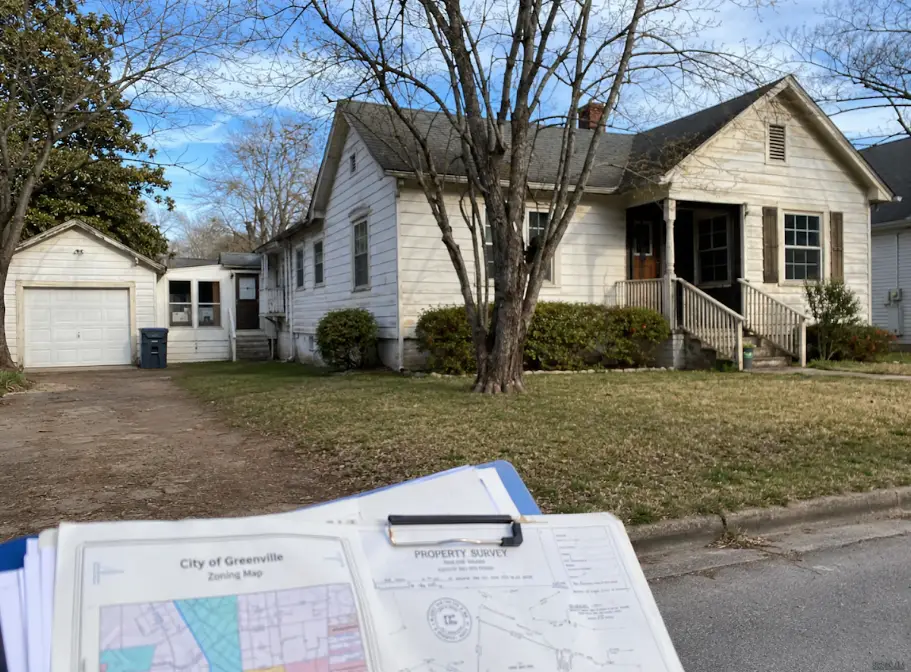
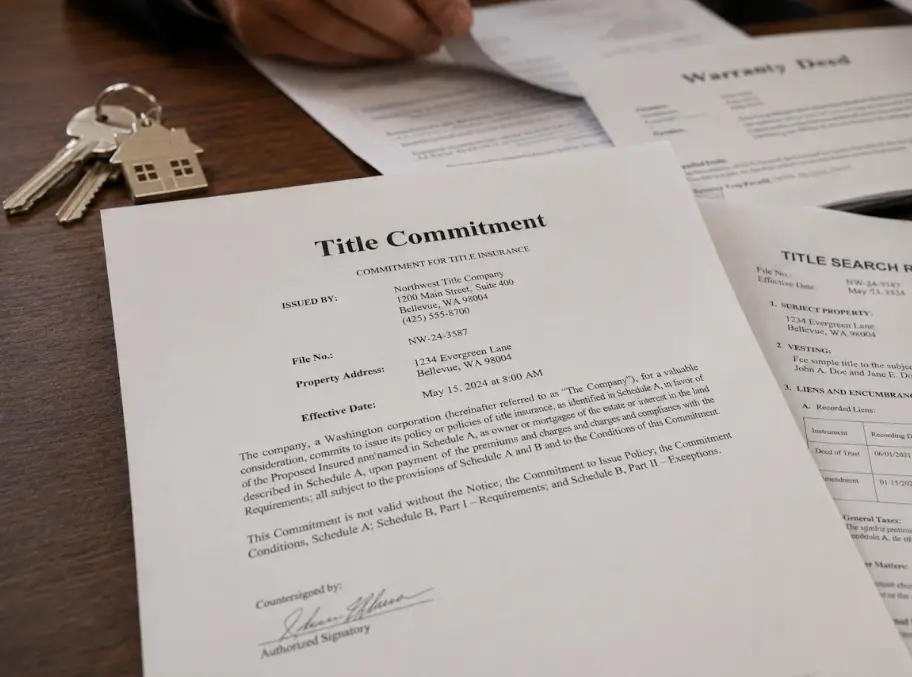
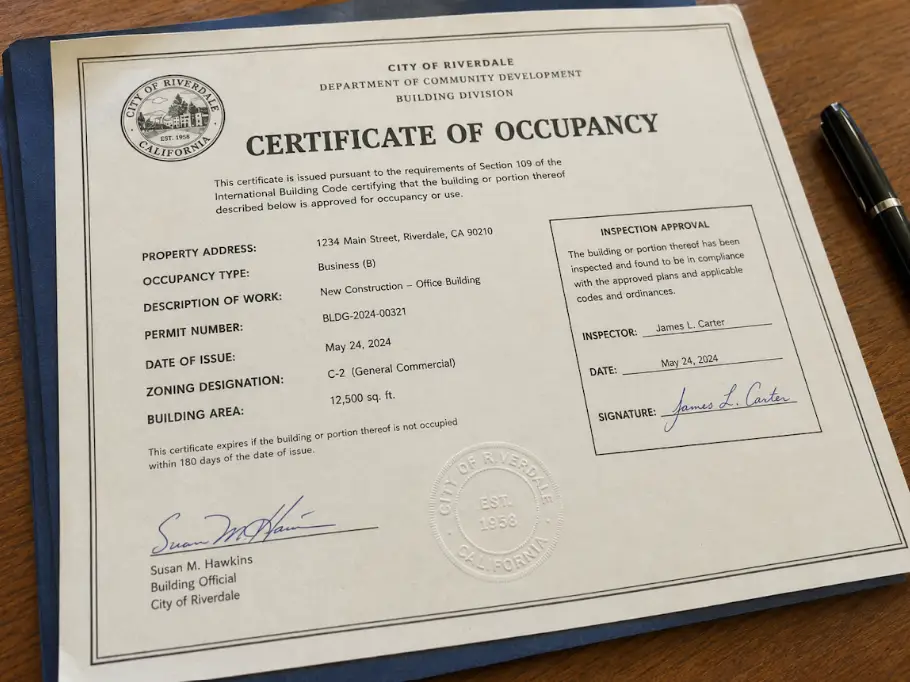
- Property records. Review ownership history, past sale prices, recorded liens, unpermitted work, and zoning classification before closing.
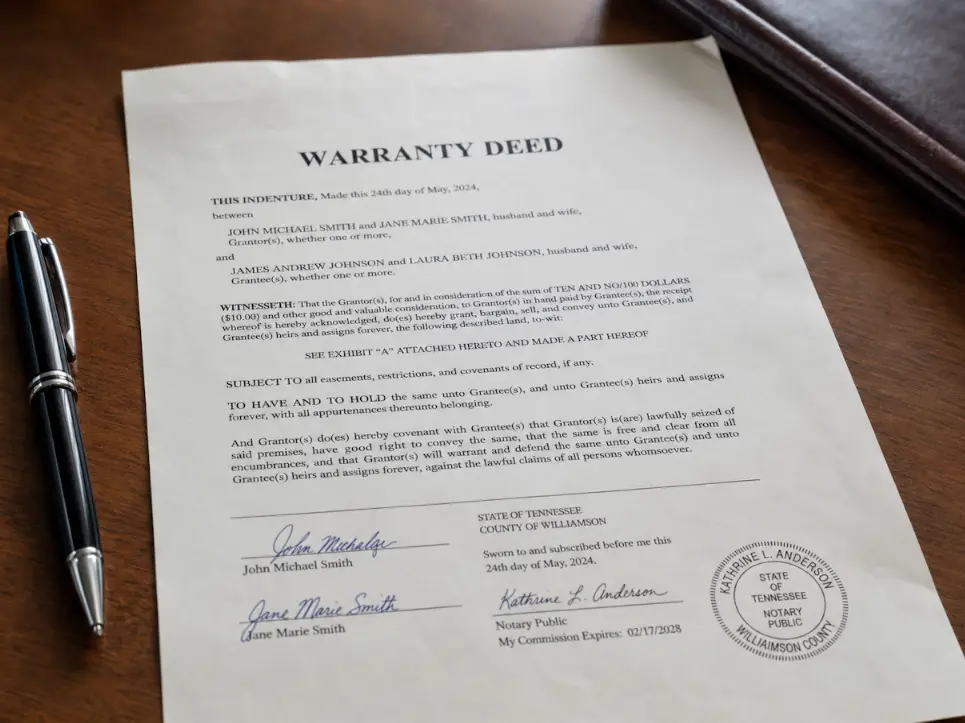
PropertyChecker provides access to publicly available property records by address across all 50 states, including deed history, permit records, tax history, and lien information, all of which matter more on an older property than a new one.
The combination of deferred maintenance, unpermitted renovations, and outdated systems can lead to hidden costs in old houses that even experienced buyers may not anticipate. Go in with clear eyes and a detailed inspection.
Old Houses Are Still One of the Best Real Estate Opportunities in America

Historic homes and old houses offer something the new construction market simply cannot replicate: craftsmanship, character, and a connection to the history of the places they sit in.
Whether you are drawn to a $45,000 Victorian in a small Ohio town or a $400,000 Craftsman bungalow in a Pacific Northwest historic district, the fundamentals of buying smart remain the same. Know the style and what it typically needs. Understand the market you are buying in. Research the property history thoroughly. And budget realistically for what you are taking on.
Done carefully, buying an old house remains one of the most rewarding real estate decisions a buyer can make. The stock of genuinely characterful old houses for sale across the US is deep, and the buyers who do their homework tend to find exactly what they are looking for.
FAQs
What's the difference between an old house and a historic home?
An old house is simply a home with age. A historic home has been officially recognized for its architectural or cultural significance, whether at the local, state, or national level. Historic designation typically comes with preservation requirements and may affect what changes you can make to the property. Not all old houses are historically designated, and not all historically designated homes are visually striking.
Are old houses more expensive to maintain?
Generally, yes, though it depends on the condition and how well the home has been maintained. Older systems, materials, and construction methods mean repairs often require specialists, non-standard parts, or more labor than a comparable modern home. Homes in historic districts may also require period-appropriate materials for repairs, which cost more. That said, many old houses are built to a structural standard that modern tract homes do not match.
What are the biggest red flags when buying an old house?
Foundation problems, evidence of water intrusion, outdated electrical systems (especially knob-and-tube wiring), aging plumbing, a failing roof, unpermitted additions, and the presence of asbestos or lead paint are the most commonly encountered serious issues. Any one of them can represent a significant unplanned expense.
Can you renovate a home in a historic district?
Yes, but with conditions. Most historic districts regulate exterior changes and require approval from a local historic preservation commission before alterations are made. Interior renovations are usually less restricted. The rules vary by district and municipality, so verify the specific requirements with your local preservation office before buying. Tax incentives for qualifying historic renovation work may also be available at the state and federal levels.
What styles are most common among historic homes in America?
Victorian (Queen Anne, Italianate, and Second Empire), Craftsman bungalow, Colonial and Colonial Revival, and Foursquare are the styles most commonly found in designated historic districts and on historic home registries across the United States.
Tudor Revival and Gothic Revival appear less frequently but are well represented in certain regions. The most common style in any given area tends to reflect the period when that community experienced its strongest growth.

Elena Novak leads real estate research and analysis at PropertyChecker.com, where she digs into housing trends, tracks property data, and unpacks investment strategies across the U.S. With a background in flipping homes and a degree in Business and Real Estate Development, she brings a practical, hands-on approach to market analysis. Elena is especially skilled at uncovering hidden property value and guiding both homeowners and investors through shifting market conditions. She's also passionate about sustainable design and smart home innovation. When she's not analyzing the market, she's probably knee-deep in a DIY project, scouting vintage décor, or building something new in her workshop.
Search Property & Deed Records
Table of Contents
- Old House Styles, Prices and What to Check First
- Popular Old House Styles to Know
- Victorian (Queen Anne, Italianate)
- Craftsman
- Colonial and Colonial Revival
- Tudor Revival
- Farmhouse
- Mid-Century Modern
- Where to Find Cheap Old Houses and Historic Homes for Sale
- Small-Town Victorian
- Rust Belt Brick Home
- Rural Farmhouse
- Historic District Cottage
- Craftsman Fixer-Upper
- Mid-Century Modern Home
- What to Check Before You Buy an Old House
- Old Houses Are Still One of the Best Real Estate Opportunities in America
- FAQs
- What's the difference between an old house and a historic home?
- Are old houses more expensive to maintain?
- What are the biggest red flags when buying an old house?
- Can you renovate a home in a historic district?
- What styles are most common among historic homes in America?