You Can Actually Buy an Underground Home in the U.S.
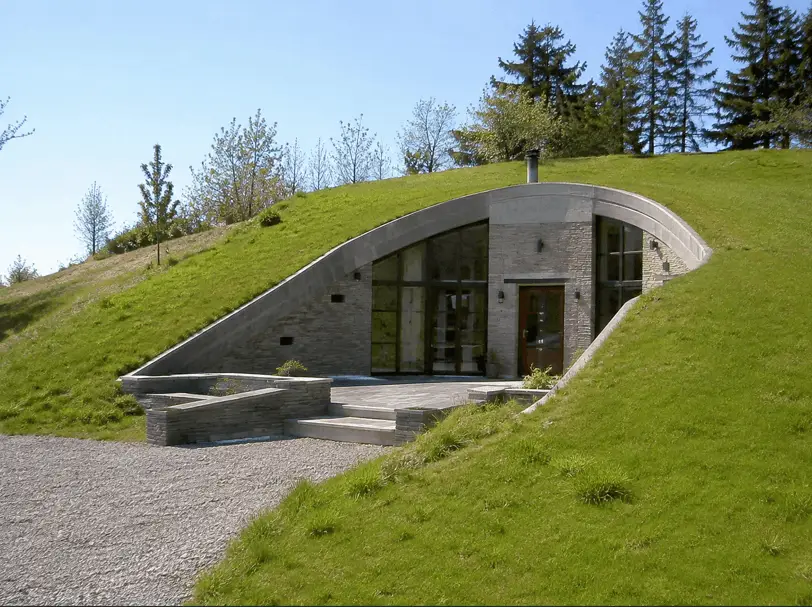
Table of Contents
- You Can Actually Buy an Underground Home in the U.S.
- Underground Homes You Can Actually Buy or Rent
- Earth-Sheltered Homes in Arizona and New Mexico
- Bermed Homes in Colorado
- Luxury Underground Estates in Nevada and California
- Earthship Homes in Taos, New Mexico
- Underground Airbnb Rentals for Experiential Stays
- Where Underground Homes Are Most Common
- Final Thoughts for Buyers
- FAQs
- What are houses built into the earth called?
- Are underground homes cheaper to build?
- How long do underground houses last?
- Are underground homes safe during tornadoes or storms?
- Can you buy underground homes in the U.S.?
- Do underground homes have natural light?
Underground homes are houses built fully or partly below ground. They use the surrounding earth for natural insulation, helping keep indoor temperatures stable year-round.
As a result, they often require less energy for heating and cooling. They are also quieter, more private, and better protected from extreme weather compared to traditional homes.
These homes are most common in desert areas, mountainous regions, and rural locations where zoning rules are more flexible. While they are not widely available on the market, some can still be found for sale or short-term rental.
Underground Homes You Can Actually Buy or Rent
Underground homes can be harder to find than traditional properties. They are less common and usually located in specific regions, so they don’t always appear in standard real estate searches. Still, they do exist, and with the right approach, you can find both homes for sale and short-term rentals.
If you’re considering one, build quality is especially important. Well-built underground homes share a few key features:
- Reinforced concrete construction: Provides strength and long-term durability
- Reliable waterproofing: Essential to prevent moisture and leaks
- Access to natural light: Features like skylights, light wells, or courtyards improve livability
- Proper ventilation and drainage: Helps maintain air quality and prevents water buildup
Here are some real examples and property types worth exploring.
Earth-Sheltered Homes in Arizona and New Mexico
- Type: Earth-sheltered/bermed
- What makes them unique: The desert Southwest is one of the best climates for earth-sheltered living. The soil temperature stays stable even when surface temperatures swing dramatically between day and night. Many of these homes feature rooftop gardens, passive solar design, and open south-facing facades.
- Status: Occasionally listed for sale; sometimes available as short-term rentals
- Where to check: Zillow, Realtor.com (search "earth-sheltered" or "berm home"), and local New Mexico and Arizona real estate agents who specialize in alternative housing
Bermed Homes in Colorado
- Type: Bermed (earth built up against exterior walls)
- What makes them unique: Colorado's mountain communities have a long history of energy-conscious building. Bermed homes here often combine passive solar walls with earth insulation on the north and west sides, resulting in homes that stay warm in brutal winters without heavy heating bills.
- Status: Sold and occasionally re-listed, particularly in mountain counties
- Where to check: LandWatch, Realtor.com, and local Colorado mountain real estate brokers
Luxury Underground Estates in Nevada and California
- Type: Fully or partially underground luxury builds
- What makes them unique: At the higher end of the market, underground house for sale listings in Nevada and California occasionally feature high-spec properties with below-grade living spaces, interior courtyards, and integrated smart systems. These are designed as architectural statements as much as functional homes.
- Status: Rare, typically sold through private listings
- Where to check: Sotheby's International Realty, Compass, and Christie's Real Estate for premium listings
Earthship Homes in Taos, New Mexico
- Type: Earth-sheltered/off-grid hybrid
- What makes them unique: Earthships are a specific type of underground home developed in Taos by architect Michael Reynolds. They are built from recycled tires packed with earth, combined with passive solar design, rainwater harvesting, and off-grid energy systems. They are some of the most self-sufficient residential structures ever built.
- Status: Some are for sale through local agents, and others are available as short-term rentals
- Where to check: Earthship Biotecture's website, local Taos real estate listings, and Airbnb for rental stays
Underground Airbnb Rentals for Experiential Stays
- Type: Various (hobbit-style, converted bunkers, earth-sheltered cabins)
- What makes them unique: For anyone curious about underground living before committing to a purchase, short-term rentals are a practical first step. There are a growing number of underground and earth-sheltered Airbnb properties across the US, from converted missile silos to stone-roofed hobbit homes.
- Status: Available to book on various dates throughout the year
- Where to check: Airbnb (search "underground", "earth home", or "hobbit house"), VRBO, and Hipcamp for rural land-based options
Where Underground Homes Are Most Common
Location plays a big role in where underground homes are built and found.
Deserts and dry regions are some of the most common places. In the American Southwest, including New Mexico, Arizona, and Nevada, stable ground temperatures help keep homes cool even in extreme heat.
Mountain areas are another key location. States like Colorado, Utah, and parts of the Pacific Northwest have terrain that makes it easier to build into hills, while also providing strong natural insulation during cold weather.
Rural areas are often more flexible when it comes to zoning and building rules. This can make it easier to build or find underground homes compared to cities.
You may also find underground housing in eco-focused or intentional communities, particularly in places like New Mexico and California, where alternative building styles are more accepted.
Final Thoughts for Buyers
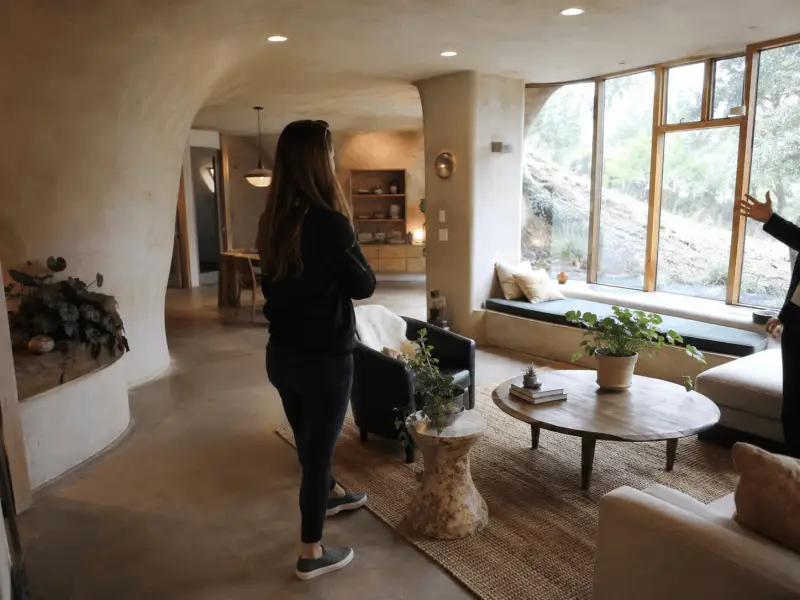
Underground homes offer strong benefits, including energy efficiency, durability, privacy, and long-term performance. A well-built earth-sheltered home can outperform a traditional house in many ways.
However, they also require more careful planning and maintenance. Because these homes are less common, buyers need to do more thorough research before making a decision.
Before committing, focus on these key checks:
- Waterproofing and drainage: Confirm what system was used and whether there have been any past issues or repairs
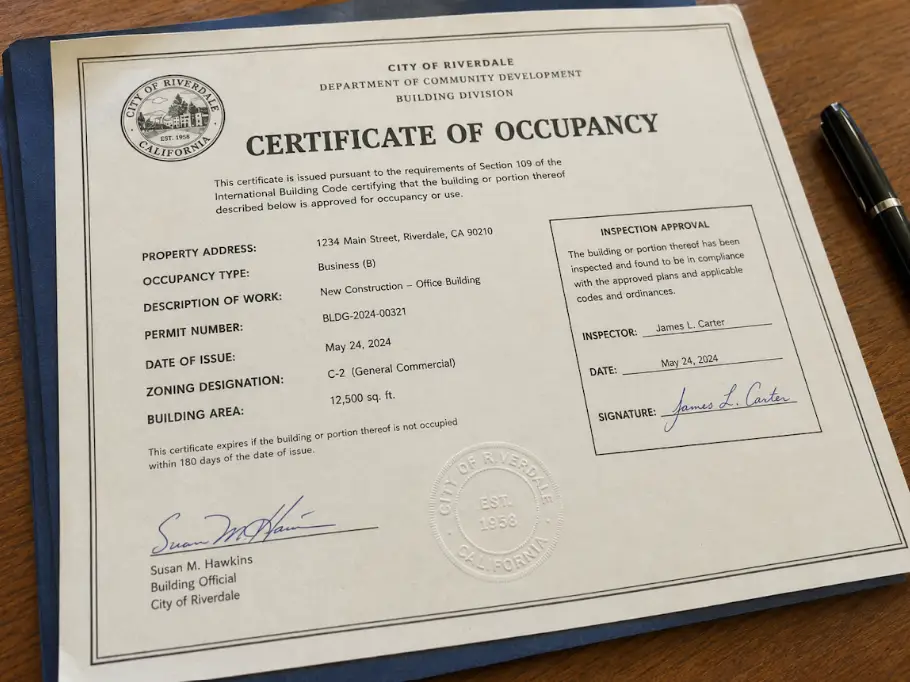
- Permits and zoning: Make sure the home was built to code, and all additions are properly approved
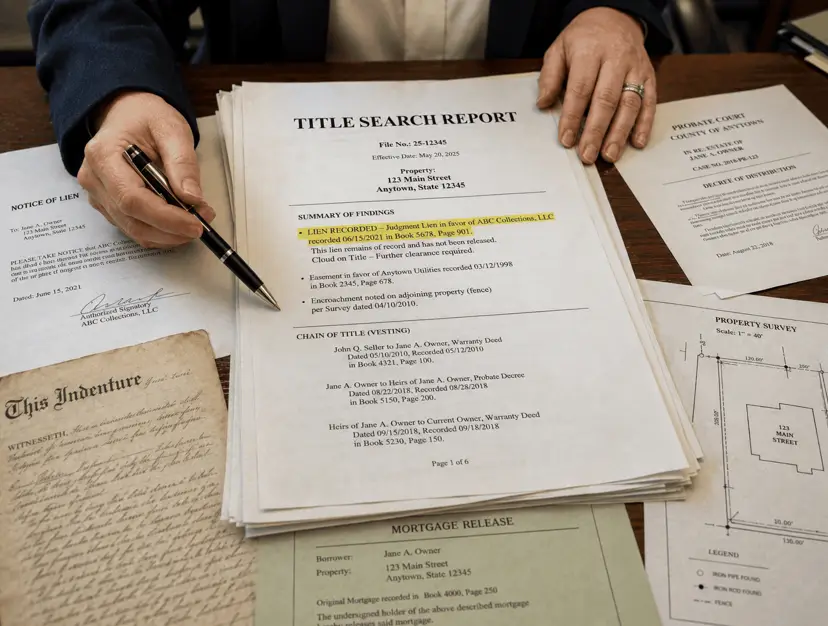
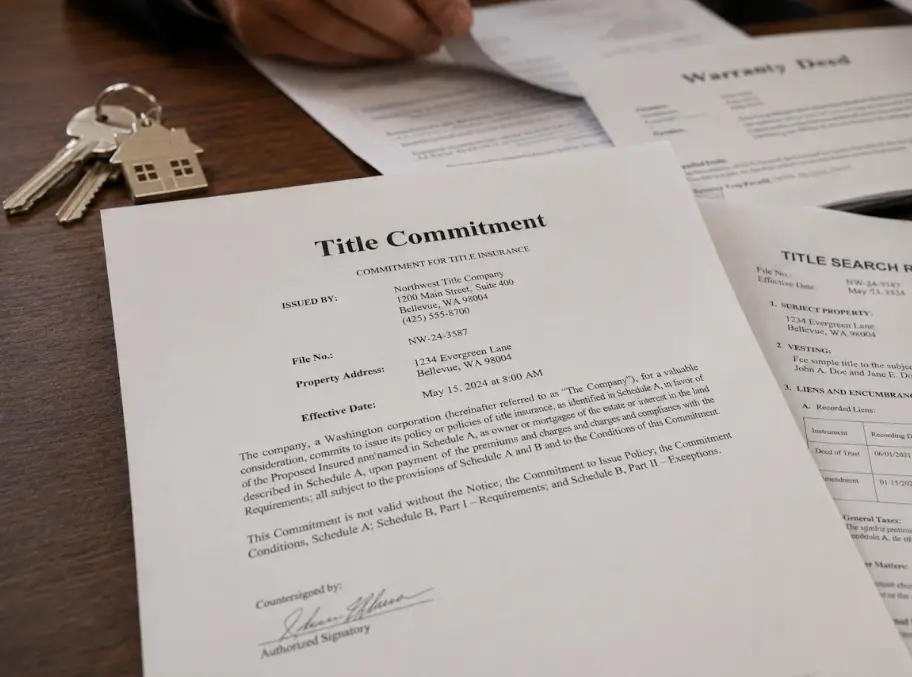
- Property records and land history: Verify ownership, zoning classification, and any restrictions on the land
- Structural condition: Look for signs of moisture damage or structural issues, and consider hiring a specialist inspector
Checking public property records can help you confirm important details before buying. PropertyChecker.com provides access to publicly available property information, depending on location and local laws, and can help you review ownership, zoning, and any restrictions that may apply.
FAQs
What are houses built into the earth called?
They go by several names depending on how much of the structure is below grade. The most common terms are "underground home," "earth-sheltered home," "bermed home," and "in-ground home.” Earthships are a specific subtype built from recycled materials and passive solar principles.
Are underground homes cheaper to build?
Not necessarily upfront. Excavation, waterproofing, and specialized construction often make the initial build cost higher than a comparable above-ground home. The savings tend to come over time through significantly lower energy bills and reduced maintenance on external surfaces.
How long do underground houses last?
A well-built underground house can last well over 100 years. Reinforced concrete and rammed earth structures are among the most durable residential building forms available. The main threats to longevity are moisture infiltration and poor drainage, both of which are manageable with proper construction and maintenance.
Are underground homes safe during tornadoes or storms?
Yes, significantly more so than most conventional homes. Being below grade means the structure is largely protected from high winds and flying debris. Many underground and earth-sheltered homes have survived severe weather events that caused serious damage to nearby above-ground buildings.
Can you buy underground homes in the U.S.?
Yes, though the inventory is limited. Underground house for sale listings appear most frequently in the Southwest, mountain states, and rural regions with flexible zoning. Searching on Zillow, Realtor.com, LandWatch, and specialty real estate platforms with terms like "earth-sheltered" or "berm home" is the best starting point.
Do underground homes have natural light?
Good ones do. Skylights, light wells, clerestory windows, and open south-facing courtyards are all commonly used to bring daylight into below-grade spaces. A well-designed underground home can feel surprisingly bright, while a poorly designed one can feel cave-like. Natural light planning is one of the most important design decisions in an underground build.

Elena Novak leads real estate research and analysis at PropertyChecker.com, where she digs into housing trends, tracks property data, and unpacks investment strategies across the U.S. With a background in flipping homes and a degree in Business and Real Estate Development, she brings a practical, hands-on approach to market analysis. Elena is especially skilled at uncovering hidden property value and guiding both homeowners and investors through shifting market conditions. She's also passionate about sustainable design and smart home innovation. When she's not analyzing the market, she's probably knee-deep in a DIY project, scouting vintage décor, or building something new in her workshop.
Search Property & Deed Records
Table of Contents
- You Can Actually Buy an Underground Home in the U.S.
- Underground Homes You Can Actually Buy or Rent
- Earth-Sheltered Homes in Arizona and New Mexico
- Bermed Homes in Colorado
- Luxury Underground Estates in Nevada and California
- Earthship Homes in Taos, New Mexico
- Underground Airbnb Rentals for Experiential Stays
- Where Underground Homes Are Most Common
- Final Thoughts for Buyers
- FAQs
- What are houses built into the earth called?
- Are underground homes cheaper to build?
- How long do underground houses last?
- Are underground homes safe during tornadoes or storms?
- Can you buy underground homes in the U.S.?
- Do underground homes have natural light?