What to Do When a Clouded Title Stalls Your Home Sale
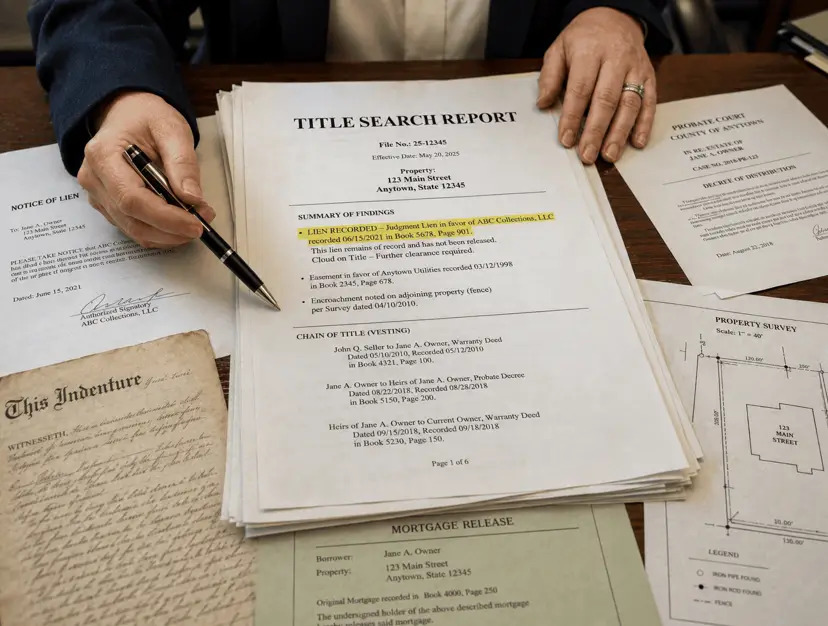
Table of Contents
- What to Do When a Clouded Title Stalls Your Home Sale
- What Is a Cloud on Title?
- Common Reasons a Property Title Becomes Clouded
- Unpaid Liens
- Missed or Incorrect Paperwork
- Unknown Heirs
- How a Clouded Title Affects Buying, Selling, or Refinancing
- Requires Resolution
- Cancelled Sales
- Limited Refinancing and Equity Options
- How Do You Know If a Title Is Clouded?
- How to Clear a Clouded Title (What Actually Fixes It)
- Paying or Resolving Outstanding Liens
- Correcting Errors in Public Records
- Updating Ownership Records After Inheritance
- Removing Outdated Claims or Interests
- FAQs
- Can a property be sold with a clouded title?
- Is a clouded title the same as a lien?
- Can a clouded title affect property value?
- Does a clouded title always require court involvement?
- Can old title issues resurface years later?
Nobody wants to hear that there’s an issue with the title of the house they are buying. There are many reasons a title may be clouded, such as outstanding liens or inheritance issues from the previous owner.
Whatever the reason, a clouded title almost always results in a delayed or outright cancelled sale. This situation can be extremely frustrating for a seller who has been on the market for years or a buyer who needs to move in quickly.
However, there are methods to quickly clear a clouded title, allowing you to salvage your current transaction and avoid starting over.
What Is a Cloud on Title?
A “cloud” on a title refers to any circumstance that creates doubt about who legally owns the property. It may seem clear that the person selling a house is the owner, but there can be various hidden interests on a title.
Liens from banks or other moneylenders are the most common clouds on a title. They represent a third-party interest on the title and can get in the way of title transfers. These disputes make it harder to sell or refinance a house with a clouded title.
There are several reasons for a cloud on title. In many cases, the current owner is unaware of the cloud due to sloppy paperwork or a dishonest previous owner.
Common Reasons a Property Title Becomes Clouded
Most title issues go unnoticed because no one conducts a thorough title search before completing a real estate transaction. Clouds can carry on through several owners and appear out of nowhere, suddenly jeopardizing your legal claim on the property.
Knowing the most common reasons for a clouded property title will help you know what to look out for when performing a title search.
Unpaid Liens
Some parties can assert a legal claim to a property, called a lien. This claim allows them to leverage partial ownership over the title to recoup their losses by forcing a property sale or suing the homeowner.
Mortgages are a type of voluntary property lien. This lien means that the bank can foreclose on the property if the homeowner fails to keep up with their payments. There are several other types of property liens, including:
- Tax Lien: The government can place a lien on your house if you fail to pay your income taxes. An Estate Tax Lien may be used if the property is part of a deceased person’s estate. The probate court can use this lien to sell the house and pay the estate’s debts.
- Mechanic’s Lien: A mechanic’s lien is used by contractors to ensure homeowners pay for materials and labor. If unpaid, the contractor will likely sue the homeowner.
- Judgment Lien: Failure to pay a court judgment can lead to a judgment lien on your house. This gives the creditor the opportunity to sell your property to recover losses.
Missed or Incorrect Paperwork
There are countless chances in the title history for someone to mess something up along the way. A court clerk may file the title transfer incorrectly, or someone may write the wrong address on a document. A cloud can remain on the title even after it changes hands.
There may be differences in the survey records that outline the property boundaries. An outdated or incorrect land survey may lead a neighbor to believe they own part of your land, triggering a dispute and clouding the title.
Another cloud on title can come from forgotten encumbrances. A former owner may have allowed an easement on the property, allowing a neighbor to use a portion of the land for specific purposes. An encumbrance can delay a title transfer.
Unknown Heirs
An intestate will occur when someone dies without leaving a will naming their heirs. The state automatically designates heirs under local law, but not every heir is notified in a timely manner. An heir of the former owner may appear and stake a claim on the property. This may happen at any time, even if the property has changed hands multiple times since the relevant death.
Another example is if the decedent’s will is not discovered until much later. The named beneficiaries may have a claim to the property, creating a clouded title.
How a Clouded Title Affects Buying, Selling, or Refinancing
A clouded title is an unwelcome surprise that can significantly impact a homeowner’s ability to sell or refinance their property.
Requires Resolution
In most cases, the seller is obligated to address known title issues before selling. This process can lead to long legal disputes with heirs or credit companies, which inevitably delays sales. Interested buyers may just move on to other offers.
Cancelled Sales
Buyers do not want a clouded title. Some will walk away from the transaction, and others will use the news to try to negotiate a better deal. Even if the seller resolves the cloud, the buyer may believe that more problems are hidden.
Limited Refinancing and Equity Options
Lenders also don’t want to finance a property with a title already clouded. These lenders want the ability to foreclose and resell the property if the homeowner fails to pay, which is more challenging if the title is clouded.
How Do You Know If a Title Is Clouded?
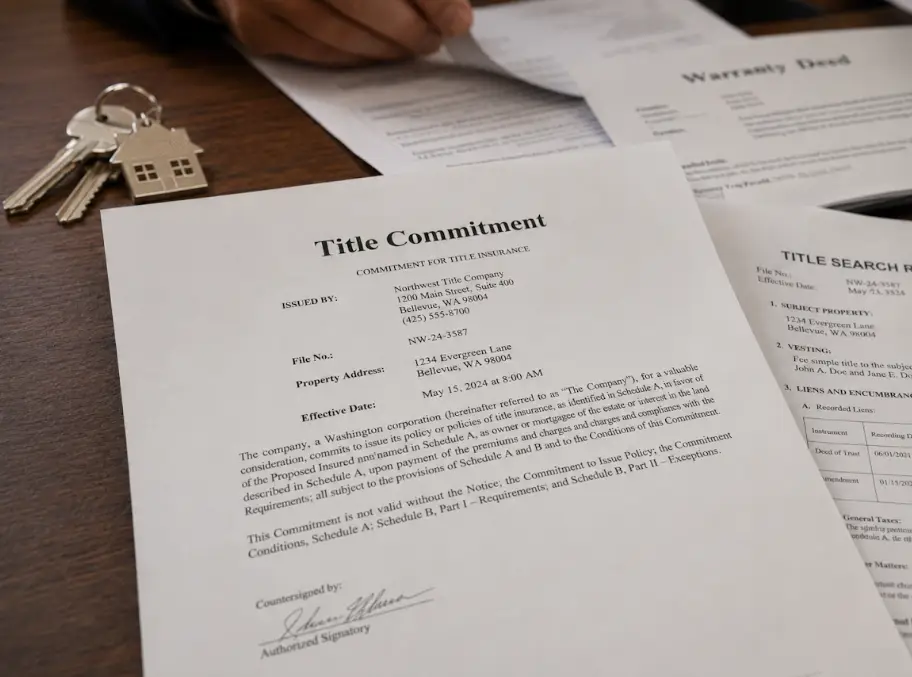
Most title issues appear during a title search. This process uses public records to trace a property’s chain of ownership. It reviews major events and filings for that property, revealing all past owners, interests, survey records, and obligations tied to the property.
Lenders often require a title search to protect themselves from other interests on the title. So, a buyer will learn about any clouds before committing to the transaction.
Title insurance companies also require a title search before accepting an application. These policies help pay to resolve issues coming from clouds, such as paying off a lien or cancelling an old encumbrance.
How to Clear a Clouded Title (What Actually Fixes It)
Dealing with a clouded title is often required before selling a property, and it makes it easier to refinance. However, the timeline and solution will vary, depending on the issue.
Paying or Resolving Outstanding Liens
There are multiple ways to resolve a lien on your property. In some cases, the debt is still valid and must be paid in full before the lien holder releases their claim. You can either pay the debt or dispute it in court if it is invalid.
Title insurance can help you pay off a lien. However, if you cannot pay the lien in full, then you can negotiate a settlement with the creditor. Many creditors will accept a payment plan settlement and remove the lien.
It is also worth noting that many states have Homestead Exemptions. These laws protect a minimum portion of your home equity from court judgments. So, a creditor providing an unsecured debt typically cannot force you to sell your home.
Correcting Errors in Public Records
Sometimes, the lien was already paid, but a clerical error caused the release to go unrecorded. Resolving these problems is often as simple as going to the county recorder’s office and presenting proof of payment to the creditor.
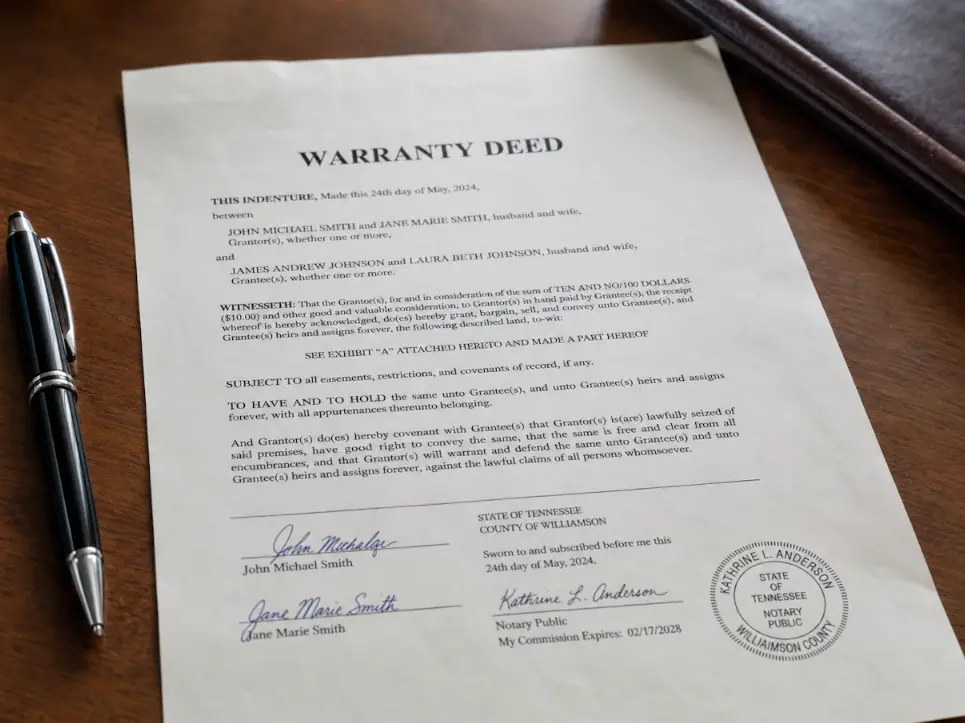
Other times, someone may have filed a quitclaim deed incorrectly. A quitclaim removes a cloud by forfeiting someone’s interest in the title. So, if the quitclaim is invalid, the cloud remains. You may need to contact the person and ask them to resubmit the paperwork.
Most of these corrections can be performed at the county recorder’s office and will not require court involvement. Even small discrepancies matter. If public records do not line up cleanly, the title remains clouded until they do.
Updating Ownership Records After Inheritance
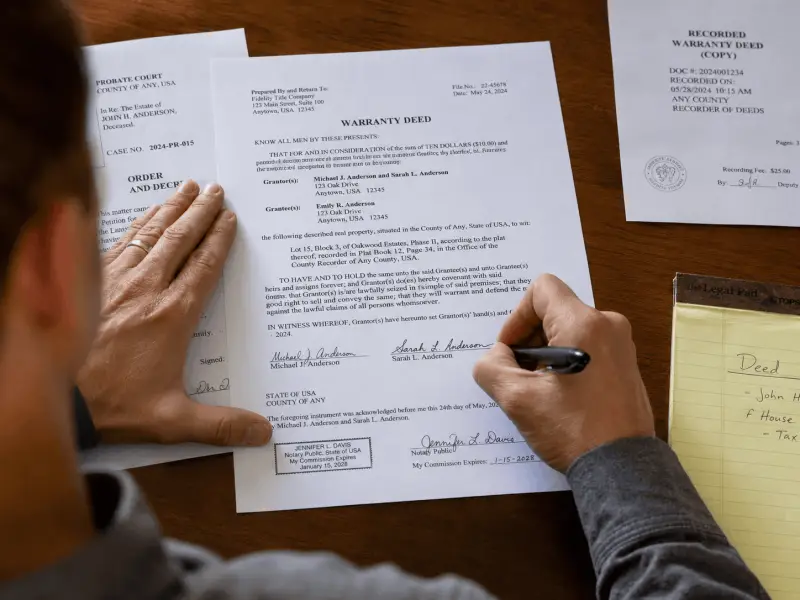
Living in and maintaining a deceased family member’s home is not enough to prove ownership. The heir must complete the probate process and legally transfer the title into their name. This process requires contacting and informing all other heirs of their claim to the property.
Clearing this type of cloud typically involves going back and completing the probate steps. You must negotiate with all heirs, either buying out their claims or getting them to sign a quitclaim deed to the property. Your county’s probate court can provide an administrator to facilitate the process.
Removing Outdated Claims or Interests
Some clouded titles originate from claims that are no longer valid but were not removed. For example, a previous neighbor might have had an easement, allowing them to use your land as a driveway. However, that easement was not removed when the neighbor moved away.
A complete title search will reveal encumbrances, as mentioned. Go through these documents and figure out which ones have gone past their expiration date or no longer meet the terms of the agreement.
This step is often overlooked because the issue feels resolved in practice. On paper, however, the cloud remains until it is properly lifted.
FAQs
Can a property be sold with a clouded title?
Most lenders will not finance a house with a clouded title. This means sellers typically must either seek cash offers or resolve the title before selling.
Is a clouded title the same as a lien?
A lien is one potential cause for a clouded title, but not the only one. There are other issues that can cloud a title, including encumbrances or surprise heirs.
Can a clouded title affect property value?
Yes, buyers may seek a lower price if the issue takes a long time to resolve. A clouded title may also give the buyer power to negotiate.
Does a clouded title always require court involvement?
No, many title problems can be addressed by updating paperwork at the county recorder's office or paying a lien through title insurance.
Can old title issues resurface years later?
Yes. Title issues do not go away when the title transfers hands. Problems often stay hidden until a new transaction triggers a title search.
Unpaid debts, unresolved wills, and unfiled paperwork can all lead to a clouded title. These problems live quietly in the background until you need to sell or refinance the home. Then, they delay or outright stop the process in its tracks.
It may be stressful, but most title issues can be resolved. However, it is easier to avoid a clouded title than it is to fix one. It is essential that prospective home buyers conduct a thorough title search to identify issues before completing a property transaction.
Not only will this step protect you from third-party interests in your new house, but it may also give you the power to negotiate a lower price for the property.

Elena Novak leads real estate research and analysis at PropertyChecker.com, where she digs into housing trends, tracks property data, and unpacks investment strategies across the U.S. With a background in flipping homes and a degree in Business and Real Estate Development, she brings a practical, hands-on approach to market analysis. Elena is especially skilled at uncovering hidden property value and guiding both homeowners and investors through shifting market conditions. She's also passionate about sustainable design and smart home innovation. When she's not analyzing the market, she's probably knee-deep in a DIY project, scouting vintage décor, or building something new in her workshop.
Search Property & Deed Records
Table of Contents
- What to Do When a Clouded Title Stalls Your Home Sale
- What Is a Cloud on Title?
- Common Reasons a Property Title Becomes Clouded
- Unpaid Liens
- Missed or Incorrect Paperwork
- Unknown Heirs
- How a Clouded Title Affects Buying, Selling, or Refinancing
- Requires Resolution
- Cancelled Sales
- Limited Refinancing and Equity Options
- How Do You Know If a Title Is Clouded?
- How to Clear a Clouded Title (What Actually Fixes It)
- Paying or Resolving Outstanding Liens
- Correcting Errors in Public Records
- Updating Ownership Records After Inheritance
- Removing Outdated Claims or Interests
- FAQs
- Can a property be sold with a clouded title?
- Is a clouded title the same as a lien?
- Can a clouded title affect property value?
- Does a clouded title always require court involvement?
- Can old title issues resurface years later?