What Is a Nonconforming Use in Real Estate?
Table of Contents
- What Is a Nonconforming Use in Real Estate?
- What Is a Nonconforming Use
- Why Nonconforming Uses Exist
- What You Can and Can’t Do With a Nonconforming Property
- What to Know When Buying a Nonconforming Property
- How Nonconforming Use Can Affect Property Value and Sale
- FAQs
- Is a nonconforming use the same as illegal use?
- Can I keep using a property if it’s nonconforming?
- Can a nonconforming property be sold?
- Does nonconforming use affect financing or insurance?
- Can a nonconforming use be changed or expanded?
Many properties predate local zoning ordinances. This gap leads to houses and businesses with add-ons that don’t fit into those standards. However, it is often unfair to force property owners to adjust to new zoning laws, especially when those changes come at personal expense.
Most states structure their zoning laws to address this problem. Local laws must set reasonable rules for which pre-existing features homeowners may keep and under what circumstances they must be changed.
For everyday buyers and owners, a nonconforming use can shape renovation plans, financing options, and even how easy it is to sell the property down the road.
What Is a Nonconforming Use
A nonconforming use in real estate refers to a feature or construct on a property that was legal in the past, but has been made illegal by updated zoning ordinances.
For example, a homeowner might build a garage at the side of their house, but a new law requires the garage entry to face a specific direction. In this situation, the garage would be a nonconforming use structure, but altering it would put a substantial financial burden on the homeowner.
Another example is often seen in older neighborhoods. Many houses are built before property standards are set by law. This means that these houses may not lack “required” features such as minimum ceiling heights, specific utility hookups, or eco-friendly amenities.
Notably, the presence of nonconforming features is not illegal in most jurisdictions. However, most places also expect nonconforming structures to either remain the same or be removed over time.
Why Nonconforming Uses Exist
Nonconforming issues don’t typically appear because a homeowner wants to break the law. They are a byproduct of changing zoning laws designed to improve residents’ safety and quality of life. However, older properties do not magically update themselves to reflect those laws.
In many cases, the government cannot force homeowners or business owners to conform their properties to the new standard. So, nonconforming uses are “grandfathered” into the property and allowed to stay.
What You Can and Can’t Do With a Nonconforming Property
Jurisdictions often grant significant leeway to nonconforming use properties due to the financial burden of retroactively correcting them. However, this doesn’t mean that homeowners get a free pass with their land to do whatever they want.
In general, homeowners are allowed to maintain the nonconforming use.
For example, a nonconforming shed is allowed to continue storing things, and you do not have to address many physical aspects, such as the house being the wrong height. Homeowners may even make repairs to keep the nonconformity working.
That said, maintaining the nonconformity’s purpose is the most allowance you can expect. Owners are typically not allowed to expand the feature, such as increasing the size of a shed. The nonconformity also cannot be rebuilt if it has been significantly damaged or become unusable.
These restrictions mean that nonconformities are often removed if they are not regularly used or neglected.
One of the most inconsistent facets of nonconforming property is whether the feature can be modified for a different use. For example, someone may want to refit a large, outdoor shed into a mobile home. Whether this is allowed often depends on whether the jurisdiction decides that the conversion does not affect factors such as traffic, parking, or street noise.
What to Know When Buying a Nonconforming Property
Buyers often assume that a house is up to code. They are more worried about finding safety issues or faults that could help them negotiate a better price. At first glance, a horse stable in the backyard seems like an ignorable perk, but it may be a nonconforming property.
Checking whether the house’s construction is properly permitted is part of the buyer’s due diligence. Buyers can request all the building permits associated with an address through the city’s building inspections division. A permit is required for non-standard additions such as chicken coops, exterior decks, or a detached garage.
Even if you employ a real estate agent, they focus on facilitating the transaction. They are not obligated to request permits from the city or search public records for nonconformities.
If you know that the property has a nonconformity, then you will want to add Ordinance or Law Coverage to your homeowner’s insurance. This add-on covers the costs of bringing your property up to code, allowing you to demolish or repair a nonconforming feature.
How Nonconforming Use Can Affect Property Value and Sale
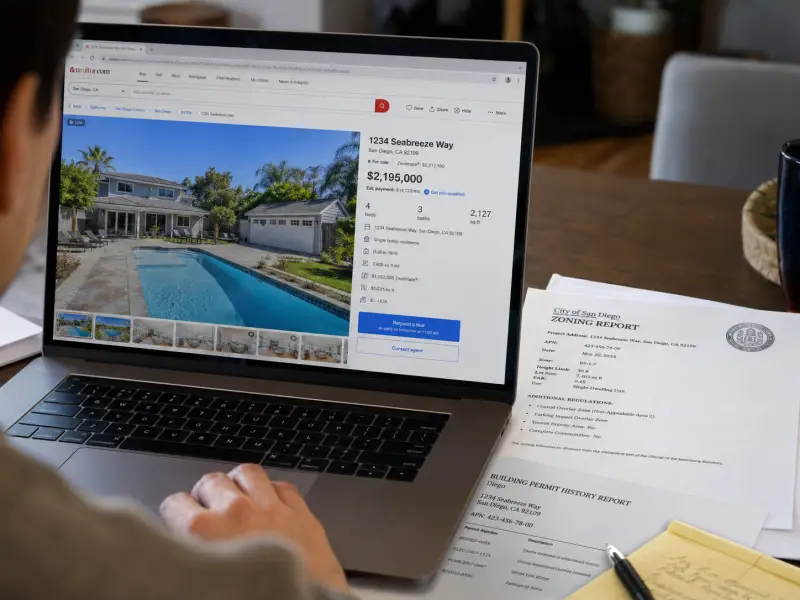
In many cases, the buyer and seller do not realize that a feature is nonconforming. Both sides may treat the feature as a “bonus” that raises the property value in negotiations.
For example, an outdoor pool will typically increase a home’s value if the buyer does not know it violates local zoning laws. The seller may even list it as a reason why the house costs more than similar options in the same neighborhood.
Whether a known nonconformity lowers the property value will depend on the specific case. Some nonconformities do not lead to negative consequences. The city typically does not force homeowners to remove nonconformities unless they cause significant disturbances.
However, some buyers are wary of nonconformities, fearing they will cause problems in the future. This shrinks the seller’s pool of interested buyers and gives you leverage to negotiate a lower asking price.
Nonconformities often become problems when they are not disclosed. Buyers will discover them through due diligence or title searches. Discovering a nonconformity late in the process can trigger renegotiations, delays, or even a cancelled transaction.
FAQs
Is a nonconforming use the same as illegal use?
No, a nonconforming use refers to a feature that was legally introduced to the property. It only became nonconforming because the zoning laws changed.
Can I keep using a property if it’s nonconforming?
Homeowners can continue using a nonconforming property for its intended purpose. However, local jurisdictions often have different regulations regarding the repair or repurposing of nonconforming features.
Can a nonconforming property be sold?
Yes, a nonconforming property does not interfere with title transfers. However, an interested buyer may delay or cancel the sale if they learn about the nonconformity on their own.
Does nonconforming use affect financing or insurance?
Yes, a nonconforming use may cause lenders to reject loan applications. Additionally, owners of nonconforming properties will want to add Ordinance or Law Coverage to their home insurance policy.
Can a nonconforming use be changed or expanded?
In general, a nonconforming property must be used for its original purpose and cannot be expanded upon. Some jurisdictions allow homeowners to alter the nonconforming feature if it serves a similar purpose and does not disturb the community.
A nonconforming use on your property is not illegal, but it has some risks. Owners may have to demolish the feature if it becomes too damaged or falls into disuse. A nonconformity may also require more costly insurance than standard coverage.
Buyers must do their due diligence before buying a house. Simple tasks like requesting the permit history for an address can let you move forward with confidence. Not only can you better prepare for future issues, but the knowledge can also be used to get the property for a lower price.

Elena Novak leads real estate research and analysis at PropertyChecker.com, where she digs into housing trends, tracks property data, and unpacks investment strategies across the U.S. With a background in flipping homes and a degree in Business and Real Estate Development, she brings a practical, hands-on approach to market analysis. Elena is especially skilled at uncovering hidden property value and guiding both homeowners and investors through shifting market conditions. She's also passionate about sustainable design and smart home innovation. When she's not analyzing the market, she's probably knee-deep in a DIY project, scouting vintage décor, or building something new in her workshop.
Search Property & Deed Records
Table of Contents
- What Is a Nonconforming Use in Real Estate?
- What Is a Nonconforming Use
- Why Nonconforming Uses Exist
- What You Can and Can’t Do With a Nonconforming Property
- What to Know When Buying a Nonconforming Property
- How Nonconforming Use Can Affect Property Value and Sale
- FAQs
- Is a nonconforming use the same as illegal use?
- Can I keep using a property if it’s nonconforming?
- Can a nonconforming property be sold?
- Does nonconforming use affect financing or insurance?
- Can a nonconforming use be changed or expanded?