How Zoning Laws Affect Property Values and What You Can Build

Table of Contents
- How Zoning Laws Affect Property Values and What You Can Build
- What Are Zoning Laws?
- How Zoning Maps and Categories Work
- Key Zoning Controls That Change a Property’s Potential
- How Zoning Affects Property Value
- Does Zoning Affect Property Taxes?
- FAQs
- How do I find out my property’s zoning?
- Can I change the zoning on my property?
- What is a zoning variance?
- Can I run a business from a home in a residential zone?
- What happens if my property doesn’t meet current zoning rule?
- Who should I contact with zoning questions or to apply for changes?
Whether you are buying property, thinking about adding an accessory dwelling unit (ADU), starting a home-based business, or considering a multifamily conversion, zoning is one of the most important factors that determines what is possible and profitable.
In these situations, most people usually have two major questions: “How does zoning affect property values?” and “Does zoning affect my property taxes?”. Such questions can be answered by understanding the basics of how zoning works, seeing how it directly impacts what your land can be used for, and knowing how much your property could be potentially worth.
If you are a homeowner, investor, or developer, having a straightforward playbook for researching your own zoning situation or exploring a change can help unlock major opportunities or help you avoid costly surprises.
What Are Zoning Laws?
Zoning laws are local rules that determine what a person can do on a piece of land and the kind of buildings that may be put there. Hence, zoning laws determine whether you can build a house, open a shop, or run a factory. They also cover how tall the building can be, how far it must be from the street, or how much space must be left around it.
Zoning laws are established by municipalities, such as cities, towns, and counties. These regulations divide land into different zones, such as commercial, residential, industrial, and agricultural, with each zone having its own set of allowed activities and building rules.
Although zoning laws focus on what may be built and where, building codes focus on how you build it safely. For instance, zoning may allow a developer or individual to build a two-story house in a neighborhood, but the building code makes sure the house will not collapse and has working plumbing and fire exits.
Zoning laws are important in community planning and development as they serve several important goals, such as:
- Preventing incompatible land uses
- Protecting the character of neighborhoods by ensuring that new homes or businesses match the style or density of existing ones
- Guiding future growth and development by encouraging businesses to cluster downtown or limiting sprawl into farmland
How Zoning Maps and Categories Work
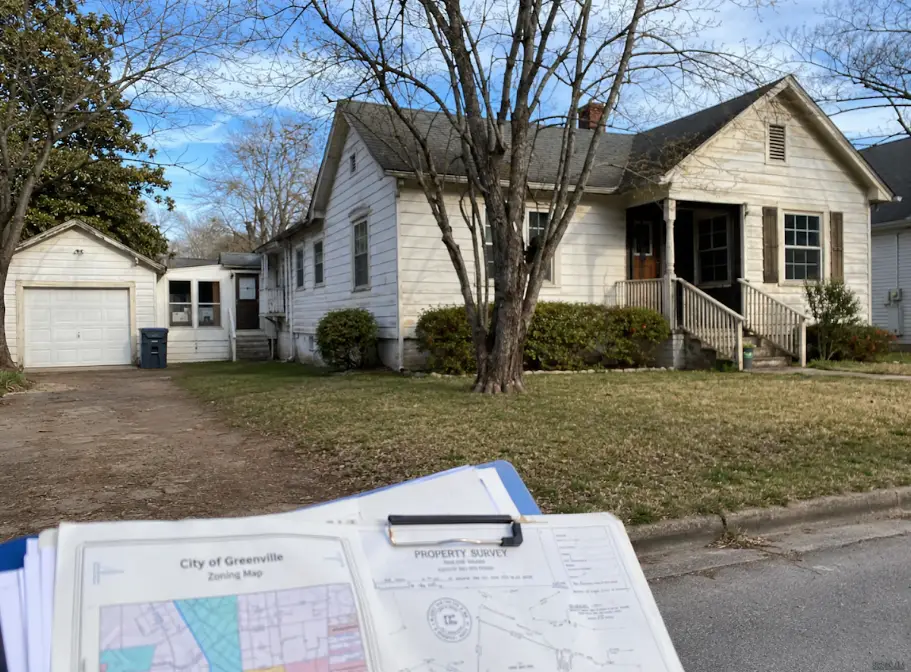
Zoning maps are charts used by cities and counties to indicate how every parcel of land in the municipality can be used. Usually, each area on the map is assigned a zoning category, which controls the activities allowed and often influences land value and development potential.
The following are the major zoning categories:
- Residential (R): For homes, such as single-family, duplexes, or apartments.
- Commercial (C or B): For businesses like shops, restaurants, and offices. This zone typically has higher value potential due to business income.
- Industrial (I or M): For manufacturing, warehouses, or heavy industry.
- Agricultural (A): For farming or rural uses; low-density, low-cost land, often with development restrictions.
- Mixed-Use (MU): Allows a blend of residential, commercial, or even light industrial.
- Public/Institutional (P/I): Reserved for schools, parks, and government buildings.
- Open Space / Recreational (OS / REC): Protects parks, greenways, and natural areas.
- Overlay Zones: An overlay zone is a special zoning layer placed on top of a base zone to increase constraints or unlock special incentives that affect value. Examples include historic preservation overlay and floodplain or environmental overlay.
Key Zoning Controls That Change a Property’s Potential
Zoning rules as established by local authorities have built-in "dials" that control what you can build and how much you can use the land. Adjusting these dials can significantly lower or raise a property's value.
Examples of these dials include the following:
Allowed Use: This deals with what you are allowed to do with a property. For instance, a property zoned residential cannot be used for a car repair shop unless rezoned. However, if rezoned to commercial, it can host a business, raising the income potential and market value of the property.
Density (United Per Acre or Lot Size): Density relates to how many homes or buildings can fit on the land. For example, increasing a site’s allowable units from 10 to 30 per acre makes multi-family development feasible and multiplies land value.
Floor Area Ratio (FAR): FAR refers to how much building can be constructed on a land relative to the lot size. Higher FAR allows more square footage, boosting leasable area and development returns. For example, on a 10,000 sq ft lot with a FAR of 1.0, you can build up to 10,000 sq ft of structure. If the FAR is increased to 2.0, you can build 20,000 sq ft, potentially doubling income.
Height Limits: Height limit deals with vertical scale and unit count, impacting how tall you can build a property. Generally, taller limits allow for more stories and units, while low height caps constrain density. For instance, a property zoned for a 2-story building may be far less valuable than one allowing 6 stories in a growing downtown area.
Setbacks: Setbacks refer to how far buildings are required to be from property lines. A wide setback may reduce usable building area on a narrow lot, limiting development options and value.
Lot Coverage: This deals with how much of the land you can cover with buildings or pavings. For instance, a site with a 40% coverage limit means that only 40% of the land can have structures, impacting how big a warehouse or store you can build.
Parking Requirements: These requirements indicate how many spaces you must provide per unit or square foot. A property that requires two parking paces per apartment may be harder to develop than one with relaxed rules, especially in tight urban areas.
Special Permits or Conditional Uses: In some zones, certain exceptions may be allowed which in turn raises or lower the value of the property. For example, a church may be allowed in a residential zone with a conditional use permit. If granted, the land's utility and possibly value, increases even without full rezoning.
Let’s look at how those rules translate into real-world value.
How Zoning Affects Property Value

Zoning laws play a significant part not only in what can be built and how much can be built, but also a property's market value. Every zoning feature either opens doors or creates friction for potential buyers, developers, and investors, potentially translating into real financial impact.
More Flexibility = Higher Ceiling: Properties with broader allowed uses generally attract more buyers. For example, a corner lot zoned mixed-use can host a shop downstairs and apartment upstairs, making it more valuable than a similar lot zoned residential-only.
Higher Density = More Revenue Potential: The more units you can build, the more rent or sale income you can generate. For example, a 10,000-square-foot lot zoned R-1 that allows only one single-family home has its value constrained by that limit. However, if rezoned to R-4, allowing for four townhomes, the land can command a higher price because the developer can now sell or rent multiple units.
Taller Buildings = Bigger Projects: Height allowances affect total square footage and use types. For instance, in a growing city center, land zoned for 6 stories is much more valuable than land limited to 2 stories, even if the lot size is the same.
Restrictive Zoning = Lower Buyer Pool: Strict residential-only zones or heavy setback rules limit appeal to developers or businesses. For instance, a warehouse buyer may skip a cheap lot if it is zoned residential and would take 6 months or more to rezone.
Parking Rules Can Kill Deals: Required parking eats up land area and raises building costs. For example, a 5-unit apartment plan may not be feasible if the zoning requires 10 parking spots but the lot can only fit 6.
Permits and Approvals = Time Is Money: If a zoning code requires special permits, variances, or public hearings, it causes delays, legal expenses, and approval uncertainty. Therefore, a buyer may pay significantly less for a parcel that needs a six-month conditional use permit compared to one that is already zoned “by-right” for the intended use.
Open Space Zoning = Low Value but High Public Benefit: Some zoning types are deliberately low-value, like open space zoning. These parcels are meant for parks, conservation, or stormwater management, not private development, and usually have little resale potential. A piece of land zoned open space may be worth a fraction of a similarly sized commercial or residential lot nearby, as it cannot be monetized in the same way.
Overlay Zones = Wildcards: A second layer of zoning, known as an overlay zone, can either enhance or reduce a property’s value. For example, a Transit-Oriented Development (TOD) overlay may allow more density and reduced parking requirements near a train station, increasing land value. In contrast, a Historic Preservation Overlay may restrict changes or demolitions, limiting redevelopment options and reducing appeal to certain buyers.
Does Zoning Affect Property Taxes?
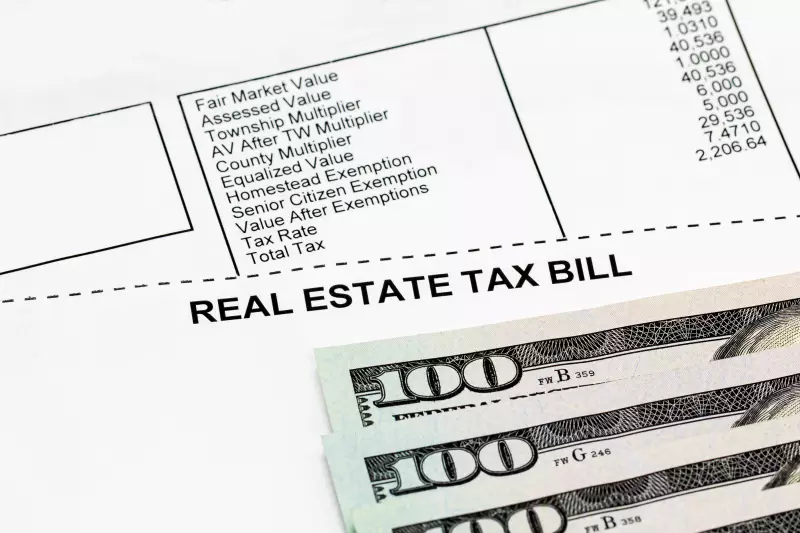
While zoning itself does not set or change property taxes, it influences taxes indirectly by affecting how much your property is worth in the eyes of the local assessor.
Typically, property taxes are generally based on assessed value, which is an estimate of a property's market value set by your city or county. However, if zoning laws allow for more valuable uses, such as multifamily housing, retail, or office space, your property may be assessed at a higher value compared to a similar property that is zoned for low-density residential or agricultural use.
In addition, if you own a single-family house or commercially zoned land but have not developed it as a business, many assessors will still base your tax bill on its current use, and not its maximum potential. Still, in some areas, having commercial or high-density zoning can raise your land value and tax bill, even though you have not made any changes.
Note that local rules play a significant role in how zoning impacts property taxes. For example:
- Some counties offer agricultural or open space tax breaks, which lower tax rates on land used for farming or conservation, even if it is zoned for other uses.
- In some cities, rezoning a parcel to allow denser development can trigger a reassessment that bumps up your taxes.
- Others may offer incentives or abatements that reduce taxes on properties in certain zoning overlays such as affordable housing or redevelopment zones.
Zoning determines what is possible on a site, the allowed uses, scale, and costs, and those permissions directly shape a property’s market value and, indirectly, its tax outcome.
Before buying, building, or changing how a property is used, you should take time out to check the applicable zoning laws early. You can use local zoning maps, ask the planning department for guidance to conduct your search. Also, do not hesitate to find out relevant regulations for variances, conditional use permits, or rezoning timelines.
While taking these steps may require time and effort, they are critical to understanding the real ROI and feasibility of your project.
FAQs
How do I find out my property’s zoning?
Check your city or county’s planning or zoning department website. Many municipalities offer online zoning maps or parcel lookups. Alternatively, you can also call or visit the local zoning office.
Can I change the zoning on my property?
Yes, but the change is not automatic. You will need to apply for a rezoning, attend public hearings, and get approval from local officials. The process varies by city and county and can take weeks to months.
What is a zoning variance?
A variance is special permission to deviate from a zoning rule, like a setback or height limit, without changing the zoning itself. It is granted when strict enforcement would cause unusual hardship and when the change will not harm the public interest.
Can I run a business from a home in a residential zone?
Many municipalities allow limited home-based businesses such as freelancing or tutoring. However, you may need a permit, and activities like retail sales, signage, or customer traffic may be restricted.
What happens if my property doesn’t meet current zoning rule?
Existing legal uses that conflict with new rules are usually “grandfathered” as nonconforming and can often continue. However, restrictions typically apply to expansions, rebuilding after destruction, or a prolonged cessation of the use.
Who should I contact with zoning questions or to apply for changes?
Contact your local planning or zoning department. They handle zoning maps, variances, permits, and rezoning applications.

Elena Novak leads real estate research and analysis at PropertyChecker.com, where she digs into housing trends, tracks property data, and unpacks investment strategies across the U.S. With a background in flipping homes and a degree in Business and Real Estate Development, she brings a practical, hands-on approach to market analysis. Elena is especially skilled at uncovering hidden property value and guiding both homeowners and investors through shifting market conditions. She's also passionate about sustainable design and smart home innovation. When she's not analyzing the market, she's probably knee-deep in a DIY project, scouting vintage décor, or building something new in her workshop.
Search Property & Deed Records
Table of Contents
- How Zoning Laws Affect Property Values and What You Can Build
- What Are Zoning Laws?
- How Zoning Maps and Categories Work
- Key Zoning Controls That Change a Property’s Potential
- How Zoning Affects Property Value
- Does Zoning Affect Property Taxes?
- FAQs
- How do I find out my property’s zoning?
- Can I change the zoning on my property?
- What is a zoning variance?
- Can I run a business from a home in a residential zone?
- What happens if my property doesn’t meet current zoning rule?
- Who should I contact with zoning questions or to apply for changes?