What to Do When Someone Builds on Your Land
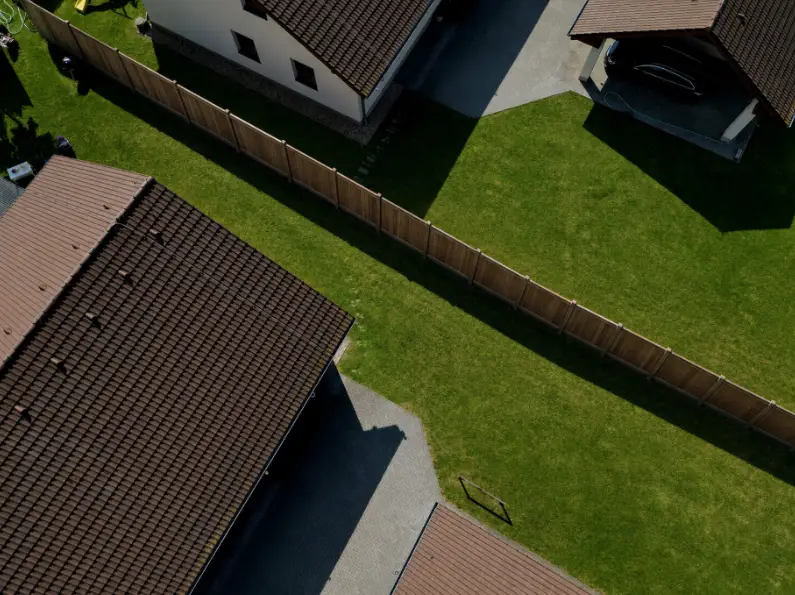
Table of Contents
- What to Do When Someone Builds on Your Land
- What is Encroachment in Real Estate?
- Common Types of Property Encroachments
- Structural Encroachments
- Landscape Encroachments
- How to Tell If Someone Is Encroaching on Your Property
- What to Do When Someone Builds on Your Land
- How to Handle a Hostile Property Encroachment
- Why Ignoring a Boundary Issue Can Create Bigger Problems Later
- How Encroachments Affect Buying, Selling, and Property Value
- FAQs
- How to handle property encroachment without starting a fight?
- What should I do if my neighbor builds a fence on my property?
- Is encroachment the same as an easement?
- Can I buy a house with an encroachment?
- If the encroachment is small, should I ignore it?
Property lines can be a touchy subject. It is hard to tell a neighbor that their new fence is a little too close or that they can’t use your land as a driveway. Encroachments come in all shapes and sizes, but most will significantly affect how you can use your property.
When mismanaged, dealing with an encroachment can create lasting tension between neighbors. They may also negatively affect the homeowner’s ability to sell or refinance the property. What starts as a small boundary dispute can transform into months-long closing delays.
What is Encroachment in Real Estate?
In real estate, an encroachment means that another party has built on someone’s property without permission. Encroachment can cause significant issues for both sides, whether intentional or not.
A frequent, unintentional example of encroachment occurs when someone misjudges their property line and builds a fence on a neighbor’s property. This encroaching fence shrinks the visual size of the neighbor’s property, making it look less desirable to buyers.
Encroachment meaning may also refer to when a neighbor extends an existing structure past the boundary line. They might be expanding their deck or failing to keep their bushes from growing past a specific point. Both are considered encroachments.
Common Types of Property Encroachments
Any structure that crosses into another person’s property without permission is an encroachment. In general, property encroachments can be categorized into two distinct types: structural and landscaping.
Structural Encroachments
A structural encroachment refers to a building addition that crosses into someone else’s property. Common examples of structural encroachment include expanding renovations such as garages, decks, fences, or driveways.
These structures can be more costly to remove. Homeowners may need a lawsuit to compel the neighbor to remove the encroachment. The structure’s owner also does not typically get their money back when it is taken down.
Landscape Encroachments
Landscaping refers to any land modification used to improve a property. Everyday landscape encroachments include planting trees, digging drainage systems, or installing sprinklers past your boundary line.
However, many landscape encroachments are mundane and temporary compared to structural ones. Smaller problems like a hedge growing past a dividing fence or a garden bed spilling into the neighbor’s lot can be fixed in an afternoon.
How to Tell If Someone Is Encroaching on Your Property
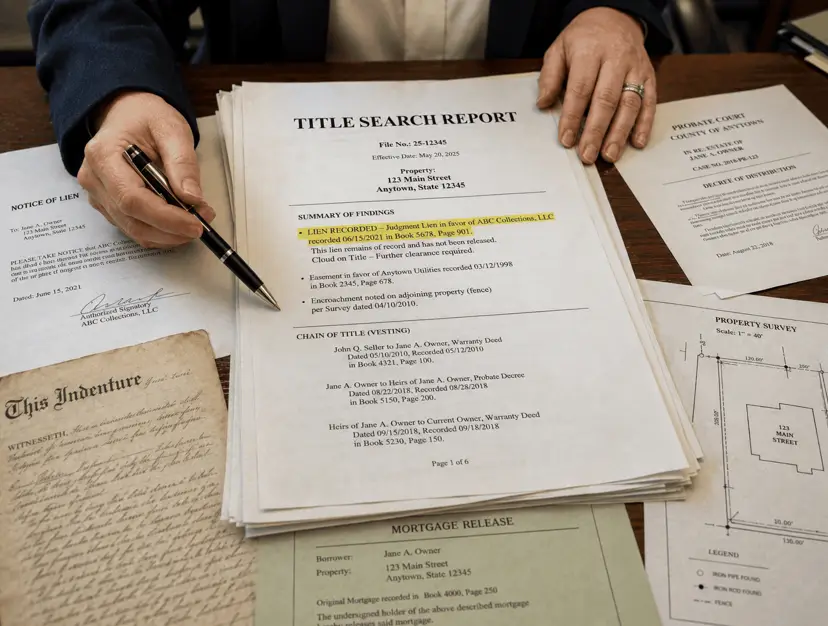
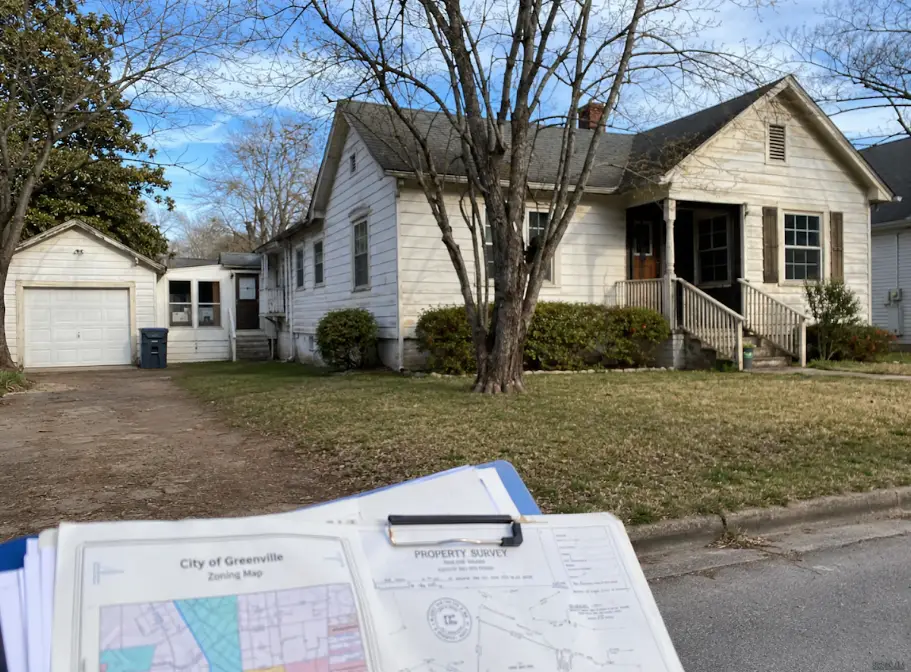
Before starting an awkward conversation with your neighbor, you should confirm whether they have crossed the property line. Review your property’s most recent boundary survey, which defines the precise perimeter of your land. Many people are surprised to find out that an established fence line isn’t the true boundary of their property.
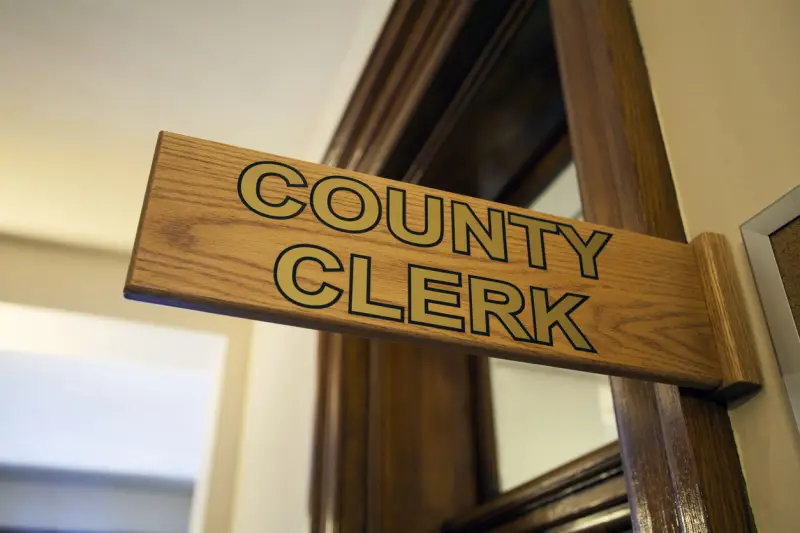
These records are typically available at your County Clerk’s Office. Homeowners may visit in person to request the land records, but many jurisdictions maintain online databases for convenience. Land surveys provide maps, diagrams, and sketches to present a clear graphic of the property.
Another option is to check if your county has an online GIS (Geographic Information System). This tool is not available in all areas, but it shows a precise satellite map that defines each lot’s boundary lines. In some cases, a GIS is more accurate due to outdated land markers used in past surveys.
If the situation involves a structure, a potential dispute, or upcoming sale plans, it may be worth requesting an updated professional survey. A current survey provides clarity and reduces guesswork before conversations escalate.
What to Do When Someone Builds on Your Land
Some homeowners may not care that their neighbor is encroaching on their property. However, allowing a single breach may empower the neighbor to continue building on your lot. Encroachments also become more difficult to remove when left alone for an extended period.
It is easier to tell someone that they are planting a seed in your yard than to ask them to remove a full-grown oak. So, recognizing the encroachment and acting early is essential to maintain a positive neighbor relationship.
The first step is to obtain the most recent property survey. Homeowners can request this from the County Clerk’s Office or from an online government database. Having this information on hand will make it easier to explain the situation to the other party.
Next, you should bring the encroachment to the attention of the offending neighbor. Do not assume the encroachment was intentional, as that may lead to a more negative tone. Most people do not know their exact boundary lines, which may lead to accidental encroachments.
Additionally, do not remove the encroachment yourself right away. Destroying the encroachment before explaining the situation can come off as aggressive. Start by taking photos of the problem, instead.
In many cases, a calm conversation is enough to rectify the issue, especially if the encroachment is small, such as an overgrown bush or tree. Show them that their property is going over the boundary line through documentation and ask them to remove it. Give them time, but try to set a clear timeline and expectation.
How to Handle a Hostile Property Encroachment
Sometimes, all the patience and respect in the world won’t get through to a person. In these situations, you may need to take more drastic measures.
Larger structures, like garages and sheds, require building permits. Encroaching structures are often placed without permits, since a contractor would check property lines. Contacting your local land development or permitting office will get an official to order an unpermitted structure to go down.
More complicated circumstances may require a real estate attorney. These professionals provide you with further options and can even recommend a mediation expert before going to court over the issue.
Why Ignoring a Boundary Issue Can Create Bigger Problems Later

Small boundary issues have a way of aging into bigger ones. The neighbor may believe that time gives them the right to keep the encroachment on your property. This turns a problem that could have been fixed with an early conversation into a potential legal battle.
The owner of the encroachment should also act quickly. The offender may be held responsible if the encroachment causes damage to the other party’s property, such as a branch falling and scratching a car.
How Encroachments Affect Buying, Selling, and Property Value
Encroachments affect property owners in multiple ways. The most immediate consequence is a loss of that portion of the land. Homeowners with small backyards need every square inch they can get, and losing just a square foot is a big deal.
A structure creeping into the lot also makes the property appear smaller and less appealing during a walk through. Additionally, if the structure or landscape addition isn’t of high quality, it may also make the house look cheap to prospective buyers.
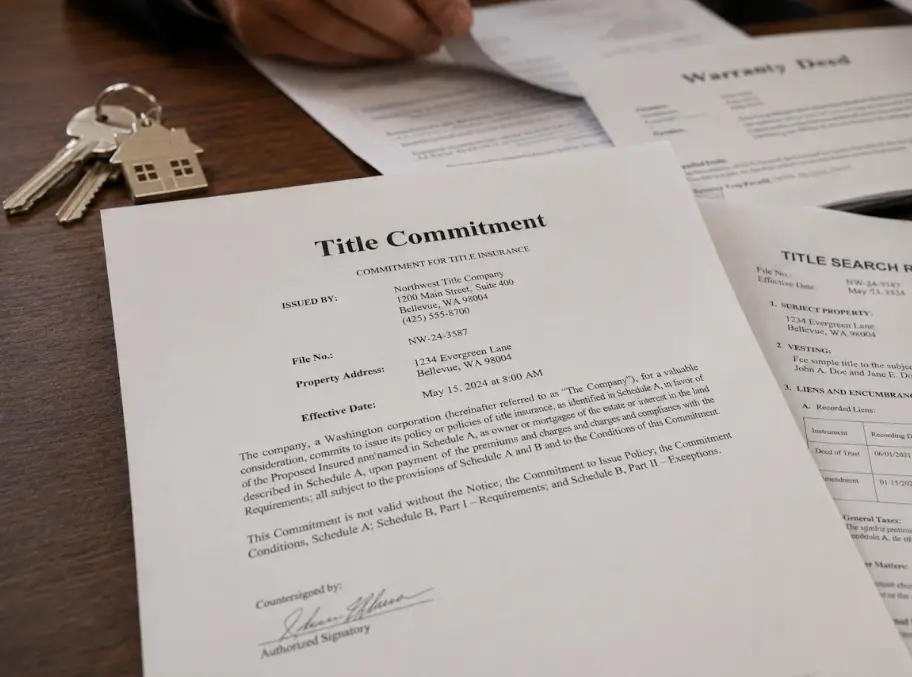
In some cases, buyers are willing to proceed if the encroachment is minor and properly documented. In other cases, especially when financing is involved, they cannot obtain mortgage or title insurance until the encroachment is resolved.
Encroachments often begin as small, almost invisible breaches across a boundary. But property lines are more than imaginary borders; they define ownership, use, and value.
Addressing a potential encroachment early, calmly, and with clear documentation protects both your land and your future real estate sales. If you approach with a plan, then you can address the issue without ruining your relationship with a neighbor.
FAQs
How to handle property encroachment without starting a fight?
Avoid accusatory language and give the neighbor time to address the problem. It may help to show them a survey report of your shared property line.
What should I do if my neighbor builds a fence on my property?
If available, you can quickly find a survey map of your property line in your county’s online land records database. You can use this to show them they are building their fence too far. In the worst-case scenario, you may have to contact the permitting office to order the fence down.
Is encroachment the same as an easement?
No, encroachment is an unauthorized intrusion onto someone else’s land. It is a physical component. An easement is when a property owner grants another person the right to use a portion of the property for a specific purpose, such as a driveway.
Can I buy a house with an encroachment?
There is no law against purchasing a house with encroachment. However, some encroachments will cause trouble when obtaining financing or title insurance.
If the encroachment is small, should I ignore it?
Even small encroachments can become an issue down the line, especially during a sale. It is recommended that you speak with your neighbor about the encroachment, even if you will allow it to remain temporarily.
Search Property & Deed Records
Table of Contents
- What to Do When Someone Builds on Your Land
- What is Encroachment in Real Estate?
- Common Types of Property Encroachments
- Structural Encroachments
- Landscape Encroachments
- How to Tell If Someone Is Encroaching on Your Property
- What to Do When Someone Builds on Your Land
- How to Handle a Hostile Property Encroachment
- Why Ignoring a Boundary Issue Can Create Bigger Problems Later
- How Encroachments Affect Buying, Selling, and Property Value
- FAQs
- How to handle property encroachment without starting a fight?
- What should I do if my neighbor builds a fence on my property?
- Is encroachment the same as an easement?
- Can I buy a house with an encroachment?
- If the encroachment is small, should I ignore it?