
Satisfaction Rate
99%









With over 40 property data points, PropertyChecker compiles information from thousands of public and private data sources to deliver one of the most comprehensive property reports available. Our nationwide coverage spans all 50 states and more than 3,000 counties, giving you powerful insights on any property in seconds.
Mortgage RecordsSearch available mortgage records connected to a property. PropertyChecker reports may include lender details, mortgage amounts, loan dates, second mortgage information, and other recorded financing data.
Loan Amounts & DatesReview when a loan was recorded and how much was financed. This can help you better understand a property's purchase history, debt position, and financial timeline.
Lender Name & TypeIdentify the lender or financial institution associated with a recorded mortgage. Reports may include lender names, lender types, and related details when available.
Loan Type DetailsFind available loan type information that may help explain how a property was financed, including purchase loans, refinances, conventional loans, FHA loans, VA loans, and other mortgage categories.
Refinancing HistoryTrack refinancing activity connected to a property. Reports may show when a homeowner replaced an existing mortgage with a new loan, adjusted financing terms, or accessed home equity.
Loan Transfers & AssignmentsReview available records showing whether a mortgage was transferred, assigned, or updated over time. These details can help provide a clearer view of a property's loan history.
Purchase HistoryConnect loan records with past sales, purchase dates, transfer types, and recorded deed activity to better understand the full ownership timeline.
 Property Values & Equity
Compare loan records with property values, assessed values, and purchase history to help estimate equity and identify potential investment opportunities.
Foreclosures & Tax DataLoan records may appear alongside foreclosure, tax, and lien data, helping you spot potential financial risks, distressed-property signals, or ownership concerns.
Looking to uncover mortgage details, refinancing activity, or lender information tied to a property? PropertyChecker makes it easier to search public loan records by address, owner name, or parcel ID, giving you a faster way to review available mortgage and property data in one organized report.

PropertyChecker makes it easy to access detailed property records through a single search. Instead of checking multiple county offices, public databases, and local record sources, our platform compiles key information such as ownership history, loans, mortgages, deeds, liens, permits, tax data, property characteristics, and valuation insights into one organized report.
Whether you are a homebuyer, investor, real estate professional, or property owner, PropertyChecker gives you the information you need to research properties faster and make more informed decisions.
Home loan records can reveal important financial details about a property. Whether you are researching a potential investment, verifying ownership, reviewing mortgage activity, or looking for distressed-property signals, loan data can help you better understand the story behind a property.
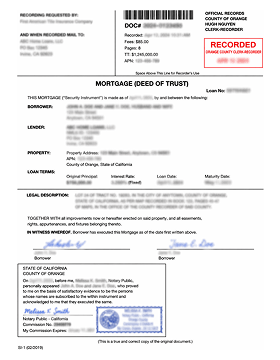
 What Is a Home Loan Search?
A home loan search is the process of reviewing public mortgage and loan records connected to a property. These records may show who financed the property, when a mortgage was recorded, how much was borrowed, whether the property was refinanced, and whether the loan was transferred or updated over time.
You can search home loan records by entering a property address, owner name, or parcel ID. PropertyChecker helps simplify the process by gathering available loan, ownership, deed, lien, tax, foreclosure, and property details into one easy-to-read report.
How Mortgage Loans WorkA mortgage is a loan secured by real estate. Many mortgages are structured as long-term loans, often with fixed or adjustable interest rates. When a lender approves a mortgage, the loan is typically recorded in public property records, creating a documented connection between the lender, borrower, property, and financing amount.
Over time, mortgage records may also show refinances, second mortgages, loan transfers, or other updates that help explain the financial history of the property.
The Difference Between a Mortgage and a Home LoanThe terms “mortgage” and “home loan” are often used together, but they are not exactly the same. A home loan usually refers to money borrowed to purchase a property. A mortgage is the legal loan agreement secured by the property itself.
In simple terms, most home loans are mortgages, but mortgage records can also include refinances, second mortgages, equity loans, and other real estate financing activity.
Does Refinancing Show Up on Loan Records?Yes. Refinancing can appear in public loan records when a homeowner replaces an existing mortgage with a new one. This may happen to get a lower interest rate, change loan terms, access home equity, or consolidate debt.
A refinance record may show the new loan amount, lender, recording date, and other available mortgage details. It may also show that a previous loan was paid off or replaced.
You can search mortgage information by property address, owner name, or parcel ID. PropertyChecker can help you find available public loan records, including mortgage amounts, lender details, loan dates, and refinancing activity when available.
Many mortgage and home loan records are part of the public record because they are recorded with local government offices. Availability can vary depending on the county, state, and how recently records were updated.
A property report may include mortgage amount, loan date, lender name, lender type, loan type, refinancing records, loan transfers, ownership history, lien records, tax information, and foreclosure data when available.
Yes, available mortgage records may show the lender or financial institution associated with a recorded loan. Reports may also include lender type, loan details, and related recording information.
Yes, refinancing activity may appear in loan records. You may be able to see when a new loan was recorded, whether an older loan was replaced, and which lender was involved.
Loan records can help investors identify properties with high debt, possible equity, refinancing activity, or other financial signals. When combined with ownership, tax, lien, and foreclosure data, this information can help guide lead research and investment decisions.
Yes, mortgage records are generally public records when recorded through county or local government offices. Buyers, investors, lenders, researchers, and property owners commonly review this information when evaluating real estate.
A home loan search depends on the availability and accuracy of public records. Some counties update records quickly, while others may have delays or limited historical data. PropertyChecker helps organize available records into one convenient report.
Yes, PropertyChecker allows users to search available property records by address, owner name, or parcel ID, depending on the information available for the property.
Loan records can help you understand a property’s financial history, including mortgage amounts, lender details, refinancing activity, liens, and possible foreclosure indicators. This can help you spot potential risks before making a decision.
Our team is available 24/7 whenever you need us.
Search home loan and mortgage records on any property, including mortgage amounts, lender details, refinancing activity, loan transfers, ownership history, and related property records. Access key financial details quickly and understand potential risks before you act.

