How to Find Homes Before They Hit the Market

Table of Contents
- How to Find Homes Before They Hit the Market
- What “Off-Market” Really Means
- Why Sellers Choose Off-Market (And What That Signals)
- Pros & Cons (Buyer + Seller)
- Where & How to Find Off-Market Homes
- Drive for Dollars
- Direct Mail and Targeted Outreach
- Leverage Your Personal Network
- Build Relationships with Key Professionals
- Tap Wholesalers and Online Communities
- Buy Leads
- Utilize Public Records
- How to Evaluate an Off-Market Lead
- Contact & Negotiation Tips
- Red Flags to Watch For
- FAQs
- What Is the Best Way to Find Off-Market Deals?
- What Is the 7% Rule in Real Estate?
- Is It Risky to Buy Off-Market?
- What Does It Mean When a Property Is Off the Market?
- Are Off-Market Homes Cheaper?
- Is “Temporarily Off Market” the Same Thing?
If you’ve been house hunting lately, you already know the story: low inventory, fierce competition, bidding wars, and homes vanishing from the market within hours. Sometimes, you even have to compete with cash investors willing to pay well above the asking price. But what if you could sidestep the frenzy entirely? Imagine finding a home with no competing offers, no bidding war, and a price you can actually negotiate. This isn't a fantasy; it's the reality of buying "off-market."
While most buyers are crowded onto the same Multiple Listing Services (MLSs) and real estate platforms, a savvy few are tapping into a quieter, lesser-known inventory of properties that never hit the public market. But what exactly does “off-market” mean, and how do you actually find these exclusive properties? This guide is your key to these hidden gems. We’ll explain the concept, why some sellers chose this path, and give you tips on how to find, negotiate, and bid on off-market homes.
What “Off-Market” Really Means
An off-market home (sometimes referred to as a “pocket listing”) is a property that is being sold privately, without being listed publicly on the MLS (Multiple Listing Service) or major real estate websites. This means the property is marketed discreetly, often shared only with select agents, investors, or buyers through private networks. It is important to distinguish between the two main types of properties that fall into this category:
- Exclusively Off-Market: The seller is actively trying to sell but chooses to keep the listing private. These homes are marketed quietly through agent networks, word-of-mouth, or direct outreach. This is the true “hidden inventory” that savvy buyers often seek out to avoid competition.
- Temporarily Off-Market: These are properties that were previously listed publicly but subsequently taken down, usually because the seller is pausing the sale, switching agents, or dealing with a pending offer that fell through. This is less of a secret and more of a paused listing; these homes may return to the market later but are not actively being advertised at the moment.
Why Sellers Choose Off-Market (And What That Signals)
Understanding the seller's motive is your first strategic advantage. Sellers go off-market for a variety of reasons, and each one can give you a clue on how to approach the deal:
- Privacy & Discretion: High-profile individuals, those going through a divorce, or estate executors may want to avoid the public spectacle of a traditional sale.
- Negotiation angle: Quiet, respectful outreach builds trust and opens the door to direct negotiation.
- Testing the Waters: Sellers may want to see what price they can get without committing to a formal listing.
- Negotiation angle: Use market data to justify your offer and position yourself as a low-risk, flexible buyer.
- Avoiding Hassle: They want to bypass the constant stream of showings, the need for perfect staging, the pressure of open houses, and bidding wars or stressful negotiations.
- Negotiation angle: Offer a clean, “as-is” purchase with minimal contingencies, possibly at a discount.
- Tenant-Occupied Properties: Selling a property with tenants in place is much easier off-market to avoid disrupting renters or triggering legal complications.
- Negotiation angle: Present yourself as an investor or buyer willing to honor existing leases or offer flexible closing terms.
- Avoiding Agent Fees: Sellers may want to save on commissions by selling directly.
- Negotiation angle: Highlight the cost savings of working with you directly and offer to streamline the process.
- Timing Flexibility: Sellers may be waiting on a job relocation, inheritance, or other life event before finalizing the sale.
- Negotiation angle: Offer extended closing timelines, rent-back options, or flexible possession dates.
Pros & Cons (Buyer + Seller)

Off-market home transactions can offer distinct advantages (and drawbacks as well) to both buyers and sellers.
For Buyers:
- Pros:
- Less Competition: Off-market deals often bypass bidding wars and crowded listings.
- Negotiation Flexibility: Without public pressure, buyers may have more room to negotiate price, terms, and closing timelines.
- Access to Unique Inventory: These properties may include estate sales, investor-owned homes, or high-value listings not publicly advertised.
- Cons:
- Harder to Find: Off-market listings require networking, agent connections, or specialized platforms.
- Unrealistic Pricing: Some sellers may overestimate value without market feedback.
- Extra Due Diligence: The lack of public marketing means buyers must be extra vigilant about the property's condition and title.
For Sellers:
- Pros:
- Privacy and Control: Sellers can avoid public exposure, open houses, and online listings.
- Lower Fees: Selling directly or through limited agent involvement can reduce commission costs.
- More Serious Buyers: Off-market buyers are often pre-qualified and motivated, reducing time wasted on casual interest.
- Cons:
- Potentially Lower Sale Price: Limited exposure may reduce competitive offers.
- Slower Sale: A smaller buyer pool can mean a longer time to close.
- More Work Without an Agent: Sellers must handle marketing, negotiations, and paperwork themselves if not using a full-service agent.
Where & How to Find Off-Market Homes
Finding off-market real estate deals requires hustle, strategy, and a shift from passive browsing to active hunting. Here are practical, realistic ways to do this:
Drive for Dollars
Cruise or walk through target neighborhoods and look for signs of distress or vacancy, like overgrown lawns, no cars, overflowing mailboxes, or FSBO (For Sale By Owner) signs. Write down addresses, look up ownership info via public records, and reach out to the owner respectfully.
Direct Mail and Targeted Outreach
Send personalized letters to homeowners in your target area. Let them know that you are looking to buy a home in the neighborhood and would love to talk if they are considering selling. Focus on older homes needing updates, long-time owners, and rental properties or absentee landlords.
Leverage Your Personal Network
Tell everyone (friends, family, coworkers, etc.) that you’re looking to buy a home. You can also consider joining local real estate meetups or investor groups. Opportunities spread by word of mouth, as many people prefer to sell quietly through personal networks.
Build Relationships with Key Professionals
Connect with agents who specialize in pocket listings, title companies, and investor-friendly lenders. They often maintain lists of investment-ready properties or distressed assets and can point you to off-market opportunities.
Tap Wholesalers and Online Communities
Real estate wholesalers who specialize in contracting off-market deals and assigning the contract to a buyer are a good resource for off-market houses. You can also find leads in local online marketplace platforms and community apps by searching posts like “Anyone thinking of selling?” However, be extra cautious with these to avoid scams.
Buy Leads
In the last few years there has been emergence of Pay Per Lead companies that generate qualified distressed home seller leads for real estate wholesalers and investors. These PPL companies specialize in sourcing off-market homes across the nation and then sell them directly to investors and wholesalers on a pay-per-lead basis. This allows you to buy motivated seller leads from your target market and according to your acquisition criteria without needing to hire an agency to run costly marketing campaigns on your behalf or do it on your own.
Utilize Public Records
Check county records for probate filings, divorce case updates, estate transitions, tax delinquency lists, auction announcements, pre-foreclosure notices, and other similar records. They can often lead you directly to motivated sellers who may prefer a quiet, fast transaction outside the competitive public market. This strategy requires professionalism and sensitivity but offers unique opportunities.
How to Evaluate an Off-Market Lead
Not every off-market opportunity is a good deal. The lack of public scrutiny means buyers must be especially diligent. Here's a quick checklist to help you evaluate these properties strategically:
- Verify Motivation: Find out why the seller wants to sell quietly and quickly. Understanding if the reason is convenience (avoiding showings) or necessity (divorce, pre-foreclosure) is crucial for negotiating leverage.
- Research Comps: Find out what similar, listed homes (comparable sales) in the immediate area sold for recently. This helps you to establish the property's true market value and properly gauge the deal.
- Assess Repair Costs: Get a rough, realistic estimate for any visible repairs or updates needed and factor these costs into your offer price to ensure the deal remains profitable or affordable.
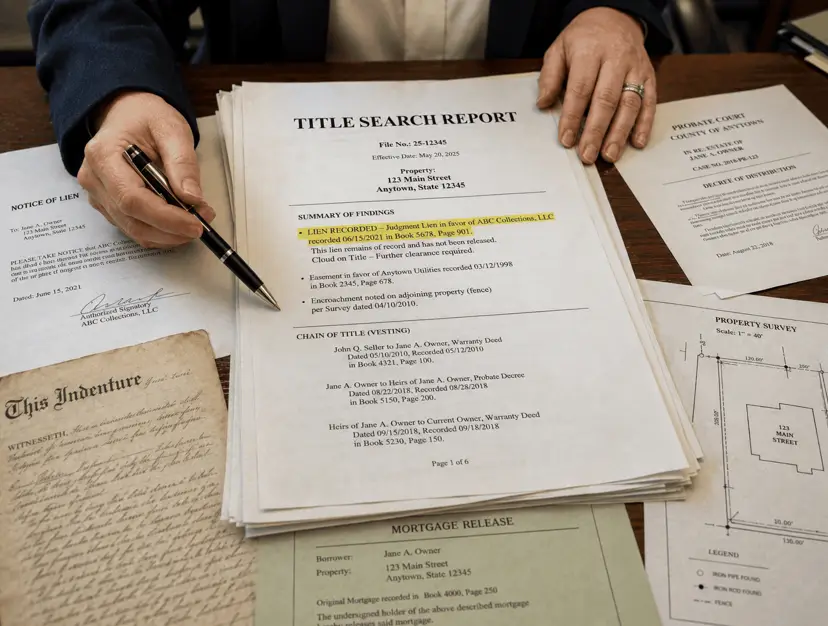
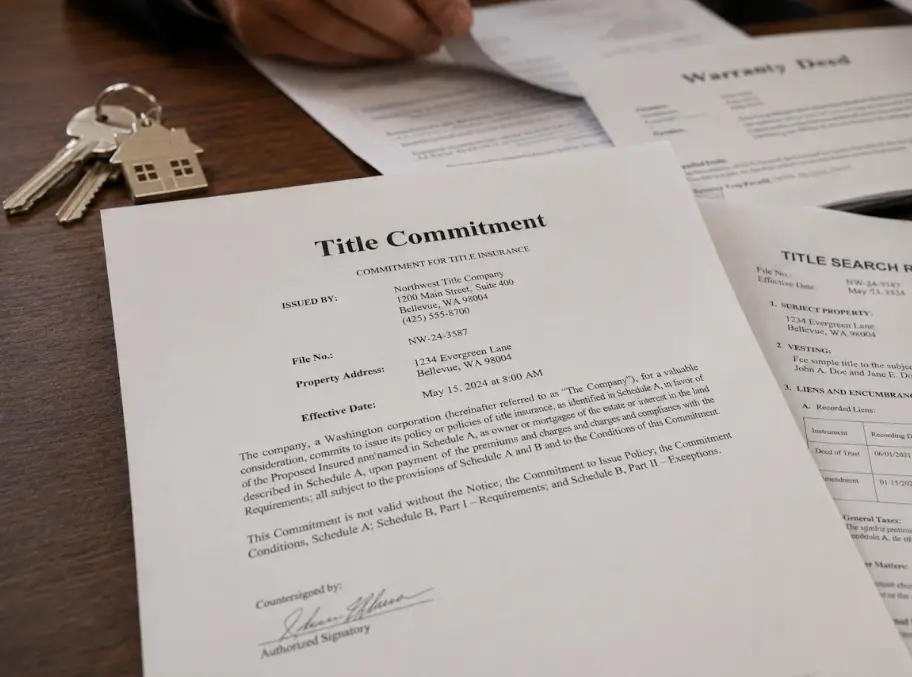
- Check Title: Ensure there are no unexpected liens or ownership disputes.
- Get an Inspection: Never skip a professional home inspection, even if the property is being sold "as-is" or seems visually sound. This protects you from catastrophic hidden defects.
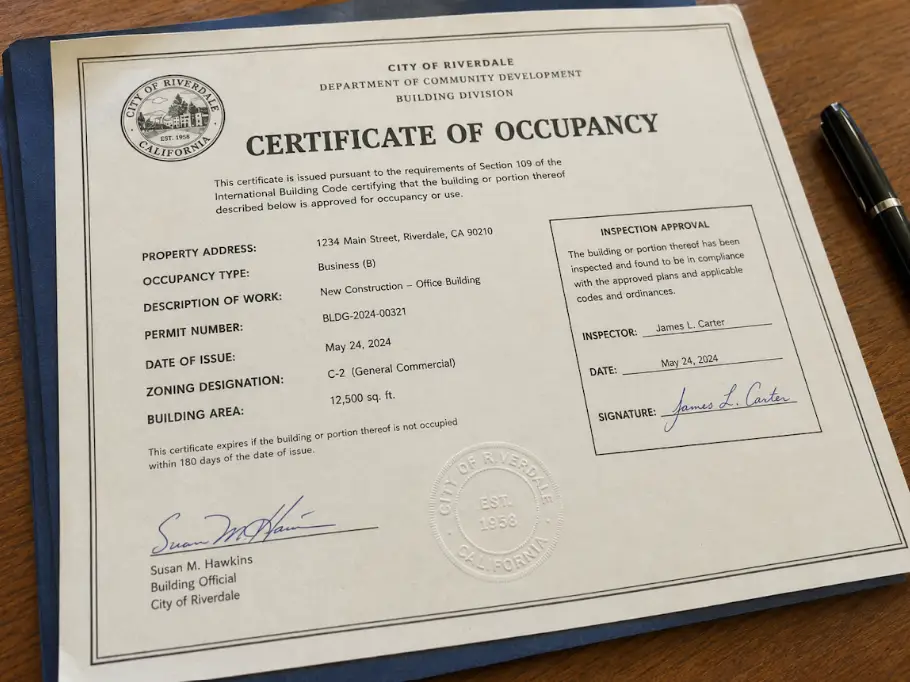
- Review Zoning and Permits: This way, you can ensure that the property aligns with your intended use and doesn’t carry hidden restrictions or violations.
- Confirm Financing Options: Do this early, as some lenders may not approve loans for properties that are not publicly listed.
Contact & Negotiation Tips
Here are a few tips for contacting off-market property owners and negotiating a deal with them:
- Keep it simple. Let them know that you are interested in their property and ask if they are open to discussing a sale.
- Use curiosity. If they show interest, ask what an ideal timeline would look like. This helps you tailor your offer to their needs.
- Stay respectful and low-pressure. Assure them that this is just a conversation and that they don't have to make any commitments. Respect their time and privacy.
- Don’t lead with price. Ask questions first to understand their situation. Let the owner speak before offering numbers. This allows you to better frame your offer around their priorities (speed, convenience, privacy) rather than just the price.
- Follow up consistently. Persistence is important in these types of deals. Many deals close after the fourth or fifth conversation.
Here’s an example (for a cold call): “Hi, my name is [your name]. I'm not a real estate agent, I'm a local buyer looking for a home in this area. I noticed your property and was wondering if you had ever considered selling? I would love to discuss if the timing is right for you.” The subsequent conversation should be framed around their response and needs. Remember to keep your approach respectful and professional.
Red Flags to Watch For
Some red flags to watch for when dealing with off-market real estate include:
- Unwillingness to allow any inspections.
- Prices that are far above or below comparable sales with no clear justification.
- Pressure to use the seller's preferred (and unknown) title company or attorney.
- Evasiveness when answering basic questions or reluctance to provide written documents or agreements.
- Pressure to skip due diligence.
Always verify everything, and don't hesitate to consult a professional (your own agent, attorney, or inspector) if you feel pressured or suspicious.
FAQs
What Is the Best Way to Find Off-Market Deals?
The most effective strategy is a combination of networking, targeted direct mail campaigns to motivated sellers, driving for dollars, and working with agents who hold pocket listings.
What Is the 7% Rule in Real Estate?
It is a general rule in real estate investment analysis that suggests that a property's annual rental income should be at least 7% of its purchase price to be considered a strong investment. However, the Maximum Allowable Offer (MAO) formula is considered a more precise and deal-specific rule for off-market or distressed properties: it is calculated as “(After Repair Value x 70%) – Repair Costs.”
Is It Risky to Buy Off-Market?
It can be if you don’t do your due diligence. Because these properties aren’t “publicly exposed,” you must be extra diligent with independent inspections, appraisals, and title checks.
What Does It Mean When a Property Is Off the Market?
This typically means that the property is not currently for sale (the listing expired, or it was withdrawn). This is different from an off-market property, which is actively for sale but being marketed privately.
Are Off-Market Homes Cheaper?
Not always. While fewer buyers can mean better negotiating power and pricing, some sellers may have an inflated sense of their home's value due to the lack of market feedback. Always run your own comparable analysis.
Is “Temporarily Off Market” the Same Thing?
Not quite. "Temporarily off market" usually means the property was listed publicly previously but paused (for repairs or personal reasons). True off-market homes are typically never listed publicly in the first place or intentionally kept private by the seller.
Off-market homes offer a world of opportunity if you know how to find and approach them wisely. It is a game of strategy and hustle that requires you to be proactive, build relationships, and move confidently when an opportunity arises. While it's not without its challenges, the reward is well worth the effort. Stop competing with the crowd and start playing a different game: drive your neighborhood, send a few targeted letters, talk to local agents, and leverage your personal network. With consistency and care, you’ll uncover properties others never knew were available, and you might just land your next great deal.

Elena Novak leads real estate research and analysis at PropertyChecker.com, where she digs into housing trends, tracks property data, and unpacks investment strategies across the U.S. With a background in flipping homes and a degree in Business and Real Estate Development, she brings a practical, hands-on approach to market analysis. Elena is especially skilled at uncovering hidden property value and guiding both homeowners and investors through shifting market conditions. She's also passionate about sustainable design and smart home innovation. When she's not analyzing the market, she's probably knee-deep in a DIY project, scouting vintage décor, or building something new in her workshop.
Search Property & Deed Records
Table of Contents
- How to Find Homes Before They Hit the Market
- What “Off-Market” Really Means
- Why Sellers Choose Off-Market (And What That Signals)
- Pros & Cons (Buyer + Seller)
- Where & How to Find Off-Market Homes
- Drive for Dollars
- Direct Mail and Targeted Outreach
- Leverage Your Personal Network
- Build Relationships with Key Professionals
- Tap Wholesalers and Online Communities
- Buy Leads
- Utilize Public Records
- How to Evaluate an Off-Market Lead
- Contact & Negotiation Tips
- Red Flags to Watch For
- FAQs
- What Is the Best Way to Find Off-Market Deals?
- What Is the 7% Rule in Real Estate?
- Is It Risky to Buy Off-Market?
- What Does It Mean When a Property Is Off the Market?
- Are Off-Market Homes Cheaper?
- Is “Temporarily Off Market” the Same Thing?