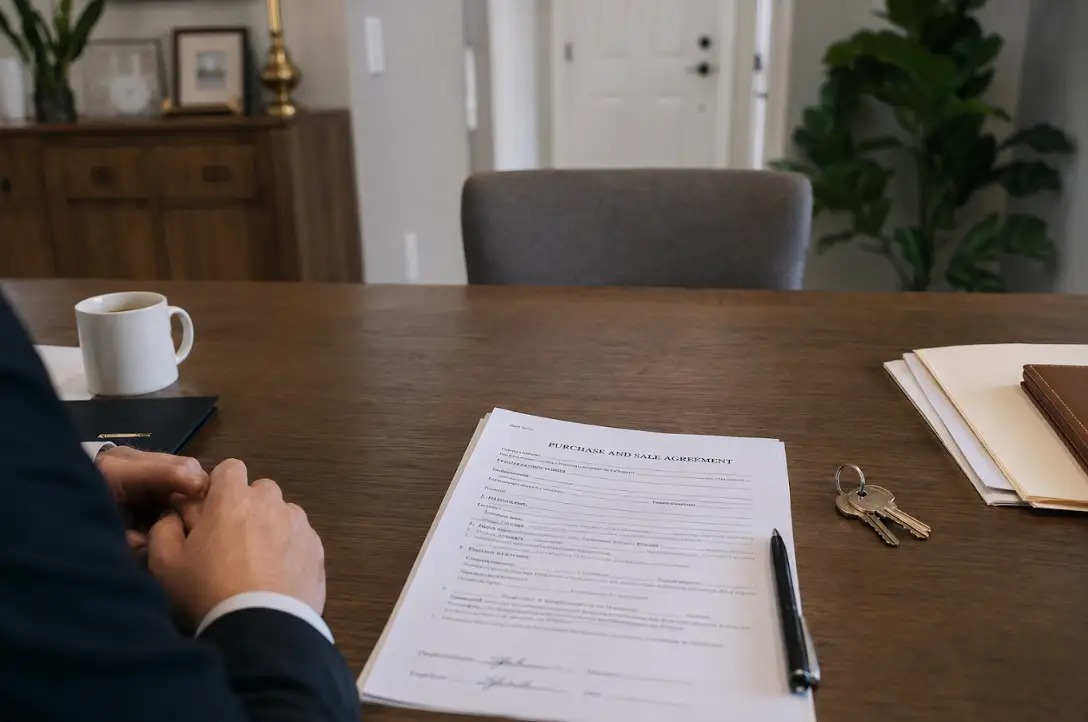
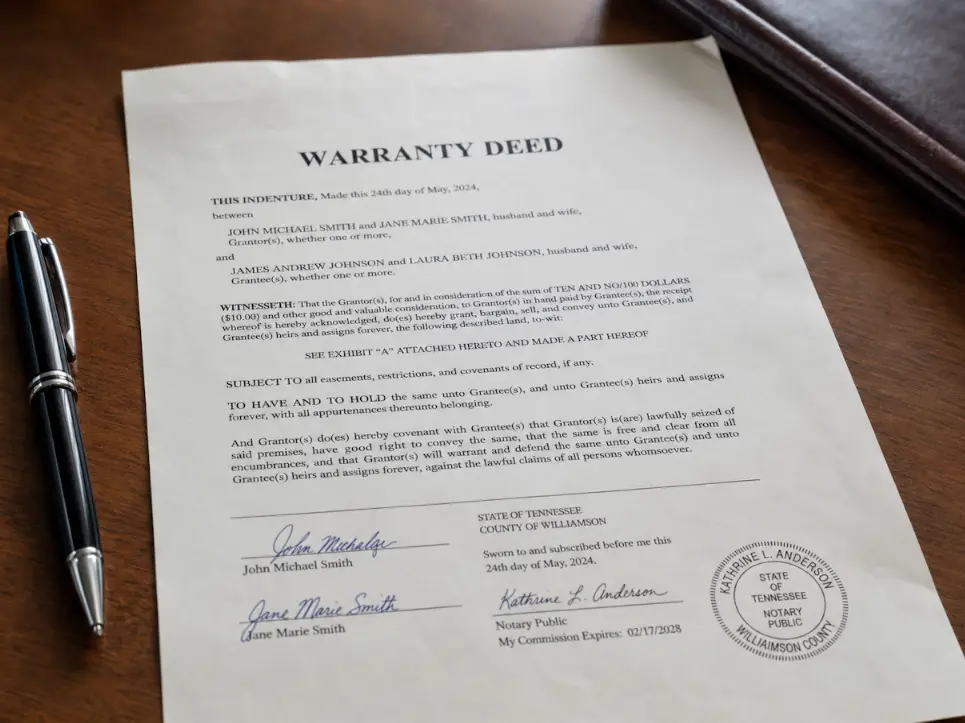
Can You Buy or Sell A Condemned Property?
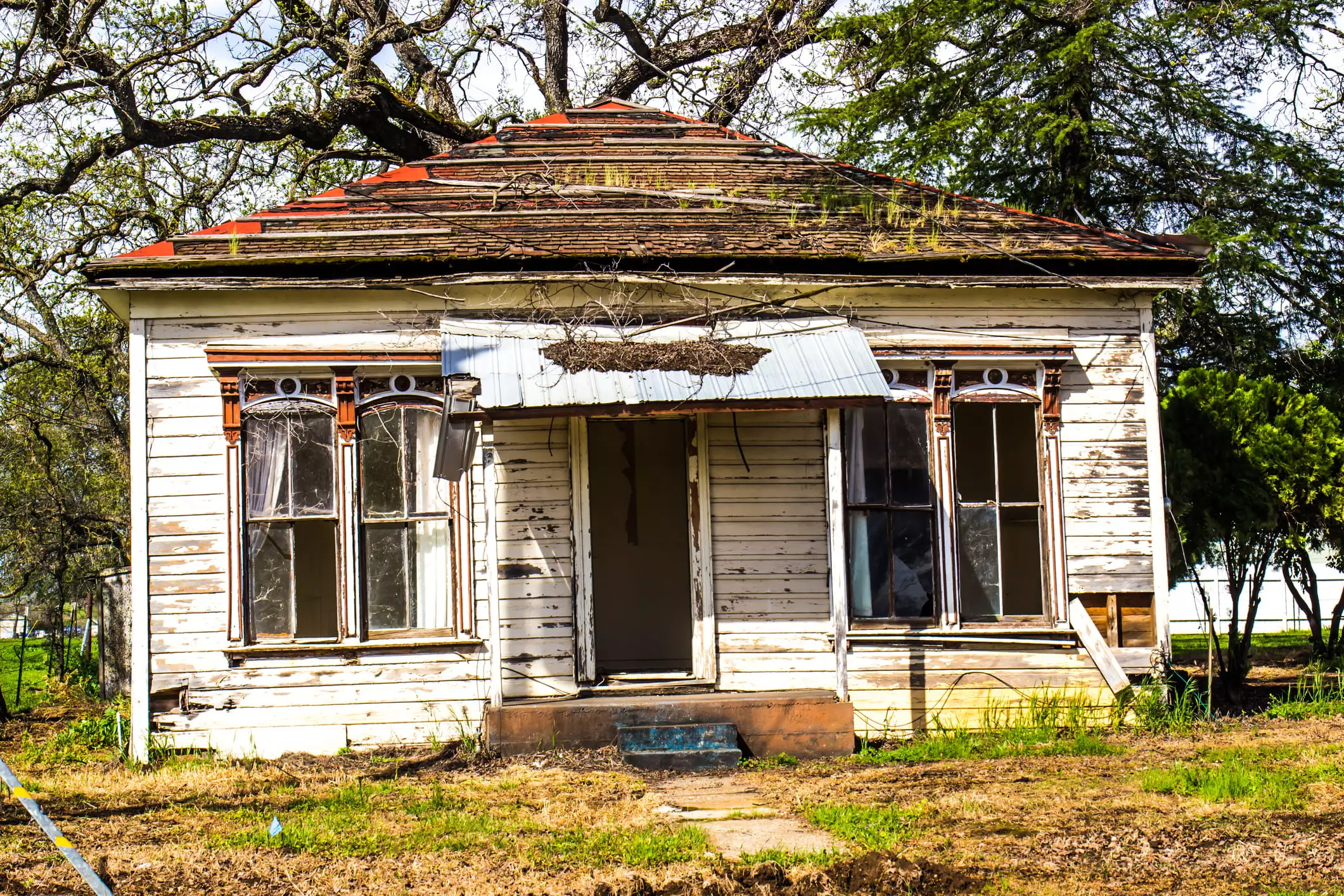
Table of Contents
- Can You Buy or Sell A Condemned Property?
- What Does “Condemned Property” Mean?
- Can You Sell a Condemned House?
- Condemned Property Owner Rights (and Limits)
- How to Sell: Your Options, Step by Step
- Can You Buy a Condemned Property?
- Buyer Due Diligence: What to Check Before You Write an Offer
- Rebuild, Repair, or Raze? A Simple Decision Helper
- Permits, Timelines, and Inspections (Owner or Buyer-Builder)
When you hear that a house has been "condemned," it sounds like a final, hopeless verdict. Images of bulldozers and boarded-up windows come to mind, and many people assume the property is now worthless and utterly unsellable. In reality, that’s not always the case. While condemned properties cannot be lived in, many of them can be sold, bought, or even restored, depending on the property’s condition and local regulations.
Learn about the transactional side of condemned properties: the rules, risks, and realistic pathways, what you can legally do as an owner, how to approach them as a buyer, and what’s required to rebuild or demolish one.
What Does “Condemned Property” Mean?
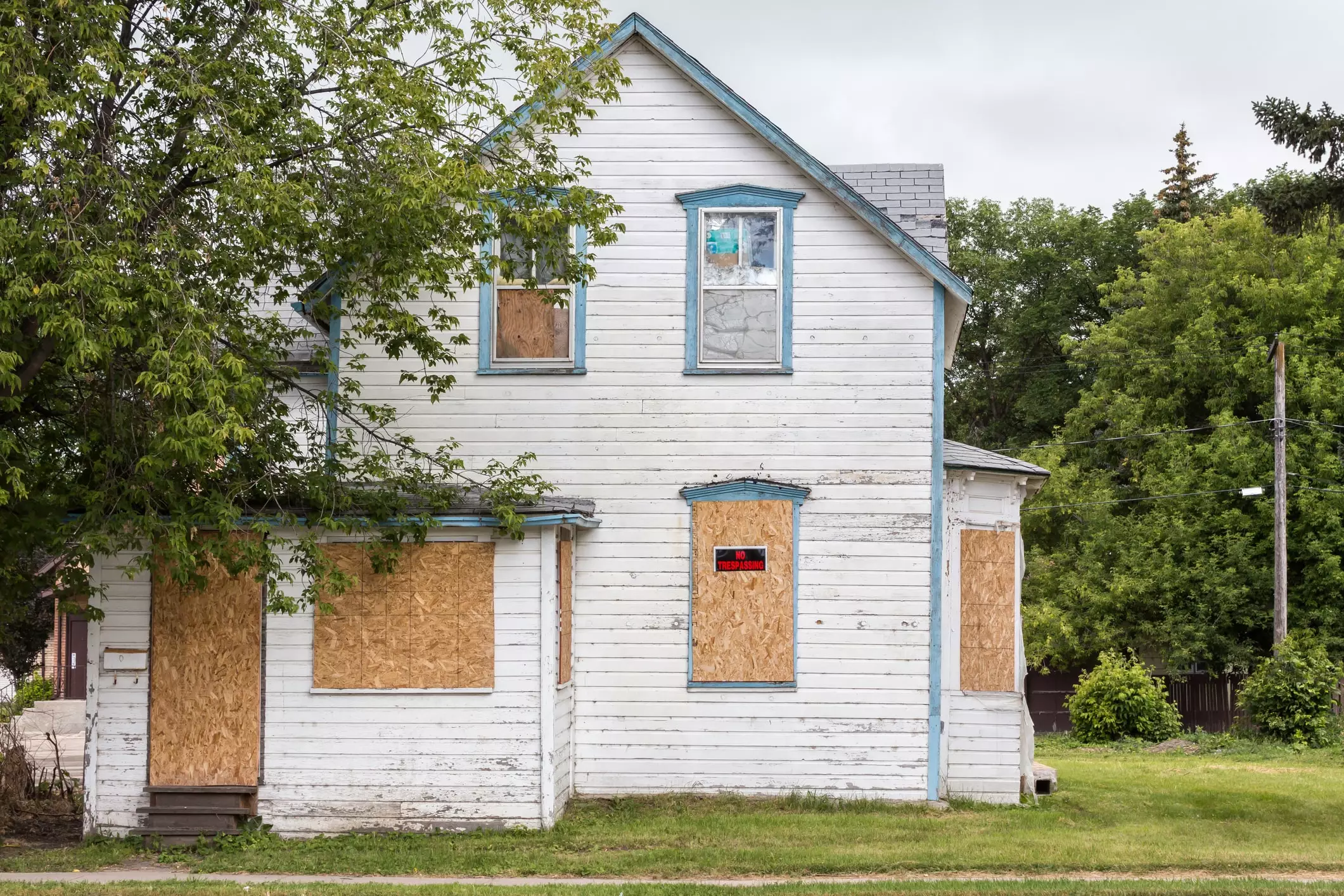
A condemned property is a home or building that has been officially declared unfit for occupancy by a local government agency, usually due to safety violations, structural damage, or extreme neglect. Once this happens, the property cannot legally be lived in until all issues are resolved and the condemnation order is officially lifted. Some common reasons why a property may be condemned include:
- Structural Failure: Severe damage from fire, foundation failure, or structural decay due to neglect.
- Health Hazards: Presence of toxic mold, lead contamination, major sewage backups, or extreme pest infestations.
- Lack of Essential Utilities: Absence of running water, functional electricity, or sewage disposal systems.
- Unaddressed Code Violations: Failure to fix serious code violations after receiving multiple official notices.
- Abandonment: Prolonged vacancy and neglect that results in the property being unsecured or exposed to the elements.
Keep in mind that condemnation is not just for “oldish” homes. For instance, a newly built condo in a luxury high-rise could be declared uninhabitable due to faulty electrical wiring, or a block of townhouses could be deemed unsafe due to soil contamination from a nearby chemical spill.
Can You Sell a Condemned House?
Yes, you can almost always sell a condemned house. As a homeowner, when you receive a condemnation notice, you still own the property title, meaning that you retain the legal right to sell it. However, the process is far more complex than a standard home sale, and there are certain considerations to note:
- Limited buyer pool. Most interested buyers will be investors, flippers, or developers who specialize in purchasing condemned properties for the land value or for rebuilding.
- Disclosure is mandatory. You must disclose the condemnation status and any known hazards to all potential buyers. Failing to do this would be fraud and opens you up to serious legal liability.
- Realistic pricing. A condemned property’s value is typically tied more to the lot or its rehab potential than the existing structure. Forget the value of a move-in-ready home; your selling price should reflect the massive investment the new owner will need to make to bring the property up to code.
- “As is” sale. Condemned homes are almost always sold “as-is,” meaning you are not required to carry out any repairs or restorations before the sale. If the property faces a demolition order, the sale is still possible, but the buyer must agree to remove or rebuild the structure according to city requirements.
Condemned Property Owner Rights (and Limits)
Even if your home is condemned, you don’t lose all your rights as a property owner. Generally, you still maintain ownership of the property, which grants you certain choices:
- You CAN:
- Sell the property or legally transfer ownership.
- Appeal the condemnation (within the stated timeframe).
- Make repairs to bring the property back up to code.
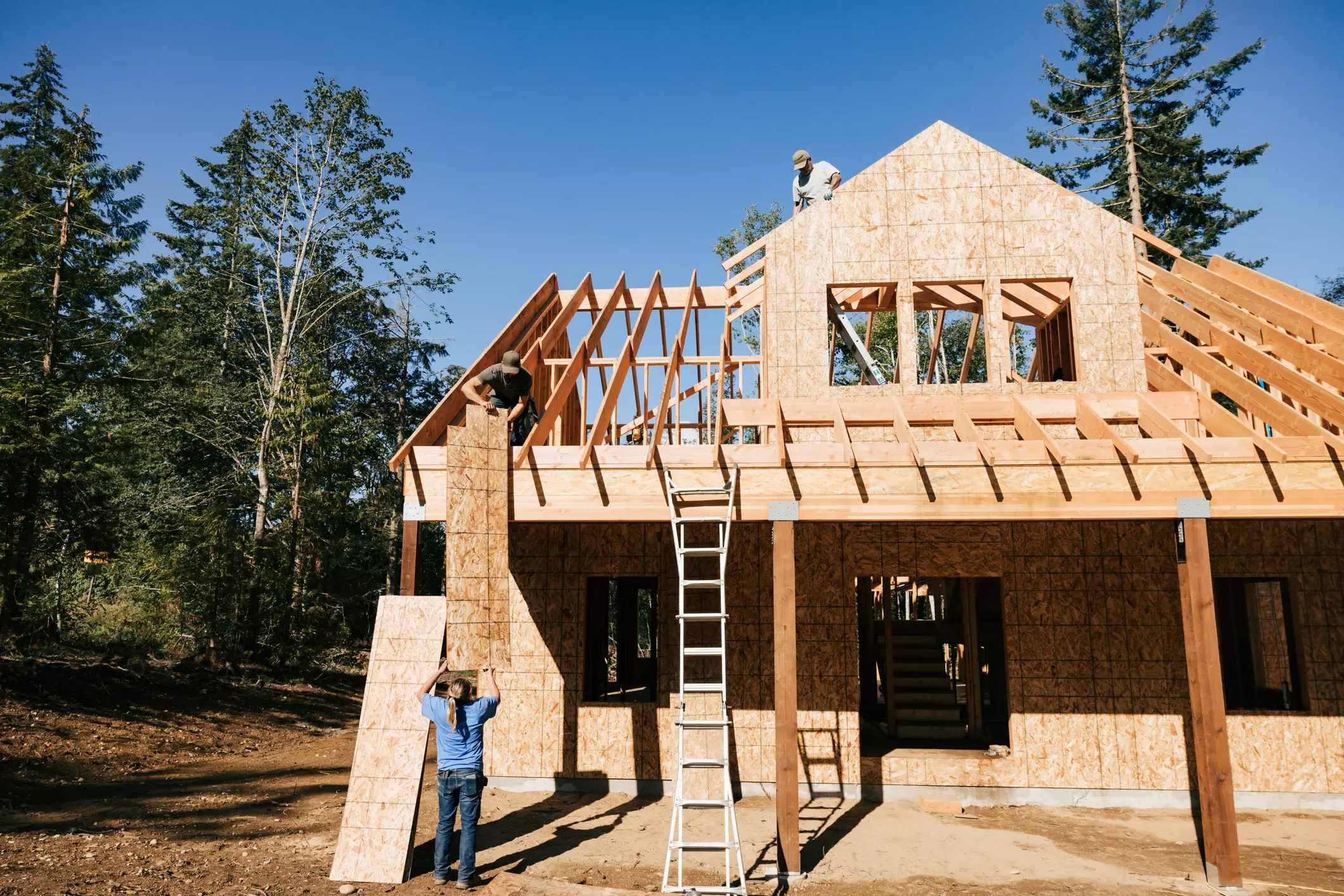
- Rebuild on the lot if demolition occurs and local zoning allows it.
- You CANNOT:
- Live in, rent out, or legally occupy the property until the condemnation order is officially lifted.
- Ignore the condemnation order or make unauthorized repairs without pulling the necessary permits.
In addition, you are legally obligated to address the cited violations within the time specified by the local authority and will be responsible for all costs. This includes securing the property (boarding it up), all repairs or demolition, and any fines or liens the city places on the property for work they are forced to do. You should always check with your local building department or code enforcement office to understand what exactly caused the condemnation and what remedies are possible before you take any action.
How to Sell: Your Options, Step by Step
Selling a condemned house requires transparency and strategy. Here’s a quick step-by-step guide on how to successfully execute a condemned property sale:
- Obtain Official Documentation: Get a copy of the condemnation notice and any inspection reports from the city or county. This documentation is important for understanding the scope of violations and required remedies.
- Confirm what’s allowed and what’s prohibited. Consult with your local building department and find out whether repairs are allowed or if a demolition order has been issued. This determines whether you are selling a fixable structure or just the land.
- Disclose everything. This is mandatory. Include the property’s condemnation status in your listing and seller’s disclosure documentation. Failing to do this could void the sale and also lead to severe legal consequences.
- Price realistically. Condemned houses rarely sell for full market value. Base your asking price on the land value, the cost of the required rehab/demolition, and investor interest, not sentimental or perceived value. You can hire a real estate agent who specializes in distressed or investment properties to help with valuation.
- Market to the right audience. Choosing your buyer wisely is a crucial step when selling condemned properties. Market primarily to real estate investors, flippers, and developers. These buyers are accustomed to "as-is" transactions, understand the risks, and are usually cash-ready, which minimizes financing delays.
- Close with full transparency. Ensure your closing package includes all official notices, code reports, and clear written buyer acknowledgments of the property's condition.
Can You Buy a Condemned Property?
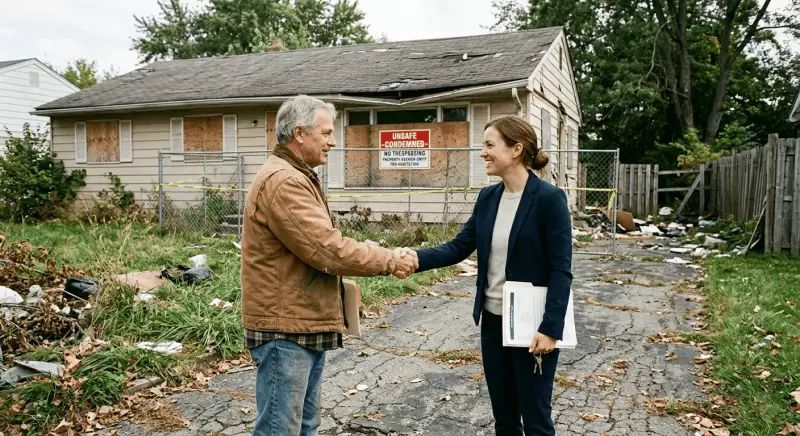
Yes, you can buy a condemned property, but it’s not for the faint of heart. It requires serious due diligence, risk tolerance, and a clear plan for repair or redevelopment. Common buyers of these types of properties include:
- Real estate investors and developers looking for land to build new homes.
- Flippers with the expertise and capital for large-scale renovations.
- Landlords or homeowners seeking a project (often to build their own home).
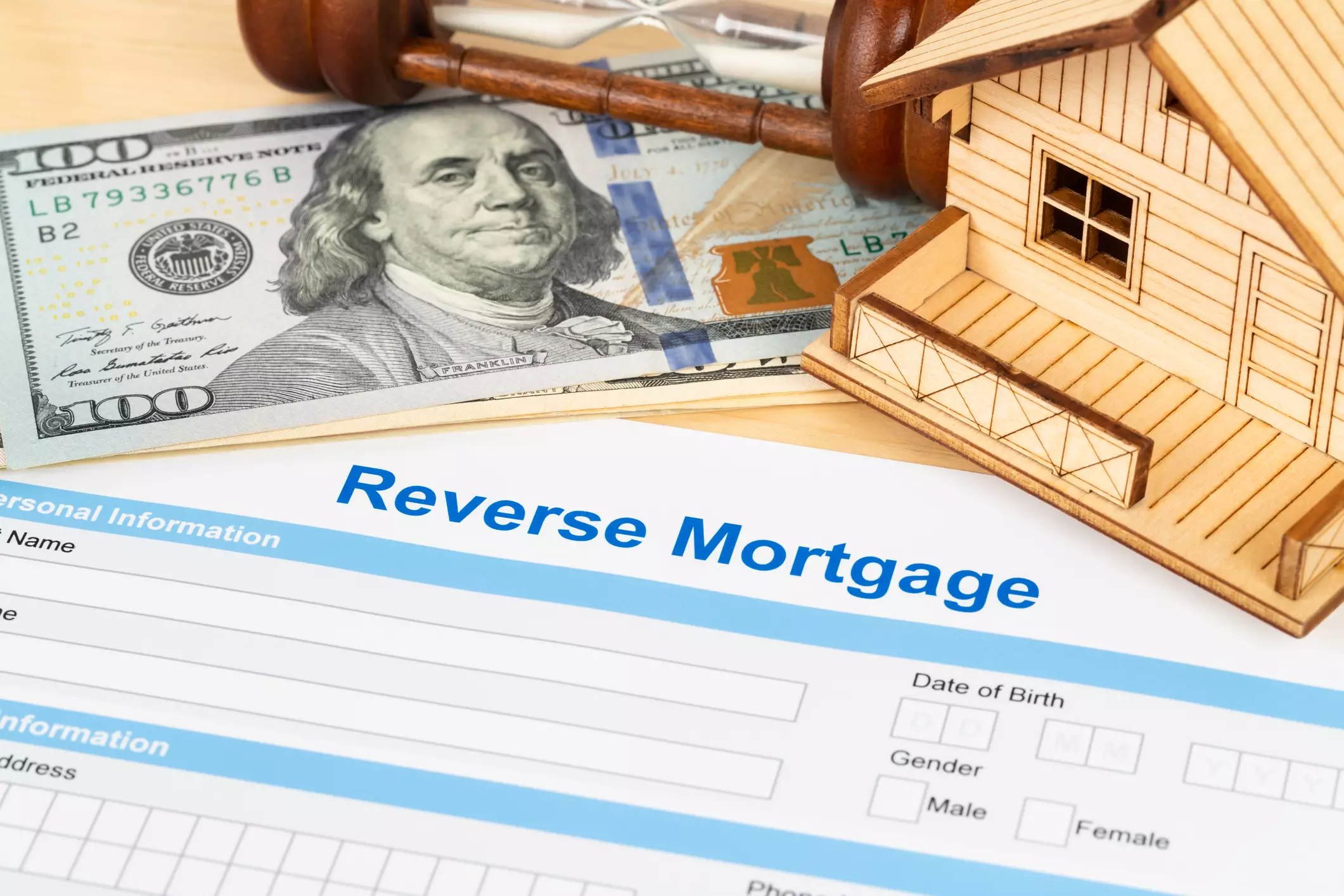
While buying a condemned home can be an opportunity to purchase property at a deep discount and create long-term value, it definitely comes with a lot of hassle. For one, financing can be tricky. Most condemned homes don’t qualify for traditional mortgages. Cash offers are common when it comes to these properties because they eliminate lender restrictions. Buyers often rely on specialized options like hard money loans, private financing, or specific rehab programs such as the FHA 203(k) and Fannie Mae HomeStyle Renovation loans.
Another key thing to remember is that you are buying the problem. The condemnation order and all the required repairs become your responsibility the moment you take ownership of the property. Always verify the local government’s conditions for lifting condemnation; in some cases, major structural work may be required or even full demolition before occupancy is allowed.
Buyer Due Diligence: What to Check Before You Write an Offer
For the right person, buying a condemned property can be a strategic investment. However, doing your homework before you buy is critical; your research is everything. Here’s a practical checklist to follow:
- Confirm Condemnation Status: Get the official condemnation notice and inspection details from the city or county. It will list every violation that must be remedied.
- Determine the Scope of Repairs: Carefully review the repair or demolition requirements and get a clear idea of what must be fixed and by when.
- Get Cost Estimates: Hire a licensed inspector or contractor to assess the damage and estimate the cost of bringing the property up to code. This cost directly dictates what you should pay for the property. It is good practice to get estimates from at least 2 – 3 contractors (if you are considering teardown, also get quotes for demolition, debris removal, and permit fees).
- Check Zoning Laws and Land Use: Confirm what you are legally allowed to build or renovate. Some lots may have size or type restrictions that prevent rebuilding the structure you envision.
- Review Outstanding Liens and Taxes: This is non-negotiable. Check for any unpaid fines, back taxes, or municipal liens (e.g., from the city for boarding up the property). Any existing debts on the property will transfer to you once you buy it.
- Neighborhood Impact: Consider how the property affects or is affected by nearby homes.
- Secure Financing: Standard mortgages won't work. You need to line up cash, a hard money loan, or a construction-specific loan before making an offer.
Rebuild, Repair, or Raze? A Simple Decision Helper
Once you own a condemned property, the next big question is what to do with it. You have three main options: repair, rebuild, or raze (demolish). The decision almost always comes down to economics. Here are tips to help you decide:
- Choose repair if:
- The property's foundation and core structure are still solid.
- It has historical or sentimental value worth preserving.
- The total cost of repairs plus the purchase price is significantly less than the "After-Repair Value (ARV)."
- The city allows repairs to be completed within a reasonable timeframe.
- Rebuild the property (new construction) if:
- The cost to fix the existing structure exceeds the value of new construction.
- The lot is in a desirable area with strong resale potential.
- You want a completely new, modern home design that better suits you.
- Raze (demolish) it if:
- The city has issued a non-negotiable demolition order.
- The structure is too far gone (severe foundation failure, total fire loss, etc.).
- Utilities cannot be safely or cost-effectively restored.
In many cases, demolishing and rebuilding can actually be more efficient and profitable than piecemeal repairs, especially for investors. Think of it as hitting the reset button; sometimes the biggest hurdle is just getting rid of the problem. Regardless, you should always get a contractor’s estimate and confirm you can actually get the necessary permits for what you want to do before committing to any option.
Permits, Timelines, and Inspections (Owner or Buyer-Builder)

Restoring or rebuilding a condemned property always involves working closely with local authorities; there is no way around the permitting process. Here’s what it typically looks like:
- Prepare and Submit Plans: You must start by providing detailed architectural or engineering plans that show how the property will be repaired or rebuilt to meet all current building codes.
- Pull Necessary Permits: You cannot legally start work without obtaining the correct permits (building/construction, electrical, plumbing, mechanical, occupancy, etc.) from the building department.
- Begin Approved Work: Once permits have been issued, you can start the repair or rebuild process. Note that all work must strictly adhere to the approved plans and local codes.
- Schedule Inspections: The city will inspect the work at multiple critical stages (e.g., foundation, framing, plumbing rough-in) to verify that all original code violations are corrected and new work is compliant.
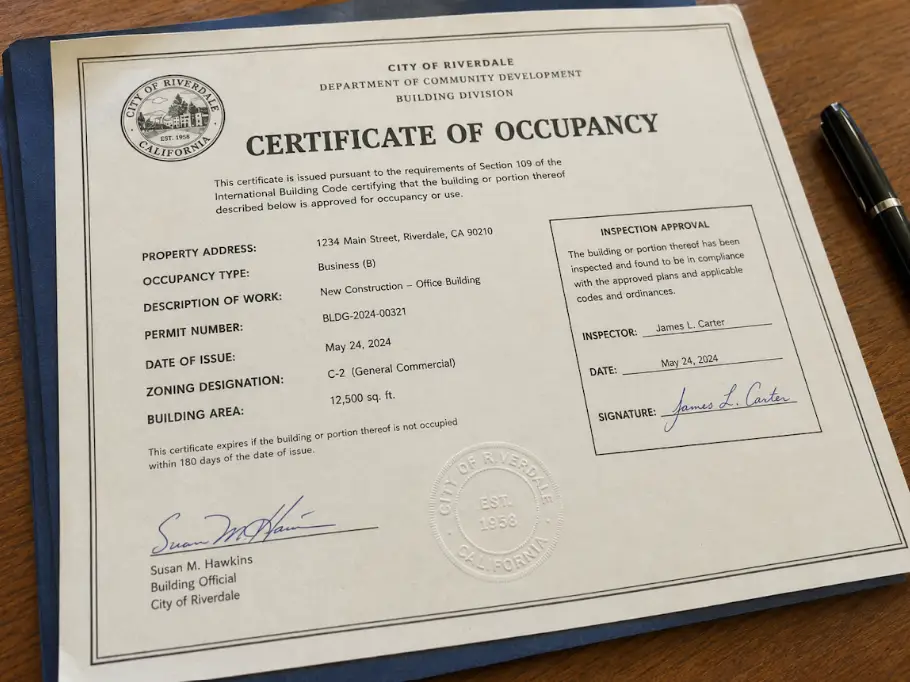
- Final Inspection and Certificate of Occupancy: Once all work passes the final inspection, a Certificate of Occupancy (C of O) will be issued. This legally lifts the condemnation order and is the only thing that allows the property to be inhabited again.
Be prepared for a long project timeline. Depending on the scope of work to be done, the entire process (from purchase to final C of O) can easily take anywhere from a few months to over a year or two. In some situations, the city may impose deadlines for certain aspects of the project, like demolition, securing the structure, or reconnecting utilities. Always verify these specific deadlines with your local building department before investing significant funds. You don't want to get fined for working too slowly.
Condemned properties aren’t automatic write offs, they are just in need of serious attention. For the current owners, this might mean either taking on major repairs to save the home or selling the property “as-is” to a developer or investor. For savvy buyers, it’s a chance to secure land or property at a deep discount. The key is to act with full information: do your due diligence, be clear-eyed about potential costs, understand your rights and responsibilities, and always work with professionals experienced in distressed real estate. When handled correctly, a condemned property can turn from a major liability into a significant opportunity.

Elena Novak leads real estate research and analysis at PropertyChecker.com, where she digs into housing trends, tracks property data, and unpacks investment strategies across the U.S. With a background in flipping homes and a degree in Business and Real Estate Development, she brings a practical, hands-on approach to market analysis. Elena is especially skilled at uncovering hidden property value and guiding both homeowners and investors through shifting market conditions. She's also passionate about sustainable design and smart home innovation. When she's not analyzing the market, she's probably knee-deep in a DIY project, scouting vintage décor, or building something new in her workshop.
Search Property & Deed Records
Table of Contents
- Can You Buy or Sell A Condemned Property?
- What Does “Condemned Property” Mean?
- Can You Sell a Condemned House?
- Condemned Property Owner Rights (and Limits)
- How to Sell: Your Options, Step by Step
- Can You Buy a Condemned Property?
- Buyer Due Diligence: What to Check Before You Write an Offer
- Rebuild, Repair, or Raze? A Simple Decision Helper
- Permits, Timelines, and Inspections (Owner or Buyer-Builder)