How to Find the Parcel Number of an Address
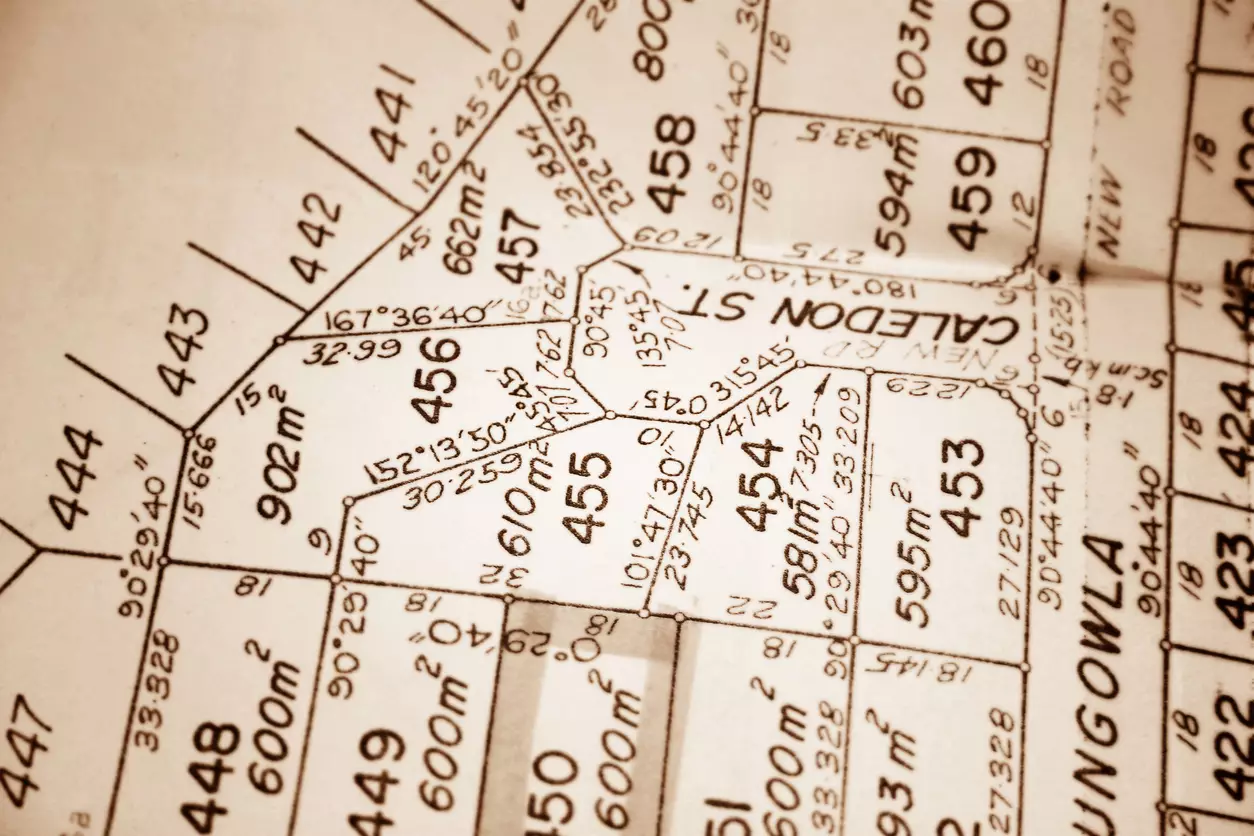
Table of Contents
- How to Find the Parcel Number of an Address
- APN Basics: What “Parcel Number” Means in Real Estate
- How Parcel Numbers Are Structured
- How to Find the Parcel Number of an Address
- Checking Personal Documents
- Using Online Public Resources
- Professional or In-Person Assistance
- FAQs
- The Fastest Way to Find a Parcel Number by Address
- Is APN the Same as Parcel Number or Property ID?
- Can I Find a Parcel Number with Just the Address?
- Why Are There Multiple Parcel Numbers Tied to One Address?
- Do Parcel Numbers Ever Change?
If you’ve ever looked at a property tax bill or real estate paperwork, you’ve probably seen a string of numbers labeled "Parcel Number," "APN," "Parcel ID," or “PIN.” These numbers can look like a secret code, but they are one of the most important identifiers in the world of real estate. Without them, researching tax records, boundary maps, ownership history, assessments, or zoning details becomes much harder.
Here’s the thing: most people don’t think about parcel numbers until they need one and then suddenly realize they don’t know where to find it. The good news is that you can usually locate a parcel number quickly and easily, even if you don’t have official real estate documents in front of you. Here’s everything you need to know about parcel numbers, why they matter, and how to find one fast.
APN Basics: What “Parcel Number” Means in Real Estate
A parcel number is a unique identifier assigned by local governments (usually the county assessor or tax authority) to every piece of land for tracking, taxation, and legal documentation. Think of it as the property’s fingerprint: no two parcels share the same number. Each local government has its own format for assigning these numbers, but the purpose remains the same: to uniquely identify a parcel of land for administrative and legal purposes.
Parcel numbers often include the following components:
- County or district code
- Map book or block number
- Parcel or lot number
- Sublot or unit number (where applicable)
Here’s an example: a parcel number like 123-456-789 might indicate Book 123, Page 456, and Parcel 789 in the county’s official records.
These numbers typically appear on documents related to property taxes and assessments, permits, zoning applications, deed and title paperwork, GIS parcel maps and boundary research, real estate listings, land surveys, and subdivision planning. They are the key to unlocking public data about a property, including ownership history, assessed value, tax information, lot size, and legal boundaries.
Note that different states and counties may use different terms when referring to parcel numbers, which can make searching confusing. However, they all mean essentially the same thing. Here are common examples:
- APN (Assessor’s Parcel Number): This is the most common term used.
- PIN (Property Identification Number): Frequently used in the Midwest region.
- Tax ID Number: Often used for tax assessment and billing records, highlighting its use for property tax assessment.
- Property ID: Often used on GIS systems and assessor lookups.
- Folio Number: Used in some states, like Florida.
How Parcel Numbers Are Structured
Parcel numbers look different depending on the county, but they generally follow a structured, top-down system, starting with broad geographic identifiers (like county or district), then narrowing down to specific map sections, blocks, and finally the individual lot or unit. A common format is “Book/Map-Block-Parcel/Lot,” where:
- Book/Map refers to a large volume or a specific map within the county's plat books.
- Block identifies a specific block within that map, often corresponding to a city block in a subdivision.
- Parcel/Lot pinpoints the exact lot or unit within that block.
For example, in a number like 046-123-00-00, “045” might refer to the book/map, “123” to the block, and “00-00” to the individual parcel (or condo unit).
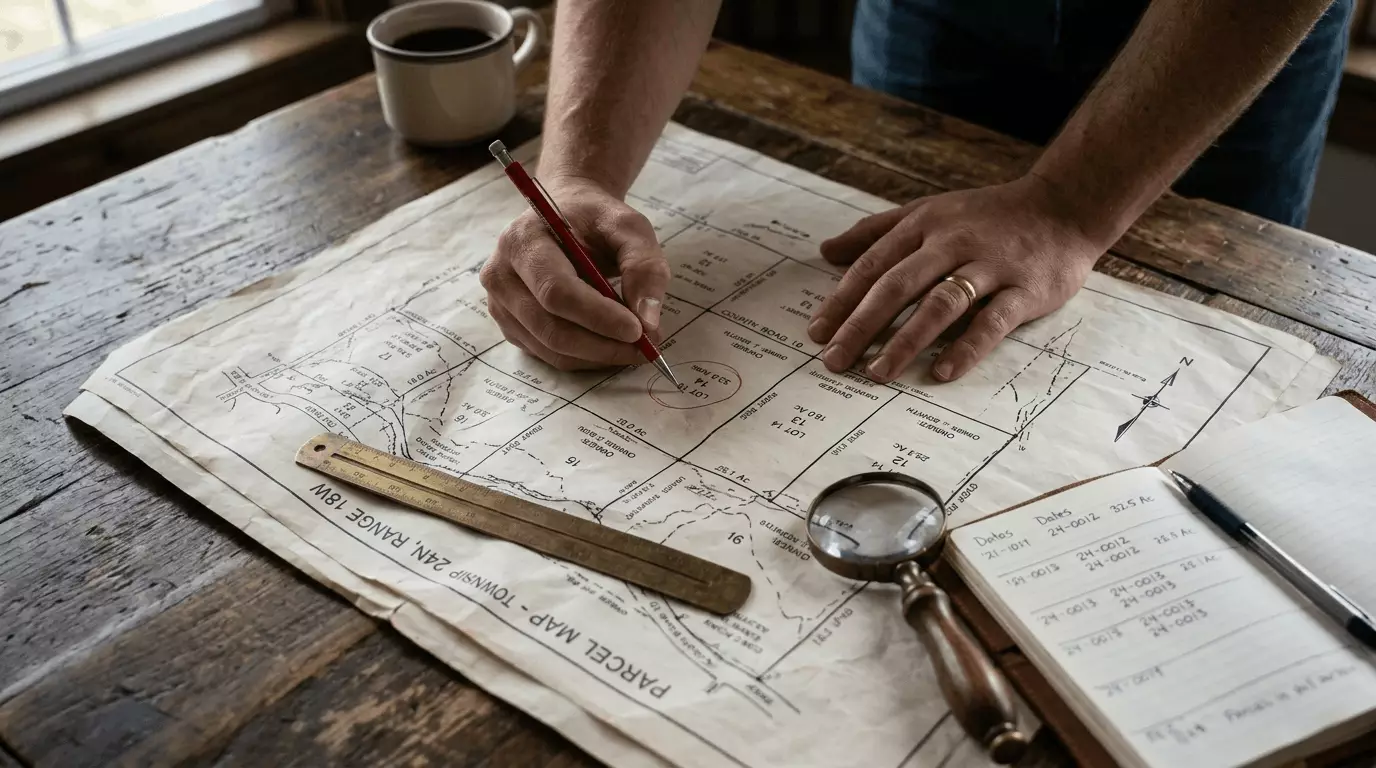
Note that parcel numbers are not the same as street addresses and do not always change when the address does. In rural areas, the format may follow the “Township-Range-Section-Parcel” structure, based on the Public Land Survey System.
You also don’t need to memorize or decode the structure to use a parcel number. However, understanding that it's a logical system, not a random string, can help you verify you have the correct one. Ultimately, what truly matters is being able to locate the correct unique number and reference it correctly.
How to Find the Parcel Number of an Address

The fastest way to find a parcel number is usually through your real estate documents (if you are the property owner) or by using the local county's public online portals.
Checking Personal Documents
- Check your property tax documents. This is the easiest and most straightforward method. The number is almost always prominently displayed at the top of your property tax bill, tax assessment notice, or online tax payment portal. Look for labels like "APN," "Parcel ID," "Tax ID," or "Account Number."
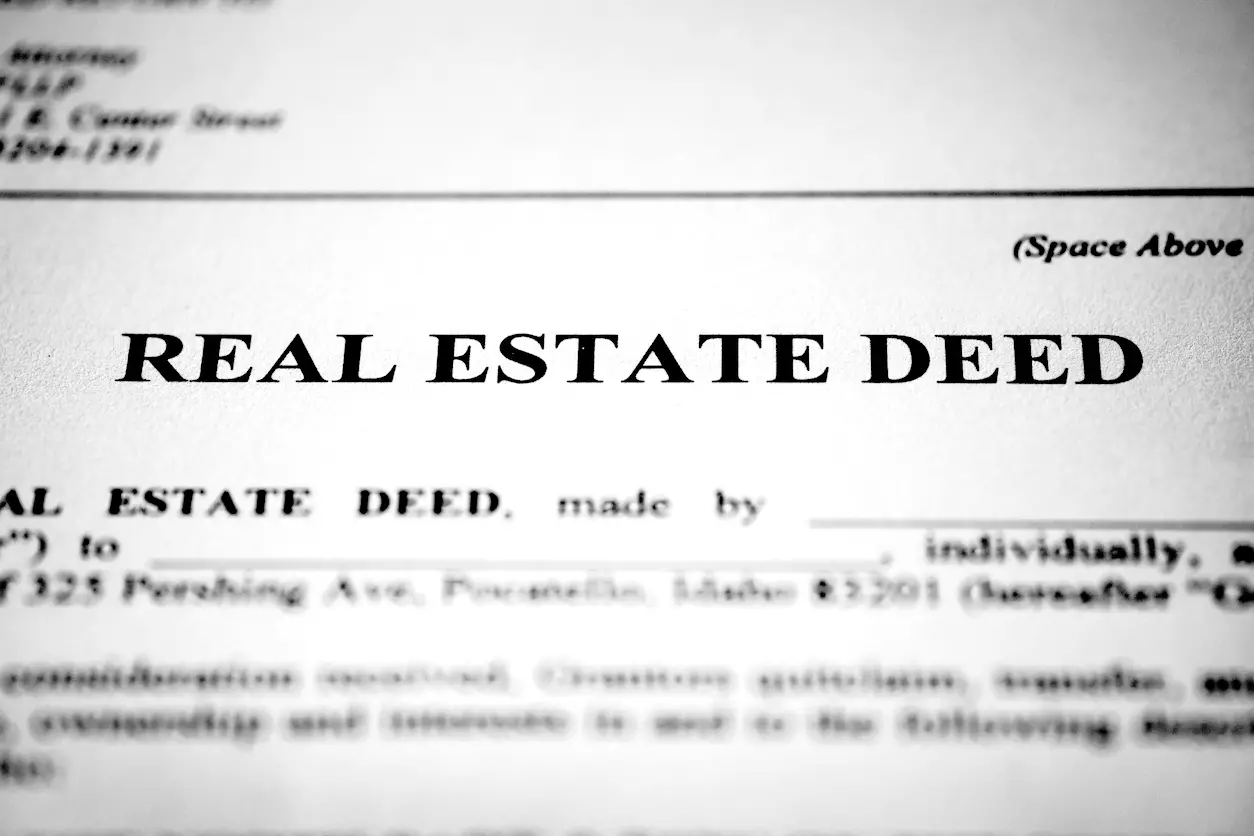
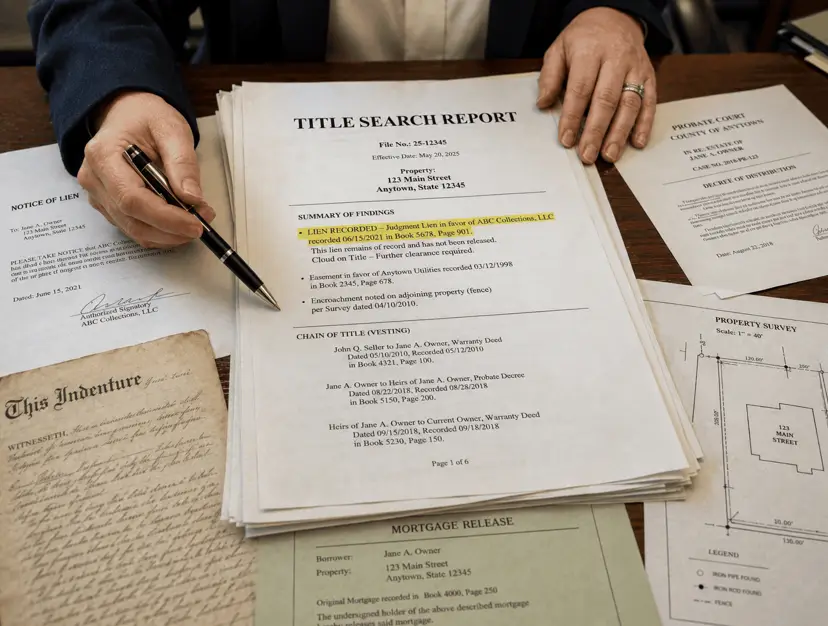
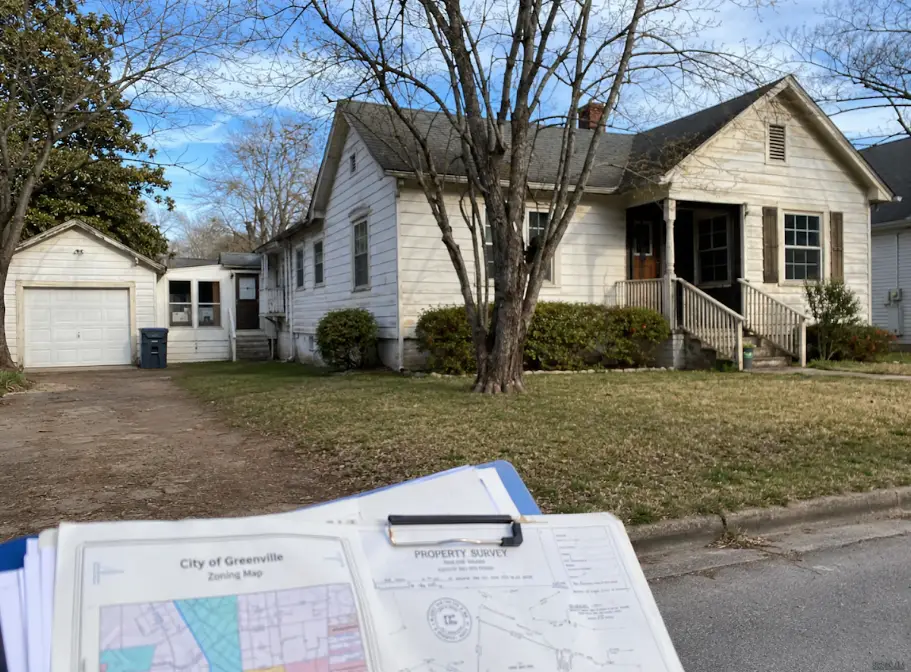
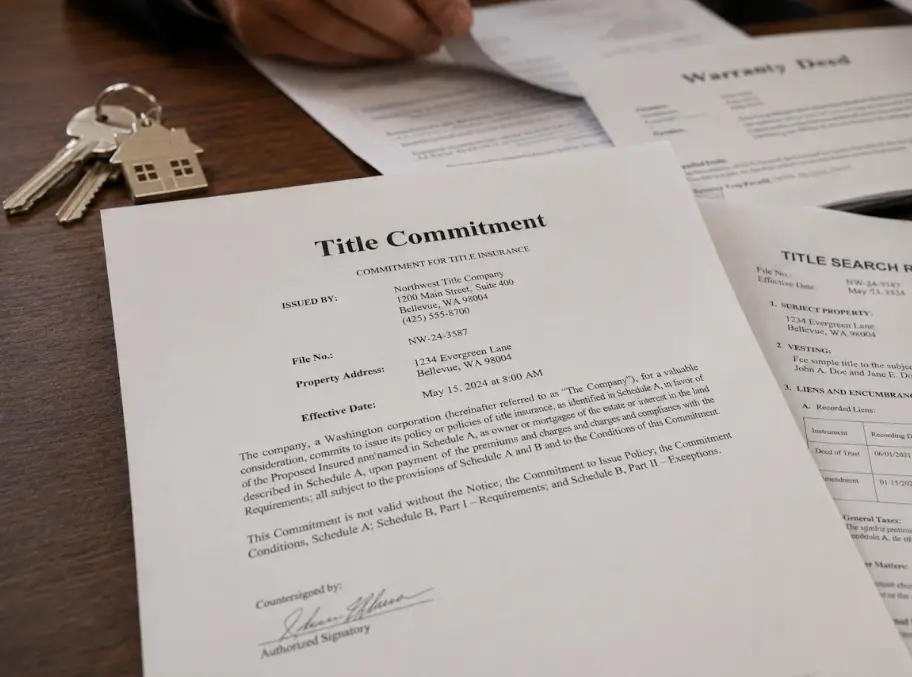
- Look at your deed paperwork or closing documents. Your deed from the home closing will have the parcel number listed, often in the top section where the property is legally described. Your title insurance policy, settlement statement/closing disclosure, and survey/plat map will also contain it.
- Check a recent mortgage statement. Lenders use the parcel number to ensure they are billing the correct property. Look for it in the account summary section of your monthly or annual mortgage statement.
Using Online Public Resources
- Use the county assessor's website. This is the fastest way for the general public to find a parcel number for any property and is usually the go-to method for most people:
- Step 1: Google "[county name] county assessor property search."
- Step 2: Navigate to the official website (usually a .gov or .us domain).
- Step 3: Use the public search tool on the website. Almost all county assessor offices offer an online tool that you can use to search for property information by the property's street address. You may also have the option to search by owner name.
- Step 4: Once you find the property, the parcel number will be clearly listed in the summary information.
- Use a county GIS (parcel map) system. Many counties combine their property search tool with a Geographic Information System (GIS) map. Just search for “[county name] GIS map.” You will be presented with an interactive map. Type the address into the search bar, and the map will zoom to the property. Click on the parcel, and an information box will pop up, displaying the parcel number, along with other details like acreage and zoning.
Professional or In-Person Assistance
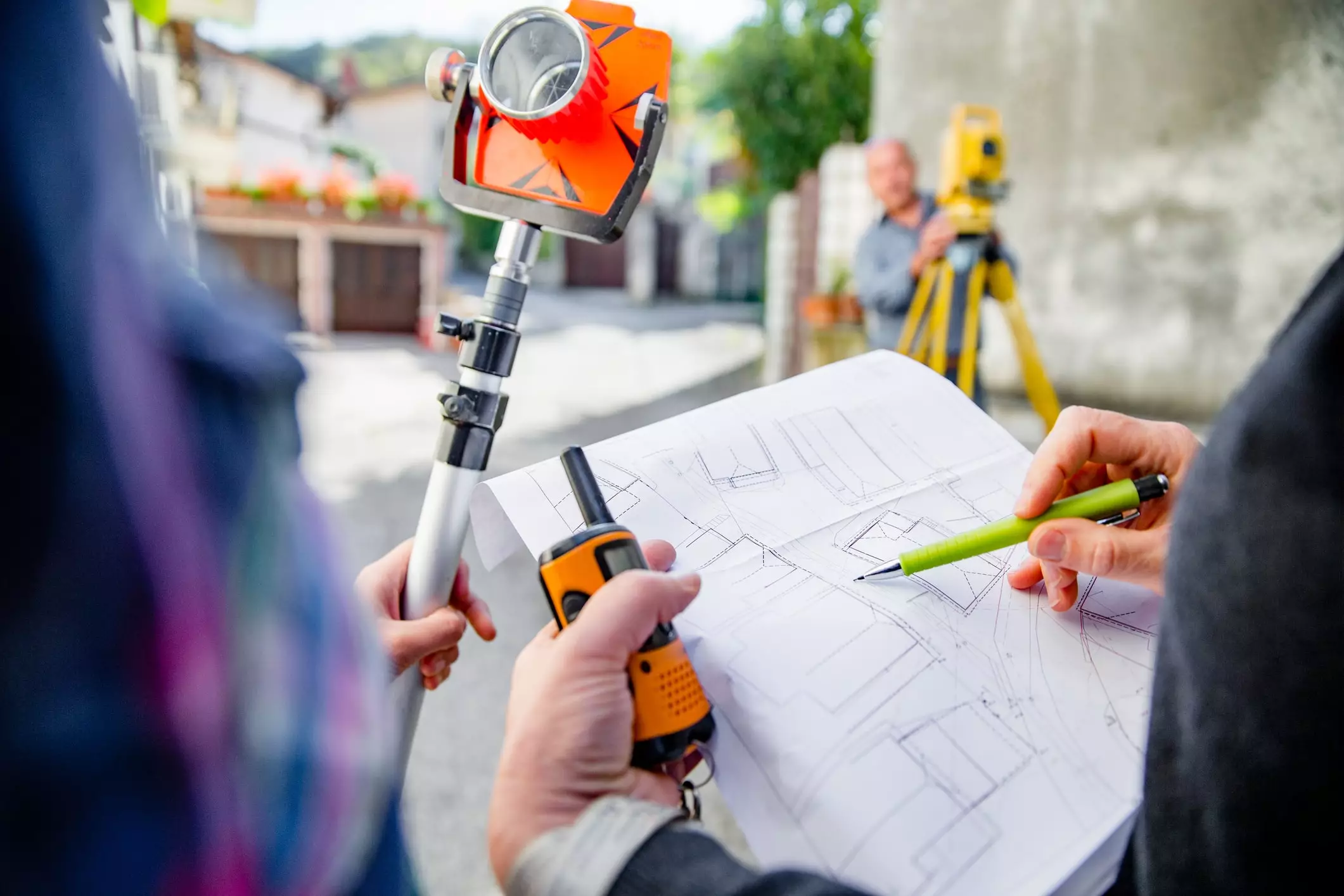
- Ask a title company, surveyor, or real estate agent. They typically have access to data systems that they can use to quickly look up the parcel number for any address.
- Visit the county assessor or recorder's office. If online methods fail, you can visit the relevant county assessor's or recorder's office. County staff are usually available to help you look up the parcel number for you in official records. You can also try calling or emailing the office before heading there in person; they may be able to provide the information without requiring an in-person visit.
FAQs
The Fastest Way to Find a Parcel Number by Address
The quickest method is usually through your county assessor’s website or GIS parcel map. A simple online search will get you to the right page, and you can typically find the number in under a minute.
Is APN the Same as Parcel Number or Property ID?
Yes, APN (Assessor's Parcel Number), parcel number, and property ID are often used interchangeably, and they all refer to the same unique identifier assigned to a parcel of land.
Can I Find a Parcel Number with Just the Address?
Absolutely. This is the primary and most common way to search the public databases provided by most county assessor and land records offices.
Why Are There Multiple Parcel Numbers Tied to One Address?
This can happen for several reasons, such as:
- A condo building sits on one large parcel, but each unit has its own parcel number for tax purposes.
- A large property has been subdivided into smaller lots, each with a new parcel number.
- A property spans two or more legally distinct parcels, each with its own parcel number (this is common with large residential lots, side lots/undeveloped land, and combined parcels that haven’t been formally merged).
- The land has different zoning designations or ownership histories, requiring separate tracking.
Do Parcel Numbers Ever Change?
Yes, but it's not common. Parcel numbers typically only change when there is an official action that alters the property, such as:
- Subdividing one parcel into two or more
- Combining multiple parcels into one
- A county-wide renumbering or reassessment initiative
A parcel number might seem like just another piece of bureaucratic data, but it’s actually one of the most important identifiers in real estate and is essential for linking a physical property to all its legal, financial, and administrative records. Knowing how to find this number is a simple but powerful skill that gives you access to valuable information on any home or piece of land. With just an address and a few clicks, you can uncover ownership details, tax history, zoning info, and more. And if you ever hit a roadblock, you can always turn to a real estate professional or county staff for help.

Elena Novak leads real estate research and analysis at PropertyChecker.com, where she digs into housing trends, tracks property data, and unpacks investment strategies across the U.S. With a background in flipping homes and a degree in Business and Real Estate Development, she brings a practical, hands-on approach to market analysis. Elena is especially skilled at uncovering hidden property value and guiding both homeowners and investors through shifting market conditions. She's also passionate about sustainable design and smart home innovation. When she's not analyzing the market, she's probably knee-deep in a DIY project, scouting vintage décor, or building something new in her workshop.
Search Property & Deed Records
Table of Contents
- How to Find the Parcel Number of an Address
- APN Basics: What “Parcel Number” Means in Real Estate
- How Parcel Numbers Are Structured
- How to Find the Parcel Number of an Address
- Checking Personal Documents
- Using Online Public Resources
- Professional or In-Person Assistance
- FAQs
- The Fastest Way to Find a Parcel Number by Address
- Is APN the Same as Parcel Number or Property ID?
- Can I Find a Parcel Number with Just the Address?
- Why Are There Multiple Parcel Numbers Tied to One Address?
- Do Parcel Numbers Ever Change?