What Are the Different Types of Investment Properties?

Table of Contents
- What Are the Different Types of Investment Properties?
- What Counts as an “Investment Property”?
- What’s the Best Type of Property to Invest In?
- Residential Investment Properties (Most Common)
- Single-Family Rentals (SFRs)
- Small Multifamily Units (2–4 Units)
- Short-Term/Vacation Rentals (STRs)
- Mid-Size/Apartment Buildings (5+ Units)
- Condos
- Townhouses
- ADUs & House Hacking Strategy
- Commercial Investment Properties
- Office Buildings
- Retail Properties (Street, Strip, Neighborhood Centers)
- Hospitality (Hotels/Motels)
- Mixed-Use Properties
- Industrial Investment Properties
- Warehouses & Distribution Centers
- Light Manufacturing/Flex Spaces
- Land, Specialty & Passive Investment Property Options
- Raw Land & Development Plays
- Mobile Home Parks
- Self-Storage Facilities
- Senior or Student Housing
- REITs (Real Estate Investment Trusts)
- Real Estate Crowdfunding
- Syndications & Partnerships
- How Do These Property Types Compare? (At-a-Glance)
- FAQs
- What Is the Best Investment Property for Beginners?
- Which Property Types Have the Highest Cash Flow?
- Which Are the Safest During a Downturn?
- Can I Invest With Little Money?
- Are Short-Term Rentals Still Worth It With New Regulations?
- How Many Reserves Should I Keep for Rentals?
- Do I Need an LLC to Buy an Investment Property?
Real estate investing can often feel overwhelming, like entering a bustling city for the first time with countless streets to explore and no map. It’s easy to get lost.
There are so many options, from rental homes and multifamily buildings to office spaces, short-term rentals, and even self-storage facilities or land; each has its own risks, rewards, and time commitments. The good news? You don’t need to master them all. The key to success is understanding the main types of investment properties, how they make money, and which one fits your specific goals, budget, and comfort level.
Whether you’re just starting out or exploring new strategies, here’s your roadmap to understanding the different types of investment properties available today.
What Counts as an “Investment Property”?
An investment property is any real estate that you purchase primarily to generate a financial return, rather than for personal use as your primary residence. These returns can come in several forms:
- Rental Income (Cash Flow): The net monthly income left over after collecting rent and covering all expenses (mortgage, taxes, insurance, maintenance).
- Appreciation: The increase in the property's market value over time. You can also use strategic renovations or improved management to boost this value (forced appreciation).
- Equity Paydown: As your tenant pays rent that covers your mortgage, you're effectively paying down the loan balance and increasing your ownership stake in the property.
- Tax Benefits: Deductions for expenses like mortgage interest, depreciation, and repairs.
What’s the Best Type of Property to Invest In?
There is no single “best investment property” for everyone. The right choice depends on your goals and unique situation. You can start by asking yourself the following questions:
- What are my financial goals (steady cash flow or long-term value growth)?
- What is my budget and access to financing?
- Am I comfortable managing tenants or short-term rentals?
- Do I want to be hands-on or hire a property manager?
- What is my risk tolerance?
Answers to these questions can help you reach a decision on your next steps.
Residential Investment Properties (Most Common)
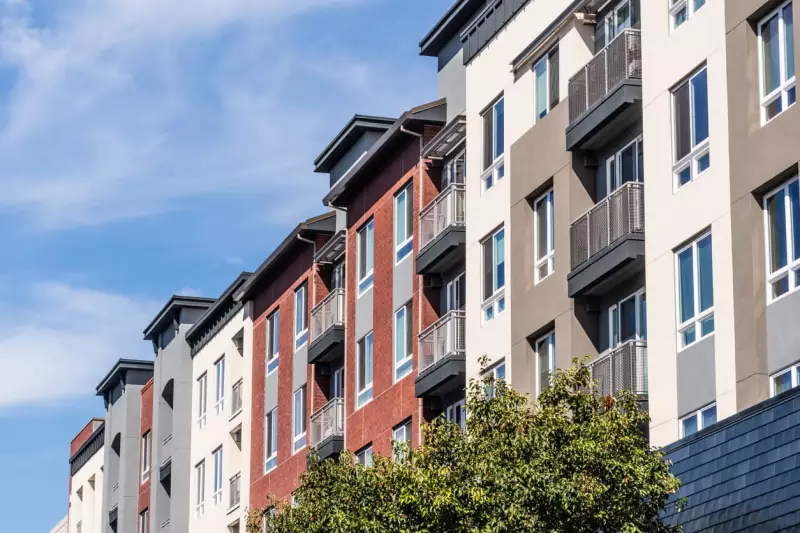
Residential properties are usually the starting point for most investors. They are familiar, relatively easier to finance, and appeal to broad tenant markets.
Single-Family Rentals (SFRs)
Single-family rentals are standalone homes designed for one tenant or family. They are usually in high demand from stable tenants and are significantly easier to finance and sell compared to larger properties. However, there is a vacancy risk if the tenant leaves (one empty unit = no income). You will typically have to bear all costs for maintenance (roof, HVAC, etc.).
These types of properties are ideal for beginners seeking stable appreciation and moderate cash flow, as well as first-time investors who want a relatively hands-on experience and are building a portfolio one door at a time.
Small Multifamily Units (2–4 Units)
Small multifamily units (duplexes, triplexes, and fourplexes) strike a balance between income and manageability. They offer multiple income streams, which significantly reduces the vacancy risk associated with SFRs. Also, they are easier to scale, and still qualify for residential financing.
Furthermore, they are “house hacking” friendly, meaning that you can live in one unit and rent others. However, they require more management than an SFR due to multiple tenants and their maintenance requests. They usually have a higher purchase price, and inventory can be limited in high-demand markets.
Small multifamily units are ideal for investors ready to grow beyond single units or looking to reduce their own housing costs while earning rent and building equity.
Short-Term/Vacation Rentals (STRs)
STRs are properties rented for short periods (days or weeks). Think Airbnb, VRBO, or local vacation homes. These investments offer flexible pricing and use (you can occupy the rental during downtimes), plus the potential for much higher rental income compared to traditional long-term leases. However, they have quite significant drawbacks. For one, income is highly volatile and seasonal. Also, STRs require intensive, hands-on management (cleaning, guest communication, turnover), and they are subject to increasing and unpredictable local regulations that can abruptly limit or prohibit operations.
Short-term/vacation rentals are best for investors in high-demand tourist areas who are comfortable with regulatory risk and are prepared to either manage the property actively or outsource to a professional manager.
Mid-Size/Apartment Buildings (5+ Units)
Apartment buildings (residential properties with more than four units) are professional-grade investment properties with significant cash flow potential, economies of scale (cost savings from shared maintenance, utilities, and management), and highly predictable income. The main drawbacks are the higher barrier to entry compared to smaller residential buildings. They also typically require commercial financing (which means stronger credit standards, larger down payments, and higher interest rates) and demand professional property management or significant operational expertise.
Apartment buildings are best suited for experienced investors or investment groups with significant capital who are seeking long-term cash flow and are committed to scaling their portfolio and treating the investment as a dedicated business.
Condos
Condos are individual units within a larger building or complex. The owners of each unit share responsibility for common areas and amenities, like hallways, pools, and gyms, through a homeowners' association (HOA).
They are often cheaper than single-family homes with more hands-off management, since the HOA handles exterior maintenance and common area upkeep. However, you will have to pay mandatory monthly fees to the association and must also abide by its rules, which can dramatically limit your investment flexibility (some HOAs may impose rental terms or even prohibit short-term rentals entirely).
Condos are best suited for passive investors, first-time buyers seeking lower entry costs, and those targeting long-term rentals in urban markets with high rental demand.
Townhouses
Townhouses are multi-level homes that share one or more walls with neighboring units and are often part of a community with shared maintenance agreements. They provide a desirable balance for certain investors by offering more autonomy than condos (often having less restrictive HOAs or none at all) and more space than apartments, while requiring less exterior maintenance than a detached single-family home. On the flip side, shared walls usually mean less privacy than detached homes. Plus, you must still contend with community rules if an HOA is present.
Townhouses are attractive investments for hands-on investors who want greater control over property management, renovations, and rental terms, and are especially popular in suburban or urban fringe areas where space is valued.
ADUs & House Hacking Strategy
Accessory dwelling units (ADUs) are small, independent living spaces, like converted garages or basement apartments, located on the same lot as a primary home. They are a powerful tool for “house hacking” (a real estate investment strategy where the owner lives in one unit/part of a property while renting out the others). This strategy offers low entry cost, easy management (since you are on site), and the added income helps offset mortgage and build equity faster. However, you have to be comfortable with shared spaces and living near tenants.
ADU house hacking is perfect for new investors who want to “test the waters” of real estate ownership or significantly offset their primary housing costs. Note that many cities and municipalities have strict ADU-zoning rules and restrictions, and you should research local ordinances before investing.
Commercial Investment Properties

Commercial properties are used for business purposes and often offer higher returns than residential ones, but they also come with more upfront costs and complexity.
Office Buildings
Office buildings are spaces leased to companies and professionals. They typically offer a predictable income stream from long-term leases with stable, creditworthy tenants. Many leases also include expense escalation clauses that pass rising operating costs on to tenants, which helps protect the owner’s returns. However, office investments are highly sensitive to economic cycles and remote-work trends, which can lead to significant vacancies during downturns. Another drawback is the high cost of customizing and retrofitting spaces for new tenants. To keep up with changing tenant demands, some owners are turning to flexible office space as an alternative to traditional long-term leases.
This type of investment property is ideal for experienced investors with substantial capital, high risk tolerance, a clear understanding of local business trends, and the ability to secure long-term, creditworthy corporate tenants.
Retail Properties (Street, Strip, Neighborhood Centers)
These include neighborhood strip malls, standalone stores, mixed retail hubs, and large shopping centers. Like office buildings, these properties also have the potential for long-term leases that include triple-net terms (tenants cover taxes, insurance, and maintenance). They are also vulnerable to economic cycles and e-commerce competition, and are heavily reliant on local economic health and consumer spending habits.
Retail property investments are best suited for high-traffic areas with strong local demand; you should also have a strong grasp of consumer and retail trends in the area and be comfortable analyzing business and location fundamentals.
Hospitality (Hotels/Motels)
Hospitality investment properties are lodging businesses that run like a nightly rental but as a full-scale operation. They have a high revenue potential, with daily rate flexibility; however, they are also extremely operational and management-intensive, highly competitive, and very sensitive to travel trends and the economy. These types of investment properties are best for investors with experience in hospitality or large capital reserves.
Mixed-Use Properties
Mixed-use properties combine commercial and residential spaces, such as apartments built above street-level retail shops. This structure offers highly diversified income streams (reducing risk if one sector struggles) and creates desirable, walkable communities. However, financing and managing these types of properties can be quite complex, and local zoning regulations can further complicate new projects.
Mixed-use properties are best suited for experienced investors or development groups with the capital and operational knowledge required to handle varied tenant needs and navigate complex regulatory environments.
Industrial Investment Properties

Industrial properties are generally used for manufacturing, storage, distribution, or logistics. These types of investment properties have surged in demand thanks to e-commerce and logistics growth. They typically feature long-term leases, stable tenants, and low maintenance, making them ideal for investors seeking predictable income and scalability.
Warehouses & Distribution Centers
Warehouses and distribution centers are industrial properties used for storing and moving goods. These properties offer long-term, reliable tenants, low tenant turnover, and steady income with minimal maintenance requirements.
A major drawback is that they require a very high initial investment. Location is also critical; the property must be strategically positioned near major transportation hubs to be successful.
These types of properties are ideal for capital-rich investors seeking a stable, long-term, "set-and-forget" type of asset with low tenant turnover.
Light Manufacturing/Flex Spaces
Light manufacturing/flex spaces are properties that combine office, showroom, and manufacturing areas. These spaces attract a diverse range of small-to-mid-sized business tenants and can often command higher rents than pure warehouse spaces. However, they are also more complex than standard warehouses.
Flex spaces often require specific utility hookups, and their varied tenant base demands more active relationship management. You must also carefully factor in local zoning and environmental considerations before investing.
These types of properties are best suited for investors with industrial market insight and a moderate risk appetite who are prepared to handle increased operational complexity.
Land, Specialty & Passive Investment Property Options

In addition to traditional residential, commercial, and industrial properties, you can also consider certain alternatives that offer unique advantages (and risks as well).
Raw Land & Development Plays
This involves buying either raw land or entitled land (land with government approvals for specific development) with the goal of developing it yourself or selling it to a developer. Land investments require patience and vision; they don’t produce cash flow right away, but can appreciate dramatically over time. You can approach this investment in one of two ways:
- Strategy 1: Hold the Raw Land. This one is very low maintenance, with minimal holding costs and a potential for very high returns if zoning is secured and development proceeds. However, there will be no cash flow while holding the asset, and it is also highly speculative, with the risk of zoning or environmental restrictions. This play is suitable for patient investors with a high-risk tolerance, deep knowledge of local development processes, and a long-term outlook.
- Strategy 2: Develop the Land. Here, you take care of the land yourself (add infrastructure like roads and utilities or subdivide it into parcels for resale). This play has a high profit potential and drives community growth, but is also capital-intensive, complex, and heavily regulated. This strategy is suitable for experienced investors who are knowledgeable about zoning, permitting, and construction management.
Mobile Home Parks
These are communities where investors rent out land to owners of manufactured homes. This investment is ideal if you are focused on steady income and scalable operations in affordable housing niches, and it features high cash flow, low turnover and consistent demand for affordable housing. However, it requires specialized management and compliance with unique regulations; there is also a certain stigma associated with mobile home parks, which you may have to contend with.
Self-Storage Facilities
Self-storage has become increasingly popular due to its recession resilience. Facilities are low maintenance, with minimal tenant interaction and stable demand across economic cycles. They are ideal for investors who want a semi-passive, system-driven income with low overhead. However, this investment requires strong location analysis and marketing to maintain occupancy.
Senior or Student Housing
These are purpose-built or adapted properties with defined tenant bases. They typically have high occupancy rates and strong demand in targeted markets, sometimes outperforming traditional rentals, but are management-intensive and dependent on proximity to universities or retirement hubs. Senior or student housing investment properties are ideal for niche investors with access to institutional markets (universities, colleges, retirement hubs, etc.).
REITs (Real Estate Investment Trusts)
REITs are publicly traded companies that own and manage real estate portfolios. They are a great option for those looking for real estate exposure without being a landlord; you can simply buy shares in the trust (like stocks). REITs offer high liquidity, regular dividends, and no property management responsibilities; on the flip side, they are subject to market volatility, and you have no direct control over the properties.
Real Estate Crowdfunding
Another option for investing in property without being a landlord is by buying fractional shares in real estate projects through an online platform. Real estate crowdfunding offers access to large commercial or development deals for a low minimum investment and is ideal for semi-passive investors willing to research platforms and diversify across projects. A major drawback is limited control over property; returns also depend on project success.
Syndications & Partnerships
This involves groups of investors pooling funds under a professional sponsor to acquire and manage large properties. This play offers access to high-value assets and passive ownership with professional management. However, there are usually long holding periods and limited control over decisions. Real estate syndications and partnerships are ideal for accredited or experienced investors who want access to large commercial deals but don't have the time or expertise to lead them and are comfortable delegating operations.
How Do These Property Types Compare? (At-a-Glance)
Here is a quick summary of how the different types of investment properties compare against each other:
|
Investment Type |
Entry Cost |
Management Intensity |
Income Potential |
Risk Level |
Traits |
Ideal For |
|
Single-Family Rentals |
Low-Moderate |
Moderate |
Moderate |
Low |
Simple to manage, widely available, easier financing |
Beginners |
|
Small Multifamily |
Moderate |
Moderate-High |
Moderate-High |
Medium |
Multiple income streams, residential financing still applies |
House hackers, stability seekers, and investors looking to increase cash flow without jumping into commercial territory |
|
Short-Term/Vacation Rentals |
Varies |
Very High |
Very High |
High |
High nightly rates, seasonal demand, regulatory risk |
Hands-on investors looking to maximize income in tourist-heavy areas |
|
Apartment Building |
High |
High |
High |
Medium |
Commercial financing, economies of scale, and professional management are often required |
Experienced investors, portfolio scaling |
|
Commercial (Office/Retail) |
High |
Low-Moderate |
High |
Medium-High |
Long-term leases, tenant pays expenses (NNN), sensitive to economic cycles |
Long-term investor comfortable with market shifts and larger capital commitments |
|
Commercial (Hospitality) |
High |
High |
High |
High |
Highly competitive, sensitive to travel trends and economic cycles |
Experienced investors with large capital |
|
Commercial (Mixed-Use) |
Medium |
High |
Moderate-High |
Medium |
Diversified income, complex management |
Experienced investors with capital reserves and regulatory knowledge |
|
Industrial |
High |
Low |
Moderate-High |
Low |
Long leases, low maintenance, stable tenants |
Investors seeking predictable income with minimal oversight and exposure to logistics or manufacturing |
|
Land |
Varies |
None |
High |
High |
No cash flow, speculative, zoning-dependent |
High-risk, patient development investors |
|
REITs/Crowdfunding |
Very Low |
None |
Moderate |
Low-Medium |
No property ownership, stock-like behavior, passive income |
Passive investors seeking liquidity and real estate exposure without the hassle of direct ownership or management. |
FAQs
What Is the Best Investment Property for Beginners?
Single-family rentals (SFRs) or small multifamily properties (like duplexes) are often the best starting points. They are easy to understand, finance, and manage, and usually have high tenant demand.
Which Property Types Have the Highest Cash Flow?
Small multifamily units, well-located apartment buildings, mobile home parks, and self-storage facilities typically offer the strongest and most stable cash flow.
Which Are the Safest During a Downturn?
Essential housing (SFRs, small multi-family units) and industrial properties like storage facilities and warehouses are often the most resilient investment properties and generally perform better during economic slowdowns.
Can I Invest With Little Money?
Yes. REITs, crowdfunding, and house hacking are excellent low-cost entry points into real estate investment.
Are Short-Term Rentals Still Worth It With New Regulations?
They can be, but only if you research local laws, secure necessary permits, and plan for active management. It’s crucial to buy in markets with stable, STR-friendly regulations.
How Many Reserves Should I Keep for Rentals?
A good rule of thumb is to set aside 3-6 months of total operating expenses (mortgage, taxes, insurance, etc.) per property to cover vacancies, repairs, and emergencies.
Do I Need an LLC to Buy an Investment Property?
Not necessarily. An LLC can offer liability protection and tax benefits, but it’s not required. Consult a real estate attorney or CPA to decide what entity structure is best for your situation.
There is no single "best" investment property, only the best one for you right now. This may mean a single-family home, duplex, or passive investments in REITs or syndications. Start small, learn your market, and focus on one strategy at a time. Real estate rewards patience, consistency, and due diligence.

Elena Novak leads real estate research and analysis at PropertyChecker.com, where she digs into housing trends, tracks property data, and unpacks investment strategies across the U.S. With a background in flipping homes and a degree in Business and Real Estate Development, she brings a practical, hands-on approach to market analysis. Elena is especially skilled at uncovering hidden property value and guiding both homeowners and investors through shifting market conditions. She's also passionate about sustainable design and smart home innovation. When she's not analyzing the market, she's probably knee-deep in a DIY project, scouting vintage décor, or building something new in her workshop.
Search Property & Deed Records
Table of Contents
- What Are the Different Types of Investment Properties?
- What Counts as an “Investment Property”?
- What’s the Best Type of Property to Invest In?
- Residential Investment Properties (Most Common)
- Single-Family Rentals (SFRs)
- Small Multifamily Units (2–4 Units)
- Short-Term/Vacation Rentals (STRs)
- Mid-Size/Apartment Buildings (5+ Units)
- Condos
- Townhouses
- ADUs & House Hacking Strategy
- Commercial Investment Properties
- Office Buildings
- Retail Properties (Street, Strip, Neighborhood Centers)
- Hospitality (Hotels/Motels)
- Mixed-Use Properties
- Industrial Investment Properties
- Warehouses & Distribution Centers
- Light Manufacturing/Flex Spaces
- Land, Specialty & Passive Investment Property Options
- Raw Land & Development Plays
- Mobile Home Parks
- Self-Storage Facilities
- Senior or Student Housing
- REITs (Real Estate Investment Trusts)
- Real Estate Crowdfunding
- Syndications & Partnerships
- How Do These Property Types Compare? (At-a-Glance)
- FAQs
- What Is the Best Investment Property for Beginners?
- Which Property Types Have the Highest Cash Flow?
- Which Are the Safest During a Downturn?
- Can I Invest With Little Money?
- Are Short-Term Rentals Still Worth It With New Regulations?
- How Many Reserves Should I Keep for Rentals?
- Do I Need an LLC to Buy an Investment Property?