What Does It Mean When a House Is Condemned
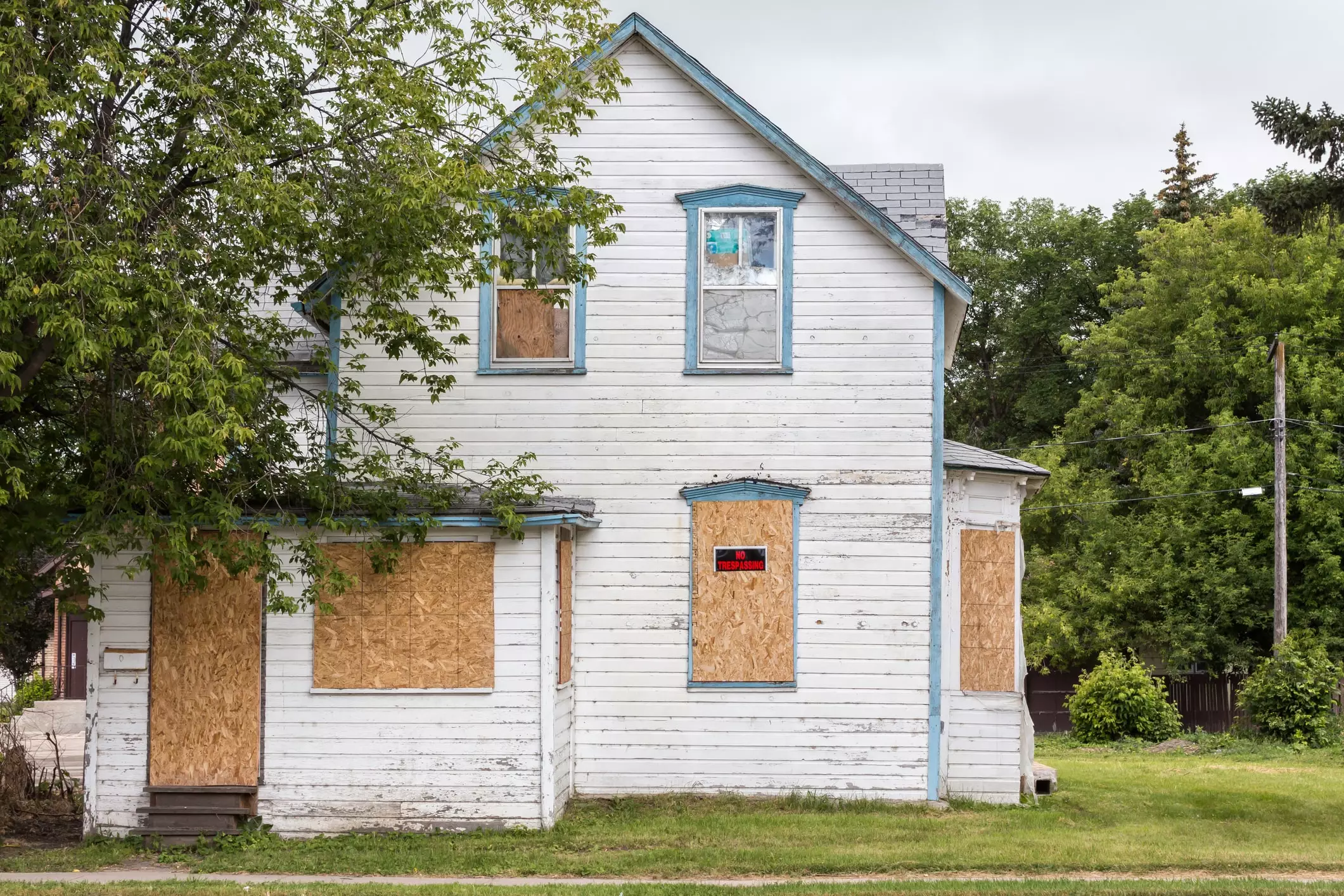
Table of Contents
- What Does It Mean When a House Is Condemned
- What Does “Condemned House” Mean?
- Common Reasons Homes Get Condemned
- What Happens to Mortgages, Insurance, and Tenants When a Property is Condemned?
- How the Condemnation Process Works
- Can a Condemned House Be Fixed?
- What’s the Difference Between Eminent Domain and Condemnation?
- How to Get a House Condemned
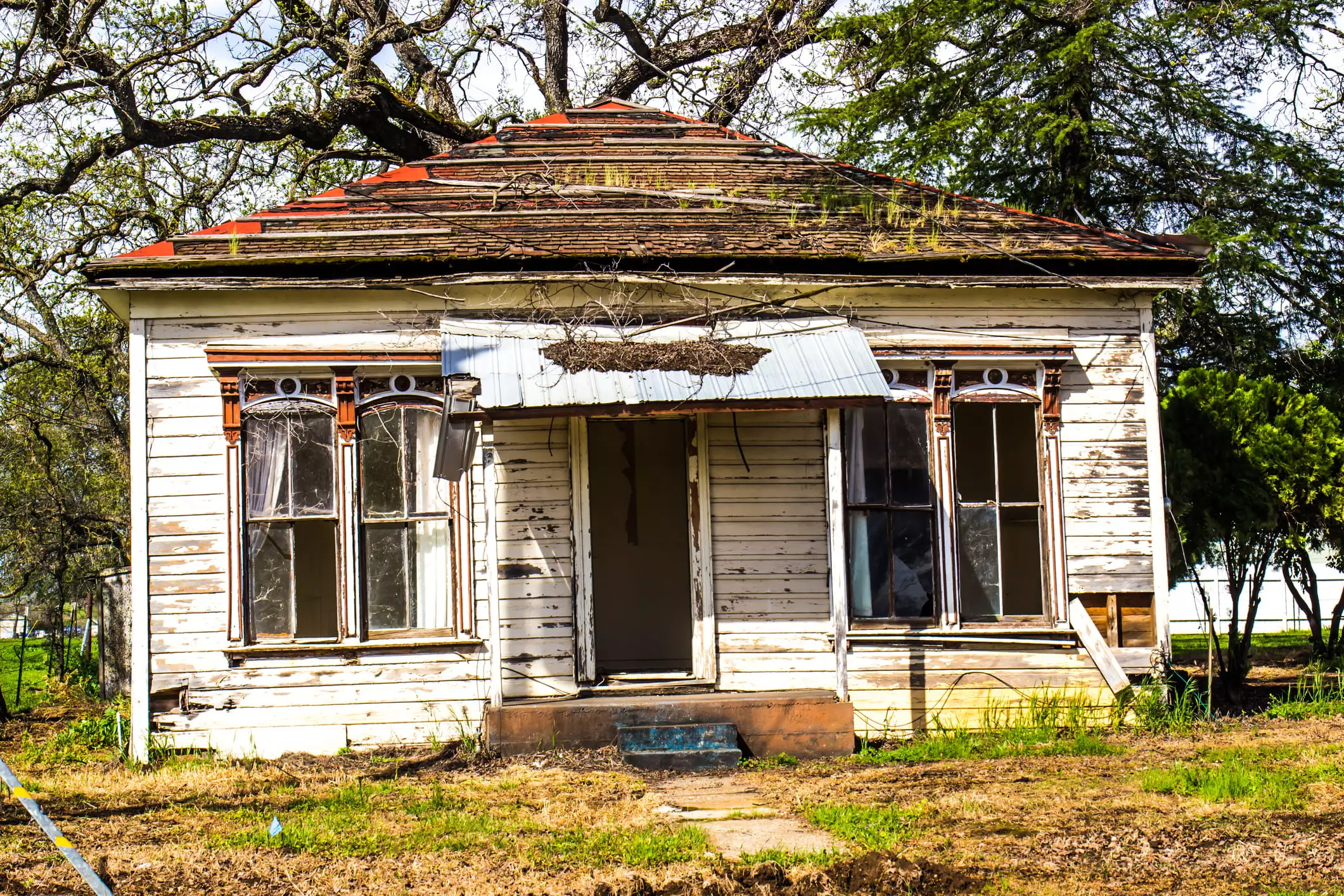
When people hear that a house has been condemned, they often picture a crumbling building with warning tape, boarded-up windows, and bulldozers. But in reality, a condemned house is not always slated for demolition. Sometimes, a property being condemned simply means that it has been deemed unsafe or uninhabitable by local authorities. While this is still a serious situation, it can often be reversed through compliance, necessary repairs, and inspections.
Whether you're a homeowner, neighbor, or potential buyer, understanding what a condemned house really means, how the process works, and what happens next can help you to understand your available options and make smart, informed decisions.
What Does “Condemned House” Mean?
A condemned house is a property that a local government or housing authority has officially declared unsafe or unfit for human habitation, usually due to severe neglect, structural damage, or code violations. When a house is condemned, it is illegal for anyone to live there until the issues are resolved, the property is re-inspected, and the condemnation status is officially lifted.
It is important to note that condemnation can also refer to eminent domain, where the government takes private property for public use, such as building roads or schools. In these situations, the property owner is typically compensated. However, in everyday real estate discussions, the word “condemnation” is almost always used in relation to a property being deemed uninhabitable due to safety or code issues.
Common Reasons Homes Get Condemned
Houses are usually condemned for conditions that pose a serious risk to the health and safety of its occupants or the community. The most common causes include:
- Structural Damage: This is one of the most common reasons for a house being condemned. Issues like foundational cracks, sagging roofs, or walls that are buckling make a building physically unstable and at risk of collapse.
- Severe Fire Damage: A house that has suffered a major fire often loses its structural integrity. The remaining structure is usually unstable and full of hazards like exposed wiring, weakened beams, and toxic residue that make it uninhabitable.
- Utility Failures: Running water, functional sewage disposal, heat, and electricity are basic necessities for modern, sanitary, and safe living, and a lack of these utilities can get a house condemned. Faulty and dangerous electrical wiring or gas lines can also lead to condemnation due to their high fire and explosion risks.
- Extreme Health Hazards: Conditions like pervasive mold (especially toxic varieties), rodent or insect infestations, and even massive hoarding situations can cause or worsen serious health problems for occupants.
- Severe Neglect, Long-term Vacancy, or Abandonment: A house that has been left exposed to the elements (with a missing roof or broken windows) or left uninhabited without regular upkeep can quickly deteriorate into a condemnable state.
- Code Violations: Failing to address serious code violations, especially after several warnings, can result in the property being condemned.
Living next to a condemned house is an understandable concern: they attract pests, trespassers, and vandals, can become a neighborhood blight, and may even lower property values. In these situations, your best course of action is to document and report. Take photos of any concerning issues (like overgrown yards, broken windows, or signs of break-ins) and report them directly to your local code enforcement office or health department.
Doing this will often push the city to take action, such as forcing the owner to secure the property or even initiating a cleanup themselves.
What Happens to Mortgages, Insurance, and Tenants When a Property is Condemned?
Condemnation isn’t just limited to the building itself, it also affects everyone with a financial or legal connection to the property and can create complications for mortgages, insurance coverage, and tenancy:
- Mortgages: Mortgages don’t disappear when a home is condemned; you are still legally obligated to repay the loan, even if the house is uninhabitable. You must contact your lender immediately to discuss options. Depending on the situation, they may offer forbearance (temporarily pause payments) while you make repairs, declare the loan in default (since the collateral is compromised), require immediate compliance to lift the condemnation, or initiate foreclosure proceedings.
- Insurance: Standard homeowners’ insurance policies do not typically cover properties that are vacant, abandoned, or officially condemned. If your home becomes uninhabitable due to neglect, your insurer may reduce coverage or deny claims. Coverage generally remains only for damages caused by a specific, covered peril (like fire or storm damage), and might include costs to bring the home up to code.
- Tenants: Condemnation typically triggers a “vacate order” for rental properties. If this happens, the tenants may be able to break their lease without penalty. In many areas, the landlord may also be responsible for providing relocation assistance, especially if the unit was condemned due to housing standard violations.
How the Condemnation Process Works
While the specifics vary by location/jurisdiction, the condemnation process generally follows these steps:
- Complaint or Inspection Trigger: The process typically starts with a complaint (from a neighbor, tenant, mail carrier, etc.) or a proactive inspection by a city official, often initiated after a major event like a storm or fire.
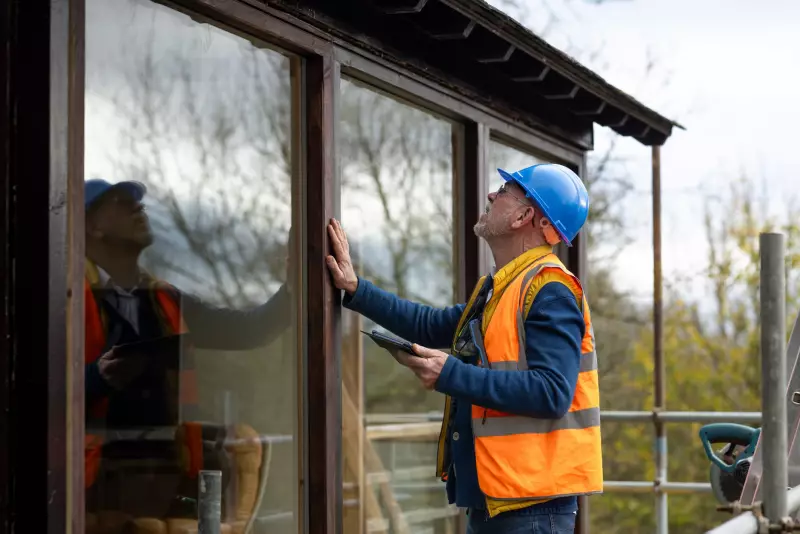
- Official Inspection: A local code enforcement officer or building inspector assesses the property and documents all violations that make the house unsafe or uninhabitable.
- Notice of Violation: If the inspection reveals serious issues, the property owner is issued a written notice listing the problem, required repairs, and a strict deadline for completing the work.
- Condemnation Order & “Notice to Vacate”: If the required repairs aren’t made, the local authority issues a formal condemnation order. This legally declares the property unfit for habitation. A "Notice to Vacate" is posted, requiring all occupants to leave immediately. Utilities may be disconnected to prevent further hazards.
- Securing the Property: The owner is typically ordered to secure the property (boarding up windows and doors) to prevent trespassing and further deterioration. If they fail to comply, the city will secure the property and bill the owner, often placing a lien on the land to recover costs.
- Final Actions: At this point, the property owner usually has two options: repair or demolition:
- If they decide to repair, they must hire licensed contractors, pull the necessary permits, and have the completed work inspected. Once it passes final inspection, the condemnation order is lifted.
- If they ignore the order or cannot carry out the required repairs, the city will eventually proceed with demolition. They may also place a lien on the land for the costs or take the owner to court.
Can a Condemned House Be Fixed?
Yes, many condemned houses can be fixed. However, this largely depends on the scope of the damage and your budget. A house with severe foundational failure or extensive fire damage might be so expensive to repair that demolition is the only economically sensible option for most people.
On the other hand, a house condemned for issues like faulty wiring, lack of running water, or pervasive mold can often be fully restored, though it will still often require a significant investment. The key is to get a detailed report from the city outlining all violations and then get estimates from several reputable contractors to understand the true cost of restoring the property before committing.
Note that every city/state has its own rules for overturning a home's condemned status, which usually include specified time limits for completing necessary repairs. However, regardless of location, you will always need to have a final inspection conducted by local authorities to officially confirm the house is safe for occupancy before the condemned status can be lifted.
What’s the Difference Between Eminent Domain and Condemnation?
Condemnation generally refers to the government’s process of taking over private property. However, this term is most commonly used in situations where a property has been declared unsafe or uninhabitable due to code violations. On the other hand, eminent domain specifically refers to the government’s legal right to take property for public use, such as for a road or park. Basically, eminent domain is about ownership transfer, while safety condemnation is about habitability.
Here are a few quick points to help you differentiate between both:
|
Key Point |
Condemnation (for safety) |
Eminent Domain Condemnation |
|
Reason |
The property is unsafe or unfit to occupy. |
The property is needed for a public project (road, school, park). |
|
Condition |
The property is usually in very poor condition. |
The property can be in perfect, move-in-ready condition. |
|
Outcome |
The owner must fix or demolish the building. |
The government takes over the entire property (or part of it). |
|
Compensation |
The owner receives no compensation and is responsible for all costs. |
The owner receives fair market value for the property. |
How to Get a House Condemned

If you are concerned about an abandoned or potentially unsafe property in your neighborhood, you have a right to report it. However, your goal should be public safety, not retaliation or settling neighborly squabbles. Here’s how you can get a house condemned:
- Document the Issues: Take photos or notes of visible hazards, like broken windows, overgrown yards, pests, fire damage, strange smells, signs of squatters, or severe structural issues. Do not trespass on the property while documenting.
- Contact Local Authorities: This is typically the city or county’s code enforcement or housing department. A quick online search for "[Your City] code enforcement" will usually provide the right contact information.
- Submit a Formal Complaint: You can usually report online or by phone. Describe the hazards (documented in Step 1) and be specific and factual about the health and safety risks you've observed.
- Follow Up: If you don't see action within a few weeks, follow up. You can also request updates or check the property’s status in public records. Code enforcement offices are often quite busy, but persistent (and polite) communication can help move your case up the list.
Keep in mind that only serious structural or health hazards qualify for condemnation, so you should only report properties that pose real safety risks. Complaints about aesthetics or minor issues usually won’t lead to action, and false or retaliatory reporting can backfire.
Hearing that a house is "condemned" can feel like an endpoint. However, condemnation isn’t automatically a lost cause. While some condemned houses are too far gone to save, many can be repaired and restored or even sold to someone willing to take on the challenge.
Whether you’re dealing with your own property, considering a purchase, or living next to one, knowledge is your most powerful tool. Understanding the process can transform a frightening situation into one you can navigate with clarity and a practical plan, allowing you to protect your investment and your neighborhood.

Elena Novak leads real estate research and analysis at PropertyChecker.com, where she digs into housing trends, tracks property data, and unpacks investment strategies across the U.S. With a background in flipping homes and a degree in Business and Real Estate Development, she brings a practical, hands-on approach to market analysis. Elena is especially skilled at uncovering hidden property value and guiding both homeowners and investors through shifting market conditions. She's also passionate about sustainable design and smart home innovation. When she's not analyzing the market, she's probably knee-deep in a DIY project, scouting vintage décor, or building something new in her workshop.
Search Property & Deed Records
Table of Contents
- What Does It Mean When a House Is Condemned
- What Does “Condemned House” Mean?
- Common Reasons Homes Get Condemned
- What Happens to Mortgages, Insurance, and Tenants When a Property is Condemned?
- How the Condemnation Process Works
- Can a Condemned House Be Fixed?
- What’s the Difference Between Eminent Domain and Condemnation?
- How to Get a House Condemned