How to Buy a Rental Property?
Table of Contents
- How to Buy a Rental Property?
- Why Invest in Rental Property?
- Set Your Investment Goals and Budget
- Choose the Right Location
- Find the Right Type of Rental Property
- Evaluate the Property's Profitability
- Steps to Make an Offer and Close on the Property
- Managing Your Rental Property Effectively
- How to Calculate ROI on Rental Property
Buying a rental property can help you build wealth while generating passive income. The cash flow generated from this endeavor can assist one in paying off their mortgage or other property costs. It also helps that property values tend to appreciate over time. That said, it requires significant planning and decision-making on everything involved.
Before buying a rental property, interested parties must select the right location, have some staff to assist, and be up to date concerning lease requirements or the fair housing laws of their area. It is also essential for rental property owners to have landlord insurance, which offers liability protection. This covers unanticipated incidents such as tenant injuries or property maintenance problems. You can also check property owners to verify ownership details and ensure there are no legal disputes. Eventually, one may sell their well-run property at the designated time, provided the rental history justifies a good valuation.
Why Invest in Rental Property?
Investing in rental property comes with significant benefits, including tax advantages. One may deduct insurance, interest on the mortgage, maintenance fees, and physical wear. These rebates add to the investor’s net profit every financial year. If one rents their property on a seasonal basis, they may use it for themselves 14 days a year or a tenth of the number of days rented to others at a fair market price. The other added advantage of real estate investing is the passive income opportunity. You can also calculate property tax to estimate ongoing costs and plan your investment more effectively.
One may use the income earned to create a larger real estate portfolio that offers more protection from economic hardships. Some investments do not keep pace with inflation, thereby causing the money to be worth less than what was originally invested. Rental property investments, though, offer a hedge from inflation because inflation increases correspond with real estate pricing. This allows the investment to maintain value with inflation increases.
Set Your Investment Goals and Budget
Before purchasing, potential investors need to consider financial and personal objectives. These include their desired timeline before the property turns a profit, desired overall income after a set time, and the acceptable level of risk they would consider. So they need to know how much it costs to buy a rental property. Most times, the minimum amount is at least 20% of the property’s selling price.
This can be challenging to those who hold illiquid investments or are tied up elsewhere. Real estate investors typically consider the 1 percent rule, which states that the monthly income has to be at least 1 percent of the purchase price. It is also common to experience gaps in the rental income because of tenant turnover. One rule of thumb is assuming the investor will collect rental income ten months of the year, depending on the local rental market and the property’s condition.
If the property statistics in the potential area match these expectations during market research, it could be worth the risk. Investors should also consider their liquidity in the event of harsh economic incidences, such as sudden shifts in the financial scene, that would leave those who are not very liquid unable to cover their exposure.
Choose the Right Location
When searching for a rental property, it is advisable to select a location with low property taxes and a good school district. These real estate indicators have a high potential for value increase over the coming years, with reduced financial risk due to the low property taxes. Finding locations with these matching attributes may be challenging, but it is quite possible. If you already have a property in mind, by address you can check the history of a property, neighborhood, and other details.
The area should also have walkable amenities, including coffee shops, parks, and restaurants. These small commercial elements increase a location's convenience, making it more attractive for prospective tenants. Rental properties that are close to these amenities are rarely going to lack renters. It would also be a safe bet if one could purchase a property closer to the city, considering most tenants prefer to be close to their work areas.
Neighborhoods with a low crime rate, easy access to commuter transport, and young adult demographics in the job market. The best way to get this information is to scout properties in person to see which amenities are nearby or the hazardous neighboring facilities that would discourage visitors. Alternatively, one can utilize online real estate property sites such as Zillow, which give information on current home values and rental rates.
Find the Right Type of Rental Property
Finding the right property type is a great way to succeed. Investors should search for a property that meets market demand to ensure consistent rental income. For example, single-family-type structures can appeal to families within a suburban area. On the other hand, cities typically attract single, younger, or older adults looking for apartments. Matching the property with the right location reduces the average turnover yearly if one chooses to invest in the property.
Similarly, investing in properties with desirable attributes like proximity to business districts, schools, or commuter transport improves their marketability. Properties with energy-efficient amenities like solar or wind power tend to have manageable maintenance or utility expenses. These properties are increasingly becoming popular among the growing rental demographics, so they can be provided at a premium, which maximizes the potential returns.
Evaluate the Property's Profitability
Assessing a property’s profit-making ability is critical for rental investors because it helps them determine the financial feasibility of investments. It is dependent on how much it costs to buy the rental property. Profit assessment also considers typical metrics such as operating expenses, potential cash flow, and rental income. These assist investors in knowing if the property can cover expenses, including maintenance, mortgage payments, and insurance.
This ensures that the property aligns with financial objectives and risk tolerance. Available tools, including cash-on-cash return and capitalization rates, clarify the property's potential to create income relative to financing terms and purchasing prices. By identifying risks early on, investors may mitigate them by selecting high-demand locations or negotiating favorable purchase considerations.
Steps to Make an Offer and Close on the Property

The process of making a real estate deal may seem easy, but it is wise not to rush it. There is a lot that needs to be considered before entering into an agreement.
- Have the funds ready: After researching the location, type, and amenities, secure the funds needed for purchase or leasing. It is also advisable to consider utility, maintenance, and other unsaid costs.
- Open an escrow account: This account will be held by a third party on behalf of both buyer and seller, preventing either party from being cheated. Once the formalities are over, the money and documents will be exchanged.
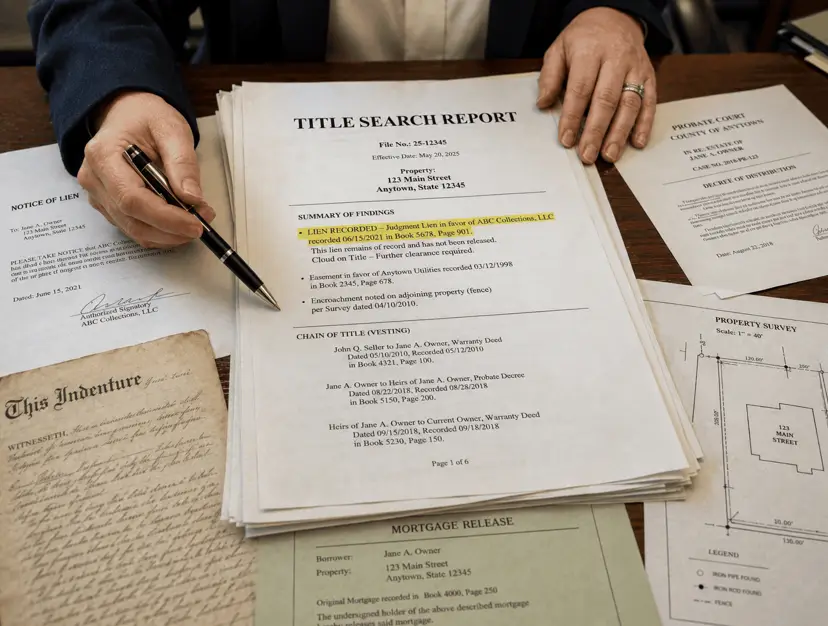
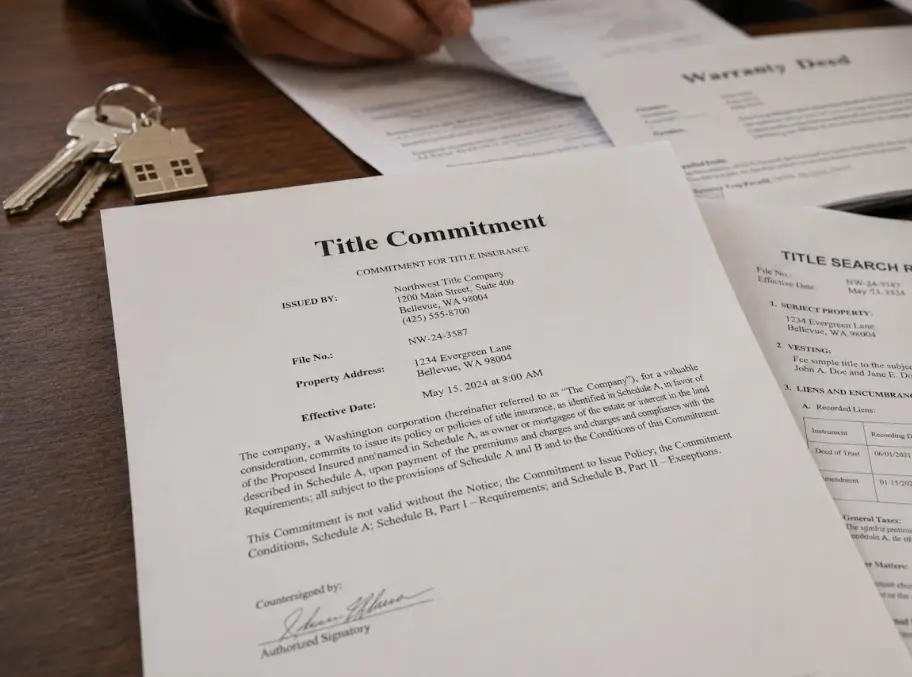
- Perform a title search: This is a public records search used to verify the current legal owners of the property, identify any existing claims on the building or surrounding estate, and check building permits associated with the property to ensure compliance with regulations.
- Hire and consult an attorney: this step is optional but essential to ensure one recognizes loopholes that could put them at financial or legal risk.
- Do a home inspection: An on-site inspection is needed to discover any issues that may not have been advertised or overlooked online. This provides the chance to back out of the deal if there is a serious problem on the premises.
- Lock in the interest rate: Interest rates can be volatile, so it is advisable to lock in while the going is good. This prevents one from being at the mercy of real estate fluctuations, as in the 2007 housing crash.
Managing Your Rental Property Effectively
Following successful purchases, owners must manage their properties effectively to maximize profits. That means initiating screening measures for incoming tenants, setting a fair market price for the rent, complying with all rental regulations, and responding to maintenance issues promptly. The endeavor should be treated like a brand to increase the potential for sustainable business.
The decision to hire a property manager or self-manage is entirely up to the owner. If one opts for the former, there is more expertise and experience. There is also more assurance that the property will be managed hands-on. However, self-managing a property directly controls the business and saves costs by preventing hiring someone else. Unfortunately, it is also time-consuming and could lead to fatigue.
How to Calculate ROI on Rental Property

To calculate ROI on the rental property helps people assess the profitability of the investment. The steps are below:
- Determine the total investment, including purchase price, repair, and closing costs.
- Calculate the annual rental income, which is monthly rent multiplied by 12.
- Subtract operating costs like insurance, property tax, maintenance, and utilities.
- Calculate net income by subtracting operating costs from the annual rental income.
- The formula is the net annual income over the total investment; Net annual income/ Total Investment * 100

Elena Novak leads real estate research and analysis at PropertyChecker.com, where she digs into housing trends, tracks property data, and unpacks investment strategies across the U.S. With a background in flipping homes and a degree in Business and Real Estate Development, she brings a practical, hands-on approach to market analysis. Elena is especially skilled at uncovering hidden property value and guiding both homeowners and investors through shifting market conditions. She's also passionate about sustainable design and smart home innovation. When she's not analyzing the market, she's probably knee-deep in a DIY project, scouting vintage décor, or building something new in her workshop.
Search Property & Deed Records
Table of Contents
- How to Buy a Rental Property?
- Why Invest in Rental Property?
- Set Your Investment Goals and Budget
- Choose the Right Location
- Find the Right Type of Rental Property
- Evaluate the Property's Profitability
- Steps to Make an Offer and Close on the Property
- Managing Your Rental Property Effectively
- How to Calculate ROI on Rental Property