What Does Single Family Detached Mean in Real Estate?
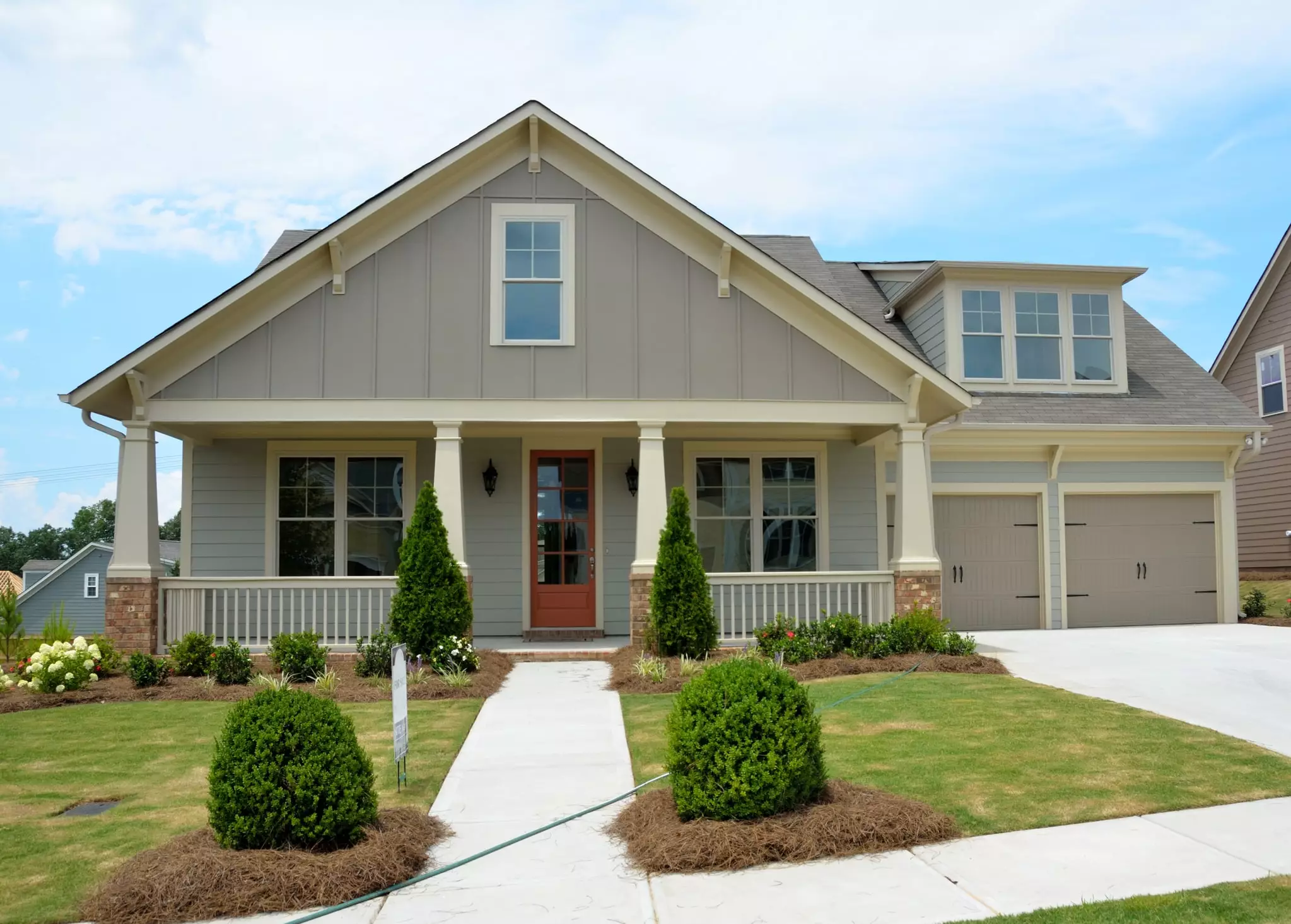
Table of Contents
- What Does Single Family Detached Mean in Real Estate?
- What Does “Single Family Detached” Mean?
- Core Characteristics of a Single Family Detached House
- Pros and Cons of Single Family Detached
- What’s the Difference Between an Attached Single-Family Home and a Detached One?
- Why Does It Matter for Buyers?
- How to Verify If a Home Is Single-Family Detached
If you’ve been browsing home listings, you’ve almost certainly come across the term “single family detached.” It’s one of the most common property types in the U.S., but for many people, the full meaning and its implications might be a bit fuzzy. Is it just a standalone house? Does “detached” mean more privacy? How is it different from a duplex or a townhouse?
Let’s break down what “single family detached” means, highlight its key features, and compare it to other home types. This way, you can make smarter decisions about what fits your lifestyle, budget, and long-term investment.
What Does “Single Family Detached” Mean?
To understand what “single family detached” means, we need to start with its two basic components:
- Single Family: This generally refers to a home designed to be occupied by one single household or family. It has its own private kitchen, living areas, and utilities that are not shared with any other home, and it cannot be legally subdivided into separate apartments or units for multiple, unrelated families.
- Detached: This means that the home is a standalone structure. It does not share any walls, a roof, or a foundation with another home, and is surrounded by its own piece of land, with space (no matter how small) on all sides that separates it from neighboring properties.
In other words, single-family detached means a home that is built for one family and stands completely on its own, physically, legally, and functionally. It is the classic image that most people have when they think of a traditional "house."
Core Characteristics of a Single Family Detached House
Here are the key features of a single family detached house:
- Freestanding Structure: This is the most defining feature of single family detached houses. The home is a separate, standalone structure with no shared walls or ceilings with neighbors.
- Individual Lot Ownership: You own both the house and the land it sits on. This includes the front yard, backyard, and the land underneath the structure.
- Full Individual Responsibility: You are responsible for all maintenance (roof, yard, plumbing, etc.).
- Private Access and Utilities: The home has its own dedicated entrance, driveway, and utilities (heating, water, electricity) that are not shared with any other residences. Note that some detached homes exist within planned communities or homeowner’s associations (HOAs), where owners share certain amenities, but still own their structure and land outright.
- Exclusive Use: Single family detached homes are typically zoned specifically for a single household and cannot be legally subdivided into separate rental units.
- Design Flexibility: The house’s standalone nature and lack of shared walls provide greater freedom for interior and exterior renovations, additions, and personalization (subject to local zoning codes).
- Outdoor Space and Parking: These properties almost always include a yard, garden, and a private driveway, garage, or dedicated parking area.
Pros and Cons of Single Family Detached
Like any property type, single-family detached homes come with a distinct set of pros and cons.
Here are some advantages of these types of properties:
- Privacy and Space: No shared walls means less noise and more personal space, both indoors and outdoors. You also have greater separation from neighbors and are generally insulated from the direct impact of their activities.
- Greater Autonomy and Freedom: You have significant control over your property, giving you the freedom to renovate, expand, or customize the exterior however you want. You generally only need to pull the necessary permits for the project. You don't need permission from a shared condo board or adjacent neighbors tied to your structure (but you may have to check with your local homeowners' association if you have one).
- Ownership and Control: You own both the structure and the land it sits on.
- Strong Resale Value: Single-family detached homes are often in high demand due to the privacy and space they offer, which can lead to strong long-term value growth. The land itself is a valuable appreciating asset.
- Easier Financing: Getting a mortgage for these types of homes is typically straightforward.
On the flip side, there are some important trade-offs:
- Higher Upfront Price: Single-family detached homes generally cost more per square foot than other types of residential properties.
- Higher Maintenance Costs and Responsibility: You are solely responsible for everything, from mowing the lawn and shoveling snow to replacing the roof and fixing faulty plumbing or HVAC systems.
- More Utilities and Taxes: Heating, cooling, and powering a standalone home is usually more expensive than a smaller attached unit. Larger lots also often mean higher property taxes.
- Less Walkability/Longer Commutes: Single-family detached homes are often located in suburban or exurban areas, which may mean less walkability and longer commute times compared to dense city centers.
- Potential for Less Community: While you have neighbors, the detached nature can sometimes feel less communal than a condo or townhome complex with shared amenities.
What’s the Difference Between an Attached Single-Family Home and a Detached One?
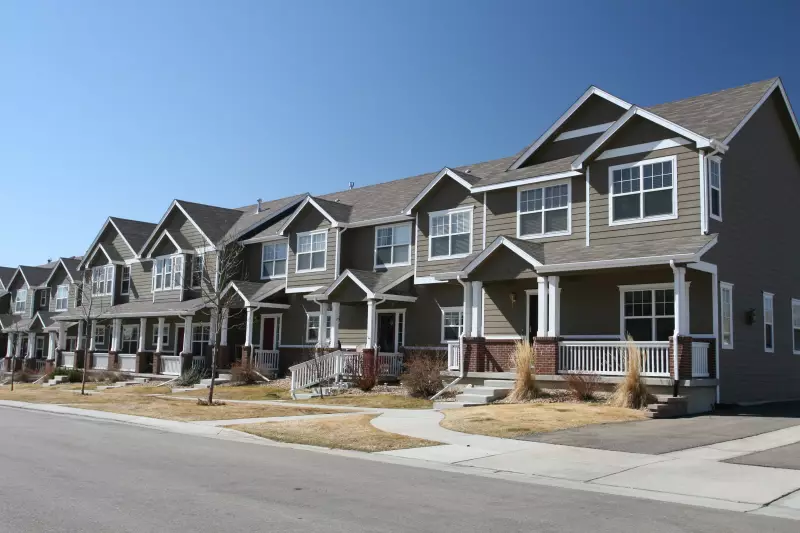
While the term "single-family" refers to the property’s legal use (one family), it doesn't always mean the structure is detached. This can sometimes be a point of confusion for buyers. However, the key difference between a detached single-family home and an attached one is the shared structural element:
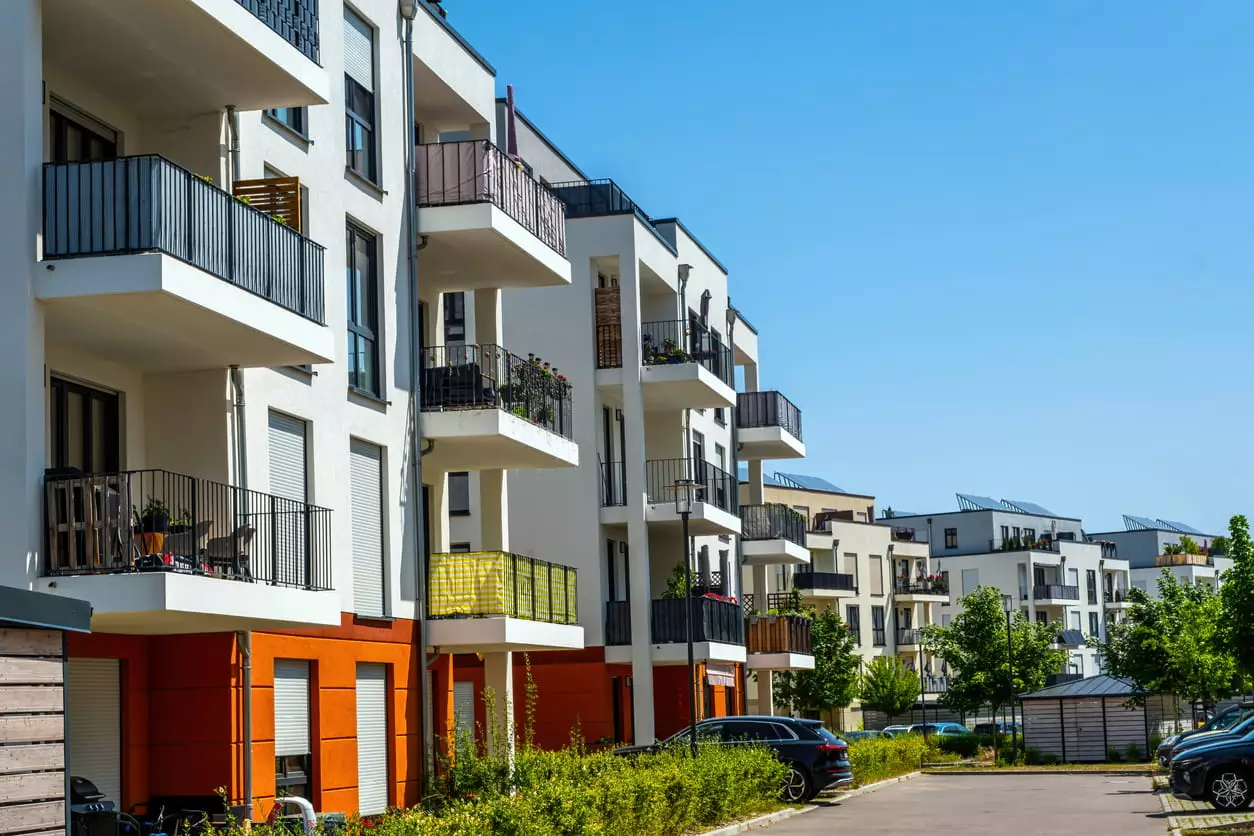
- Detached homes are completely separate, standalone structures with no shared walls, roof, or foundation (e.g., a cottage with its own yard).
- Attached homes are physically connected and share at least one wall with another unit. Common examples of attached single-family homes include:
- Townhomes/Townhouses: Multi-level homes that share one or two walls with adjacent properties. You typically own the interior and the land directly under your unit.
- Duplexes: A single building divided into two separate homes, sharing a common wall. Note that while each unit is a "single-family" dwelling by use, the building as a whole is generally classified as multi-family property for zoning and financing.
- Patio Homes: Single-level homes with shared walls but private yards.
Why Does It Matter for Buyers?
Understanding whether a property is single family detached or not isn’t just about semantics; it affects everything from your budget to your lifestyle expectations. Here’s why it matters:
- Lifestyle Fit and Privacy: If you value quiet, privacy, autonomy, and space (for kids or pets to play), then a detached home is often the best fit. No shared walls means quieter living and more space between you and your neighbors.
- Maintenance Responsibilities: Detached homes come with full independence, but that also means full upkeep. You are responsible for the roof, yard, and all exterior maintenance. If you prefer “lock-and-leave” convenience, where someone else handles yard work and exterior repairs, a townhome or condo might be a better choice.
- Budget: Detached homes typically cost more upfront. You must also budget for maintenance and higher utility bills (a good rule of thumb is to set aside 1-3% of your home's value annually for repairs and upkeep). On the other hand, even though attached homes may have lower purchase prices, you might still need to factor in HOA fees.
- Financing Options: Most detached homes easily qualify for traditional financing options (FHA, VA, and conventional loans). They also usually attract favorable appraisal values because they tend to appreciate steadily.
- Investment/Resale Value: Detached homes consistently attract strong demand and generally retain value better, making them a more stable long-term investment in most markets. Attached homes can sometimes be harder to sell, especially if HOA rules are strict.
How to Verify If a Home Is Single-Family Detached

Not every home labeled “single family detached” truly meets the definition. Here are simple steps to help you confirm the property’s classification:
- Check the listing details. Look for key terms like “single family detached,” “standalone,” or “no shared walls.” Also check the “year built” and “stories” fields of the listing; truly detached homes won't be part of a larger, newer complex.
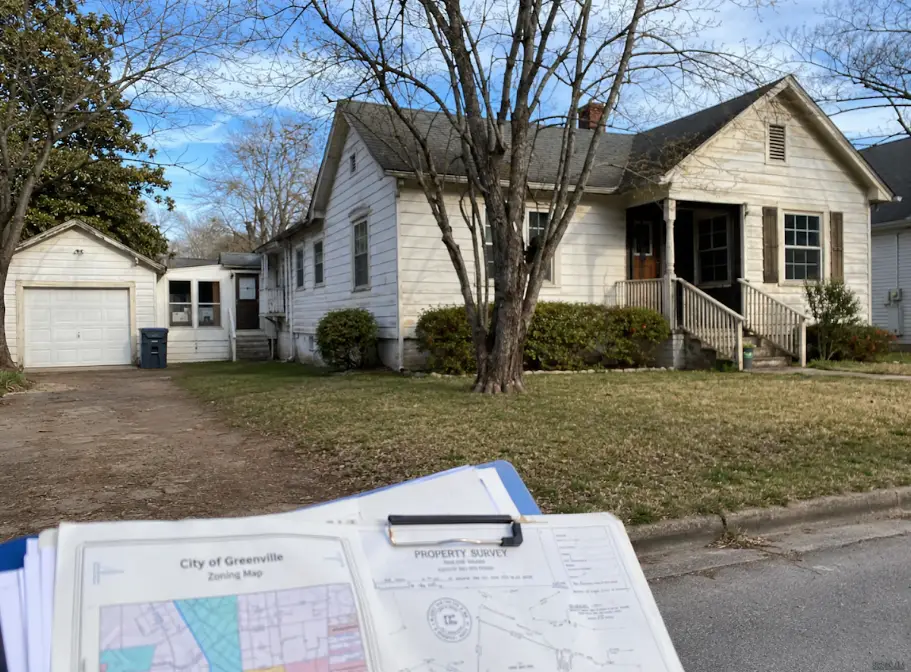
- Study the photos and parcel map. Check if the home appears to be connected to another or has clear space on all sides. This is usually one of the easiest ways to confirm if a building is a standalone structure; detached homes occupy one clearly defined parcel with no shared lot lines inside the structure.
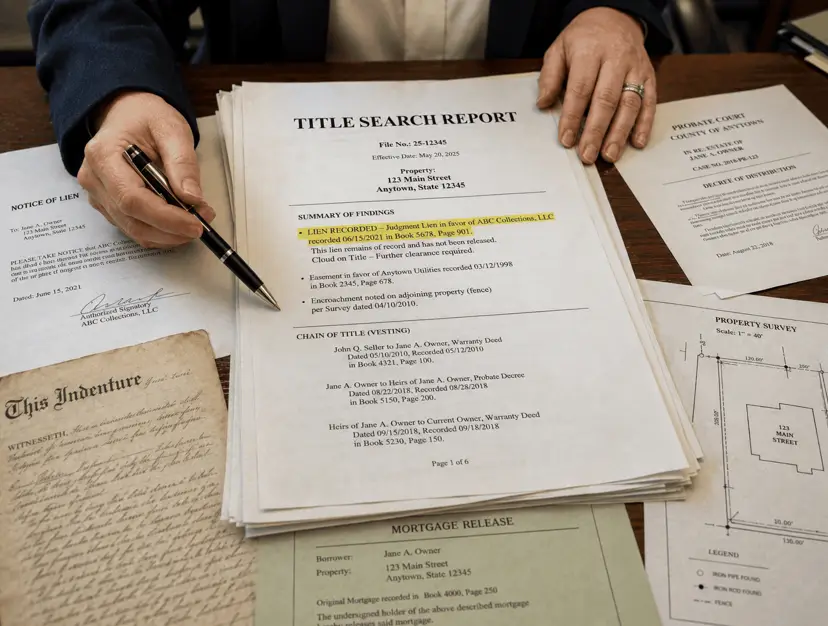
- Look up public property records. County assessors or property appraisers usually offer access to public databases through their websites that you can use to search for property records by address. The “legal description,” “property type,” or “zoning” section of the record will specify whether the property is single-family detached, attached, or multi-family.
- Ask your real estate agent. This is one of their most fundamental jobs. Your agent can pull detailed tax records and confirm the property's legal classification and zoning without a doubt.
- Check HOA or community documents (if applicable). If the home is part of a community, the Covenants, Conditions, and Restrictions (CC&Rs) documents will definitively outline the property type and specific maintenance conditions.
- Inspect the structure. This is the ultimate way to verify a property’s status. If the building shares a wall, foundation, or roof with another, it is not a detached home, even if the listing says otherwise.
"Single-family detached" is more than just a checkbox on a listing; it represents a specific type of homeownership defined by privacy, space, independence, and full control over both the house and the land it sits on. For many buyers, this is the classic American dream of a house with a yard, but it's one that demands a high level of financial and maintenance responsibility in return.
Whether you’re comparing listings or planning your next move, knowing the difference between detached and attached homes helps you choose the right property for your lifestyle and budget. And if you’re ever unsure about a listing’s status, just ask your agent or check public property records; a little research goes a long way.

Elena Novak leads real estate research and analysis at PropertyChecker.com, where she digs into housing trends, tracks property data, and unpacks investment strategies across the U.S. With a background in flipping homes and a degree in Business and Real Estate Development, she brings a practical, hands-on approach to market analysis. Elena is especially skilled at uncovering hidden property value and guiding both homeowners and investors through shifting market conditions. She's also passionate about sustainable design and smart home innovation. When she's not analyzing the market, she's probably knee-deep in a DIY project, scouting vintage décor, or building something new in her workshop.
Search Property & Deed Records
Table of Contents
- What Does Single Family Detached Mean in Real Estate?
- What Does “Single Family Detached” Mean?
- Core Characteristics of a Single Family Detached House
- Pros and Cons of Single Family Detached
- What’s the Difference Between an Attached Single-Family Home and a Detached One?
- Why Does It Matter for Buyers?
- How to Verify If a Home Is Single-Family Detached