2026 Housing Market Predictions for Buyers and Investors
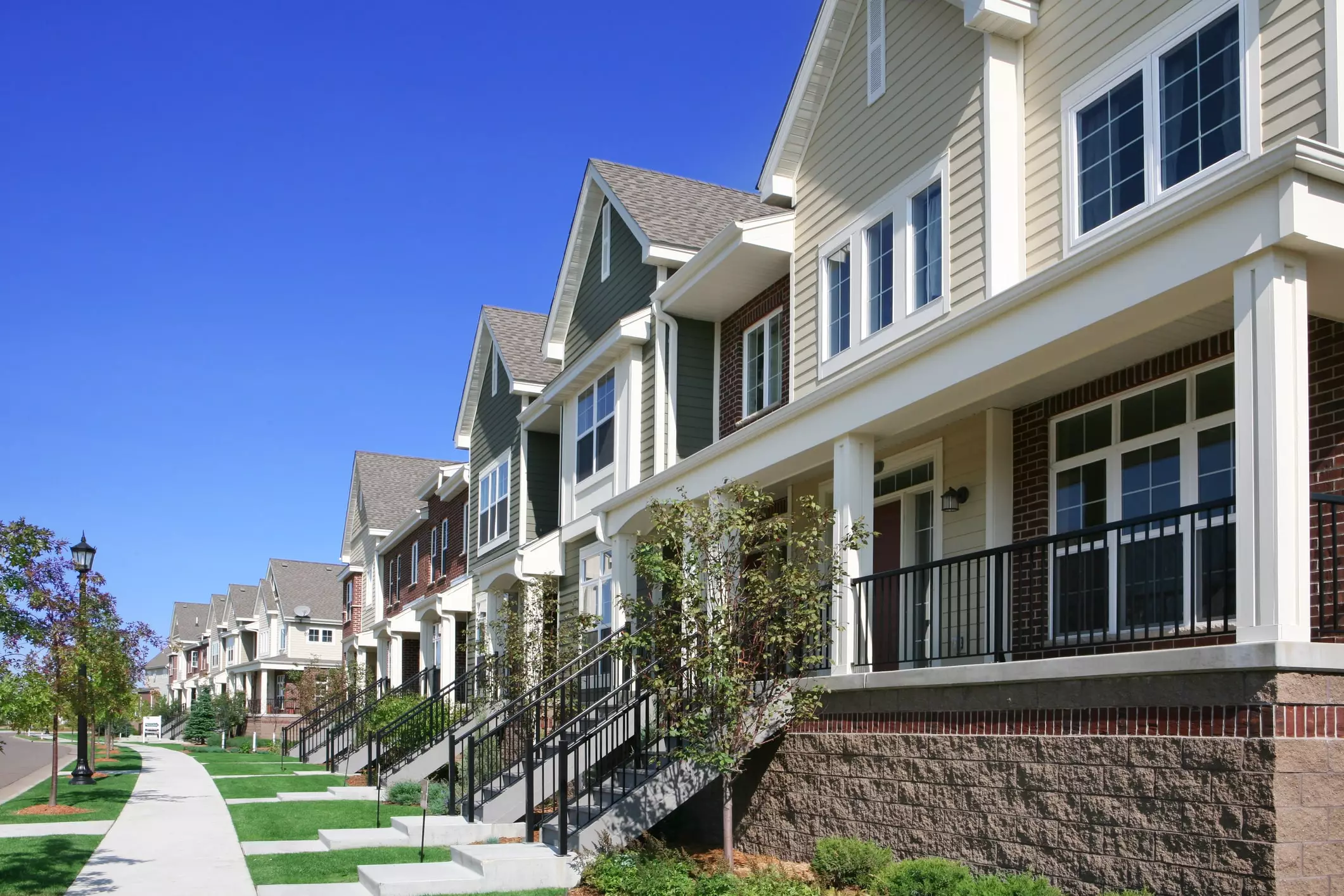
Indications for the U.S. housing market in 2026 point to modest national price gains, regional divergence, and improving affordability. Whether you are buying or investing, understanding the 2026 forecast is critical. This guide breaks down the data, risks, and the hottest markets to watch. It also offers additional information on risky home buying trends to avoid, the hottest housing markets 2026, and expert insight on what buyers, sellers, and investors should expect below.
Overview of the 2026 Housing Market
The trend in the U.S. housing market as we head into 2026 reflects modest price growth and improved sales volumes, which suggests a more balanced state after many years of volatility. Because of the low distressed property rates and a persistent housing deficit, individuals who ask, “Will the housing market crash in 2026?” can rest assured that a nationwide market crash is considered highly unlikely.
- Mortgage Rate Trends: Experts project mortgage rates will hover between 5.9% and 6.5%, depending on Federal Reserve activity and inflationary pressures. This is slightly lower than the 2023-2024 highs but still above pre-pandemic levels.
- Home Price Expectations: Home prices are projected to grow moderately (2% to 4% nationally), with slower appreciation in overheated markets and faster growth in affordable mid-size cities.
- Housing Inventory: Supply is expected to improve marginally due to construction efforts. However, housing shortages are expected to persist in many metros.
- Buyer/Seller Sentiment: Although buyers are cautiously optimistic, affordability remains a major concern for many. Sellers may face longer time-on-market periods as buyers become more selective.
Home Buying Trends to Avoid
Although the housing market is stabilizing as we enter 2026, certain trends still carry heightened risks. Therefore, home buyers and investors should exercise caution to avoid specific U.S. home-buying trends:
- Overpaying in “Hot” Neighborhoods: Avoid buying at peak prices in markets showing early signs of cooling. For instance, many metros that saw huge price spikes are now showing signs of price corrections or oversupply.
- Falling for teaser mortgage offers: Avoid betting on a return to historic lows. Do not assume introductory 'teaser' rates are sustainable. Only lock in rates when they align with your budget and long-term plans.
- Overbidding in low-inventory markets: Aggressive bidding can wipe out investment upside when rates or inventory shift.
- Waiving contingencies blindly: In competitive markets, waiving inspections or financing contingencies may backfire. Protect your interests, especially in older or fast-flip homes.
- Ignoring local job and population trends: Buying or investing in regions with weak employment growth can limit appreciation and rental income potential. Therefore, always assess local economic fundamentals.
Top Housing Markets to Watch in 2026

Although many cities across the United States offer the potential for strong return on investment in the housing market, the following are the hottest housing markets to watch in 2026. These markets offer a mix of affordability, population growth, job growth, and economic resilience.
- Knoxville: Knoxville, Tennessee, offers a strong mix of low home prices (around $325,000), low property taxes, and scenic appeal. Job growth and proximity to the Smoky Mountains continue to drive interest, especially among families and retirees.
- Cedar Rapids: Located in Iowa, Cedar Rapids remains a value-driven market with homes under $250,000. Supported by stable healthcare and manufacturing sectors, the city stands out for its safety, affordability, and appeal to first-time buyers.
- Columbus: Located in Ohio, Columbus is benefiting from tech expansion, population growth, and infrastructure investment. With a median price near $290,000, it offers a solid opportunity for buyers drawn to its mix of urban amenities and Midwest affordability.
- Tampa Bay: Tampa Bay, Florida, continues to draw migrants from high-cost states. With median prices around $360,000 and no state income tax, it appeals to both investors and retirees looking for rental income and coastal living.
- Boise: Boise, Idaho, is stabilizing after recent price corrections. Although prices hover near $430,000, demand remains strong in suburban areas due to the appeal of remote work, outdoor recreation, and lifestyle perks.
- Greenville: Greenville in South Carolina is gaining attention for its affordability (around $310,000) and growing job market. Its revitalized downtown and location near the Blue Ridge Mountains make it attractive to younger buyers and investors alike.
Expert Predictions and Key Factors Shaping the Market
According to leading economists and real estate analysts, the following factors are expected to shape trends, influencing buyers, sellers, and investors in the 2026 U.S. housing market:
- Interest Rates: Mortgage rates are projected to gradually decline in 2026, likely landing between 5.9% and 6.5% by year-end, driven by modest Federal Reserve easing. While not returning to pandemic-era lows, this drop could boost affordability and trigger a 14% increase in home sales, according to the National Association of Realtors (NAR). Monthly payments, however, will remain higher than pre-2020 levels.
- Inflation: Global inflation is expected to decline gradually, but lingering service costs and geopolitical factors may slow progress. If inflation eases, the Federal Reserve can continue cutting rates, supporting lower mortgage rates and home sales.
- Demographic Shifts: Millennials entering their prime buying years are expected to drive a surge in home sales, with life events fueling demand. The NAR projects a 14% increase in sales for 2026. However, affordability remains a challenge, especially for first-time buyers facing student debt and high living costs.
- Housing Supply: Active listings may rise 5-10% in 2026 as more owners move and new builds increase. However, the U.S. still faces a 4.9 million home shortage, especially in entry- and mid-level segments. This is expected to keep prices growing modestly (2-4%) and competition high. However, supply gains in Sun Belt cities may ease pressure locally.
- Government Policies: Key 2026 housing policies include expanded Low-Income Housing Tax Credit (LIHTC) allocations and infill development incentives aimed at boosting housing supply. Additionally, inflation-adjusted tax brackets may lower effective tax rates for low- and middle-income earners, slightly improving their ability to save for down payments.
While these measures are designed to support affordability and inventory growth, their implementation timelines are long, so their direct impact on the 2026 market is expected to be gradual and limited.
Tips for Buyers and Investors in 2026

To successfully navigate the U.S. housing market in 2026, buyers and investors should consider the following tips:
- Research Local Markets Carefully: Since every housing market is different, ensure that you take time to research local trends, job growth, neighborhood quality, and average home prices before deciding.
- Compare Mortgage Offers: Do not settle for the first lender you speak to. Request quotes from multiple banks or credit unions to find the best mortgage rate and terms for your situation.
- Seek Motivated Sellers: Watch for markets with rising inventory and properties spending longer on the market. These conditions often signal motivated sellers willing to negotiate on price or contingencies.
- Focus on Long-Term Value: Avoid emotional buys. Consider future resale potential, local development plans, and infrastructure investments.
- Consider Renting First in New Areas: If relocating, consider renting for 6-12 months in the area to understand the market before buying.
- Be Cautious with Fixer-Uppers: Renovation costs can be higher than expected due to labor shortages and material prices. Evaluate whether a move-in-ready home may be a more cost-effective option.
- Protect Your Down Payment: Save as much as you can for your down payment. Avoid using retirement funds unless it is unavoidable.
- Do Not Wait for the "Bottom": Note that experts agree that prices are unlikely to crash. Hence, if you find a home that meets your needs and a payment you can comfortably afford, consider buying or investing immediately. Waiting for a minor rate dip or price correction can be offset by increased competition and modest price growth.
Preparing for 2026
Buyers and investors should be aware that while the market offers attractive opportunities per the U.S. housing market forecast 2026, it will not be without challenges. To capitalize, buyers and investors must plan their finances, research local market data on job growth and inventory, and be prepared to act decisively when a great deal aligns with their long-term goals. With moderate growth in home values, stable mortgage rates, and shifting buyer demographics, the market is poised for cautious optimism.
In addition, buyers and investors should expect a more balanced playing field, although affordability and inventory will remain concerns. By staying informed on U.S. upcoming market trends, avoiding risky buying behaviors, and targeting high-potential cities, buyers and investors can be in a strong position to make confident, data-backed decisions.

Elena Novak leads real estate research and analysis at PropertyChecker.com, where she digs into housing trends, tracks property data, and unpacks investment strategies across the U.S. With a background in flipping homes and a degree in Business and Real Estate Development, she brings a practical, hands-on approach to market analysis. Elena is especially skilled at uncovering hidden property value and guiding both homeowners and investors through shifting market conditions. She's also passionate about sustainable design and smart home innovation. When she's not analyzing the market, she's probably knee-deep in a DIY project, scouting vintage décor, or building something new in her workshop.