Top Cities to Buy a House in Early 2026
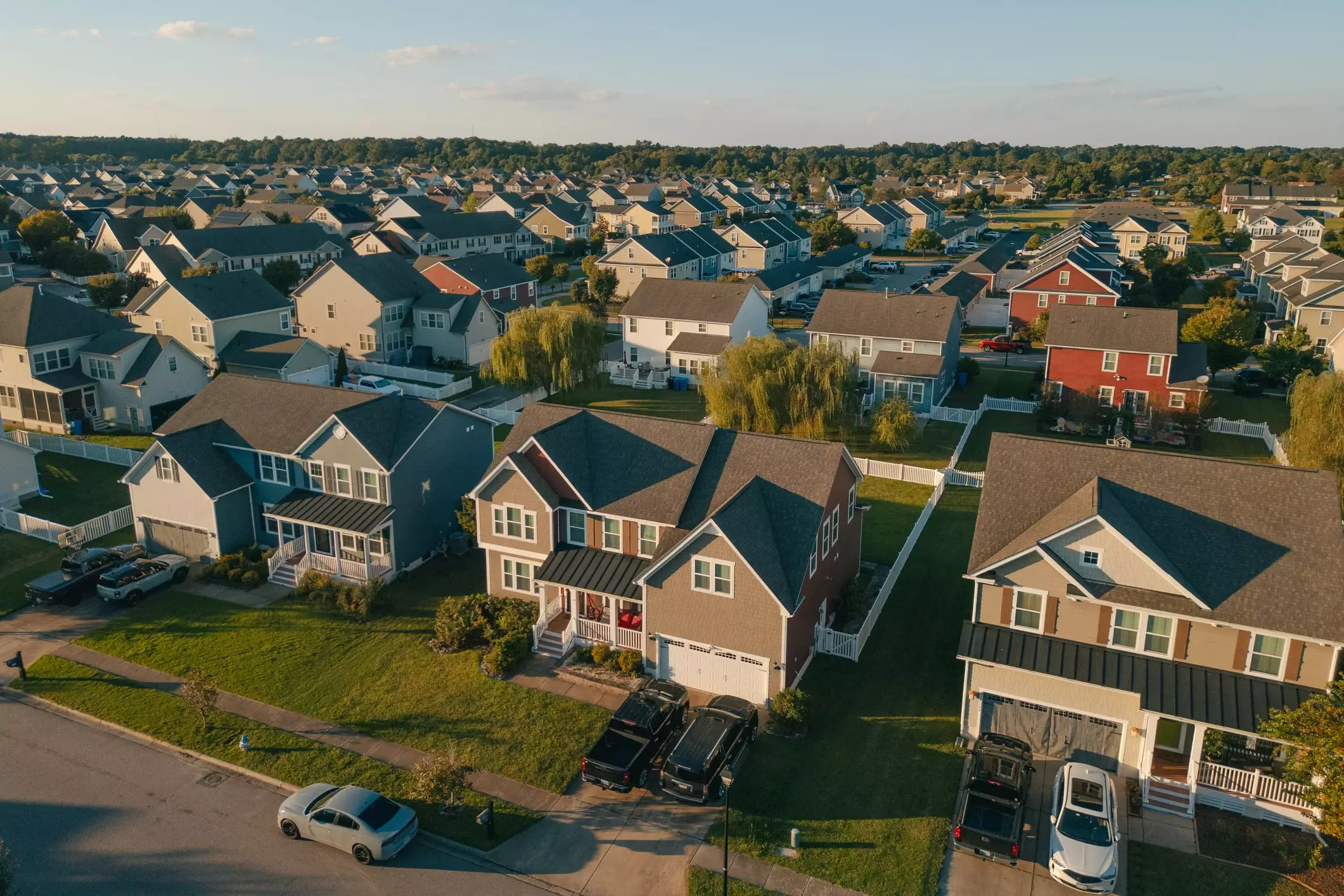
Buying a home is often a significant financial milestone for most people. As we approach 2026, the U.S. housing market is poised for a shift, with the market expected to transition from a period of stagnation to one of renewed activity. Real estate market experts forecast a “turning point” where easing mortgage rates and rising inventory create a window of opportunity for prepared buyers.
For those entering the market before 2026, success depends on timing and identifying locations that offer the right mix of affordability, job growth, and resilience. You can find the best cities for buying a house, key trends, and tips for choosing the right location below.
Why Location Matters Before 2026
Due to the uneven nature of the U.S. housing market recovery, it has become increasingly important to choose the right market when buying a house. Here is why choosing the right market is critical:
- Affordability: Home prices in many metro areas are expected to rise again by late 2025. Buying early in an affordable and growing area gives you a better price point.
- Job Market: Cities with strong employment sectors, especially in tech, healthcare, and logistics, tend to attract new residents and boost home values.
- Population Growth: More people mean more demand for housing. Fast-growing cities often see steady price appreciation.
- Quality of Life: Access to good schools, low crime rates, and recreational amenities makes a city more desirable for families and long-term residents.
- Local Economy: Stable or expanding local economies support sustainable housing demand, even during national downturns.
- Infrastructure and Development: Ongoing or planned projects can significantly increase future property values.
Top Cities to Buy a House Before 2026
Heading into 2026, the following are the best cities to buy a house:
- Knoxville, Tennessee: With a median home price hovering around $325,000, Knoxville offers scenic living near the Smoky Mountains, low property taxes, and strong job growth, making it an excellent option for long-term buyers and investors.
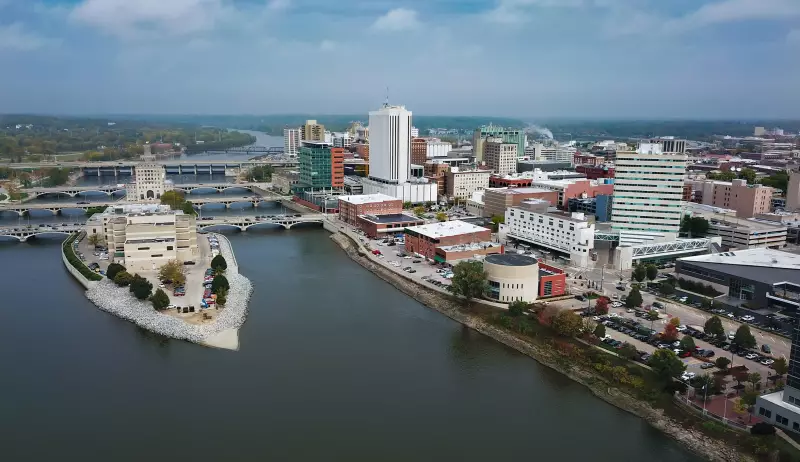
- Cedar Rapids, Iowa: With homes under $250,000 and a strong manufacturing and healthcare economy, Cedar Rapids is ideal for first-time buyers seeking affordability, stability, and quality of life.
- Huntsville, Alabama: Aerospace and tech growth, median prices under $300,000, and rising population make Huntsville a top pick for buyers looking for job opportunities and long-term value.
- Columbus, Ohio: Columbus blends affordability (approximately $310,000), a diverse job market, and rental demand fueled by Ohio State, making it attractive for both residents and real estate investors.
- Greenville, South Carolina: Greenville offers steady growth, tech investment, and homes near $330,000, paired with Southern charm and walkable communities that appeal to buyers seeking lifestyle and stability.
- Boise, Idaho: With median prices around $460,000, Boise still appeals due to outdoor access, remote work popularity, and migration from pricier states like California.
- Ocala, Florida: Affordable at $285,000, Ocala offers green space, a booming retiree market, and remote-work appeal, making it a smart alternative to pricier Florida cities.
- Tulsa, Oklahoma: Tulsa’s urban revitalization, remote-work incentives, and home prices under $240,000 make it one of the most budget-friendly and up-and-coming housing markets in the U.S.
- Sioux Falls, South Dakota: Priced around $310,000, Sioux Falls combines rapid growth, low unemployment, and a high quality of life, which is attractive to families and young professionals.
- Raleigh, North Carolina: With median prices for houses usually beyond $400,000, Raleigh offers stable appreciation, strong job creation in tech and biotech, and a well-educated population in the Research Triangle.
Factors to Consider When Choosing a City
There are important factors to consider when choosing a city to buy a house ahead of 2026. Before committing to a location, take time to evaluate several critical factors that can impact day-to-day living and long-term financial outcomes. Key factors include the following:
- Housing Inventory and Market Conditions: Start by assessing how many homes are available in the city or neighborhood you're considering. A higher inventory typically means more options and greater negotiating power, especially in a balanced or buyer-friendly market.
- Future Development Plans: Research whether the city has upcoming developments, such as new schools, tech parks, transit lines, or retail centers. These projects often drive future property value increases and signal long-term community investment. You can find this information on city planning department websites and local news sources.
- Interest Rate Sensitivity: While mortgage interest rates are determined nationally, their impact can vary by region. In more expensive markets, even a slight rate increase can significantly affect affordability. Before choosing a city, calculate how rate fluctuations will impact your monthly payment in that area. You can use online mortgage calculators to compare different scenarios.
- Neighborhood Quality and Amenities: Do not evaluate only the city; extend the evaluation to the specific neighborhood where you intend to buy a house. Look for indicators like walkability, nearby grocery stores, healthcare facilities, parks, and crime rates.
- Economic Stability and Job Opportunities: A growing city with a stable job market offers consistent demand for housing. Look for cities with diverse economies that are not overly reliant on one industry. Job growth in tech, healthcare, logistics, and education tends to support healthy housing markets.
- Rental Demand and Investment Potential: Even if you are buying a primary residence, it is smart to consider the city’s rental market. High rental demand means you can convert your home into an income-generating property in the future.
- Cost of Living and Tax Environment: Property taxes, utility costs, insurance premiums, and state income taxes vary widely between cities. An affordable home in a high-tax area may cost more monthly than a pricier home in a low-tax state. Be sure to evaluate the full cost of living and not just the sticker price of the house.
- Environmental and Climate Risks: Before finalizing your decision, review the area’s exposure to floods, hurricanes, wildfires, or other natural hazards. Use FEMA’s Flood Map Service or local hazard disclosure sites. Areas prone to disasters may require extra insurance coverage, which could affect your ability to resell later.
Tips for Buyers and Investors

If you are considering buying or investing in the U.S. housing market before 2026, consider the following tips before making a purchase in any of the best cities to buy a house:
- Compare Markets: Use platforms like Zillow, Redfin, and Realtor.com to compare home prices, trends, and neighborhood ratings across multiple cities. This helps you spot undervalued areas and avoid overhyped markets that may be nearing their peak.
- Visit in Person: Touring a city or neighborhood allows you to experience the environment firsthand, including traffic flow, noise levels, and community culture. Try visiting at different times of day or on weekends to see how the area truly functions.
- Use Local Agents: An experienced local real estate agent can uncover deals, advise on competitive pricing, and warn you about neighborhood red flags. They often have access to listings before they become available on national websites, and understand the nuances of local negotiations.
- Consider New Builds: New construction homes typically come with builder warranties and energy-efficient features, which reduce maintenance and utility costs. They are also common in developing areas, offering a chance to benefit from future appreciation.
- Negotiate Wisely: Do not be afraid to ask for seller concessions, such as closing cost assistance, rate buydowns, or home repairs, especially in markets with rising inventory. The more informed you are about local trends, the stronger your bargaining position.
- Leverage Investment Tools: Leverage investment tools to help take the guesswork out of your decision-making and add objectivity. Analyze opportunities using formulas such as the rent-to-price ratio, cap rate, or cash-on-cash return to determine long-term profitability.
Final Recommendations
As we approach 2026, homebuyers and investors have a unique opportunity to secure properties in high-potential markets before prices rise further. The best cities to buy a house, such as Huntsville, Knoxville, Tulsa, and Raleigh, offer a promising mix of affordability, economic growth, and long-term value.
Note that choosing the right city to buy a house is only the beginning. Success depends on careful research, strategic timing, and a solid understanding of local market dynamics. Be sure to evaluate factors like housing inventory, job growth, neighborhood quality, and future development plans. These indicators will help you identify places that offer livability and a real return on investment. Additionally, take the time to compare markets, visit in person if possible, and utilize data-driven tools to support your decision.

Elena Novak leads real estate research and analysis at PropertyChecker.com, where she digs into housing trends, tracks property data, and unpacks investment strategies across the U.S. With a background in flipping homes and a degree in Business and Real Estate Development, she brings a practical, hands-on approach to market analysis. Elena is especially skilled at uncovering hidden property value and guiding both homeowners and investors through shifting market conditions. She's also passionate about sustainable design and smart home innovation. When she's not analyzing the market, she's probably knee-deep in a DIY project, scouting vintage décor, or building something new in her workshop.