Affordable Places to Retire on the East Coast

Table of Contents
- Affordable Places to Retire on the East Coast
- What Makes a Coastal Community “Affordable” in Retirement?
- Housing Costs and Options
- State & Local Taxes
- Insurance Considerations
- Healthcare Access
- Everyday Cost of Living
- Mobility and Amenities
- Quick Map of the Coast (How the East Coast “Clusters” Differ)
- Top Affordable Coastal Retirement Communities
- 1. Myrtle Beach, South Carolina
- 2. Brunswick, Georgia
- 3. New Bern, North Carolina
- 4. Beaufort, South Carolina
- 5. St. Augustine, Florida
- 6. Daytona Beach, Florida
- 7. Brunswick Islands, North Carolina
- 8. Lewes, Delaware
- 9. Cape Charles, Virginia
- 10. Beaufort, North Carolina
- 11. Palm Coast, Florida
- 12. Hampton, Virginia
- 13. Southport, North Carolina
- 14. Tybee Island, Georgia
- 15. New Smyrna Beach, Florida
- 16. Chincoteague, Virginia
- Quick Tips for Evaluating Flood Risk and Health Care Access
- Should You Rent or Buy on the Coast When You Retire?
- FAQs
- What Are the Most Affordable Places to Retire near Water on the East Coast?
- Are 55+ Communities Cheaper?
- How Do I Keep Insurance Reasonable on the Coast?
- Which States Are Tax-Friendly for Retirees on the East Coast?
- Should I Rent Before Buying?
Many people dream of retiring near the ocean: waking up to sunrise over the water, enjoying mild weather, morning walks on the sand, living closer to nature, and outdoor recreation. It all sounds wonderful. But if you’re a retiree on a fixed income, this dream may seem out of reach, reserved only for those with immense savings, especially in well-known coastal markets where home prices, property taxes, insurance rates, and daily expenses rise quickly.
The good news is that there are plenty of East Coast retirement communities where quality of life is strong but the cost of living is way more manageable than major resort areas. With careful planning and a strategic look at the full picture of affordability, you can still achieve your dream of coastal retirement without draining your nest egg.
Let’s take a look at some of the most affordable places to retire on the East Coast, where reasonable expenses, oceanfront living, and a slower pace of life come together.
What Makes a Coastal Community “Affordable” in Retirement?
Finding an affordable place to retire near the water takes more than scanning real estate listings. A low home price can be deceptive if property taxes are steep, insurance premiums are prohibitive, or you have to drive an hour to see a specialist. The best coastal retirement communities balance long-term costs, lifestyle comfort, and practical accessibility: this combination makes oceanfront living realistic for retirees on a fixed income.
Housing Costs and Options
This is your biggest initial expense. Depending on your budget and lifestyle, you can choose to either rent first to experience a location before committing long-term, downsize to condos or smaller single-family homes, or sign up for a 55+ community.
Before making your decision, compare median home prices across housing types (single-family, condo, townhouse, etc.), and also consider the hidden costs. For instance, a condo might have a lower purchase price than a single-family home but come with a high HOA fee. Likewise, a 55+ community may be a great choice if you value built-in social connections, age-friendly amenities, and a lifestyle tailored to retirees; however, they also often have rules and fees that may not suit everyone.
State & Local Taxes
Taxes can significantly impact your fixed income. Always consider the following when deciding on East Coast retirement communities:
- State Income Tax: Some states have no income tax, while others tax retirement income.
Ask Yourself: Does the state tax Social Security benefits? What are the rates for pension and retirement account withdrawals?
- Property Taxes: Look at the effective tax rate. Note that this can vary widely by state and county.
Ask Yourself: Are there available property tax exemptions for seniors, and do I qualify?
- Sales Tax: This affects your daily cost of living, and everyday purchases can quickly add up.
Ask Yourself: Are groceries and prescription drugs exempt?
Insurance Considerations
Coastal living often means higher insurance premiums. If you are looking to retire near the water, you must have flood insurance (this is usually a mandatory policy in designated flood zones and can be a major annual expense) in addition to regular homeowner’s insurance. Note that homeowner’s insurance costs in coastal communities are also typically higher than inland areas.
Healthcare Access
Convenient access to quality healthcare is one of the most important factors when determining the best retirement communities on the East Coast. Your desired location must tick the following boxes:
- Proximity to Hospitals: How far are you from a major hospital with an emergency room?
- Specialist Availability: Are there cardiologists, oncologists, and orthopedists within a reasonable drive?
- Prescription Access: Is there a pharmacy nearby, and are mail-order options reliable?
Everyday Cost of Living
Look beyond housing costs and also consider groceries, utilities, transportation, gas and tolls, eating out and recreation, and other potential living expenses. A town might be cheap for housing but expensive for everything else. Likewise, places with heavy tourism may cost more during peak seasons.
Mobility and Amenities
Some communities are walkable; others require driving everywhere. For long-term aging, consider public transit, senior transit options, and walkable neighborhoods. Most affordable communities also provide access to useful amenities without expensive resort premiums, such as parks, beaches, walking paths, fitness centers and pools, community centers and classes, social clubs, and recreation programs.
Quick Map of the Coast (How the East Coast “Clusters” Differ)
The East Coast stretches from Maine to Florida and can be broadly divided into three distinct regions (Northeast, Mid-Atlantic, and Southeast), each with its own character and cost profile. Before we explore specific retirement communities, here is a simple regional snapshot of affordability considerations across these regions:
- The Northeast (Maine to New Jersey): Features historic, charming towns with a strong four-season climate. Winters can be cold and snowy. The overall cost of living is generally higher, but you can find pockets of affordability, especially in Maine and parts of Massachusetts.
- The Mid-Atlantic (Delaware to North Carolina): Offers a balance of four seasons with milder winters than the Northeast. This region is famous for its vast, swimmable beaches, classic boardwalks, and a mix of quiet towns and bustling resort areas. States like Delaware and North Carolina are also known for their retiree-friendly tax structures.
- The Southeast (South Carolina to Florida): Boasts a warm, subtropical climate with very mild winters. The lifestyle is heavily oriented around outdoor living year-round. This region often has the lowest overall tax burden and a high concentration of 55+ communities, but hurricane season and associated insurance costs are a critical factor.
Top Affordable Coastal Retirement Communities
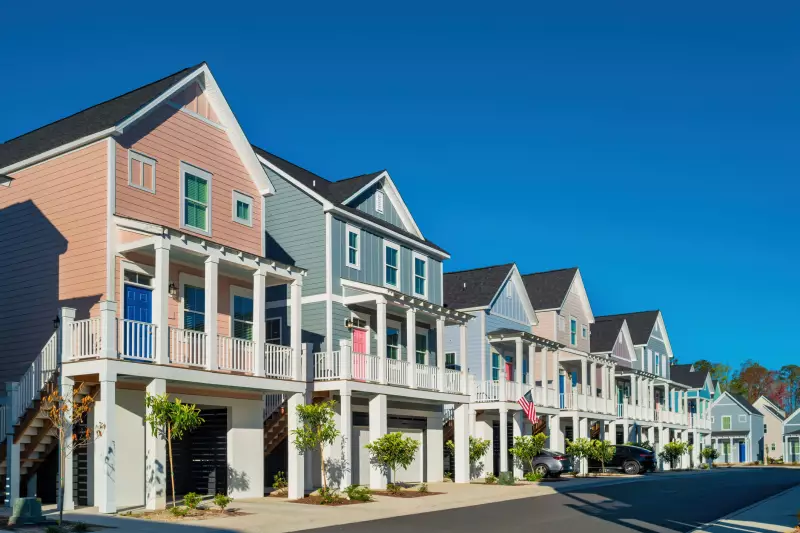
Here are some retirement communities on the East Coast recognized for offering a high quality of life at a more accessible price point than their well-known counterparts. Keep in mind that budgets are personal, and these destinations often trade lower costs for considerations like weather risk and seasonal crowds.
1. Myrtle Beach, South Carolina
A well-established hub for retirees, Myrtle Beach combines a low cost of living with an abundance of amenities. The housing market features a wide range of condos, townhomes, and 55+ communities, making it possible to find options at various budgets. Retirees enjoy miles of beaches, golf courses, and a highly active social scene with ample entertainment and shopping.
- Considerations: Seasonal tourist crowds, hurricane risk.
2. Brunswick, Georgia
Anchoring the Golden Isles, Brunswick offers moss-draped charm, historic character, and coastal living at lower costs than communities in surrounding areas and states (like Florida). Georgia’s retirement income exclusion also provides added tax benefits. If you want ample coastal access without resort prices, then Brunswick is for you.
- Considerations: Hot, humid summers, and higher insurance due to hurricane exposure.
3. New Bern, North Carolina
Located at the confluence of the Neuse and Trent Rivers, New Bern offers affordable waterfront living, historic appeal, and retiree-friendly taxes. It’s ideal for those seeking a slower pace with cultural amenities.
- Considerations: Insurance costs and occasional travel for specialized healthcare or big-city amenities.
4. Beaufort, South Carolina
Known for antebellum architecture and moss-draped oaks, Beaufort offers retirees a slower pace with cultural richness and small-town charm. Housing is more affordable than in Charleston or Hilton Head, and the waterfront lifestyle is appealing, with a strong community feel and access to healthcare and everyday services.
- Considerations: Humid summers and hurricane risk raise insurance costs. May also not be ideal for people who prefer walkable big-city living.
5. St. Augustine, Florida
America’s oldest city blends Spanish colonial charm with coastal living. If you are looking to enjoy historic and coastal beauty, coastal parks, an arts scene, scenic beaches, and quiet residential areas, then St. Augustine may just be the ideal retirement community. Housing costs are moderate compared to Florida’s luxury markets, and healthcare access is also very strong.
- Considerations: Watch out for heavy tourism and higher hurricane insurance.
6. Daytona Beach, Florida
Housing and everyday costs in Daytona Beach are generally more accessible than in many major Florida markets. Condo communities and active-adult developments are common and budget-friendly. The city is also known for its active social scene and is ideal for retirees who want sunshine and activity.
- Considerations: High insurance premiums and tourist crowds.
7. Brunswick Islands, North Carolina
This string of barrier islands on the southern coast of North Carolina provides retirees with quiet coastal living and family-friendly beaches at affordable costs compared to more famous Carolina beach communities like Wilmington or the Outer Banks.
- Considerations: Limited healthcare access, hurricane risk, and seasonal tourism.
8. Lewes, Delaware
Lewes offers small-town charm with good access to bigger-city amenities. Delaware’s tax-friendly policies (no sales tax, low property taxes) make it financially attractive for retirees, especially those prioritizing low tax burden and quiet coastal living.
- Consideration: Winters are cooler than points south, and it can be a busy summer tourist destination.
9. Cape Charles, Virginia
Located on the Eastern Shore, Cape Charles offers retirees a small-town vibe with Chesapeake Bay beaches, historic charm, and affordable housing (compared to more well-known resort towns).
- Consideration: Limited amenities (larger hospitals in particular are farther away) and hurricane risk.
10. Beaufort, North Carolina
Like its South Carolina counterpart, Beaufort is an affordable coastal town that offers quaint waterfront charm, boating, and historic appeal. An ideal retirement community for those who want a slower pace and charm.
- Consideration: Hurricane exposure and limited healthcare access.
11. Palm Coast, Florida
Nestled between Daytona Beach and St. Augustine, Palm Coast offers affordable housing, golf courses, and miles of canals for boating, with lower housing costs than both cities. It’s quieter than nearby tourist hubs, making it attractive for retirees seeking peace with amenities.
- Considerations: Hot and humid summers, hurricane risk.
12. Hampton, Virginia
Located along the Chesapeake Bay shoreline, Hampton (and nearby Virginia Beach suburbs) offers reasonable housing options, strong healthcare access, year-round services, and strong military-supported local economies. Museums, waterfront parks, historical attractions, and medical networks make everyday living comfortable and convenient.
- Considerations: Traffic during peak travel times and higher insurance costs in flood-prone areas.
13. Southport, North Carolina
A picturesque harbor town with historic charm, Southport is popular among retirees for its walkable downtown and coastal vibe. The city’s affordable housing (compared to larger cities) and relaxed pace make it ideal for those who enjoy small-town charm.
- Considerations: Limited local healthcare options and hurricane risk.
14. Tybee Island, Georgia
Tybee Island and nearby Savannah suburbs combine historic charm with coastal living. Housing costs are moderate, and retirees enjoy cultural amenities, beach access, walkability, and vibrant local arts.
- Considerations: Hot summers and weather-related insurance costs.
15. New Smyrna Beach, Florida
A quieter alternative to Daytona, New Smyrna offers artsy charm, surfing culture, and affordable housing. The city is ideal for those who value community and culture; retirees who move here enjoy a slower pace with a strong community feel.
- Considerations: Hurricane risk and seasonal tourism.
16. Chincoteague, Virginia
Known for its wild ponies and quiet pace, Chincoteague offers retirees affordable housing and natural beauty without the pace of larger beach towns.
Considerations: Limited local healthcare and hurricane risk.
Quick Tips for Evaluating Flood Risk and Health Care Access
Here are simple steps to help you keep costs and services in perspective when weighing coastal retirement options:
- Flood Risk and Insurance Costs:
- Get Quotes Early: Before you make an offer, contact at least 2 – 3 local insurance agents for a home insurance quote. Ask specifically about windstorm and hurricane deductibles.
- Check FEMA Maps: Use FEMA’s Flood Map Service Center tool to search the property's address. If it's in a "Special Flood Hazard Area" (Zone A or V), flood insurance will be costly and likely required by your mortgage lender.
- Ask the Seller: Request copies of current insurance bills and any flood claim history to understand long-term expenses.
- Access to Health Care and Local Services:
- Research Hospital Systems: Favor communities with reputable hospital networks for reliable care.
- Check Doctor Availability: Search online for specialists you may need (e.g., "cardiologist in [town/city name]") to gauge how many are in the area.
- Visit in the Off-Season: A community that feels well-serviced in the summer might have reduced hours or closed amenities in the winter. Visit during the quiet season to get a true sense of daily life.
Should You Rent or Buy on the Coast When You Retire?

The decision on whether to buy or rent on the coast when you retire depends on your goals, budget, and comfort level.
Renting makes sense if you:
- Are not sure if you'll love the community or the coastal lifestyle long-term.
- Want to understand the area’s storm and seasonal patterns firsthand.
- Prefer to avoid immediate insurance and maintenance costs.
- Need flexibility to relocate quickly if priorities shift.
Buying makes sense if you:
- Plan to stay long-term (5+ years).
- Want stability and predictable long-term housing costs.
- Are prepared to manage upkeep and maintenance, either personally or by budgeting for services.
- Want full control over your property.
You can consider renting for the first 6 – 12 months before buying. This allows you to test the community, experience the off-season, and confirm your long-term commitment.
FAQs
What Are the Most Affordable Places to Retire near Water on the East Coast?
Communities in the Carolinas, Georgia, Virginia, and parts of coastal Delaware typically offer strong affordability compared to the Northeast or luxury Florida markets.
Are 55+ Communities Cheaper?
Not always. While 55+ communities often feature homes and bundled amenities, which can lower upfront costs, they may also have high HOA fees that offset savings.
How Do I Keep Insurance Reasonable on the Coast?
Look slightly inward (away from the immediate coastline), choose homes outside high-risk flood zones, bundle policies, and compare providers annually.
Which States Are Tax-Friendly for Retirees on the East Coast?
Delaware, Florida, Georgia, and South Carolina are generally considered the most tax-friendly.
Should I Rent Before Buying?
You should strongly consider it. Renting first helps you evaluate the community, understand the true costs, and confirm the lifestyle meets your expectations before making a major investment.
There are several welcoming and affordable communities along the East Coast where retirees can enjoy ocean living, warm weather, and a relaxed lifestyle without overwhelming expenses. But don’t just look for the absolute cheapest house; focus on finding a community where the total cost of living aligns with your retirement budget and your desired lifestyle. The key is diligent research, a clear-eyed evaluation of your needs, and a willingness to explore slightly less famous towns that offer incredible value. With thoughtful planning and perhaps a trial rental period, you can enjoy the coastal lifestyle you’ve always dreamed of without breaking the bank.

Elena Novak leads real estate research and analysis at PropertyChecker.com, where she digs into housing trends, tracks property data, and unpacks investment strategies across the U.S. With a background in flipping homes and a degree in Business and Real Estate Development, she brings a practical, hands-on approach to market analysis. Elena is especially skilled at uncovering hidden property value and guiding both homeowners and investors through shifting market conditions. She's also passionate about sustainable design and smart home innovation. When she's not analyzing the market, she's probably knee-deep in a DIY project, scouting vintage décor, or building something new in her workshop.
Search Property & Deed Records
Table of Contents
- Affordable Places to Retire on the East Coast
- What Makes a Coastal Community “Affordable” in Retirement?
- Housing Costs and Options
- State & Local Taxes
- Insurance Considerations
- Healthcare Access
- Everyday Cost of Living
- Mobility and Amenities
- Quick Map of the Coast (How the East Coast “Clusters” Differ)
- Top Affordable Coastal Retirement Communities
- 1. Myrtle Beach, South Carolina
- 2. Brunswick, Georgia
- 3. New Bern, North Carolina
- 4. Beaufort, South Carolina
- 5. St. Augustine, Florida
- 6. Daytona Beach, Florida
- 7. Brunswick Islands, North Carolina
- 8. Lewes, Delaware
- 9. Cape Charles, Virginia
- 10. Beaufort, North Carolina
- 11. Palm Coast, Florida
- 12. Hampton, Virginia
- 13. Southport, North Carolina
- 14. Tybee Island, Georgia
- 15. New Smyrna Beach, Florida
- 16. Chincoteague, Virginia
- Quick Tips for Evaluating Flood Risk and Health Care Access
- Should You Rent or Buy on the Coast When You Retire?
- FAQs
- What Are the Most Affordable Places to Retire near Water on the East Coast?
- Are 55+ Communities Cheaper?
- How Do I Keep Insurance Reasonable on the Coast?
- Which States Are Tax-Friendly for Retirees on the East Coast?
- Should I Rent Before Buying?