Investment Property Guide

Investment properties are real estate bought to make money, either through rental income, resale, or both. They can be a powerful way to build long-term wealth, but success depends on making the right decisions. Understanding the property, the market, and the risks involved is key.
Before investing, it's important to know how to evaluate a deal, spot potential problems, and avoid costly mistakes. This is where proper research and due diligence come in.
What Is an Investment Property?

An investment property is real estate purchased to generate income, either through rent, resale, or both.
Some investors buy properties to rent them out for steady cash flow, while others focus on buying, improving, and selling for profit. In both cases, the goal is to earn a return.
The difference between a profitable investment and a costly mistake often comes down to research. Understanding the property's condition, history, and risks before buying is essential.
How to Find Investment Properties

Finding investment properties usually requires more than just browsing popular real estate websites. Many of the best deals come from a mix of on-market and off-market sources.
Investors often use several of the following methods:
-
![]()
Real Estate Agents: Partner with agents specializing in investment properties; they can identify listings, "coming soon" properties, and MLS opportunities that are not yet available to the general public.
-
![]()
Online Marketplaces and Tools:
-
MLS & Apps: Redfin and Zillow are primary resources for finding residential listings.
-
Investment Platforms: Use investor-friendly tools to analyze profitability, rental comps, and find off-market, auction, or tenant-occupied properties.
-
Foreclosure Sites: Search for bank-owned homes, HUD homes, and tax liens on sites like Auction.
-
-
![]()
Off-Market & Networking:
-
Networking: Connect with wholesalers, contractors, and other investors through local real estate investment groups or online forums such as Facebook and LinkedIn.
-
Direct Mail: Reach out to property owners in target areas directly with personalized mail campaigns or cold calling.
-
For Sale By Owner (FSBO): Watch for FSBO signs in neighborhoods and check Craigslist listings for potential deals.
-
-
![]()
Proactive Searching:
-
Driving for Dollars: Physically drive through neighborhoods to identify distressed, abandoned, or neglected properties.
-
Wholesalers: Work with wholesalers who specialize in finding discounted properties for investors, secure contracts, and assign them to buyers.
-
-
![]()
Distressed Lead Generation: Monitor public records for pre-foreclosure filings, probate cases, tax delinquencies, and "zombie" properties that are not yet on the open market.


To evaluate a deal, use tools like investment property calculators to estimate cash flow, expenses, and returns. It's also important to research the area, understand tenant demand, and get pre-approved for financing before making an offer.
Investment Strategies

Before investing, it's important to choose a strategy that fits your goals, budget, and level of involvement. Different approaches offer different levels of risk, time commitment, and potential return.
Here are some of the most common real estate investment strategies:
-
![]()
Buy and Hold (Long-Term Rentals): Involves purchasing residential or commercial property to generate consistent, long-term rental income and benefit from appreciation.
-
![]()
Fix and Flip: Purchasing distressed or undervalued properties, renovating them, and selling quickly for a profit. It requires expertise in valuation and construction or a network of skilled craftsmen.
-
![]()
BRRRR Method: Buy, Rehab, Rent, Refinance, Repeat. This approach focuses on forcing appreciation through renovations and refinancings to pull out capital, and on repeating the process to build a portfolio.
-
![]()
REITs (Real Estate Investment Trusts): Companies that own, operate, or finance income-producing real estate. Investors can buy shares on public exchanges, making it a highly liquid, passive investment.
-
![]()
House Hacking: Living in one unit of a multi-unit property (or renting out rooms in a single-family home) while renting out the others to cover or eliminate the mortgage costs.
-
![]()
Wholesaling: Finding off-market, distressed properties, getting them under contract, and assigning that contract to a cash buyer for a fee. Wholesaling requires little to no capital.
-
![]()
Short-Term Rentals (Airbnb): Renting properties on a nightly or weekly basis, often generating higher revenue than long-term rentals but requiring more active management.
-
![]()
Real Estate Syndication/Crowdfunding: Pooling capital with other investors to purchase larger, commercial properties managed by professionals, often enabling passive, high-value investments.


When choosing a strategy, consider how active you want to be, how much time you can invest, and how much capital you have available.
Key Metrics to Evaluate Deals
You must also consider core performance metrics to evaluate profitability. The most common are:
-
Net Operating Income (NOI): Total income from the property minus all operating expenses. It measures the property's ability to generate income, excluding taxes and interest.
-
Capitalization Rate (Cap Rate): Calculated as NOI / Purchase Price (or current market value). It estimates potential returns on investment, enabling quick comparisons between properties.
-
Cash-on-Cash Return (CoC): The ratio of annual pre-tax cash flow to the total amount of cash invested. It measures the return on the actual cash invested, rather than the total property value.
-
Gross Rent Multiplier (GRM): Property Price / Gross Annual Rental Income. This helps investors quickly estimate property value.
-
The 70% Rule: A guideline for flippers stating one should pay no more than 70% of the After Repair Value (ARV) minus repair costs.
Types of Investment Properties

Investment properties are usually grouped by how they are used and the level of risk they carry.
Property Types by Use

-
Residential: Includes single-family homes, apartments, duplexes, and condos. These are commonly used for long-term rentals, vacation rentals, or house flipping.
-
Commercial (CRE): Office buildings, retail spaces, and hotels. These rely on business tenants and economic conditions.
-
Industrial: Warehouses, distribution centers, and manufacturing facilities.
-
Mixed-Use: Properties that combine residential and commercial elements in one, such as retail on the ground floor and apartments above. These are usually positioned in urban areas.
-
Land: Raw land is the highest-risk asset, as it generates no income until it is developed or sold. However, they provide opportunities for ground-up development, land banking for future rezoning, or agricultural leasing.
Investment Risk Levels
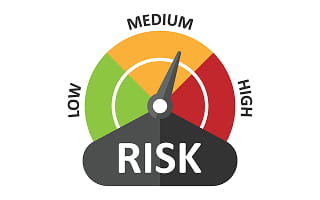
-
Core: Low-risk, high-quality, stabilized properties in prime locations, usually producing consistent, low-return income.
-
Core-Plus: Moderate risk. Stabilized properties that may require minor improvements or leasing efforts to enhance their value.
-
Value-Add: Higher risk. Underperforming or older properties requiring significant renovations, upgrades, or management improvements.
-
Opportunistic: Highest risk. Ground-up development, specialized projects, or heavily distressed assets that require higher capital investment.
What to Check Before You Invest

Before investing in real estate, take time to evaluate the property, the location, and the financial risks. Look at the area's growth potential, estimate your cash flow (rent minus expenses), and assess the property's condition. You should also review financing options, taxes, zoning rules, and any legal restrictions.
Careful research can help you avoid costly mistakes. Before making a decision, check the following:
-
![]()
Ownership Verification: Confirm the legal seller holds the title and identify any "clouded" ownership (e.g., multiple heirs in a probate situation).
-
![]()
Title and Deeds: Review the chain of title to ensure there are no breaks or competing claims.
-
![]()
Liens and Encumbrances: Search for recorded financial claims, including unpaid contractor bills (mechanic's liens), county or IRS tax liens, or unpaid municipal utility bills.
-
![]()
Lis Pendens Filings: Determine whether the property is currently the subject of a lawsuit that could prevent a clean title transfer.
-
![]()
Location and Market Trends: Research job growth, population trends, crime rates, and proximity to amenities to ensure high demand and potential appreciation.
-
![]()
Property Condition and Inspection: Hire professionals to check the foundation, roof, HVAC, and plumbing. Factor in repair or replacement costs.
-
![]()
Due Diligence (Legal and Zoning): Review zoning ordinances, land use restrictions, easements, and potential liens on the property.
-
![]()
Foreclosure Status: Check for Notices of Default (NOD) or scheduled Trustee Sales that may impact the acquisition timeline.
-
![]()
Permit and Property History: Ensure all previous renovations were legally permitted (building permits) and that the property does not have outstanding building code violations.


Summary of Investment Due Diligence
Successful real estate investing is not based on luck. It comes from understanding the property, the market, and the risks before making a decision.
Looking beyond surface details is essential. Reviewing ownership records, liens, and property history helps you avoid unexpected problems and make better decisions.
Before closing, make sure you fully understand what you're buying. Careful research can reduce risk and help you protect your investment.
PropertyChecker provides access to publicly available property data, including ownership history, liens, and permits, helping you evaluate properties with more confidence.
Table of Contents
Investors Properties Resources
- How to Buy Probate Real Estate Properties
- How to Find Investment Properties
- How to Profit from Fixer Upper Homes
- What Is a Deed-in-Lieu of Foreclosure
- Government and Seized Property Auctions
- How Property Auctions Work
- How to Buy Bank-Owned Properties
- How to Buy Tax Lien Properties
- How to Choose a Property Investment Company
- How to Finance an Investment Property
- How to Find and Buy FSBO Homes
- How to Find Investment Properties
- How to Find Off-Market Properties
- How to Find Vacant Homes in the US
- What Is a Cloud on Title
- How to Wholesale Real Estate
- Restrictive Covenants and Deed Restrictions
- Types of Warranty Deeds
- What Are Easements
- What Are Encumbrances in Real Estate
- What Are HOA Liens
- What Are Real Estate Investment Trusts
- What Are REO Properties
- How to Find Tax Delinquent Properties
- What Are UCC Liens
- What Is a Bargain and Sale Deed
- What Is a Deed of Reconveyance
- What Is a Judgment Lien
- What Is a Lis Pendens
- What Is a Mechanic's Lien
- What Is a Quiet Title Action
- What Is a Quitclaim Deed
- What Is a Short Sale in Real Estate
- What Is a Special Warranty Deed
- What Is a Statutory Warranty Deed
- What Is Adverse Possession
- What Is Skip Tracing in Real Estate
- How to Use the BRRRR Method
- What Is Vacant Home Insurance