Tiny Homes and Small Houses You Can Buy and What You Should Know
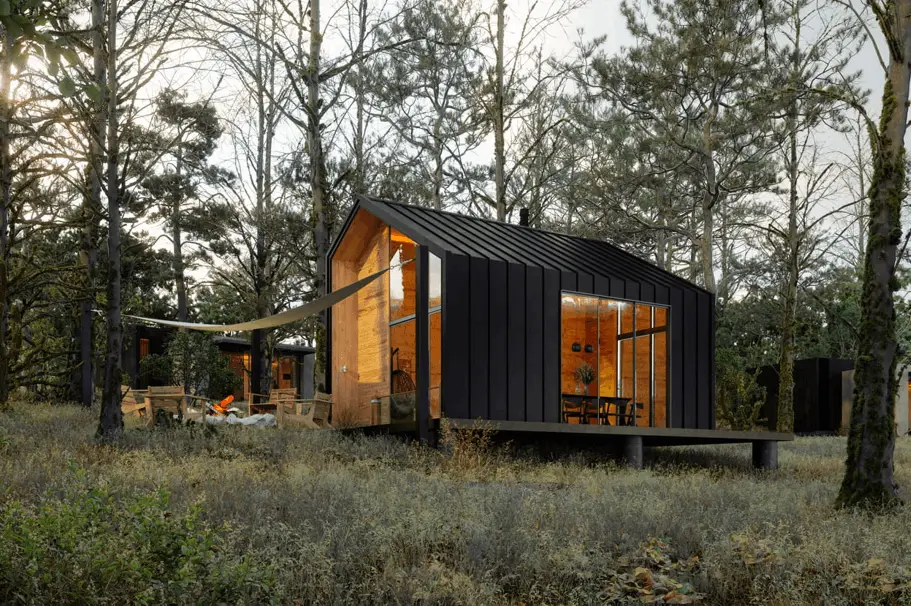
Table of Contents
- Tiny Homes and Small Houses You Can Buy and What You Should Know
- What Are the Benefits of the Tiny House?
- What Are the Challenges of Tiny Homes?
- Different Types of Tiny Homes
- How Much Do Tiny Homes Cost?
- Where Can You Find Tiny Homes and Mini Homes for Sale?
- What Should You Check Before Buying a Tiny Home?
- FAQs
- Are tiny homes legal everywhere?
- Can you get a mortgage for a tiny home?
- Are tiny homes a good investment?
- What is the cheapest type of tiny home?
- Can tiny homes be placed on residential land?
Tiny homes are small houses, usually under 400 square feet, designed to make the most of limited space. Compared to traditional homes, they are much smaller but often more efficient.
In recent years, they’ve become more popular among people looking to lower costs, simplify their lifestyle, or reduce their environmental impact. Some buyers are also drawn to the flexibility, especially when it comes to mobile tiny homes.
What Are the Benefits of the Tiny House?
Cost is one of the main reasons people choose tiny homes. They are usually much cheaper than traditional houses, and some buyers can even pay in full without needing a mortgage.
Living costs are also lower. Smaller spaces mean reduced utility bills for heating, cooling, and electricity. Maintenance is usually simpler and more affordable because there is less to repair and manage.
Tiny homes can also offer more flexibility. Mobile options let you move without leaving your home behind, appealing to people who value freedom and travel.
Finally, living in a smaller space often encourages a more intentional lifestyle. With less room, many owners focus on what they truly need and avoid unnecessary clutter.
What Are the Challenges of Tiny Homes?
Tiny homes come with a few challenges that are important to understand before making a decision.
Zoning is one of the biggest obstacles. Some cities and counties have minimum size requirements for homes, which can make it difficult or even impossible to place a tiny house on certain land. Rules vary by location, so it’s important to check local regulations early.
Financing can also be more difficult. Many traditional lenders do not offer mortgages for tiny homes, especially those on wheels. Buyers often rely on personal loans, RV loans, or alternative lenders.
Insurance is another area to consider. Not all providers cover non-traditional homes, which can limit your options or increase costs.
There are also practical challenges. Smaller spaces mean less storage and less privacy, especially if more than one person lives there. Utility access can also be an issue, particularly in rural areas where connections may not already be in place.
Different Types of Tiny Homes
Tiny homes come in several forms, depending on how they are built and used:
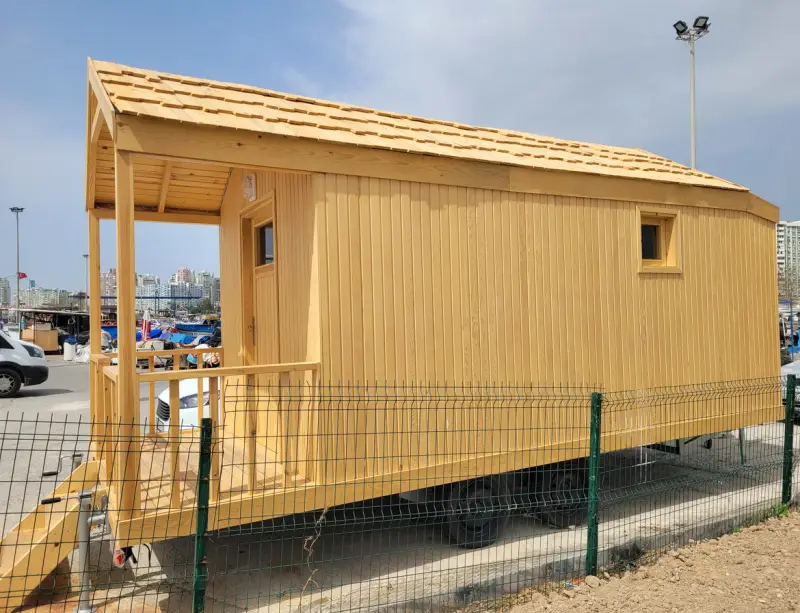
- Tiny houses on wheels (THOWs): Built on trailers and can be moved. They offer flexibility but may fall into a legal gray area in some locations.
- Foundation-based tiny homes: Permanently placed on land and built like traditional houses. Usually easier to finance, insure, and connect to utilities.
- Prefab and modular tiny homes: Built in a factory and delivered to your site. Faster to build with more consistent quality.
- Container homes: Made from converted shipping containers. Durable and customizable, but require proper insulation and site preparation.
- A-frame and cabin-style homes: Slightly larger but still compact. Often used as vacation homes or rustic primary residences.
- Park model homes: Designed to stay in one place, typically in RV or mobile home parks. A low-maintenance option without mobility.
How Much Do Tiny Homes Cost?
The cost of a tiny home depends on its type, size, and level of customization.
At the lower end, basic tiny homes or shell units can start around $10,000 to $30,000. A well-built, move-in-ready tiny home usually costs between $50,000 and $150,000. High-end custom builds can go well beyond that.
Mobility also affects price. Tiny homes on wheels often cost more per square foot than fixed homes because of the trailer and additional structural requirements.
Land is another major expense that buyers sometimes overlook. If you don’t already own land, you will need to budget for purchasing or renting a lot, along with site preparation and utility connections. In some cases, these costs can be as high as the home itself.
Where Can You Find Tiny Homes and Mini Homes for Sale?
There are more options than most buyers expect when searching for tiny homes.
Online marketplaces are a common starting point. Platforms like Tiny House Listings, Tiny House Marketplace, and general sites such as Facebook Marketplace or Craigslist often feature a wide range of options, from basic units to fully finished homes. RV-focused websites and auction platforms may also list small homes.
Working directly with builders is another reliable option. Many companies offer both custom builds and ready-to-ship models. Searching for local prefab or modular home manufacturers can also help you find available inventory in your area.
If you are looking for lower-cost options, try searching for secondhand units or discounted builds. These may include used tiny homes, foreclosures, or builder clearance inventory that does not always appear on major listing sites.
What Should You Check Before Buying a Tiny Home?
Before buying a tiny home, make sure you understand the rules for where you plan to place it.
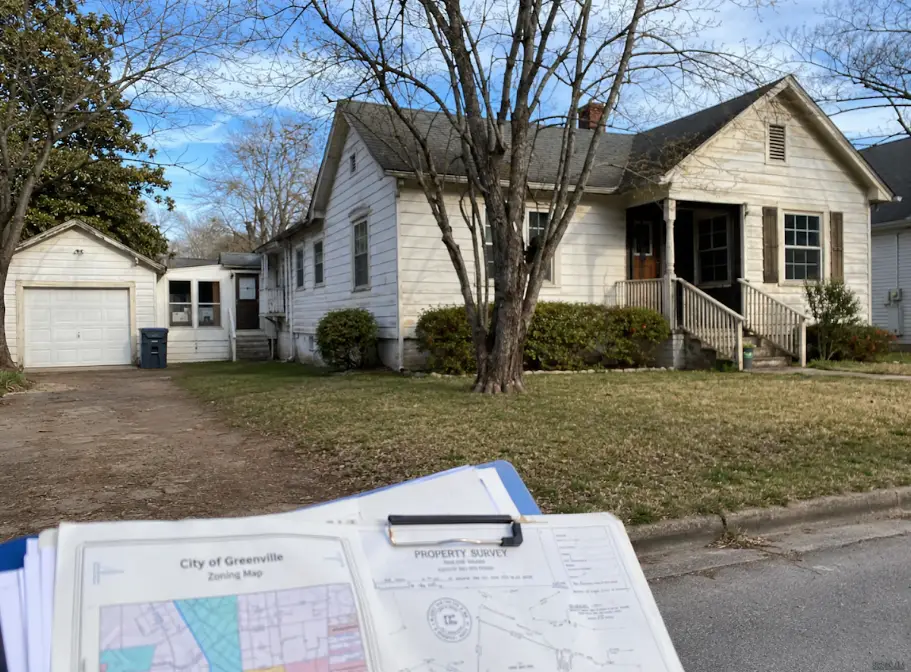
Start with zoning. Contact your local planning department to confirm whether tiny homes are allowed, what permits are required, and if there are minimum size requirements.
Check whether the home is mobile or on a permanent foundation. This affects financing, insurance, taxes, and where you can legally place it. If it’s on wheels, review the trailer condition, towing requirements, and road regulations in your state.
If the home will be placed on land, confirm utility access. Check whether water, electricity, and sewer connections are available, or if you’ll need off-grid systems such as solar, a well, or a septic tank.
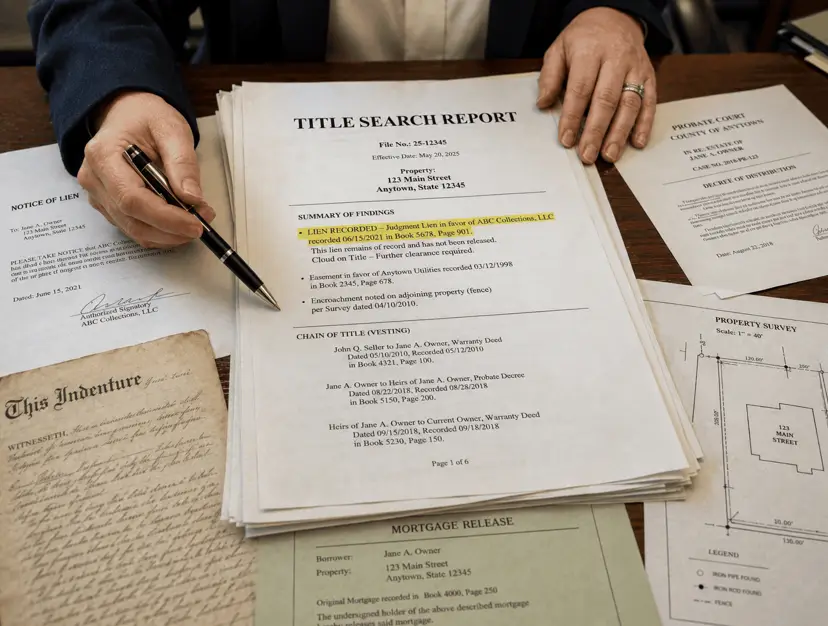
It’s also important to verify property details before committing to land. Public property records can help confirm ownership, zoning, and any restrictions. PropertyChecker.com provides access to publicly available property information, depending on location and local laws, and can be helpful when researching a specific parcel.
FAQs
Are tiny homes legal everywhere?
No. Legality depends heavily on local zoning laws and building codes. Some areas are very tiny-home-friendly, while others have minimum-size requirements that effectively prohibit tiny homes. Always check with your local planning department before buying or placing a tiny home.
Can you get a mortgage for a tiny home?
It depends on the type of tiny home. Foundation-based units that meet local building codes may qualify for a traditional mortgage or an FHA loan. Tiny homes on wheels are more commonly financed through personal loans, RV loans, or chattel loans.
Are tiny homes a good investment?
They can be, but not always in the traditional sense. Tiny homes on wheels tend not to appreciate as much as a conventional home does. Foundation-based homes in desirable locations are more likely to appreciate over time. Many owners find the real return is in lifestyle savings rather than resale value.
What is the cheapest type of tiny home?
DIY shell kits and secondhand tiny homes are usually the most affordable entry points. Container homes can also be cost-effective, depending on the scope of the conversion. Basic prefab units from budget manufacturers are another option for buyers watching costs closely.
Can tiny homes be placed on residential land?
Sometimes. Some residential zones allow accessory dwelling units (ADUs) or small homes on existing lots. Others do not. The answer depends entirely on local zoning rules, so check with your municipality before purchasing land or a home.

Elena Novak leads real estate research and analysis at PropertyChecker.com, where she digs into housing trends, tracks property data, and unpacks investment strategies across the U.S. With a background in flipping homes and a degree in Business and Real Estate Development, she brings a practical, hands-on approach to market analysis. Elena is especially skilled at uncovering hidden property value and guiding both homeowners and investors through shifting market conditions. She's also passionate about sustainable design and smart home innovation. When she's not analyzing the market, she's probably knee-deep in a DIY project, scouting vintage décor, or building something new in her workshop.
Search Property & Deed Records
Table of Contents
- Tiny Homes and Small Houses You Can Buy and What You Should Know
- What Are the Benefits of the Tiny House?
- What Are the Challenges of Tiny Homes?
- Different Types of Tiny Homes
- How Much Do Tiny Homes Cost?
- Where Can You Find Tiny Homes and Mini Homes for Sale?
- What Should You Check Before Buying a Tiny Home?
- FAQs
- Are tiny homes legal everywhere?
- Can you get a mortgage for a tiny home?
- Are tiny homes a good investment?
- What is the cheapest type of tiny home?
- Can tiny homes be placed on residential land?