Attached vs Detached Home: Which One Is Right for You?
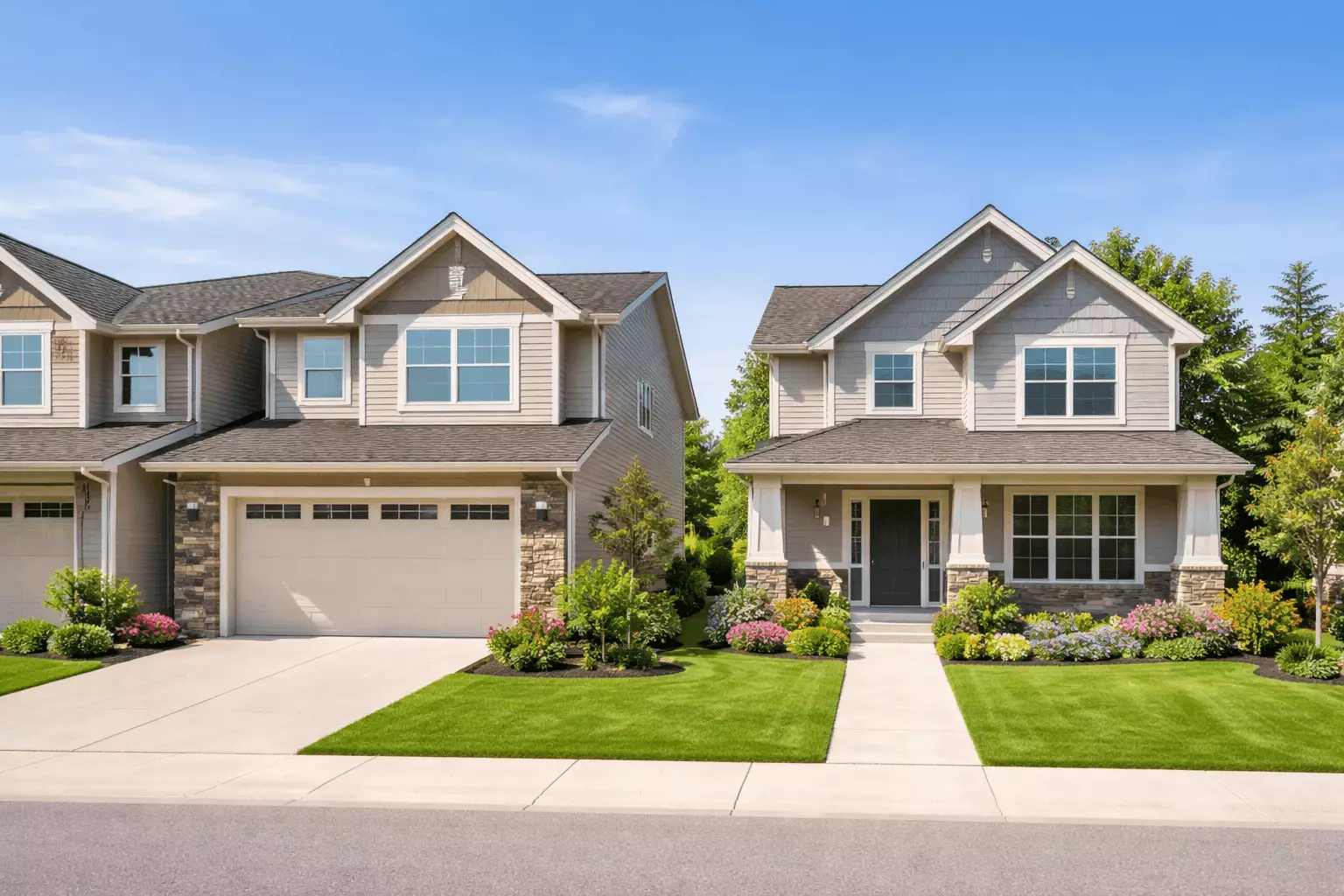
Table of Contents
- Attached vs Detached Home: Which One Is Right for You?
- What Counts as “Attached” vs. “Detached” in Single-Family?
- Pros & Cons
- Cost of Ownership: Where the Dollars Go
- Decision Helper: Which Fits You?
- FAQs
- Do Attached Homes Always Have an HOA?
- Is a Detached Home Always More Expensive?
- Which Appreciates Faster?
- Are Attached Homes Noisier?
- Can I Build an ADU?
- Is Insurance Different?
You’ve decided you want a single-family home, a place for you and your family to call your own. But as you browse listings, you notice something: some homes stand alone with space on all sides, while others share a wall with a neighbor. This is the fundamental choice between a detached and an attached home. Understanding this difference is about more than just architecture; it’s about choosing a lifestyle. Your decision will impact your privacy, monthly budget, maintenance responsibilities, and even the rules you have to live by.
Let’s explore the key differences between these two housing styles to help you determine which type of single-family home is the best fit for you.
What Counts as “Attached” vs. “Detached” in Single-Family?
Let’s start with the basics. Both attached and detached homes are considered "single-family" because they are designed for one household. The key distinction between them is whether the home physically shares walls (or other structural elements) with a neighbor:
- Detached Single Family Home: A detached home stands completely on its own. It shares no walls, ceilings, or foundations with neighboring houses and is surrounded by its own parcel of land. The owner typically owns both the home and the land beneath it, including any yard, driveway, or garage.
- Attached Single Family Home: An attached home shares at least one wall (and sometimes a roof or foundation) with another home, even though each unit is separately owned. This connection to a neighboring structure is what makes it “attached.” The most common examples are townhomes (often sharing one or two side walls) and duplexes (one building divided into two separate units).
Pros & Cons

Here’s a balanced breakdown of the key pros and cons of a detached vs attached family home to help you weigh the benefits and trade-offs for each:
- Privacy & Noise:
- Detached homes typically offer maximum privacy with no shared walls, reducing noise and neighbor disturbances.
- Attached homes generally offer less privacy, with their shared walls leading to potential noise and less personal space. There is also the risk of shared structure issues like roof leaks, plumbing problems, or pest infestations spreading between units.
- Outdoor Space & Land Use:
- Detached homes typically include private front and backyards (ideal for pets, gardening, or outdoor living).
- Attached homes often have limited or shared outdoor areas, with smaller yards or patios.
- Maintenance & Responsibility:
- Attached homes usually come with HOA-managed maintenance for exteriors, roofs, and landscaping,
- For detached homes, you will be fully responsible for all upkeep, from the roof to the lawn.
- Purchase Price & Affordability:
- Attached homes are generally more affordable due to shared construction and land costs.
- Detached homes tend to cost more upfront and may carry higher property taxes and insurance.
- Customization & Control:
- Detached homes allow greater freedom to renovate, paint, or landscape without needing approval (except for local regulations or where HOA rules apply).
- Attached homes often require HOA approval for exterior changes and may have restrictions on personalization.
- Location & Convenience:
- Attached homes are more commonly found in urban or walkable suburban areas, close to shops, transit, and amenities.
- Detached homes are often located farther from city centers, potentially increasing commute times.
- Energy Efficiency:
- When it comes to energy efficiency, attached homes benefit from shared walls, which can improve insulation and reduce heating/cooling costs.
- Detached homes may have higher utility bills due to more exposed exterior walls.
- Community & Lifestyle:
- Attached homes often foster a stronger sense of community, with shared amenities like pools, gyms, or parks.
- Detached homes may feel more isolated, though they offer greater independence.
- Resale & Investment:
- Detached homes typically have stronger resale value and broad market appeal.
- Attached homes usually appreciate more slowly and appeal to a narrower buyer segment.
Now, let’s look at who each housing style would be best for:
- Detached homes are ideal for families, pet owners, or buyers who prioritize space, privacy, and long-term investment, don’t mind handling (or outsourcing) maintenance, and want the freedom to customize their home without seeking approval for exterior changes (beyond local permits).
- An attached single-family home would be great for first-time buyers, downsizers, empty-nesters, or anyone seeking affordability, convenience, and a lower-maintenance lifestyle in a community setting.
Cost of Ownership: Where the Dollars Go

When comparing attached and detached homes, you also have to consider the long-term financial implications. While attached homes often have a lower sticker price, the full cost of ownership depends on several factors:
- Purchase Price: Detached homes typically have a higher purchase price (since you’re paying for both the structure and the full parcel of land), while the purchase price for attached homes is usually lower because land and construction costs are shared.
- Maintenance & Repairs: While attached homes typically have lower purchase prices, you will usually have to pay homeowner association (HOA) fees monthly, quarterly, semi-annually, or annually, depending on the specific HOA. However, these fees often cover yard work and exterior maintenance, which can be quite cost-effective. On the other hand, detached homeowners are responsible for maintaining the property, which can be more costly and time-consuming, especially for homes with a lot of outdoor space. You must also budget for large, infrequent expenses (like a new roof or HVAC system).
- Utility Costs: Detached homes generally cost more to heat and cool because they’re fully exposed, while attached homes benefit from better insulation efficiency (due to their shared walls and smaller footprint).
- Insurance: Detached homes require full homeowner’s insurance covering both structure and land. Attached homes may have lower insurance costs if the HOA covers exterior damage or shared areas.
- Property Taxes: Taxes are usually higher for detached homes due to the land value and square footage. Attached homes typically occupy smaller lots, which reduces their assessed value.
- Appreciation Potential: Detached homes typically appreciate faster because of land ownership and buyer demand for privacy and independence. While attached homes appreciate too, they usually do so at a slower pace.
Decision Helper: Which Fits You?
If you’re still stuck on “detached vs attached home,” here’s a quick guide to help you reach a decision:
- Choose a detached home if you:
- Value privacy and space
- Can afford a relatively higher purchase price
- Have a growing family or pets
- Want control over your property and how you customize it
- Prefer a long-term investment with stronger appreciation
- Don’t mind doing (or paying for) maintenance and yard work
- Choose an attached home if you:
- Want a lower purchase price and easier entry into homeownership
- Plan to downsize or own a low-maintenance second home
- Don’t mind HOA rules and community living
- Prefer a low-maintenance, “lock and leave” lifestyle
- Like being close to shops, schools, or downtown areas
FAQs
Do Attached Homes Always Have an HOA?
Not always, but most do. These HOAs typically manage shared spaces, exterior maintenance, and also enforce community rules. You should always check the HOA fees and rules before making an offer. Also, keep in mind that detached homes may also have HOAs, especially in planned communities, but they tend to be less restrictive.
Is a Detached Home Always More Expensive?
Usually, yes, especially on a price-per-square-foot basis. They generally cost more due to larger lot sizes, full ownership of the structure, and greater privacy. However, location, condition, and market trends can affect pricing.
Which Appreciates Faster?
It’s highly market-dependent. Detached homes often appreciate more steadily due to land value and consistent demand. However, well-maintained attached homes in desirable, low-maintenance communities can also see excellent value growth.
Are Attached Homes Noisier?
They have more potential for noise transfer through shared walls. However, the actual experience depends heavily on the quality of construction (e.g., concrete firewalls between units are much quieter) and your neighbors. Newer homes often use better soundproofing between shared walls, but privacy is still greater in detached homes.
Can I Build an ADU?
You can usually do so on detached properties, provided local zoning allows it. Most attached homes often either lack the necessary land/space for an accessory dwelling unit or have HOA restrictions that prohibit them entirely.
Is Insurance Different?
Yes. For a detached home, you will typically require full homeowner’s insurance covering the entire structure. Attached homes (especially in HOAs) often have a master insurance policy for the building exterior, and you may only need interior or “walls-in” coverage. Always check what the HOA covers before buying.
The choice between an attached and detached single-family home ultimately comes down to how you want to live. Detached homes offer maximum privacy, space, and long-term flexibility but demand more upkeep and investment. On the other hand, attached homes provide affordability, convenience, community, and low maintenance, but with shared walls and less control. There is no universally better option, only the one that fits your lifestyle, budget, and priorities. By weighing the practical trade-offs in privacy, cost, maintenance, and rules, you can make a confident choice that supports your desired lifestyle for years to come.

Elena Novak leads real estate research and analysis at PropertyChecker.com, where she digs into housing trends, tracks property data, and unpacks investment strategies across the U.S. With a background in flipping homes and a degree in Business and Real Estate Development, she brings a practical, hands-on approach to market analysis. Elena is especially skilled at uncovering hidden property value and guiding both homeowners and investors through shifting market conditions. She's also passionate about sustainable design and smart home innovation. When she's not analyzing the market, she's probably knee-deep in a DIY project, scouting vintage décor, or building something new in her workshop.
Search Property & Deed Records
Table of Contents
- Attached vs Detached Home: Which One Is Right for You?
- What Counts as “Attached” vs. “Detached” in Single-Family?
- Pros & Cons
- Cost of Ownership: Where the Dollars Go
- Decision Helper: Which Fits You?
- FAQs
- Do Attached Homes Always Have an HOA?
- Is a Detached Home Always More Expensive?
- Which Appreciates Faster?
- Are Attached Homes Noisier?
- Can I Build an ADU?
- Is Insurance Different?