How Old Is Your House and Why Does It Matter?
Table of Contents
- How Old Is Your House and Why Does It Matter?
- Why It Matters to Know When a House Was Built
- Homeowners
- Buyers
- Sellers
- Investors
- How Old is My House, and is it a Problem?
- Easy Ways to Find Out When a House Was Built
- Deeds and the Chain of Title
- Ask Your Title Insurance Provider
- Reference Tax Documents
- Check Building Permit Records
- Use Online Property Search Tools
- What If the Listing States the Wrong Age?
- FAQs
- What if different sources show different dates?
- How can I find out how old my house is if I don’t have any paperwork?
- What’s the quickest way to check what year was my house built before I make an offer?
- Can I find out who built my house from public records?
- Does the exact year built really matter when buying or selling?
- Is it possible that “year built” refers to a major renovation instead of the original construction?
Figuring out a house’s age is an important consideration, regardless of what side of the sale you’re sitting on. Age informs multiple factors, such as whether the building is safe, the cost of future repairs, and the risk to lenders.
In some cases, finding out when a house was built is as easy as checking an online deed database. Other times, the answer isn’t so obvious, especially with older homes in rural areas. Poor recordkeeping can make it challenging to find the exact year a house was built.
There are several ways to track down your home’s age; however, most involve public records requests and may require a visit to a county office.
Why It Matters to Know When a House Was Built
A house’s age represents high costs that must be budgeted for by anyone attempting to buy or sell the property.
Homeowners
The construction year provides information about the property’s critical components, such as the plumbing system or the foundation. The home’s hidden infrastructure is challenging to repair, and preemptive upgrades on outdated parts can save tens of thousands of dollars.
Buyers
People who are property hunting often check when the house was built when comparing properties. The age of a home can be factored into price negotiations, due to higher maintenance costs and insurance premiums.
Sellers
Before sellers, homeowners should ask themselves, “when was my house built?” The construction year is an important part of their listing’s basic information. Potential buyers will be curious, and having complete information is a good start to that relationship. That said, confirming the home’s age is typically part of the buyer’s due process.
Investors
Real estate investors use the construction year to estimate long-term expenses. Older properties experience more maintenance issues, making them more challenging to resell and pushing away potential renters. Knowing an approximate age allows investors to budget and calculate risk.
How Old is My House, and is it a Problem?
There are countless factors that go into the decision to purchase a property. It is hard to judge how much weight you should put on the house’s age.
In real estate, whether a house is “too old” will be a personal decision. If properly maintained, most US homes built in the mid-20th century remain modern and safe, in line with current building codes. However, individual preferences often make these homes less than desirable to certain buyers.
Homes built in the past few decades are often called “modern.” These properties are likely built from modern construction materials and updated electrical systems. The expected maintenance costs for these homes are not significantly different from those of homes built within the decade.
Older properties built in the 1980s or earlier should be approached with more caution. Many of these homes are structurally sound but may need their systems more closely inspected. Owners must consider the high costs of updating systems, such as roofs, heating, or plumbing.
Homes built before the mid-20th century have a special charm, but often feature outdated systems or materials. Homeowners may need to perform significant renovations to enjoy modern amenities.
Ultimately, a home's condition matters just as much as its age. A well-maintained older property can sometimes be in better shape than a newer home that hasn’t been properly cared for.
Easy Ways to Find Out When a House Was Built
No need to make things harder than they need to be. Interested parties should start with the easiest sources and reserve the more in-depth investigation for last. In most cases, the information is readily accessible in documents.
Also, buyers should be wary of relying on the “year built” section in a listing. The seller may misremember or simply not know the actual year. Confirming this information is the buyer’s responsibility, as they are the ones taking the risk.
Deeds and the Chain of Title
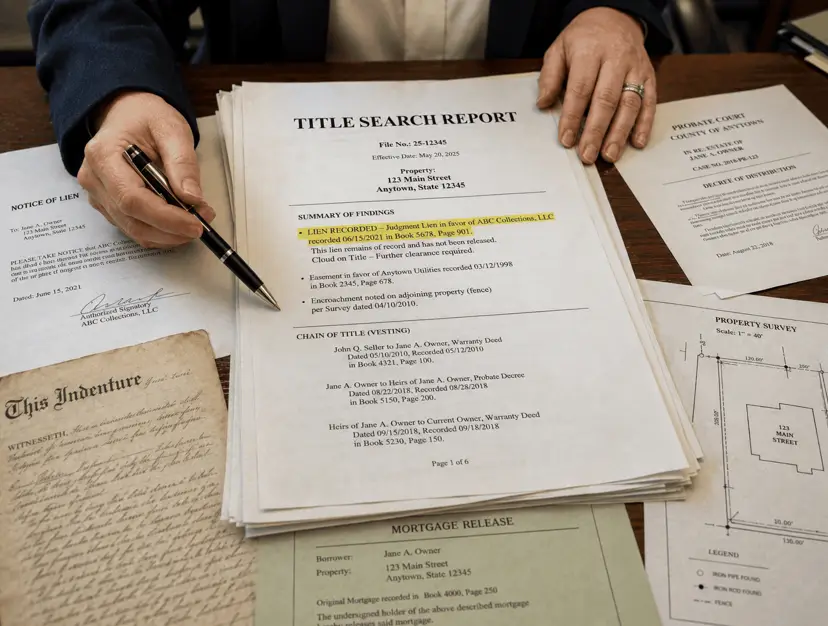
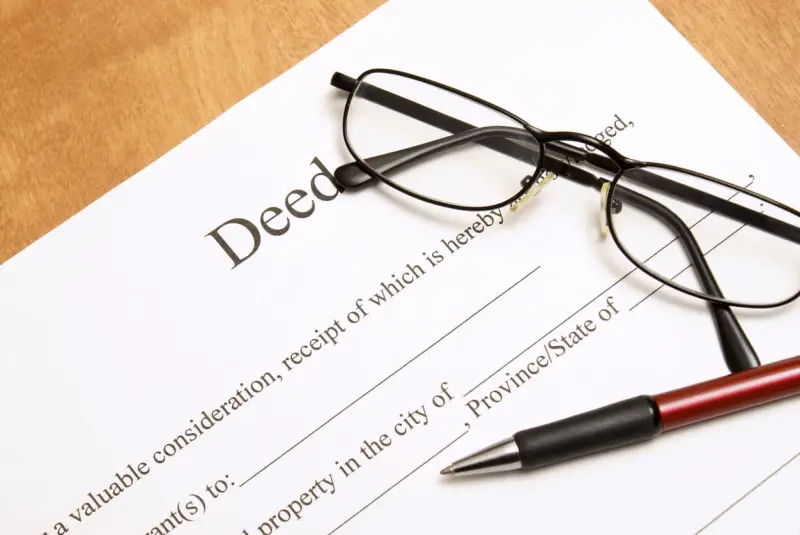
Those interested can find out when the house was built on the property’s deed or through inspection reports. Both of these record types are available through the county recorder’s office or their online database.
If you cannot find it on the most recent deed, it may appear on earlier deeds. For most modern homes, the oldest recorded deed will approximate the build date.
Ask Your Title Insurance Provider
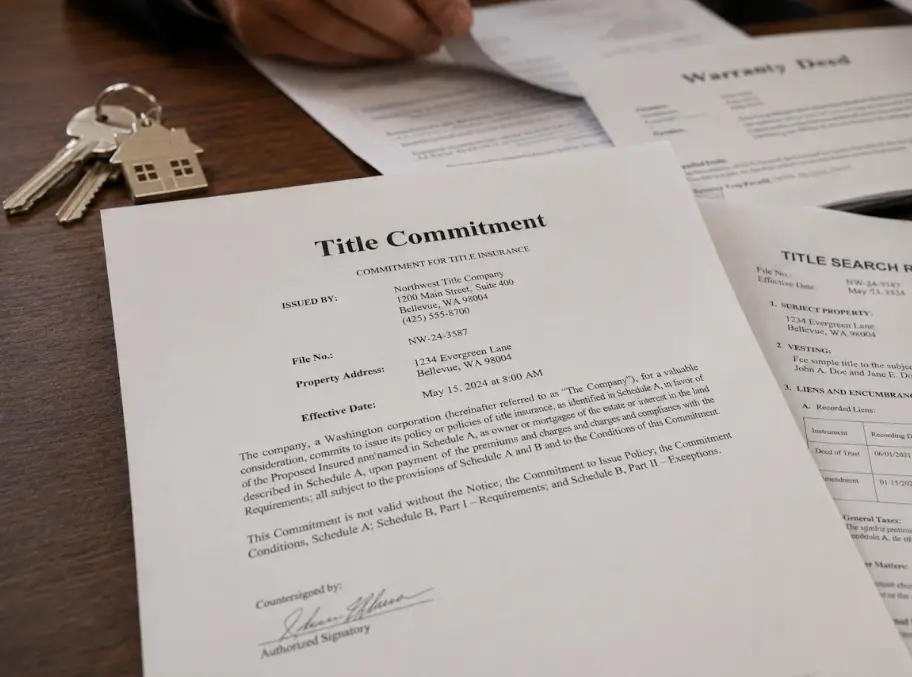
Title insurance policies often include the home’s build date. These companies use the house’s age to assess the structure’s risk. Policies are typically available through the provider’s online portal, but homeowners can also request a copy.
Mortgage lenders also require a title insurance policy before financing a home. They may be able to provide a copy, but this option is limited to the homeowner.
Reference Tax Documents
Tax documents are connected to the land parcel. This means that you can locate tax documents from when the parcel was a vacant lot or when a house was built there.
You can request tax documents through the county tax assessor’s office or appraisal district. These documents may also be available in an online database; however, many counties’ digital records only go back a few years.
Remember that property tax assessments are filed annually, but for the previous year. This means that tax documents filed in 2026 refer to the property as it was in 2025.
Check Building Permit Records
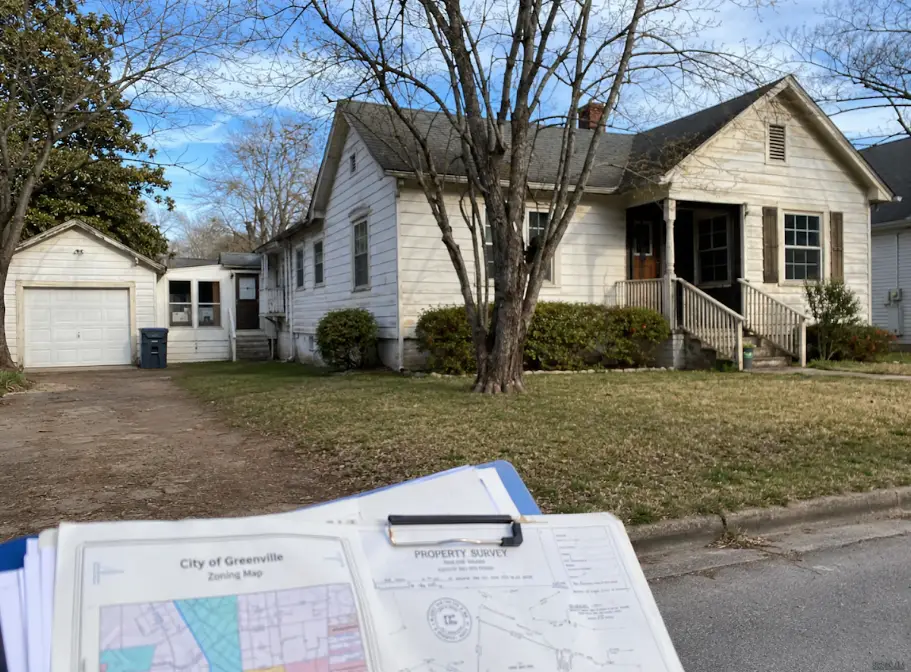
Building a house requires various permits for plumbing, electrical, HVAC, and other work. These permits are available at the local permitting office and are also kept with the general property record database.
You can find the original building permit for the property, which will show the date construction was approved. This date is not necessarily the year the house was built, as construction can take years. However, building projects typically must show active progress or the permit expires, so the permit issuance date is a reasonable approximation of the build date.
Use Online Property Search Tools
Several online platforms compile property information from public records. Their reports cover aspects like floor plans, lot size, ownership information, and construction date. The information is accurate because it is cross-checked against data from multiple sources.
What If the Listing States the Wrong Age?

Sellers do not always confirm their home’s age before listing it. They may just go with what the previous owner told them and perpetuate the wrong build year. So, it is generally the buyer’s responsibility to ensure they have all the necessary information.
In most cases, being off by a few years is not a significant problem. The listing might say the home was built in 2003, while property records show it was built in 2001. These slight discrepancies often occur when records are filed late or when construction takes a long time.
Larger differences between the real and listed year built sometimes occur when a property has been extensively renovated. A listing may refer to the year of a major renovation, such as updated plumbing or electrical systems, rather than the original construction date.
The seller may list this renovation date because they don’t want the property associated with the negative aspects of other older homes. If you notice a possible error, it is a good idea to ask the listing agent directly. Agents can verify and explain the information.
Finding out when a house was built usually involves checking a few common sources. In many cases, the information can be found in closing documents, tax records, building permits, or online property records maintained by the county.
Understanding a home's age provides valuable insight into its history, construction, and likely maintenance needs. Whether you’re buying, selling, or simply learning more about your property, knowing when the house was built helps you make more informed decisions about the home.
FAQs
What if different sources show different dates?
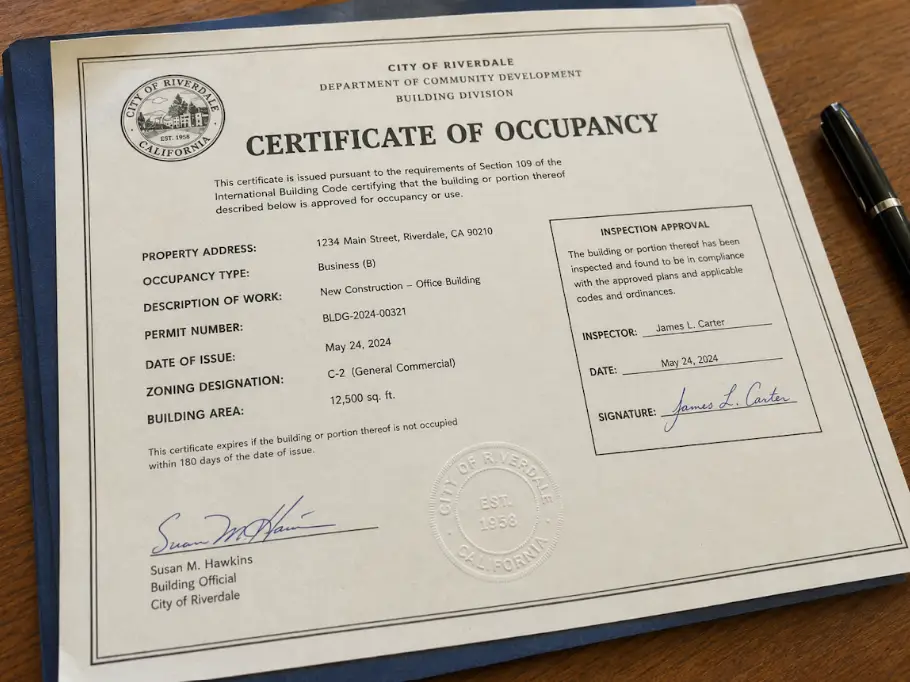
A house’s build year is based on when construction is completed, and the government issues a Certificate of Occupancy. Records may show different build years for various reasons, including:
- Late filing for Certificate of Occupancy
- Clerical error on an updated deed
- Build date is confused for a major renovation
How can I find out how old my house is if I don’t have any paperwork?
Homeowners can request paperwork through their local county offices. Home build years can be found in tax records, title insurance policies, and deeds. You can also search with online property record reports.
What’s the quickest way to check what year was my house built before I make an offer?
Buyers can quickly check a home’s build year using an online property search tool. These tools compile information from multiple public record sources for greater accuracy.
Can I find out who built my house from public records?
Building permit records will list the contractor responsible for construction. Subdivisions will list the developers, but may not show individual subcontractors’ names.
Does the exact year built really matter when buying or selling?
A home’s age helps buyers budget for potential maintenance costs. Lenders and insurance providers use the information to determine the property’s risk.
Is it possible that “year built” refers to a major renovation instead of the original construction?
Yes, some sellers list the most recent major renovation or remodel rather than the build year. They do this because they want the listing’s focus to be on its upgrades rather than its age.

Elena Novak leads real estate research and analysis at PropertyChecker.com, where she digs into housing trends, tracks property data, and unpacks investment strategies across the U.S. With a background in flipping homes and a degree in Business and Real Estate Development, she brings a practical, hands-on approach to market analysis. Elena is especially skilled at uncovering hidden property value and guiding both homeowners and investors through shifting market conditions. She's also passionate about sustainable design and smart home innovation. When she's not analyzing the market, she's probably knee-deep in a DIY project, scouting vintage décor, or building something new in her workshop.
Search Property & Deed Records
Table of Contents
- How Old Is Your House and Why Does It Matter?
- Why It Matters to Know When a House Was Built
- Homeowners
- Buyers
- Sellers
- Investors
- How Old is My House, and is it a Problem?
- Easy Ways to Find Out When a House Was Built
- Deeds and the Chain of Title
- Ask Your Title Insurance Provider
- Reference Tax Documents
- Check Building Permit Records
- Use Online Property Search Tools
- What If the Listing States the Wrong Age?
- FAQs
- What if different sources show different dates?
- How can I find out how old my house is if I don’t have any paperwork?
- What’s the quickest way to check what year was my house built before I make an offer?
- Can I find out who built my house from public records?
- Does the exact year built really matter when buying or selling?
- Is it possible that “year built” refers to a major renovation instead of the original construction?