Can You Inherit Property With Debt or Liens Attached?
Table of Contents
- Can You Inherit Property With Debt or Liens Attached?
- What Happens When You Inherit a House?
- What Does It Mean to Inherit a House With Debt?
- What to Do if the House You Inherited Has Debt or Liens
- Review the Property’s Financial Situation
- Continue Paying the Mortgage
- Selling the Property
- Keeping the Property
- Disclaim the Inheritance
- What Happens if the Property Has Multiple Heirs?
- FAQs
- Are you personally responsible for the debt on an inherited house?
- What happens if you inherit a house with a mortgage?
- Can creditors come after my personal money if I inherit a house with debt?
- What happens if you inherit a house with a lien and can’t afford to pay it?
- Can you sell an inherited house with a lien on it?
- Do I have to accept a house that comes with debt?
- If you inherit a house, is it taxable?
Inheriting a house should be a good thing. It is like a final gift from a loved one. However, not all of these properties come with a clean title, forcing heirs to consider whether they should keep, sell, or refuse the inheritance.
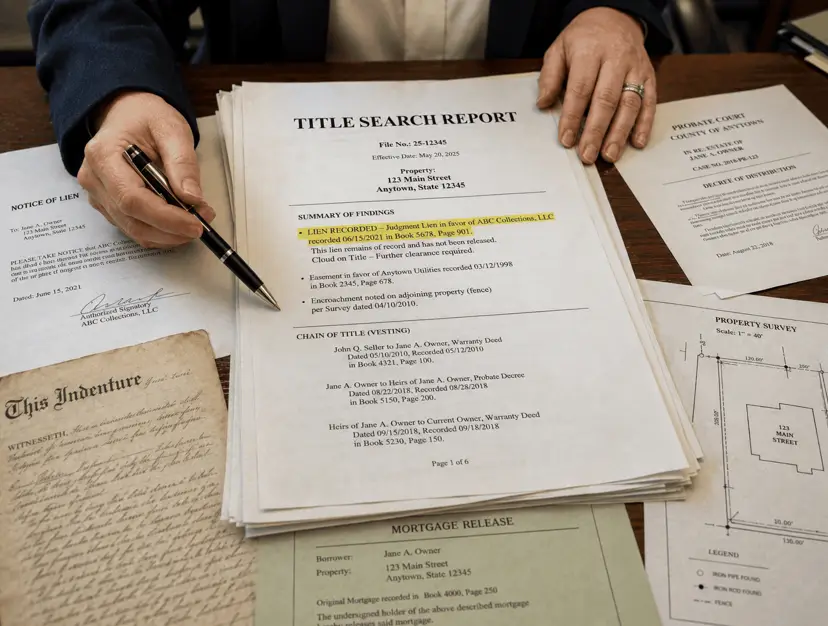
Debts, such as unpaid taxes or mechanic’s liens remain on a title, even after the property transfers to a new owner. While new homeowners are not directly tied to these debts, they can be affected by them as long as their name is on the deed.
What Happens When You Inherit a House?
When a homeowner passes away, their property becomes part of their estate. The estate includes all the decedent’s assets, including real estate, bank accounts, vehicles, and any other personal belongings.
During probate, these assets may be sold to cover debts to creditors or delinquent taxes. If the house is not required to satisfy the debts, it is transferred to the decedent’s beneficiaries. States also have laws that detail who inherits the estate if the decedent died intestate (without a will).
Heirs must formally transfer the house into their name to complete the inheritance process. At this point, the heir(s) become responsible for the home’s mortgage and attached debts. The local probate court can assist with this, and the deed can be shared by multiple heirs.
What Does It Mean to Inherit a House With Debt?
Inheriting a house with debt attached can be alarming. But it is important to understand how these debts function. Most debts associated with real estate are secured debts, meaning that they are backed by collateral that lenders can seize.
Common debts on inherited houses include:
- Mortgages
- Mechanic’s Liens
- Delinquent Taxes (Property or Income)
- Homeowners Association (HOA) Liens
These debts become the responsibility of the new owners. They count as clouds on the title, interfering with property sales or refinancing attempts. Creditors can even foreclose on the home or take the homeowner to court to compel payment.
The good news is that secured debts can be repaid only from the collateral asset. This means the creditor cannot use methods such as garnishing the homeowner’s wages or seizing other assets to recover losses.
What to Do if the House You Inherited Has Debt or Liens

You have several options after inheriting a house with debts or liens attached. Everybody’s situation is different, and your decision will depend on the severity of the debts, whether you want to keep the property, and your financial health.
Review the Property’s Financial Situation
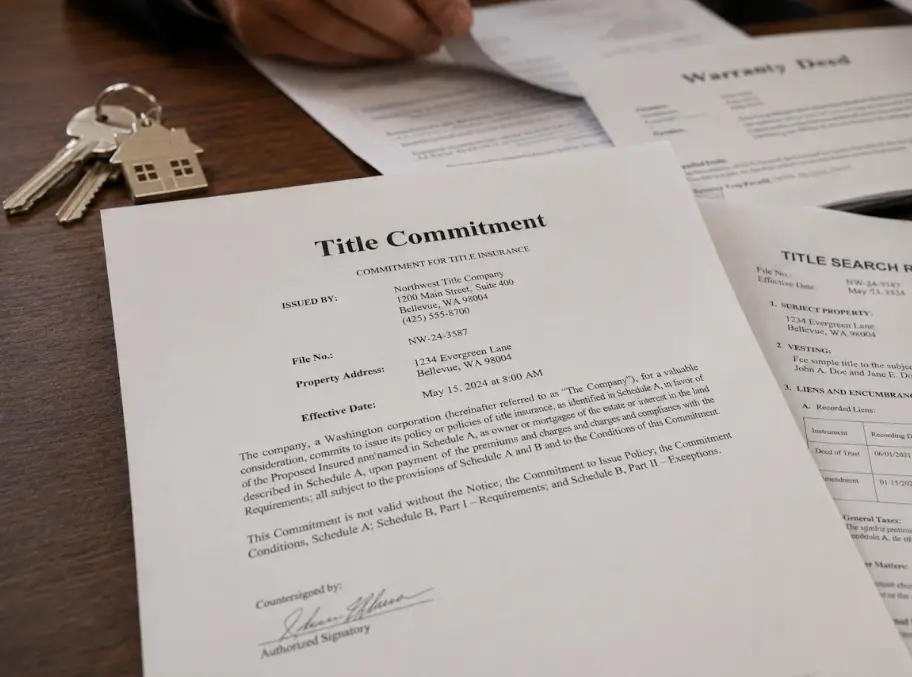
The first step is to take a full account of the debts attached to your property. You can find the debts by reviewing mortgage statements or requesting property records from the county. Many counties have an online property record database, allowing you to search specifically for debts on a title.
Once you know the full picture, it becomes easier to evaluate your options.
Continue Paying the Mortgage
If you plan to accept the inherited property, then you must continue paying the mortgage to avoid foreclosure. It is possible to continue making these payments without refinancing the loan, even if your creditworthiness is worse than that of the previous homeowners.
These payments are required, even if you plan to sell the property as quickly as possible. You are responsible for the mortgage payments, so missed payments can lead to late fees and a damaged credit score.
Selling the Property
Selling the home is a common way to address attached debt. When the property sells, proceeds are prioritized to secured debt, typically paying off the primary mortgage first, then subordinate liens.
Closing on a property with a clouded title can be challenging. Liens can extend the sales process, causing potential buyers to lose interest in the property. You can still sell a property with attached liens, but there will be fewer potential buyers and a higher risk of deals falling through.
In many cases, it is easier to repay the liens before listing the property. You can recover the costs of paying off the liens with the sale’s profits. However, you must also carefully consider whether the sale is enough to repay all the liens, considering the mortgage is typically paid off first.
Keeping the Property
Keeping the property may also be a reasonable choice. Many heirs decide to keep the property if they can afford it or if it has strong personal value.
The previous homeowner may already have built enough equity to make the property worth keeping. Paying off a mortgage with only $4000 remaining is significantly different from paying off one with a few hundred thousand.
Many liens can also be negotiated or settled for less than the lien’s value. Creditors want to recover their losses, and foreclosing on the property does not guarantee that. So, these lenders are often open to accepting a repayment plan or a reduced lump sum payment.
In other cases, heirs may keep the home to rent out. Rental income can help cover lien payments, allowing the property to pay off its lien in the long term.
Disclaim the Inheritance
If the property is too burdensome to accept in the first place, then heirs can choose to disclaim the inheritance. Disclaiming means that you are legally refusing the property, passing it to the next eligible heir according to state inheritance laws.
This option has several benefits. You are not responsible for the property’s mortgage payments or maintenance costs. Disclaiming also means that you do not have to sell the house to cover the liens, avoiding an expensive and time-consuming process.
Heirs can disclaim the property by signing a written disclaimer document and filing it with their probate court. The heir must also not have accepted any benefits from the property, such as collecting rent or selling furniture. Once the document is filed, the heir is no longer responsible for the property or the debts attached to it.
What Happens if the Property Has Multiple Heirs?

Inherited homes are often passed to multiple people. The decedent may state that they want all their children to hold a share in the property. While this decision is meant to appease everyone, it also means that decisions about debt and ownership need to be made together.
This can include deciding whether to:
- Keep the house in the family
- Rent the property out and split the income
- Sell the home to pay off the liens
Additionally, the heirs must decide how they will handle the property costs, including taxes, maintenance, and mortgage payments. These discussions can significantly delay probate and strain relationships between heirs.
Inheriting a house with debt or liens attached can feel overwhelming at first, especially during an already difficult time. But in most situations, heirs have several options for dealing with the property.
The key thing to remember is that the debt usually stays tied to the property rather than becoming your personal financial obligation. Whether you decide to keep the home, refinance it, or sell it, the debt can typically be resolved through the property itself.
By reviewing financial details, understanding available options, and making informed decisions, heirs can manage inherited property in a way that best suits their situation.
FAQs
Are you personally responsible for the debt on an inherited house?
Most liens are tied to the property title and not the homeowner. However, accepting an inherited house automatically also means taking over the mortgage. Missing these payments can negatively impact your credit score.
What happens if you inherit a house with a mortgage?
If a home still has a mortgage, the loan must continue to be paid to avoid foreclosure. These payments must continue even if the heir plans to sell the property.
Can creditors come after my personal money if I inherit a house with debt?
Most liens are secured loans, meaning they use real property as collateral. Secured loans can be enforced only through collateral, limiting a creditor's ability to target the homeowner’s personal assets.
What happens if you inherit a house with a lien and can’t afford to pay it?
If you cannot pay the lien directly, the property can be sold to cover the debt. However, many creditors accept payment plans, making it easier to manage inherited liens.
Can you sell an inherited house with a lien on it?
Yes, homes with liens can be sold, but it may be more challenging. Liens can turn off some homebuyers or extend the sales process, causing them to back out.
Do I have to accept a house that comes with debt?
No, heirs can disclaim the inheritance. Heirs must not have profited from the inheritance or accepted it in any capacity to be eligible for disclaiming.
If you inherit a house, is it taxable?
Heirs assume responsibility for property taxes once they obtain ownership. They must pay the property taxes for that year and any liens created by delinquent taxes.
Only five states levy inheritance taxes, including Kentucky, Maryland, Nebraska, New Jersey, and Pennsylvania. These taxes are paid to the state in which the decedent lived. Rates may change based on the recipient’s distance from the property.

Elena Novak leads real estate research and analysis at PropertyChecker.com, where she digs into housing trends, tracks property data, and unpacks investment strategies across the U.S. With a background in flipping homes and a degree in Business and Real Estate Development, she brings a practical, hands-on approach to market analysis. Elena is especially skilled at uncovering hidden property value and guiding both homeowners and investors through shifting market conditions. She's also passionate about sustainable design and smart home innovation. When she's not analyzing the market, she's probably knee-deep in a DIY project, scouting vintage décor, or building something new in her workshop.
Search Property & Deed Records
Table of Contents
- Can You Inherit Property With Debt or Liens Attached?
- What Happens When You Inherit a House?
- What Does It Mean to Inherit a House With Debt?
- What to Do if the House You Inherited Has Debt or Liens
- Review the Property’s Financial Situation
- Continue Paying the Mortgage
- Selling the Property
- Keeping the Property
- Disclaim the Inheritance
- What Happens if the Property Has Multiple Heirs?
- FAQs
- Are you personally responsible for the debt on an inherited house?
- What happens if you inherit a house with a mortgage?
- Can creditors come after my personal money if I inherit a house with debt?
- What happens if you inherit a house with a lien and can’t afford to pay it?
- Can you sell an inherited house with a lien on it?
- Do I have to accept a house that comes with debt?
- If you inherit a house, is it taxable?