How to Spot Title Problems Before Closing on a Home

Table of Contents
- How to Spot Title Problems Before Closing on a Home
- What Are Title Problems and How Can They Affect Closing and Financing?
- Closing Delays and Cancelled Sales
- Lenders May Refuse the Mortgage
- Title Insurance is More Difficult to Obtain
- Common Title Problems That Can Affect a Home Purchase
- Unpaid Liens
- Encroachment Issues
- Incomplete Probate or Unknown Heirs
- Errors in Past Paperwork
- Red Flags Buyers Should Watch Out for Before Closing
- “Grandfathered” Boundaries
- Inherited Homes
- Multiple Names on the Deed
- Foreclosed Properties
- How Buyers Can Spot Title Issues Early
- Review the Preliminary Title Report Carefully
- Check the Property Tax Status
- Review the Chain of Title
- Pay Attention to Survey Results
- FAQs
- Can title problems show up after closing?
- Are title issues more common with older homes?
- Can you still buy a home with a title problem?
- Do title problems always mean the seller did something wrong?
- Should buyers avoid homes with complicated ownership history?
Buying a home can be a long and stressful process, and delays only add to the burden. The worst time for a delay is right before signing those closing documents. Aside from cold feet, one of the main reasons for closing delays is unforeseen title problems.
These issues can not only delay a sale but can also significantly affect financing and force buyers to walk away from the transaction. There is also a surprising variety of title problems, ranging from neighbor disputes to outstanding property tax liens.
Dealing with title problems before initiating a real estate transaction gives you the best chance of completing the sale without scaring away interested buyers. But addressing these problems means knowing how to recognize them in the first place.
What Are Title Problems and How Can They Affect Closing and Financing?
A title problem exists when another party has a claim on the property title. These competing claims cast doubt about who legally owns the property. Worst of all, many title problems transfer to the new owner, making buyers nervous about closing.
Title insurance companies and banks typically perform a title search before closing. If they discover a title problem during this process, then several consequences may occur:
Closing Delays and Cancelled Sales
The seller has to take time to address the title issue, pushing back the closing date. Depending on the time frame, the seller must continue paying maintenance costs and taxes on the home. The buyer also may not want to wait too long and go with a different house.
Missing a closing date may also mean the buyer loses their interest rate lock. This means their mortgage may no longer be acceptable to them, even if the seller clears the title quickly.
Lenders May Refuse the Mortgage
Lenders approve mortgage applications based on the property’s risk. A house with title issues is more difficult to resell in case the borrower defaults on payments. So, many lenders will refuse to finance a property with active title problems.
Title Insurance is More Difficult to Obtain
Title insurance companies protect new homeowners from unexpected title problems by assuming some of the financial responsibility. So, these companies will not supply insurance to a property with active clouds on the title.
Common Title Problems That Can Affect a Home Purchase
Title issues can arise for many reasons, often tied to past ownership or unpaid debts associated with the property. Some of the most common problems include:
Unpaid Liens
A lien gives the lien holder a legal claim on the property due to unpaid debts. There are multiple types of liens, including:
- Mechanic’s Lien: Filed by contractors who were not paid for labor or materials
- Property Tax Lien: Used by the government to collect on delinquent property taxes
- Judgment Lien: Court-ordered lien, giving a creditor equity in the property
Paying off the debt typically allows homeowners to remove the lien. Homeowners may also be able to enter a payment agreement with the lienholder to temporarily remove the lien.
Encroachment Issues
Encroachment occurs when someone uses land without the owner’s permission. This problem can occur from a fence built over the boundary line or a sprinkler system connecting through a neighbor’s lawn.
It may be an issue even if the homeowner gives verbal permission for a neighbor to create an easement on their property. Title companies and lenders may still view the easement as encroachment until the arrangement is on record with the county.
Incomplete Probate or Unknown Heirs
In most cases, property does not automatically pass to beneficiaries upon the homeowner's death. The estate must go through probate before the primary beneficiary can assume ownership. Failing to complete this process will create a title issue.
Additionally, missing probate often means that no one has contacted the various beneficiaries named in the decedent’s Will. These people must be notified of their claims on the property to complete probate. If not, then they can make an ownership claim, even years later.
Errors in Past Paperwork
Simple clerical errors in prior deeds or transfers can cast a cloud on the title. Typos in the deed’s legal description or names may cause lenders and title insurance companies to be unable to locate the deed in their search.
Incorrect filings may also cause an already-dealt-with title issue to persist. For example, a homeowner may pay off a lien, but the county did not file the official release, leaving the lien on the records.
Red Flags Buyers Should Watch Out for Before Closing
The title company will perform a title search before closing, but this happens fairly late in the sale process. Buyers should watch for red flags from the beginning, giving them the power to back out of a sale before committing too much time or money.
Here are a few common red flags:
“Grandfathered” Boundaries
Property lines are strictly defined in the deed’s legal description. It is best not to fully trust homeowners’ claims that an encroaching fence or driveway is not a problem because “it has always been that way.”
Inherited Homes
Inherited homes are not automatically dangerous. However, buyers must approach with caution, confirming that probate is complete and all beneficiaries have relinquished their rights over the property. Otherwise, it is possible that the seller does not have the legal right to transfer the property on their own.
Multiple Names on the Deed
Jointly owned properties require the consent of all listed owners to be sold as a whole. Individual shareholders can sell their stake, but cannot sell the other owners’ shares. So, make sure that all the listed owners are involved before getting too invested in the sale.
Foreclosed Properties
Lenders sometimes repossess and resell properties if the mortgage holder misses too many payments. In these cases, sellers have limited knowledge of the title’s history and may not be able to fully inform buyers of the potential risks.
How Buyers Can Spot Title Issues Early

Buyers do not need a real estate license to reduce their risk of title problems. Following due diligence and paying attention to the right documents is enough to spot most title issues early in the process.
Review the Preliminary Title Report Carefully
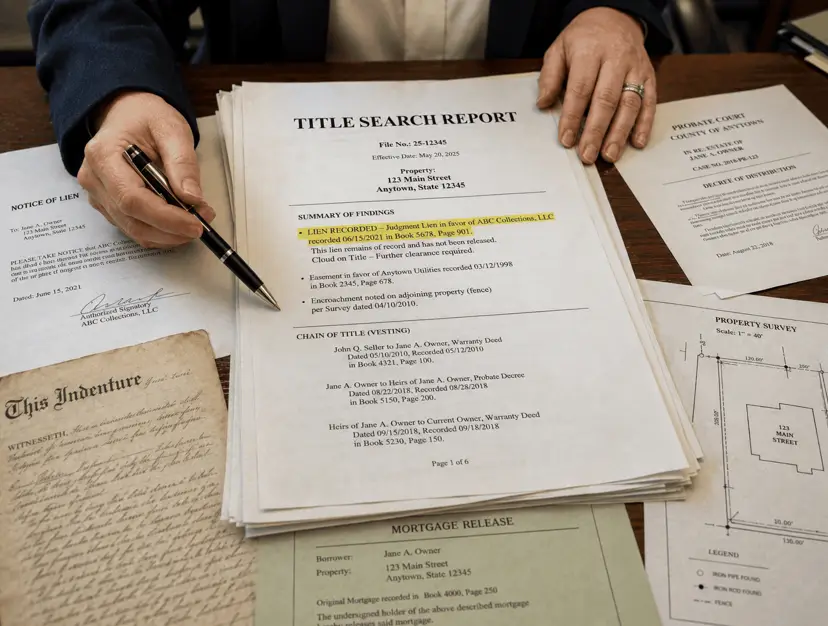
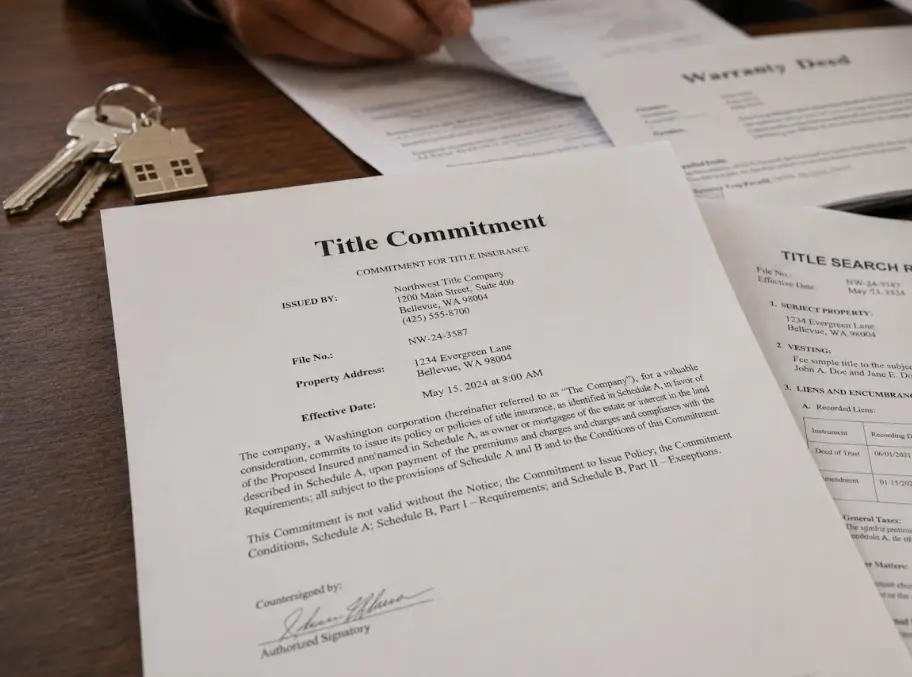
Once the title company provides a preliminary report, read through it closely. This document lists any existing liens, restrictions, or ownership concerns tied to the property.
Your title report may also include a section titled “Exceptions to Title.” This area lists known or likely causes of title problems on the property. The insurance company says it will not cover any expenses arising from the listed terms.
Check the Property Tax Status
You can contact your local tax office to confirm whether the property’s taxes are paid in full and up to date. Unpaid taxes can lead to liens that the homeowner must resolve before closing.
Review the Chain of Title
Chain of title refers to a property’s ownership history. Buyers want to see an unbroken chain, meaning that the title was properly transferred between all known owners. The most important thing to confirm is that the seller’s name is listed as the most recent deed holder.
Pay Attention to Survey Results
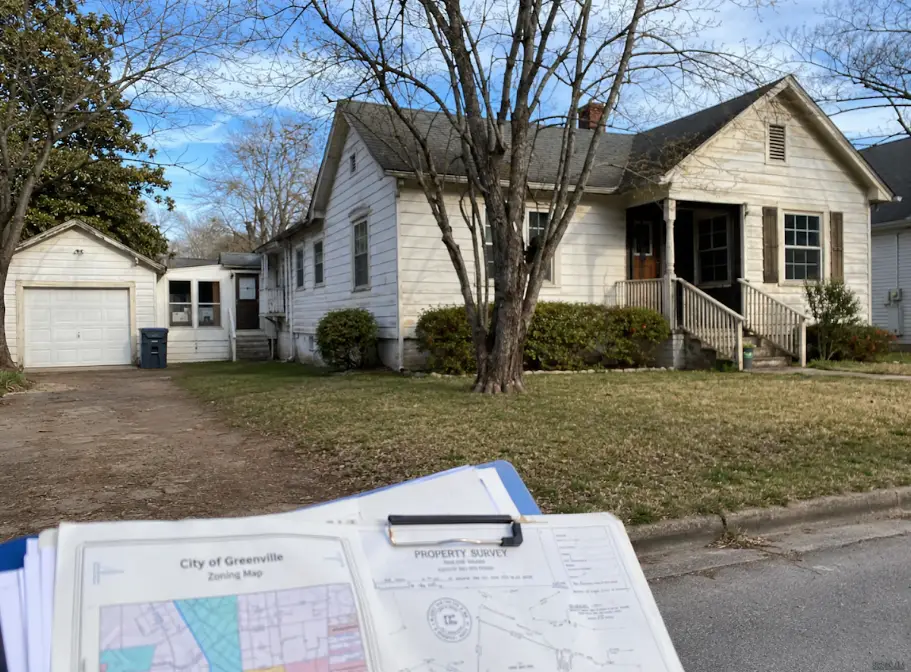
Geographical surveys outline the property’s perimeter. Most surveys include a plot diagram, allowing you to check whether fences, structures, or other aspects are encroaching across the boundary lines.
Title problems can feel alarming when they appear right before closing, but they are not uncommon in real estate transactions. Most issues can be resolved once they are identified.
Reviewing documents carefully, asking questions, and paying attention to warning signs can help buyers discover red flags before closing. This attention, alongside a robust title search, gives buyers the confidence to close without last-minute surprises.
FAQs
Can title problems show up after closing?
Yes, it is possible for the title company’s search to miss something. Issues such as missing heirs are difficult to spot in advance.
Are title issues more common with older homes?
Older homes have likely transferred hands more often, increasing the chance of paperwork errors or other forgotten title issues.
Can you still buy a home with a title problem?
Title companies are less likely to provide insurance for homes with title issues, and lenders typically do not approve applications without title insurance. So, the chances of purchasing a home with a title problem are significantly less.
Do title problems always mean the seller did something wrong?
No, it is possible that the current homeowner inherited the title issues from the previous owner. They may also not know about the problem until it appears in a title search.
Should buyers avoid homes with complicated ownership history?
Not always. A complex ownership history does not necessarily indicate title issues with the property. As long as the title company is confident enough to provide insurance, the buyer should feel confident in their purchase.

Elena Novak leads real estate research and analysis at PropertyChecker.com, where she digs into housing trends, tracks property data, and unpacks investment strategies across the U.S. With a background in flipping homes and a degree in Business and Real Estate Development, she brings a practical, hands-on approach to market analysis. Elena is especially skilled at uncovering hidden property value and guiding both homeowners and investors through shifting market conditions. She's also passionate about sustainable design and smart home innovation. When she's not analyzing the market, she's probably knee-deep in a DIY project, scouting vintage décor, or building something new in her workshop.
Search Property & Deed Records
Table of Contents
- How to Spot Title Problems Before Closing on a Home
- What Are Title Problems and How Can They Affect Closing and Financing?
- Closing Delays and Cancelled Sales
- Lenders May Refuse the Mortgage
- Title Insurance is More Difficult to Obtain
- Common Title Problems That Can Affect a Home Purchase
- Unpaid Liens
- Encroachment Issues
- Incomplete Probate or Unknown Heirs
- Errors in Past Paperwork
- Red Flags Buyers Should Watch Out for Before Closing
- “Grandfathered” Boundaries
- Inherited Homes
- Multiple Names on the Deed
- Foreclosed Properties
- How Buyers Can Spot Title Issues Early
- Review the Preliminary Title Report Carefully
- Check the Property Tax Status
- Review the Chain of Title
- Pay Attention to Survey Results
- FAQs
- Can title problems show up after closing?
- Are title issues more common with older homes?
- Can you still buy a home with a title problem?
- Do title problems always mean the seller did something wrong?
- Should buyers avoid homes with complicated ownership history?