Shipping Container Homes and Converted Structures: What to Know Before You Build or Buy
Table of Contents
- Shipping Container Homes and Converted Structures: What to Know Before You Build or Buy
- What Are the Benefits of Shipping Container Homes?
- What Are the Drawbacks of Shipping Container Homes?
- How Much Does a Shipping Container Home Cost?
- Where Can You Find Shipping Container Homes for Sale?
- What Should You Check Before Buying or Building a Shipping Container Home?
- FAQs
Shipping Container Homes and Converted Structures: What to Know Before You Build or Buy
Shipping container homes are built using steel containers that are normally used to transport goods. Instead of being reused for shipping, these containers are turned into living spaces.
A single shipping container could, for example, be used as a small home or studio. Several containers can also be combined to create a larger house with multiple rooms.
These homes are becoming more popular because they are often faster to build and can cost less than traditional houses. They also appeal to people who want something different or more environmentally friendly.
What Are the Benefits of Shipping Container Homes?
Shipping container homes offer several advantages that make them appealing to many buyers:
- Lower cost
Container homes can be more affordable than traditional houses, especially at the basic level. However, costs can increase as you add finishes, utilities, and custom features.
- Faster construction
Because containers are already built, construction can move much faster than a typical home. Some projects can be completed within weeks once the foundation and utilities are in place.
- Strong and durable
Shipping containers are made of steel and designed to handle harsh conditions at sea. With proper maintenance, they can last for many years and withstand different types of weather.
- More environmentally friendly
Reusing old containers helps reduce industrial waste. This makes container homes a popular choice for people looking for a more sustainable housing option.
- Flexible design options
Container homes are modular, which means they can be easily combined and customized. You can create anything from a small single-unit home to a large multi-story house with modern features.
What Are the Drawbacks of Shipping Container Homes?
Shipping container homes also come with some challenges to consider:
- Temperature control
Steel heats up and cools down quickly. Without proper insulation, the home can become very hot in summer and very cold in winter. Insulation is essential, but it adds cost and reduces interior space.
- Zoning and permits
Not all areas allow container homes. Some local authorities have unclear or strict rules, which can make the approval process longer or more difficult.
- Financing challenges
Getting a mortgage can be harder compared to a traditional home loan. Some lenders may require special loans or higher interest rates, especially if the home is not on a permanent foundation.
- Structural changes require expertise
Cutting openings for windows and doors weakens the container structure. Proper reinforcement is needed, which requires skilled work and increases costs.
- Resale limitations
Container homes are still a niche market. This means fewer potential buyers, which can make selling the property more difficult or slower.
How Much Does a Shipping Container Home Cost?
The cost of a shipping container home depends on several factors, and the container itself is only the starting point. A standard used 20-foot container usually costs between $1,500 and $5,000, while a 40-foot container can range from $3,000 to $8,000. High-cube containers, which offer more interior height, are typically at the higher end of this range.
Most of the cost comes from converting the container into a livable space. A basic DIY project might cost around $10,000 to $25,000, but a fully finished home built by professionals usually ranges from $50,000 to $200,000 or more, depending on size, design, and location.
Land is another major expense if you don’t already own it. On top of that, you’ll need to budget for site preparation, foundation work, and utility connections. In some cases, especially in rural areas, bringing in water, electricity, and sewage can add tens of thousands of dollars.
The final cost will depend on how many containers you use, how complex the design is, and the level of finishes you choose. Getting detailed quotes before starting the project is always a good idea.
Where Can You Find Shipping Container Homes for Sale?
The market for shipping container homes has grown in recent years, but finding one can still take more effort than searching for a traditional house. Websites like Zillow, Realtor.com, and Land and Farm sometimes list container homes, although they are not always easy to find.
Working directly with container home builders is another common option. Many builders offer standard models you can customize, as well as fully finished homes that are ready to be delivered and installed.
You can also find listings on platforms like Facebook Marketplace or Craigslist, where people sometimes sell converted or partially finished containers at lower prices. Auction sites may offer additional options, but it’s important to research carefully before buying.
If you’re more interested in building your own, many architects and design companies offer container home plans that you can purchase and adapt.
What Should You Check Before Buying or Building a Shipping Container Home?
Start with zoning. Contact your local planning department and ask directly whether a shipping container home is permitted on the land you are considering. Ask about setback requirements, height limits, foundation requirements, and what permits you will need. Do not assume that because container homes exist in your general area, they are automatically allowed on any given plot.
Understand whether the structure will be treated as a permanent dwelling or something else. This affects your tax position, insurance options, and what utilities you can connect to. A container home on a permanent foundation with full utility connections is treated more like a conventional house than one sitting on skids or blocks.
Check utility access carefully. Is mains water and sewage available at the boundary? Is there grid electricity? If not, what will it cost to bring those services to the site or set up off-grid alternatives?
If you are buying an existing container home rather than building, inspect the container's condition thoroughly. Look for rust, chemical contamination (some shipping containers previously carried hazardous goods), and the quality of any modifications already made.
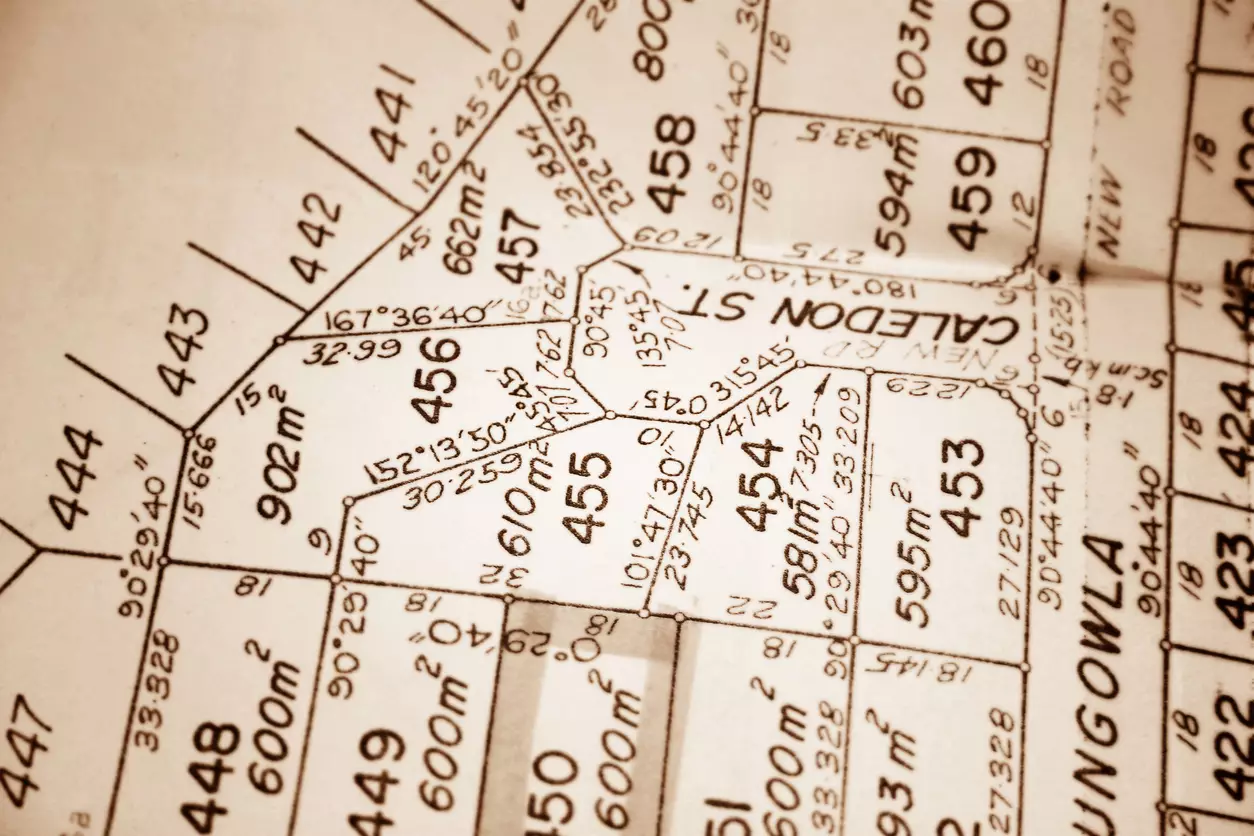
For any container home placed on land, it is worth verifying the property details through public records. This can help confirm land ownership, zoning classification, and any easements or restrictions that apply. PropertyChecker.com provides access to publicly available property information, depending on location and local laws, and can be a useful tool during this stage of the research.
FAQs
Do you need planning permission to convert a shipping container?
In most cases, yes. Whether you are placing a container on land as a temporary structure or converting one into permanent housing, local planning and building permits are usually required. The specifics vary by state, county, and municipality, so always check with your local authority before starting a project.
What is the life expectancy of a shipping container home?
A well-maintained shipping container home can last 25 to 50 years or more. The steel itself is highly durable, but rust is the main enemy. With proper surface treatment, good drainage design, and regular maintenance, the structure can remain solid for decades.
Would you live in a $10,000 container home?
A $10,000 budget covers little more than the container itself and some basic work. A livable, fully converted container home almost always costs more once insulation, plumbing, electrics, and finishing are factored in. That said, highly skilled DIY builders have made it work at low cost. It requires significant time, practical skill, and a willingness to compromise on some comforts.
Which states allow shipping container homes?
Container homes are permitted in many states, including Texas, California, Florida, Oregon, and Tennessee, among others. However, approval is ultimately decided at the county or city level, not the state level. Even within container-friendly states, individual municipalities may have restrictions. Always verify locally.
Are shipping container homes hard to resell?
They can be. The buyer pool for container homes is smaller than for conventional housing, and value is heavily influenced by location, build quality, and how well the home was permitted and documented. A properly built, code-compliant container home in a desirable area is far easier to sell than an unpermitted conversion on a hard-to-access rural plot.
Before purchasing land for a container home build, run a property check to confirm zoning, ownership, and permit history. PropertyChecker.com gives you access to publicly available zoning data, deed records, and building permits in one place
Search Property & Deed Records
Table of Contents
- Shipping Container Homes and Converted Structures: What to Know Before You Build or Buy
- What Are the Benefits of Shipping Container Homes?
- What Are the Drawbacks of Shipping Container Homes?
- How Much Does a Shipping Container Home Cost?
- Where Can You Find Shipping Container Homes for Sale?
- What Should You Check Before Buying or Building a Shipping Container Home?
- FAQs