What Is the Difference Between Single Family and Multifamily Homes
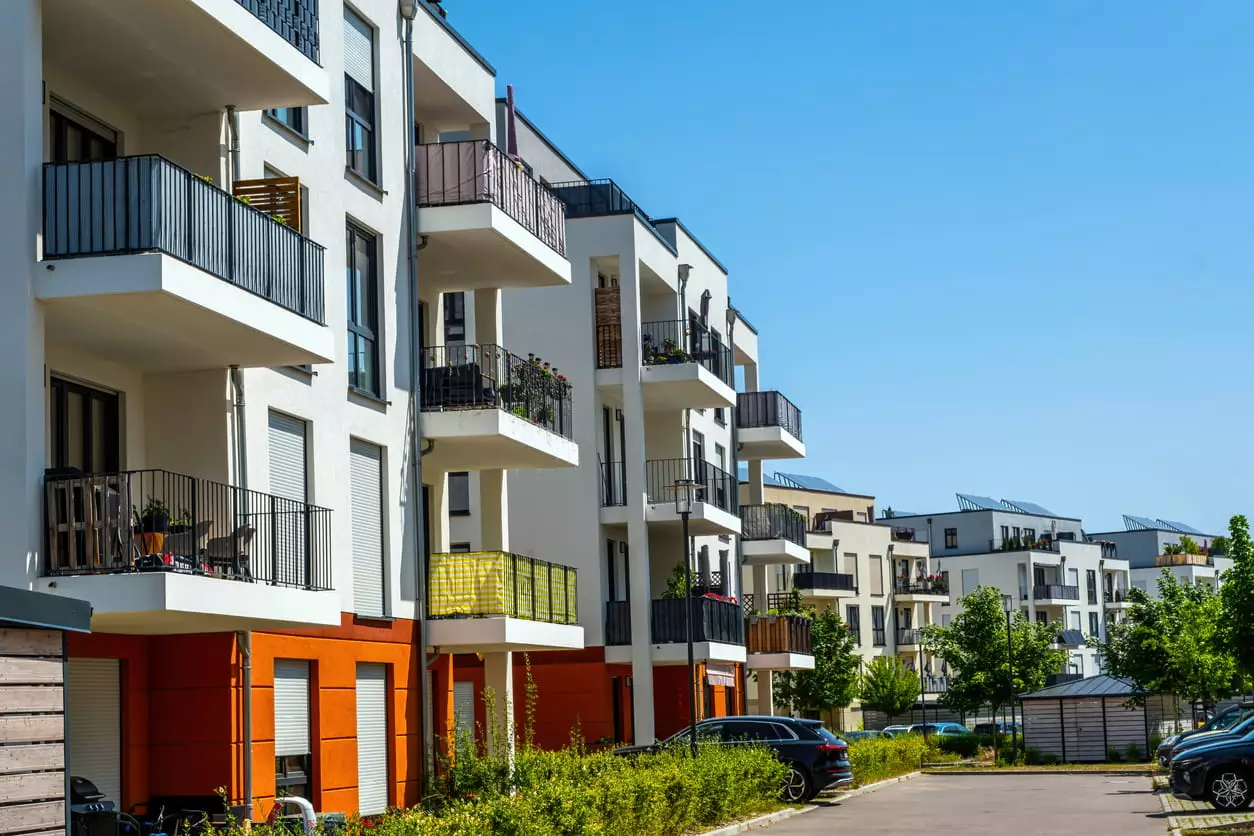
Table of Contents
- What Is the Difference Between Single Family and Multifamily Homes
- What Is a Multifamily Property?
- What Is a Single-Family Home?
- Single-Family vs. Multifamily: What’s the Difference?
- Pros & Cons of Single-Family vs. Multifamily
- How Financing Differs
- Real-World Examples
- FAQs
- Is a Duplex or Triplex Considered a Multifamily Property?
- Can I Live in One Unit and Rent Out the Rest in a Multifamily Property?
- Do Multifamily Homes Require Commercial Financing?
- Are Multifamily Homes Harder to Manage than Single-Family Homes?
- Do Multifamily Properties Appreciate as Fast as Single-Family Homes?
- Who Should Consider a Multifamily Property over a Single-Family Home?
When you're browsing real estate listings or talking to investors, you'll often see terms like “single-family” and “multifamily.” At first glance, the difference might seem obvious: one house versus several units. However, it goes much deeper than this. These terms are more than simple labels; they affect everything from privacy and maintenance to financing options, long-term costs, and even your ability to generate rental income.
Here’s a clear, easy-to-follow breakdown of what multifamily and single-family homes are and the key differences between them to help you decide which one best fits your financial goals and lifestyle.
What Is a Multifamily Property?
A multifamily property is a building designed to house two or more families in separate units. Each unit has its own entrance, kitchen, bathroom(s), and living area, but they are all under one roof and share the same structure or parcel of land. Common types of multifamily properties include:
- Duplexes: Buildings with two separate units (side-by-side or one on top of the other)
- Triplexes: Buildings with three separate units
- Fourplexes (Quadplexes): Buildings with four separate units
- Apartment Buildings: Buildings with five or more units, usually considered commercial real estate
Multifamily properties offer a flexible ownership model:
- Live-In Investor/Owner-Occupancy (House Hacking): You live in one unit and rent out the others. This is a great strategy to offset your mortgage and build wealth.
- Pure Investment/Full Rental Income Property: You rent out all the units, treating the property as a full rental business.
This flexibility is what makes multifamily homes appealing to many first-time investors, since rental income can help cover expenses or even offset a mortgage.
What Is a Single-Family Home?
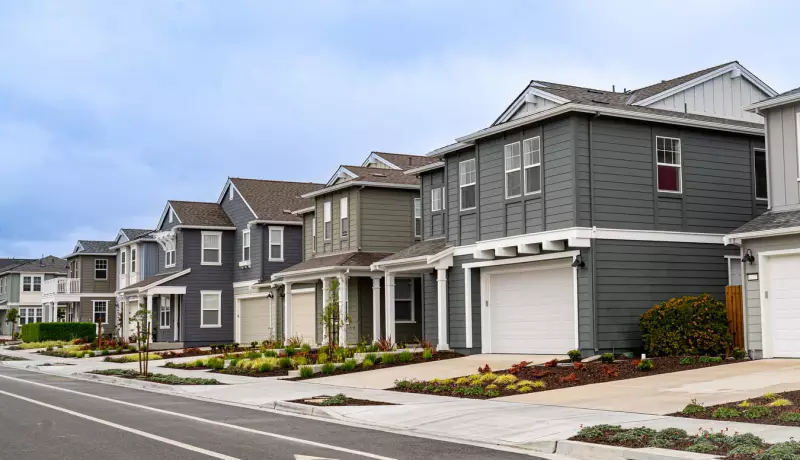
A single-family home is a standalone residence designed for a single household. It is usually detached, meaning it does not share any walls, roofing, foundation, entrances, utilities, or amenities with another home, and it sits on its own parcel of land.
Keep in mind that some properties that share walls, like townhomes or rowhouses, can still be classified as single-family if each unit/structure sits on its own lot and utilities and entrances are not shared. The defining feature of single-family properties is that they are designed for one family. So, even if a property looks like it’s “attached,” the official zoning and parcel layout determine its final classification, not just the physical appearance.
Single-Family vs. Multifamily: What’s the Difference?
Here’s a quick, side-by-side look at the core differences between single family and multi family properties:
- Number of Households:
- Single-Family: One household.
- Multifamily: Two or more households.
- Primary Use:
- Single-Family: Primarily owner-occupied living.
- Multifamily: Living space plus rental income potential.
- Privacy:
- Single-Family: High. No shared walls or common areas with other residents.
- Multifamily: Lower. You will likely share walls and possibly yards, laundry, or parking with tenants.
- Income Potential:
- Single-Family: None unless you rent out the entire property or add an ADU (accessory dwelling unit).
- Multifamily: Built-in potential for rental income from multiple units.
- Maintenance Responsibility:
- Single-Family: You are solely responsible for the entire property (yard, roof, etc.).
- Multifamily: More complex, as you are responsible for the entire building and common areas, leading to more frequent requests and repairs.
- Financing:
- Single-Family: Straightforward residential mortgages (often with lower rates).
- Multifamily: For 1-4 units, residential loans are available. For 5+ units, it's considered commercial real estate with stricter financing.
- Upfront Price:
- Single-Family: Usually lower.
- Multifamily: Usually higher.
- Tenant Management:
- Single-Family: None if owner-occupied.
- Multifamily: Landlord responsibilities required.
- Appreciation:
- Single-Family: Often faster.
- Multifamily: Often steady, but tied closely to the local rental market.
- Lifestyle:
- Single-Family: More independence and space.
- Multifamily: Community-oriented living, with shared responsibilities and interactions.
Pros & Cons of Single-Family vs. Multifamily
Let’s explore the pros and cons of single family vs multi family properties so you can weigh which option fits best.
Single-Family Homes
- Pros:
- Privacy & Control: No shared walls and full autonomy over your property.
- Easier Financing: Qualifies for standard low-down-payment loans (like FHA).
- Stronger Appreciation: Often appreciates faster due to high demand from owner-occupants.
- Less Management: Only one household to manage if you're a landlord.
- Cons:
- No Built-In Income: You bear 100% of the housing cost unless you move out and rent it or add an ADU.
- Higher Vacancy Impact: If you're renting it out, one vacancy means 100% loss of rental income.
- All Costs Are Yours: You pay for every repair and upgrade.
Multifamily Properties
- Pros:
- Rental Income: Tenant’s rent can significantly offset or even cover your entire mortgage.
- Vacancy Protection: If one unit is empty, income from the other units helps cover the costs.
- Efficiency: Maintaining one roof over multiple units can be more efficient than managing several separate properties.
- House Hacking Potential: Live for free or cheap while building equity.
- Cons:
- Less Privacy: You are a landlord living next to your tenants.
- More Management: More tenants mean more maintenance requests, turnover, and communication.
- Higher Upfront Cost: The purchase price is typically higher than a comparable single-family home.
So, which is better? Well, that’s entirely up to you:
- Choose single-family if you want a primary residence where privacy and independence are a top priority or if you are an investor who prefers a simpler, more hands-off rental structure.
- Choose multifamily if you are an investor focused on cash flow or a first-time buyer who wants to use house hacking to afford a home in an expensive market.
How Financing Differs

Financing options for single-family and multifamily properties are usually based on the number of units:
- 1 – 4 Units: Properties with no more than four units are considered residential real estate for financing purposes.
- Owner-Occupied Perks: If you live in one of the units, you can qualify for an owner-occupied loan (FHA, Conventional, VA) with down payments as low as 3.5 - 5%.
- Investment Loans: Non-owner-occupied properties typically require a 20 - 25% down payment. Lenders may sometimes factor in projected rental income.
- Appraisal Focus: Appraisals are based on comparable sales of similar properties.
- 5+ Units: Properties with five or more units are considered commercial real estate for financing purposes.
- Down Payment: Typically 20 – 30% or more.
- Loan Terms: Shorter loan terms (5 - 20 years) with a balloon payment often due at the end. Approval also depends on property performance, not personal income.
- Appraisal Focus: Appraisals rely on income valuation formulas rather than comparables.
Real-World Examples
Here are a few quick illustrations to highlight how multifamily properties differ from single-family homes:
- The House Hacker: A buyer purchases a triplex, lives in one unit, and rents out the other two. The rental income covers most of the mortgage, allowing them to build equity at a fraction of the cost of owning a single-family home, while gaining landlord experience on-site.
- The Growing Family: A young couple buys a single-family home with a yard for kids and pets. It’s easier to finance and maintain and gives them desired privacy, but it doesn’t generate rental income.
- The Single-Family Investor: A buyer purchases a 3-bedroom house in a family-friendly suburb. They rent it to a young family on a 12-month lease. This provides steady income, but they (the owner) have to bear the full cost of any vacancy or major repair (like a $10,000 roof).
- The Commercial Investor: An investment group acquires a 12-unit apartment building with a commercial loan based on the property's proven rental income. Their focus is on cash flow and profitability, treating the property as a business.
FAQs
Is a Duplex or Triplex Considered a Multifamily Property?
Yes. Any property with two or more separate, self-contained living units is considered a multifamily property.
Can I Live in One Unit and Rent Out the Rest in a Multifamily Property?
Absolutely. This is known as “house hacking” and is a popular strategy among first-time investors, as it lets you offset your mortgage while building equity.
Do Multifamily Homes Require Commercial Financing?
Only if the property has five or more units. Buildings with less than five units (duplexes, triplexes, and fourplexes) can still use residential mortgages.
Are Multifamily Homes Harder to Manage than Single-Family Homes?
Generally, yes, because you’re responsible for multiple tenants and units. Many owners hire a property manager for multifamily properties with four or more units.
Do Multifamily Properties Appreciate as Fast as Single-Family Homes?
Single-family homes typically appreciate faster due to higher demand, but multifamily properties often generate income that can offset slower appreciation.
Who Should Consider a Multifamily Property over a Single-Family Home?
Consider a multifamily property if your primary goal is generating rental income, you're comfortable with a landlord's responsibilities, and you're willing to trade some privacy for a stronger financial position
There you have it. Understanding the true differences between single-family and multifamily properties goes beyond surface definitions. These choices shape not only your investment returns but also your day-to-day responsibilities, financing strategies, and long-term lifestyle fit.
If your priority is maximum privacy, autonomy, and a classic homeownership experience, a single-family home is likely your best path. If your goal is to build wealth through real estate, generate immediate cash flow, and you're comfortable with the role of a live-in landlord, a multifamily property offers a powerful and practical starting point.
By weighing the trade-offs carefully, you can align your real estate decisions with both your financial goals and the kind of stability you want in your portfolio.

Elena Novak leads real estate research and analysis at PropertyChecker.com, where she digs into housing trends, tracks property data, and unpacks investment strategies across the U.S. With a background in flipping homes and a degree in Business and Real Estate Development, she brings a practical, hands-on approach to market analysis. Elena is especially skilled at uncovering hidden property value and guiding both homeowners and investors through shifting market conditions. She's also passionate about sustainable design and smart home innovation. When she's not analyzing the market, she's probably knee-deep in a DIY project, scouting vintage décor, or building something new in her workshop.
Search Property & Deed Records
Table of Contents
- What Is the Difference Between Single Family and Multifamily Homes
- What Is a Multifamily Property?
- What Is a Single-Family Home?
- Single-Family vs. Multifamily: What’s the Difference?
- Pros & Cons of Single-Family vs. Multifamily
- How Financing Differs
- Real-World Examples
- FAQs
- Is a Duplex or Triplex Considered a Multifamily Property?
- Can I Live in One Unit and Rent Out the Rest in a Multifamily Property?
- Do Multifamily Homes Require Commercial Financing?
- Are Multifamily Homes Harder to Manage than Single-Family Homes?
- Do Multifamily Properties Appreciate as Fast as Single-Family Homes?
- Who Should Consider a Multifamily Property over a Single-Family Home?