What to Do When You Can't Find the Deed to Your House
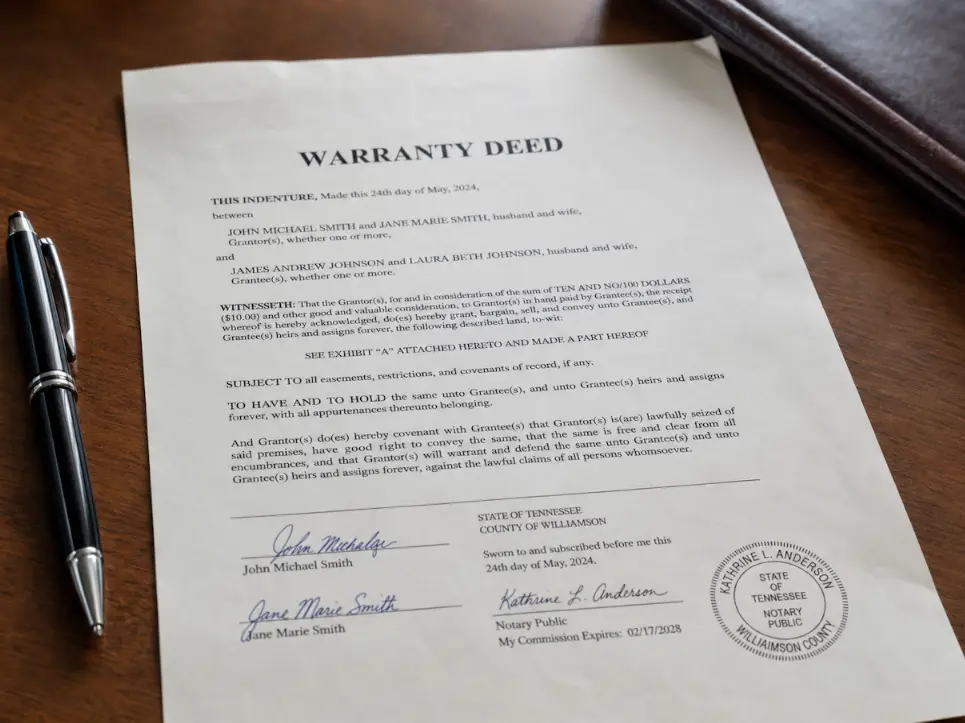
Table of Contents
- What to Do When You Can't Find the Deed to Your House
- What Is a Property Deed?
- What Happens If You Lose the Deed to Your House?
- Special Warranty Deeds
- Quitclaim Deeds
- How to Get the Deed to Your House Again
- What If the Deed Was Never Recorded?
- Can a Missing Deed Cause Ownership Problems or Fraud?
- How a Missing Deed Can Affect Selling or Refinancing
- FAQs
- Do I need the original deed to sell my house?
- What if I lost the deed to my house?
- How long does it take to get a copy of a property deed?
- Is a house title the same thing as a deed?
- How do I get a copy of my house title online for free?
- What should I do if the deed lists the wrong owner?
We always think we put important documents in a safe, easy-to-find place. But after years, it’s hard to remember what random box, drawer, or shed we stored it in. This is particularly true for things we only use once a decade, like the deed to a house.
It’s stressful to not be able to find your deed, but it doesn’t mean that you’ve lost your house. This document is easily replaceable, and most processes don’t require homeowners to present a paper deed.
What Is a Property Deed?
A property deed, called a house deed in residential units, is the legal document that proves who owns a piece of real estate. This document is typically drafted by a real estate attorney and must be notarized for validity.
The deed will include the grantor (seller) and grantee’s (buyer) names, along with text that confirms the grantor’s intent to pass along ownership. It will also provide a description of the property, making clear the address and surrounding area.
These measures ensure that the deed is clear about what property is being discussed. Some other requirements for a valid deed include:
- Description of the transaction terms
- Grantor’s signature
- Approval from a property clerk
In simple terms, the deed is the document that proves ownership has legally changed hands and is on file with the county.
What Happens If You Lose the Deed to Your House?

House deeds are recorded with the county, so it is not the end of the world if you lose the paper version. Most banks, lenders, and insurance companies perform their own title searches, allowing them to verify your ownership without a deed.
While most institutions won’t require a paper deed, having one on hand may speed up some processes. You may face delays when selling or refinancing the home, as you will need to give the other party time to conduct a title search.
However, there are a few specialized deed types that may be more inconvenient to lose. These issues typically come up during court processes, such as with the following:
Special Warranty Deeds
This type of deed states that the seller is only warranting the title against defects or encumbrances that arose during their ownership. This means they are not claiming the title is clear, and there may be pre-existing problems with it.
Special warranty deeds are typically used when the seller has limited knowledge of the property’s history, such as with foreclosed properties or in estate sales. Sellers may need to obtain a copy of their deed to prove the limited warranty.
Quitclaim Deeds
Quitclaim deeds are typically used when buying someone out of a property, such as in divorce settlements or estate sales. Homeowners should keep quitclaim deeds readily accessible to prove that someone has fully relinquished their claim to a property.
How to Get the Deed to Your House Again
In most cases, replacing a lost deed is simple. Records are most often kept at the County Clerk’s Office under Land Recordings. Many offices maintain online databases for official and unofficial copies, though the latter come with limitations.
There are two options for obtaining an official deed. The first is to visit the county recorder’s office in person. The clerk will provide paperwork for your request, and you can fill it out on the spot. Most offices will return with the deed within the same day.
If available, you can also visit your county’s online land recordings database. These databases are typically searchable by grantor/grantee names, subdivision, document type, or document number.
The results will show an unofficial copy that you can print out for your records, or you can purchase a version without a watermark. The fee varies by jurisdiction but is most often below $5.
What If the Deed Was Never Recorded?
Title or escrow agents are often responsible for filing a deed after closing. They deliver it to a clerk in a county office who logs it into the system. This means the deed passes through multiple parties before being officially recorded.
While rare, it is possible for the deed to go missing in the county system. However, an unrecorded deed does not invalidate the transfer of ownership. Laws vary, but most states recognize an unrecorded interest as valid so long as it is executed correctly.
Even though the government will recognize the transfer later, it doesn’t mean that an unrecorded deed has no risks. An unscrupulous seller may try to resell the property, leading to costly title disputes. They may also put it in a trust or bequeath it to a family member.
An unrecorded deed also will not appear in lenders’ title searches. These institutions won’t be able to verify your ownership, which could raise questions during a sale or refinance application. Homeowners are advised to visit their county recorder’s office as soon as possible to record their deed.
Can a Missing Deed Cause Ownership Problems or Fraud?
Misplacing a personal copy of your deed does not put your ownership of your house at risk. The deed is recorded with the county, so there is an official public record proving the transaction. Losing your deed may cost you some time to replace, but it won’t cause major problems.
That said, there are other risks that could put your ownership in jeopardy. Unknown title liens or unpaid property taxes may cause the government or lenders to foreclose on your house. These will not appear on your deed, but they can be found in your county’s database, since liens are viewed as a claim on the title.
A little less likely is the risk of house theft. This occurs when a criminal forges your title documents and attempts to sell the house without your knowledge. They typically search for foreign buyers who cannot tour the home in person. You may need to deliver your deed to law enforcement to prove that the criminal’s listing is not legitimate.
How a Missing Deed Can Affect Selling or Refinancing

Documentation matters when you're selling or refinancing your home. While a physical copy of your deed is not as important as other documents, it can be useful to have it with you.
A general warranty deed states that there are no other ownership claims or hidden encumbrances in the property’s entire history. This means that a bank can resell the property without additional pushback, and buyers don’t have to worry about third-party claims on their new house.
Missing the deed makes it more time-consuming to prove a clean title to lenders and buyers. It likely won’t derail the sale, but they will need more time to perform a title search on their own.
Losing your deed can feel unsettling, especially if you’re preparing for an important financial transaction. But in most cases, it’s a paperwork issue, not an ownership crisis. The key is remembering that ownership lives in the public record. If your copy is missing, you can usually obtain another from the county and move forward with confidence.
FAQs
Do I need the original deed to sell my house?
No, you do not need to have the original paper deed from your last transaction. Sellers can obtain a new, official copy from their county recorder’s office and have the title company verify it.
What if I lost the deed to my house?
There are no penalties for losing the deed to your house. This document is easily replaced upon request at your local county recorder’s office.
How long does it take to get a copy of a property deed?
Most counties allow homeowners to access their deeds immediately through an online database. Certified copies require a small fee. You may also request a deed through the county recorder’s office, which can take anywhere from one day to several weeks, depending on the office.
Is a house title the same thing as a deed?
No. A title refers to the legal concept of ownership. There is no physical document called a “title.” A deed is a real document that proves ownership.
How do I get a copy of my house title online for free?
Many counties allow free property record searches. These databases are searchable with grantor/grantee names, document types, and document numbers. However, not all counties offer this service.
What should I do if the deed lists the wrong owner?
If you discover an error in the recorded deed, contact the county recorder’s office immediately. Errors typically need to be corrected through a new recorded document to ensure the public record is accurate.

Elena Novak leads real estate research and analysis at PropertyChecker.com, where she digs into housing trends, tracks property data, and unpacks investment strategies across the U.S. With a background in flipping homes and a degree in Business and Real Estate Development, she brings a practical, hands-on approach to market analysis. Elena is especially skilled at uncovering hidden property value and guiding both homeowners and investors through shifting market conditions. She's also passionate about sustainable design and smart home innovation. When she's not analyzing the market, she's probably knee-deep in a DIY project, scouting vintage décor, or building something new in her workshop.
Search Property & Deed Records
Table of Contents
- What to Do When You Can't Find the Deed to Your House
- What Is a Property Deed?
- What Happens If You Lose the Deed to Your House?
- Special Warranty Deeds
- Quitclaim Deeds
- How to Get the Deed to Your House Again
- What If the Deed Was Never Recorded?
- Can a Missing Deed Cause Ownership Problems or Fraud?
- How a Missing Deed Can Affect Selling or Refinancing
- FAQs
- Do I need the original deed to sell my house?
- What if I lost the deed to my house?
- How long does it take to get a copy of a property deed?
- Is a house title the same thing as a deed?
- How do I get a copy of my house title online for free?
- What should I do if the deed lists the wrong owner?