What Happens If the Seller Dies Before Closing?
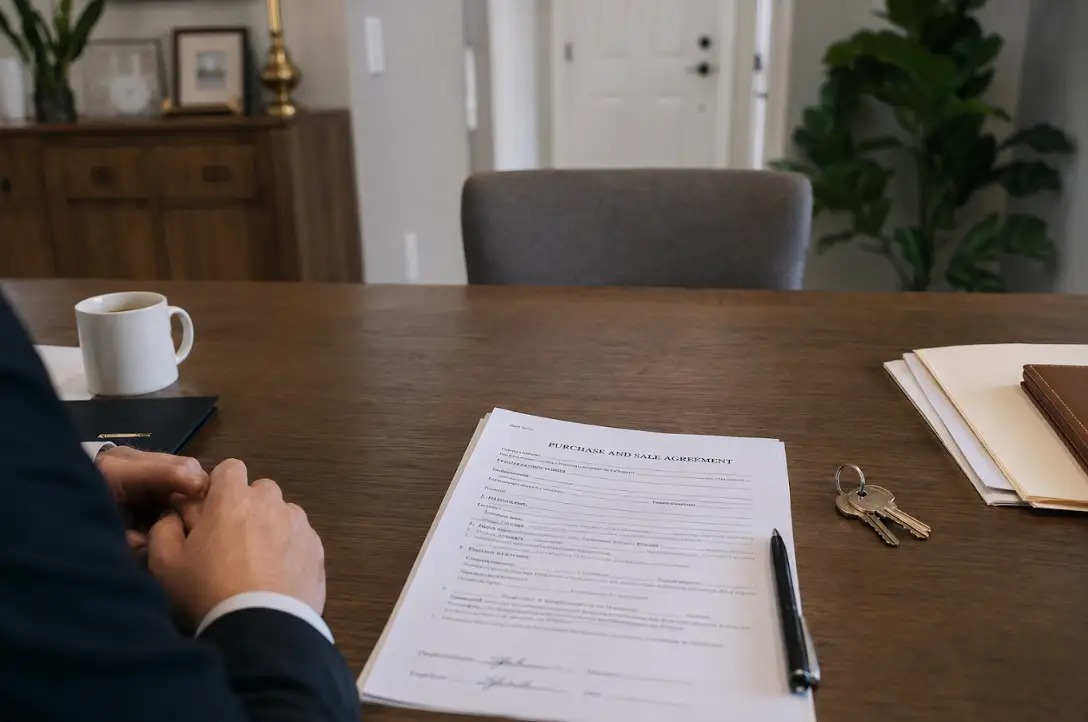
Table of Contents
- What Happens If the Seller Dies Before Closing?
- Does the Sale Still Go Through if the Seller Dies?
- What Usually Causes Delays After the Seller Dies
- Probate Delays
- Title Company Requirements
- Expired Lender “Lock-in” Rate
- What Buyers Should Do Immediately
- What Sellers’ Families or Estates Need to Know
- FAQs
- Can the buyer back out if the seller dies before closing?
- Who signs the closing documents if the seller passes away?
- How long can probate delay a real estate closing?
- Does the buyer lose earnest money if the sale can’t close?
- What if the seller dies after closing is scheduled but before signing day?
It is mere days away from closing when someone tells you that the seller passed away last night. The situation is an obvious tragedy, but while their family grieves, you are left in limbo about the sale.
You don’t want to be insensitive, but you have already sunk money into closing costs, inspections, and title searches. You wonder whether the sale is continuing and who you should contact to get things back on track.
While a seller dying before closing can throw a wrench in things, it does not always mean that the transaction is unsalvageable. There may be safeguards that allow a new seller to skip probate and proceed with the sale without significant delay.
Does the Sale Still Go Through if the Seller Dies?
There is a moderate period between signing the purchase agreement and closing on a home. If the seller passes away after signing the agreement, the estate is typically bound by that contract. The main change is that the estate’s executor handles the closing.
The executor is most often a direct family member or attorney. This person can sign the closing documents in the seller’s stead, but is also responsible for other probate tasks, such as informing heirs and settling debts. Settling this process can cause significant delays.
However, if the decedent was married and owned the property as “joint tenants,” then the sale can continue as planned without going through probate. The surviving spouse is allowed to sign the closing documents on their own after obtaining a death certificate.
What Usually Causes Delays After the Seller Dies
There are many things that can delay a sale after the seller passes away. It is an emotional situation, but most delays are surprisingly procedural.
Probate Delays
If the seller was the sole owner of the property, the estate must go through probate. This process is the legal settling of a deceased person’s estate, including real estate property. Probate involves multiple steps, each with state-specific deadlines. So, the entire process can span years.
For example, the executor must inform all beneficiaries of the decedent’s passing and their rights. California allows up to 60 days for this notification. The beneficiaries have up to 120 days to contest the Will.
These two steps alone have delayed closing for up to 180 days. However, Will contests can drag out for years, and it can be difficult to know when they will end.
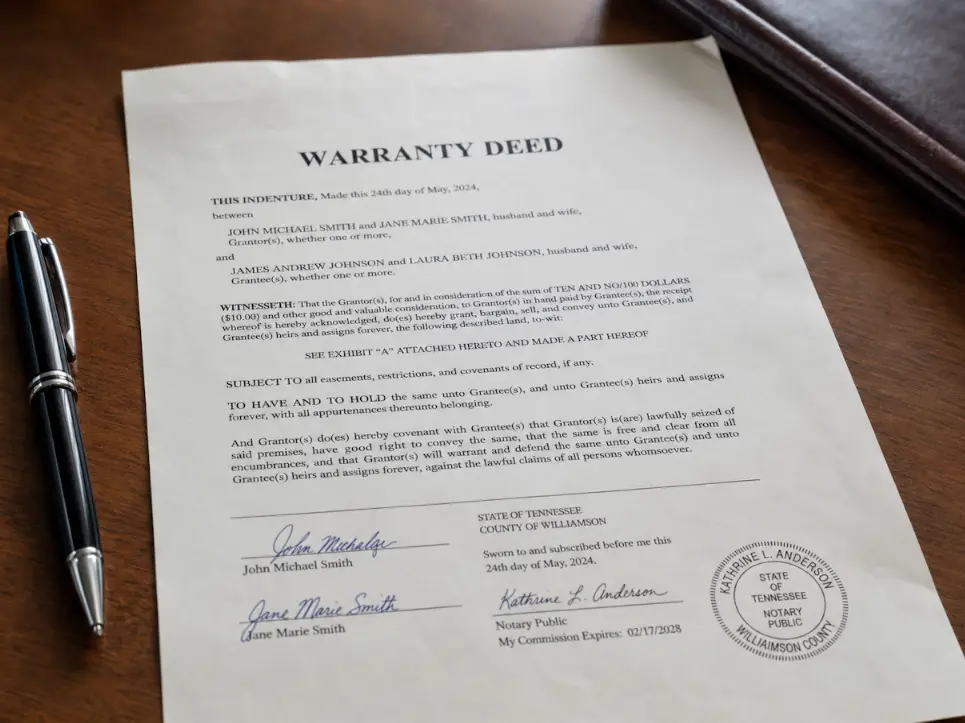
The most efficient way to avoid probate delays is for the seller to set up a Transfer on Death Deed. This document allows the house to automatically transfer ownership without going through probate. The new owner can then complete the sale.
Title Company Requirements
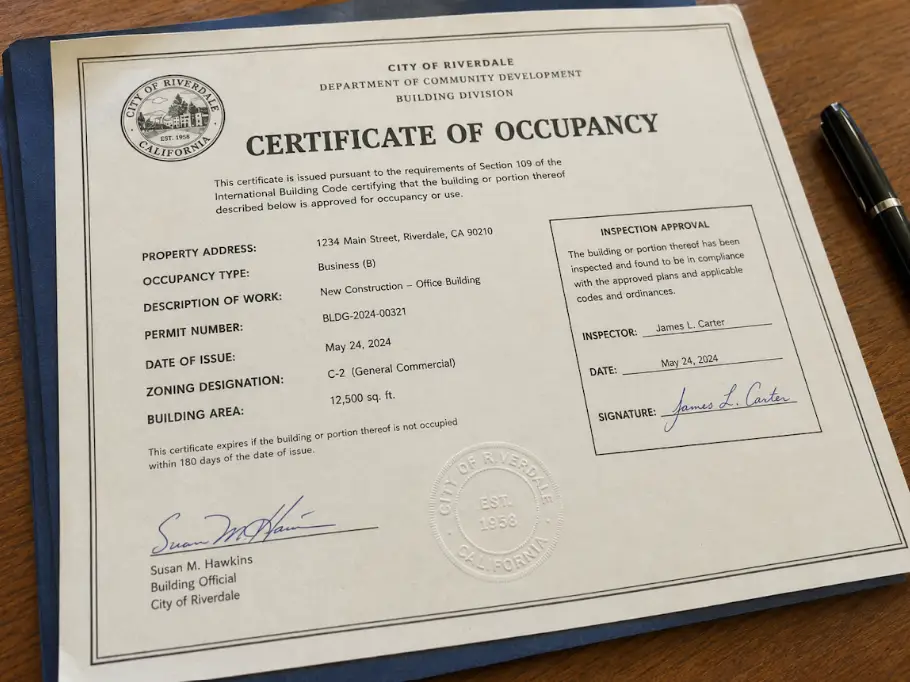
Title companies are extremely careful with seller deaths. These companies work to ensure that a title has no issues before a sale and that the chain of title is uncontestable. The seller’s death introduces a new event that they must investigate and confirm with public records, causing a delay.
Before closing, a title company may require the following:
- Certified death certificate
- Court judgment appointing an executor or administrator of the estate
- Release deeds from heirs
- Relevant affidavits
These are standard safeguards to ensure the property is legally transferred and that all conflicts of interest have been addressed. However, gathering and approving these documents can extend the timeline.
Expired Lender “Lock-in” Rate
A lock-in rate is an assurance from a lender that your mortgage’s interest rate will not change before closing. The primary requirement for a lock-in rate is that you close within a specified period, and there are no major changes to the information stated on your mortgage application.
In most cases, lock-in rates last for up to two months. A seller’s death will likely delay closing past the lock-in rate’s deadline, requiring the buyer to pay an extension fee. An extension will require application updates and further delay closing.
What Buyers Should Do Immediately
Learning that the seller has died is conflicting news. You are torn between panic and understanding, and left wondering whether you should leave the grieving family alone.
The first step is to contact your real estate agent and title company. These parties will keep you in the loop about the estate’s situation. You can determine whether someone has the right to proceed with the sale immediately or if you should expect delays.
Next, you must consider how long you are willing to wait if the estate enters probate. Some probate processes are completed very quickly, while others can drag on for years. It is worth speaking with your agent or a real estate attorney to discuss your best exit options.
If you are okay with waiting, then the next step is to consider additional costs. You may need to pay for a lock-in rate extension for your mortgage. This fee alone can range from a few hundred dollars to thousands of dollars. Your real estate agent should negotiate with the estate about who will cover these costs.
Lastly, do your best not to back out of the sale on your end. The seller’s estate is the party failing to meet the closing date. If you do not agree to an extension, they must back out of the sale, entitling you to recover costs such as earnest money and homeowners' insurance.
What Sellers’ Families or Estates Need to Know
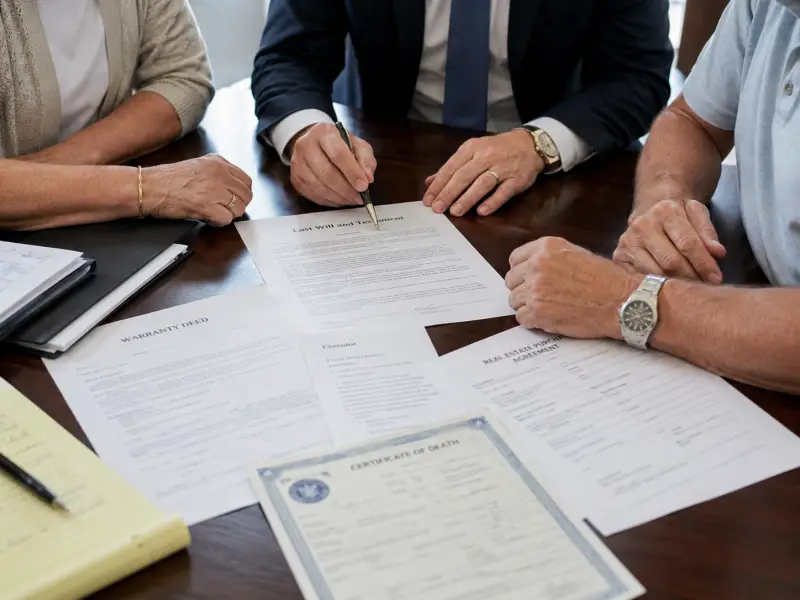
A real estate transaction may feel like an afterthought for families going through a loss. However, it is an important part of settling the estate, and closing an ongoing deal can save significant time and money.
The most important thing to figure out is: who has the power to sell the property? The easiest answer is a surviving spouse who had joint ownership of the property. This person can continue the sale by providing a death certificate at closing.
The deceased seller may have also signed a Transfer on Death Deed. This document will automatically transfer property ownership to the named party, allowing that person to take over the sale.
Otherwise, the executor or a court-appointed administrator must be chosen. Your attorney or your county’s probate court can help determine who will be the executor. The executor must resolve all beneficiaries’ rights to the property before proceeding with the sale.
Surprisingly, real estate transactions do not automatically cancel if the seller passes away. The contract is valid, but several issues arise.
In some cases, the sale can proceed with minimal delay through a surviving spouse or an authorized party. However, the seller’s death may also trigger a probate process that spans years.
Buyers should consider their tolerance for delays and decide quickly whether to continue with the sale. Consistent communication with your real estate agent will give you a good idea of what to expect and the situation.
FAQs
Can the buyer back out if the seller dies before closing?
Yes, the buyer can back out of the sale, but they will face consequences, such as losing the earnest money. In most cases, it is better to have the seller’s estate back out and recover those costs.
Who signs the closing documents if the seller passes away?
A surviving spouse or the estate’s executor can sign closing documents. The latter option requires court-recognized authority before signing.
How long can probate delay a real estate closing?
Probate delays can range from a few months to years. Some heirs may object to the transaction, tying the property up in probate for an extended period.
Does the buyer lose earnest money if the sale can’t close?
The buyer typically does not lose their earnest money if the seller breaches the contract. Buyers who do not want to wait through delays should not accept requests for extensions from the seller’s estate.
What if the seller dies after closing is scheduled but before signing day?
The seller’s estate is typically bound to signed purchase agreements. This means that the estate must honor the sale. However, the property may need to go through probate, which could cause significant delays in closing.

Elena Novak leads real estate research and analysis at PropertyChecker.com, where she digs into housing trends, tracks property data, and unpacks investment strategies across the U.S. With a background in flipping homes and a degree in Business and Real Estate Development, she brings a practical, hands-on approach to market analysis. Elena is especially skilled at uncovering hidden property value and guiding both homeowners and investors through shifting market conditions. She's also passionate about sustainable design and smart home innovation. When she's not analyzing the market, she's probably knee-deep in a DIY project, scouting vintage décor, or building something new in her workshop.
Search Property & Deed Records
Table of Contents
- What Happens If the Seller Dies Before Closing?
- Does the Sale Still Go Through if the Seller Dies?
- What Usually Causes Delays After the Seller Dies
- Probate Delays
- Title Company Requirements
- Expired Lender “Lock-in” Rate
- What Buyers Should Do Immediately
- What Sellers’ Families or Estates Need to Know
- FAQs
- Can the buyer back out if the seller dies before closing?
- Who signs the closing documents if the seller passes away?
- How long can probate delay a real estate closing?
- Does the buyer lose earnest money if the sale can’t close?
- What if the seller dies after closing is scheduled but before signing day?