How to Find, Evaluate, and Buy Probate Real Estate Properties for Sale
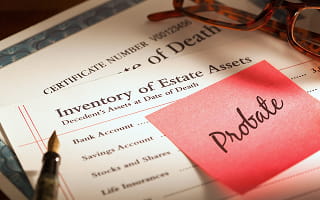
Most often, when someone passes away, their estate must pass through probate before it can be distributed to heirs. Probate is a court-centered process that aims to determine the size of the person's estate and each individual item of value. Sometimes these estates include real estate, and if there are no heirs, that property must be appraised and distributed.
Probate real estate is often undervalued and underpriced, making it an attractive option for both buyers and sellers. The key is identifying these unique opportunities and taking a chance on probate properties for sale that may also carry a bit of risk.
To find, evaluate, and buy probate real estate, you can find leads via court records, specialized agents, or obituaries; evaluate the properties by getting thorough inspections and researching comparable sales (comps) to assess "as-is" condition and their potential. You then must buy the real estate by making court-approved offers through the estate's executor or attorney, understanding that the sale process is longer and requires court confirmation, often with bidding involved.
What Is Probate Real Estate?

Probate real estate refers to a house, land, or other property that must go through the court-supervised legal process known as probate after the owner dies, to settle the estate, pay debts, and transfer ownership to heirs. It often requires court approval for sale and appraisal. This process is necessary for assets held solely in the deceased's name, especially if there's no trust or joint ownership with rights of survivorship.
What is Probate in Real Estate
Probate in real estate is a legal necessity. The court oversees the transfer of the deceased person's assets, including real estate, to the deceased person's beneficiaries or heirs. It generally involved property owned solely by the deceased person, not jointly with rights of survivorship or held in a trust. The process is court-supervised. An executor or administrator manages the property, pays taxes and debts, and distributes remaining assets, often involving appraisals and court orders.
Why Real Estate is Sold Via Probate

Properties enter probate as part of the process as the court confirms the will's validity and the executor takes stock of all the deceased person's assets. If there's no will, state law determines how assets are distributed. Often, property is sold to pay off the deceased's outstanding debts.
Characteristics of Probate Real Estate
Buying probate real estate can be a great value. Often, these homes are sold for far less than fair market value. However, they are sold "as-is" without any warranty and may require significant repairs. Sales of probate property are more complicated and time-consuming because they require court approval, appraisals, and potential family disputes. Probate properties may not be advertised the same way as traditional real estate, making them more challenging to find. The entire sales process differs widely from a standard real estate purchase.
Probate vs. Inherited Property

Probate refers to the court-supervised legal process for distributing a deceased person's assets. At the same time, inherited property is the asset received by heirs, which can be either a probate asset (going through court) or a non-probate asset (transferring directly). The key difference lies in the process: probate assets, such as sole-owned real estate or bank accounts, require court validation for transfer, whereas non-probate assets, such as life insurance or retirement accounts with beneficiaries, bypass the court for quicker, private distribution. The differences are detailed below:
Probate vs. Inherited Property (Probate Asset)
-
Process: Requires court involvement to validate the will (if any) and oversee the asset transfer, which can be lengthy (months to years) and costly (fees and legal costs).
-
Examples: Property solely owned by the deceased, bank accounts without beneficiaries, vehicles, and personal belongings.
-
Control: The will dictates distribution, but the court ensures it's followed.
-
Privacy: Becomes public record.
Inherited Property (Non-Probate Asset)
-
Process: Transfers directly and automatically to the named beneficiary or joint owner, bypassing the court, making it faster, cheaper, and private.
-
Examples: Life insurance, retirement accounts (401(k)s, IRAs), payable-on-death (POD) bank accounts, and property held in joint tenancy with right of survivorship (JTWROS).
-
Control: Beneficiary designations override a will; the asset goes directly to the named person.
-
Privacy: Stays private between the parties involved.
The type of asset determines the inheritance method: a house in your name only is a probate asset that requires probate, but a life insurance policy with you as the beneficiary is a non-probate asset that pays out directly, even if you have a will. Understanding this distinction helps with estate planning to ensure assets go where you intend them to go efficiently.
How the Probate Real Estate Process Works
The probate real estate process is a court-supervised legal procedure to settle an estate, which involves filing with the court, appointing an executor/administrator, inventorying assets (like a home) and debts, paying creditors, getting court approval for sale, and distributing any remaining funds to heirs, ensuring transparency and the proper transfer of property after death. Even if a will exists, the process can take 6-12 months, although timelines vary.
The general step-by-step process of probate real estate works as follows:
-
Open Probate and Get Authority:
-
File the will (if any) with the probate court to start the process.
-
The court appoints an executor (with a will) or an administrator (without a will) to manage the estate.
-
This person receives "Letters Testamentary" (or similar), granting legal authority over the assets, including the home.
-
-
Identify and Value Assets:
-
The executor inventories all assets, including real estate, vehicles, and accounts.
-
A professional appraisal determines the home's fair market value, crucial for court approval and fairness.
-
-
Notify All Parties and Pay Any Debts:
-
Heirs, beneficiaries, and creditors are formally notified.
-
The estate pays valid debts, funeral costs, taxes, and other obligations using estate funds.
-
-
Sell the Property (If Necessary):
-
If the estate needs cash to pay debts or if the will directs it, the executor petitions the court to sell the house.
-
Probate properties for sale are often listed as-is and sold, but the sale price requires court approval to ensure it's fair.
-
-
Distribute Remaining Assets and Close:
-
After all debts and costs are settled, remaining assets are distributed to beneficiaries per the will or state law.
-
A final accounting is filed with the court, and the estate is officially closed.
-
How to Find Probate Properties for Sale
You have many options when searching for probate properties. Some possibilities include court records, public notices, obituaries, networking, real estate professionals, probate auctions, and estate sales. These properties often bypass standard MLS listings and require extra legwork through public records and specialized channels. Some details about the various methods are as follows:
Research Court Records

Visit a local courthouse and find the probate division clerk of courts. You can request new probate real estate listings and properties. Many courts offer an online search option that lets you do the same thing from the comfort of your home or office. Many counties provide online databases for court dockets. Search for terms like "probate case search" or "estate inventory" for your county. Probate records list the executor or administrator, the person managing the estate, whose contact information you can find there.
Public Notices and Obituaries
Check local newspapers (or their websites) for "notices to creditors" or petitions to administer estates, which often include contact details. Read obituaries to identify recently deceased property owners and then research their estates for potential sales.
Networking and Professionals

Connect with estate planning and probate lawyers, as they know about properties coming to market before they are widely listed. You can ask them to contact you first so you can get a jump on the property before anyone else. Work with real estate agents who specialize in probate or trust sales; they have access to off-market opportunities.
Auctions and Special Listings

Many probate homes are sold at auction, so find local auctioneers or check auction listings. Some investor-focused sites, foreclosure listing services, or specialty websites may list these properties.
Estate Sales

Look for estate sales advertised in newspapers or online, and show up at the appointed date and time. You may have to pre-register, or in many cases, you can show up unannounced.
Evaluating Probate Properties Before Buying
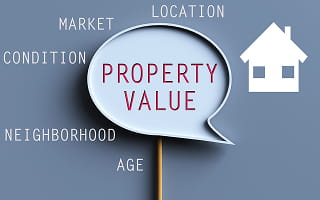
Buying probate properties can be very lucrative, but it also carries significant risk. Investors must take great care and thoroughly evaluate the property and situation before purchasing. Some of the risks and due diligence steps you must take include:
Property Condition and Hidden Costs
Be prepared for properties to be sold "as-is" and require significant repairs, so conduct thorough inspections if possible. Ask for as much detail as possible, including photos and maintenance records. You should also check public records for building permits, deeds, ownership history, and other items before buying. "As-is" sales mean investors bear costs for major repairs, renovations, and potentially significant liens or estate debts.
Title Issues and Existing Liens
When buying probate properties, you can run into title issues, heir disputes, hidden liens, and other encumbrances. It's imperative to conduct proper due diligence, including a thorough title search, to identify any liens, unpaid taxes, judgments, or unknown heirs that could complicate the transfer of ownership. You might find a property in good shape with no liens, or a property heavily in debt with rights-of-way that become a problem. The property's current use might violate local zoning or HOA rules.
Lengthy and Complex Process
Probate involves court hearings, creditor notifications, and legal hurdles, causing significant delays. Understand that offers often require court approval, a process that can take time. Conflicts among heirs or unexpected estate issues can prolong sales or lead to legal challenges.
How to Buy Probate Real Estate

Learning how to buy probate properties is a valuable skill. Although the process may vary depending on the specifics of the property, the general step-by-step instructions are as follows:
-
Find a specialist or real estate agent to help you find probate sales in your desired area.
-
Check probate property listings, obituaries, or probate court records.
-
Be aware that these homes often sell in their current condition, so an inspection is key.
-
Tour the property and get a professional home inspection to uncover any hidden issues.
-
Determine fair value using comparable local sales and check out the neighborhood.
-
Perform thorough due diligence on the property, checking lien, loan, and ownership history records. Confirm clear ownership and uncover liens, judgments, easements, or restrictions. Look for code violations or environmental hazards as well. Identify all repair, maintenance, or renovation needs. Estimate expenses for repairs, vacancy, and management.
-
Make an offer through the agent, usually requiring a 10% deposit and contingencies (inspection, financing, appraisal). Include clauses in the offer for inspections, financing, and court approval to allow backing out if issues arise.
-
Obtain title insurance, just in case.
-
Consider hiring experienced professionals (attorneys, agents) to navigate legalities and ensure property value aligns with the potential costs and your goals.
-
The estate's attorney/executor reviews bids, but acceptance isn't final until court approval. You may need to attend a hearing to make your case for the sale. The court may entertain higher bids before finalizing the sale, so bid as much as you comfortably can.
-
Once the court approves the sale, you will have to complete all necessary paperwork and be patient. Closings take longer with probate real estate. Understand that the process takes time and handle all communications with empathy for the heirs.
Make Probate Property Due Diligence Easier with PropertyChecker
Probate real estate can be an irresistible opportunity for a healthy return. However, probate-sale real estate comes with significant risks that you must navigate successfully to achieve your goals. The most crucial step is to perform extensive due diligence, hire legal professionals to review everything so you don't miss a step, and be patient throughout the process.
PropertyChecker can help with the due diligence by providing quick and easy access to public records about any property within the U.S. Within seconds, you can review ownership history, liens, property details, loans, foreclosures, values, property taxes, neighborhood statistics, building permits, zoning issues, and more. Don't buy probate real estate without your partner, PropertyChecker.
Table of Contents
- How to Find, Evaluate, and Buy Probate Real Estate Properties for Sale
- What Is Probate Real Estate?
- How the Probate Real Estate Process Works
- How to Find Probate Properties for Sale
- Evaluating Probate Properties Before Buying
- How to Buy Probate Real Estate
- Make Probate Property Due Diligence Easier with PropertyChecker
Table of Contents
- How to Find, Evaluate, and Buy Probate Real Estate Properties for Sale
- What Is Probate Real Estate?
- How the Probate Real Estate Process Works
- How to Find Probate Properties for Sale
- Evaluating Probate Properties Before Buying
- How to Buy Probate Real Estate
- Make Probate Property Due Diligence Easier with PropertyChecker
Investors Properties Resources
- How to Find Investment Properties
- How to Profit from Fixer Upper Homes
- What Is a Deed-in-Lieu of Foreclosure
- Government and Seized Property Auctions
- How Property Auctions Work
- How to Buy Bank-Owned Properties
- How to Buy Tax Lien Properties
- How to Choose a Property Investment Company
- How to Finance an Investment Property
- How to Find and Buy FSBO Homes
- How to Find Investment Properties
- How to Find Off-Market Properties
- How to Find Vacant Homes in the US
- What Is a Cloud on Title
- How to Wholesale Real Estate
- Restrictive Covenants and Deed Restrictions
- Types of Warranty Deeds
- What Are Easements
- What Are Encumbrances in Real Estate
- What Are HOA Liens
- What Are Real Estate Investment Trusts
- What Are REO Properties
- How to Find Tax Delinquent Properties
- What Are UCC Liens
- What Is a Bargain and Sale Deed
- What Is a Deed of Reconveyance
- What Is a Judgment Lien
- What Is a Lis Pendens
- What Is a Mechanic's Lien
- What Is a Quiet Title Action
- What Is a Quitclaim Deed
- What Is a Short Sale in Real Estate
- What Is a Special Warranty Deed
- What Is a Statutory Warranty Deed
- What Is Adverse Possession
- What Is Skip Tracing in Real Estate
- How to Use the BRRRR Method
- What Is Vacant Home Insurance