Homes for Sale by Owner: How to Find and Buy Directly
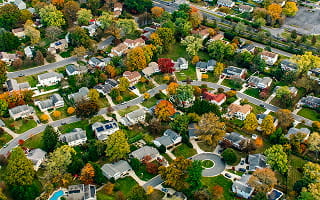
When looking to invest in real estate, you have various options. The goal is typically to buy low and sell high or use the property as a rental. To find homes that sell for less than fair market value, you can search for distressed properties, government or bank-owned properties, or homes for sale by owner. Often, you can get a better deal when negotiating directly with the owner rather than through a real estate agent or other intermediary. For sale by owner (FSBO) means the owner is handling the sale of the house themselves. Private homes for sale by owner can be an excellent opportunity for investors or regular buyers.
With any real estate deal, the most crucial factor is due diligence and learning all you can about the property, which may give you an advantage at the negotiation table. If you skip this step, you could end up with a property that requires extensive renovations or repairs before you can use or flip it.
What Does "For Sale by Owner" Mean?
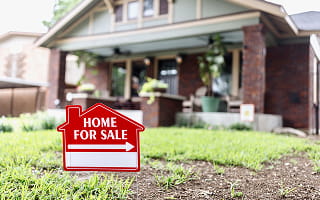
For sale by owner is just as it sounds: the owner of the property handles the marketing, advertising, negotiation, and sale of the property themselves without the help of a real estate agent. For-sale-by-owner homes often cost less because the owner saves money by handling the sale themselves.
Although property owners have various reasons for selling the home themselves, the most common is to save money. By managing the listing, pricing, showings, negotiations, and paperwork themselves, they don't have to pay the steep real estate commission that comes with having a professional handle all of it.
Because it's so much work and the paperwork has become more complex, few homeowners choose to sell their homes themselves, but some still do, despite the challenges. According to the National Association of REALTORS®, only 6% of property owners sell their own homes.
Another issue that complicates things further is that historically, the seller was required to pay both the buyer's and the seller's agents' commissions. As of a 2024 ruling, that is no longer the case. Therefore, homeowners can safely sell their homes without paying any commission, regardless of whether the buyer uses an agent. What this means for you is that if you choose to use an agent, you will have to pay their fee.
How to Find Homes for Sale by Owner

Whether you're looking to expand your real estate portfolio or just being a savvy buyer, you need to know where to find homes offered by their owners. The good news is that there are many different avenues you can take to find these homes and then proceed with a purchase. Your options are as follows:
Searching Online

First, try an online search. Type in "homes for sale by owner near me" in Google or your favorite search engine and see what comes up. The "near me" feature will tailor results to your location based on your browser's GPS.
Also, try searching popular real estate platforms like Zillow, Trulia, Homes.com, and Redfin, and type in "FSBO," "For Sale by Owner," or "Owner Listed/Posted" to see what comes up. Within some of these realty platforms, you can also filter by unchecking "Agent Listed" or checking off boxes like "For Sale by Owner" or other similar terms. Play around with it until you get the results you need.
FSBO Platforms

Another option is to scour dedicated FSBO platforms like ForSaleByOwner.com, Houzeo, Homecoin, and ISoldMyHouse.com. These were designed especially for homeowners who want to sell and market their homes themselves. Look for listings with direct owner contact information so you can reach out to schedule a showing, negotiate a price, or learn more.
As a pro tip, look for listings that have been on the market for 90+ days or have a recent price drop. These sellers are likely more willing to negotiate and will be motivated to sell more quickly than sellers of newer listings.
Classifieds

Check local newspapers, either in paper or online, and look for the real estate section. Find ads that mention the property is listed as FSBO. If there is contact info, reach out to the owner as soon as possible to set up a showing or ask questions.
Access the MLS

If you are using an agent, you can access the MLS to find homes for sale by owner. Using direct-access MLS tools, you can filter results to narrow your search to a specific area, price range, features, or other criteria.
Local Listings

Check local brochures and other real estate and community publications for ads for homes for sale by owners. Many of these real estate magazines have ads from agents, but local libraries or town newsletters may have listings for homes for sale by owner.
Looking for Yard Signs
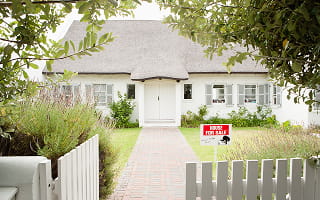
You can also drive around through desirable neighborhoods looking for yard signs. You may get lucky and find a for-sale sign that indicates the owner is selling themselves. You can knock on the door to get additional details or ask for a showing. Some signs may include a phone number you can call for more information.
Property Data Tools

Property data tools like PropertyChecker can help you in your search. You can use this powerful platform to find for-sale-by-owner listings and perform due diligence all at once. Learn all about the property's history, ownership, loan records, property details, deeds, values, taxes, neighborhood stats, building permits, liens, foreclosures, and so much more.
Step-by-Step Guide to Buying an FSBO Home

Finding and buying homes for sale by owner requires strategy and execution. Follow the steps below to find and purchase an FSBO to take advantage of this unique real estate sales model. These steps work for both private buyers and investors.
-
Select Your Target Area: Find the area where you want to purchase a home. It can cover multiple towns/cities, counties, or even more than one state. Evaluate neighborhoods (crime stats, schools, public transportation, noise and pollution levels, amenities), curb appeal, location, prices, and local property taxes.
-
Start Searching: Explore all the different ways to search and find potential rental properties or investment homes. Use the options above to get started. Narrow down your search to a few solid choices.
-
Contact FSBO Owners: Engage with property owners via phone, email, or through platforms to start a discussion about the property. Ask plentiful questions about liens, mortgages, taxes, easements, ownership history, renovations, and issues such as water damage, pests, and foundation problems. Ask about the average monthly cost of utilities and maintenance. You may also ask if there is another interest in the property besides yours, so that you can gauge your competition. If you are interested in a rental property, ask questions about the rental history, rates, and income, and request tenant references.
-
Secure Funding: The next step before making an offer is to ensure you have the funds to pay for the property and all associated closing fees. If necessary, contact banks or other lenders to apply for a mortgage. Funding should reflect your long-term goals for the property. Some options for financing an FSBO property include traditional mortgages, hard money loans, and private investors.
-
Make an Offer: Based on your information gathering, put together a fair assessment of what the property is worth and submit a formal offer (P&S Agreement). Take into consideration the condition of the property, recent sales in the area, and the seller's apparent level of motivation.
-
Inspect the Property: If the offer is accepted, hire a property inspection company to thoroughly examine every inch of the property for any weak spots or repairs that are needed. If anything serious is found (foundation issues, roof repairs, or HVAC problems), you may be able to negotiate these items into the deal. You can either have the owner take money off the sale or fix them before closing. If the issues are serious and you cannot come to an agreement with the owner, you can pull out of the deal at this point. Each state has a specific period of time during which you can perform the inspection and sever the deal. If you are financing, your lender may have additional requirements.
-
Finalize the Purchase: Complete the financing process, obtain the funds, and secure property insurance. Show up for closing, sign all the documentation, and provide a bank check for the balance due. Typically, a legal professional or title company will handle the closing process as an independent party.
Financing Options for FSBO Purchases

When funding a for-sale-by-owner home, you can use standard bank loans to create arrangements where the seller acts as the lender. Your choice will dovetail into your long- or short-term plans for the property.
Traditional Financing Options

Buyers can use conventional, FHA, or VA loans for FSBO properties, just as they would with agent-listed homes. The financing process itself remains the same; the main difference is that the buyer and seller work directly with the lender and potentially a real estate attorney or escrow agent to manage the necessary paperwork.
-
Conventional Mortgages: These are common and often preferred by sellers because they typically have less stringent property requirements compared to government-backed loans.
-
FHA Loans: Insured by the Federal Housing Administration, these loans offer lower down payment and credit score requirements. However, the property must meet specific FHA minimum property standards, which can sometimes require the seller to make repairs before closing.
-
VA Loans: Available to eligible service members, veterans, and their surviving spouses, these loans often feature zero down payments and competitive interest rates. Like FHA loans, VA loans have specific property condition requirements that must be met.
Seller-Financing Options

In a seller financing arrangement, the homeowner acts as the lender, and the buyer makes payments directly to them. This can be a flexible option for buyers who may not qualify for a traditional mortgage, but it is typically a short-term arrangement (5-10 years) and often requires a large balloon payment at the end of the term. Some variations include:
-
Land Contract: The buyer makes installment payments directly to the seller, but the seller retains title to the property or a deed until the full purchase price is paid.
-
Lease-Purchase Agreement: The buyer rents the home with an option to buy it at a set price after a specific period. A portion of the monthly rent payments may be applied toward the eventual down payment.
-
Second Mortgage/Junior Mortgage: If the buyer secures a traditional first mortgage but needs additional funds, the seller can provide a second mortgage for the remaining amount.
-
Wraparound Mortgage: The buyer makes payments to the seller, who continues to pay their existing mortgage. The buyer's loan essentially "wraps around" the seller's original loan. This requires the seller's lender's permission due to "due-on-sale" clauses.
-
Assumable Mortgage: A less common scenario in which the buyer assumes the seller's existing mortgage. This is generally only possible with government-backed loans (FHA, VA, USDA), not conventional ones.
Other Alternative Options
Along with private investors, a couple of other alternative options for financing a FSBO home are:
-
Home Equity Loan/HELOC: A buyer might use a home equity line of credit on another property they own to purchase the new FSBO home with cash.
-
Personal Loan or Borrowing from a Retirement Account: While possible, these options may carry higher interest rates or tax implications and are generally less common for the full purchase price of a home.
Advantages and Disadvantages of Buying FSBO Homes

For-sale-by-owner homes offer significant advantages, such as potential cost savings (no agent fees), direct communication with the seller for quick answers, less competition, and faster transactions. However, these opportunities also present some disadvantages, such as sellers' unrealistic expectations, greater legal/paperwork risks, inadequate disclosures, and emotional negotiations, often requiring you to hire your own agent or attorney for protection.
Advantages of Buying FSBO Homes
-
Cost Savings: Sellers save on listing agent commissions (typically 3%), which can translate into lower prices or more room to negotiate for buyers.
-
Direct Communication: You talk directly to the owner, gaining firsthand knowledge of the home, neighborhood, and history, which speeds up your decision-making.
-
Less Competition: Fewer buyers are aware of FSBO homes due to limited marketing, resulting in fewer offers.
-
Streamlined Process (Potentially): Cutting out intermediaries can make scheduling and communication quicker and more flexible.
Disadvantages of Buying FSBO
-
Pricing Issues: Sellers might overvalue their home due to emotional attachment or inexperience.
-
Legal & Paperwork Risks: Sellers often lack expertise in contracts and disclosures, increasing the chance of missed legal requirements or future problems.
-
Lack of Due Diligence: You'll need to do significantly more research and investigation, as sellers may not provide complete or accurate information.
-
Emotional Negotiations: Direct contact can lead to emotional disagreements, making deals harder to close.
-
No Seller's Agent Protection: You lack a professional advocate for the seller side, potentially leaving you exposed if you don't hire your own.
Never Buy a FSBO Home Without Using PropertyChecker
Buying FSBO homes offers a tremendous opportunity for a lucrative real estate deal, but they also carry substantial risks. Due diligence can help protect you from making mistakes or buying a property with hidden issues. Do yourself a favor and indulge in an extensive property inspection and all the legal/title checks available to you before purchasing.
Save a lot of headaches by using PropertyChecker to examine extensive details about a property and gather as much information as possible to proceed securely with the purchase.
Table of Contents
- Homes for Sale by Owner: How to Find and Buy Directly
- What Does "For Sale by Owner" Mean?
- How to Find Homes for Sale by Owner
- Step-by-Step Guide to Buying an FSBO Home
- Financing Options for FSBO Purchases
- Advantages and Disadvantages of Buying FSBO Homes
- Never Buy a FSBO Home Without Using PropertyChecker
Table of Contents
- Homes for Sale by Owner: How to Find and Buy Directly
- What Does "For Sale by Owner" Mean?
- How to Find Homes for Sale by Owner
- Step-by-Step Guide to Buying an FSBO Home
- Financing Options for FSBO Purchases
- Advantages and Disadvantages of Buying FSBO Homes
- Never Buy a FSBO Home Without Using PropertyChecker
Investors Properties Resources
- How to Buy Probate Real Estate Properties
- How to Find Investment Properties
- How to Profit from Fixer Upper Homes
- What Is a Deed-in-Lieu of Foreclosure
- Government and Seized Property Auctions
- How Property Auctions Work
- How to Buy Bank-Owned Properties
- How to Buy Tax Lien Properties
- How to Choose a Property Investment Company
- How to Finance an Investment Property
- How to Find Investment Properties
- How to Find Off-Market Properties
- How to Find Vacant Homes in the US
- What Is a Cloud on Title
- How to Wholesale Real Estate
- Restrictive Covenants and Deed Restrictions
- Types of Warranty Deeds
- What Are Easements
- What Are Encumbrances in Real Estate
- What Are HOA Liens
- What Are Real Estate Investment Trusts
- What Are REO Properties
- How to Find Tax Delinquent Properties
- What Are UCC Liens
- What Is a Bargain and Sale Deed
- What Is a Deed of Reconveyance
- What Is a Judgment Lien
- What Is a Lis Pendens
- What Is a Mechanic's Lien
- What Is a Quiet Title Action
- What Is a Quitclaim Deed
- What Is a Short Sale in Real Estate
- What Is a Special Warranty Deed
- What Is a Statutory Warranty Deed
- What Is Adverse Possession
- What Is Skip Tracing in Real Estate
- How to Use the BRRRR Method
- What Is Vacant Home Insurance