Adverse Possession in U.S. Real Estate - Definition and Business Implications

Real estate investors face a roulette wheel of challenges, one of which is the adverse possession law, which could result in the complete loss of their asset. If left untended or unused for a specific length of time, your property could be at risk. Even if you have future plans for it, adverse possession might result in squatters claiming legal ownership of your property and winning if you are not careful.
What Is Adverse Possession?
Adverse Possession Definition: Adverse possession is a legal term referring to "squatter's rights". These rights allow someone to claim legal ownership over another person's land by occupying it for a statutory period of time. The squatter does not have the owner's permission and must meet strict requirements, like open, notorious, exclusive, and continuous possession, for the law to apply. Another way of putting it is that the concept of adverse possession grants title to a piece of land to a person other than the landowner.
Adverse possession exists to encourage land use, promoting the productive use of land so that it is not abandoned or neglected by the owner. To establish adverse possession, the possessor's actions must be so obvious that they notify the valid owner, treating the land as if they are the rightful owner. It can resolve land disputes by settling long-standing issues related to land ownership. Adverse possession also discourages landowners from neglecting their property, forcing them to monitor and defend their ownership rights.
Understanding the Legal Basis and Key Requirements

The adverse possession elements that are required for the doctrine to work are as follows:
Elements of Adverse Possession
- Actual Possession: The possessor must physically occupy the land, live there, and maintain it, not just use it occasionally. They can prove this through improvements they made to the house or tending a garden on the property.
- Open and Notorious: The occupation must be evident and public, not a secret, so the actual owner would likely discover it if they inspected their property. The community must believe that the trespasser owns the property through their continued use of it.
- Exclusive: The possessor must have sole possession of the land and not share it with the valid owner or the general public. If it is jointly used, it cannot be claimed in adverse possession.
- Continuous and Uninterrupted: The possession must be continuous for a specific period defined by state law, such as seven years in Florida. If the squatter leaves the property before the statutory period is over, the clock on adverse possession resets.
- Hostile: The possession must be without the owner's permission and in opposition to the owner's rights. If the owner allows the person to be there, the adverse possession law does not apply.
Another aspect of adverse possession is "color of title", which is a legal term referring to a situation where a person has an apparent, but legally defective, claim to a property. This defective claim is based on a written document, such as a deed, that looks valid on the surface but is actually invalid due to an error, fraud, or other defect. The term also relates to "adverse possession", where having color of title can shorten the required period of possession or allow the possessor to claim the entire property described in the defective document. Some examples of defective documents are:
- A forged deed.
- A deed from someone who didn't actually own the property.
- A deed with an incomplete description of the property.
- A deed that was inappropriately delivered or accepted.
Process and Timeframes in Adverse Possession

Generally, owning property is a positive thing. However, in the case of adverse possession, it can result in some legal headaches you would do well to avoid. Adverse possession laws regarding real estate vary widely by state. For example, some states require squatters to pay property taxes on the land.
Typical time limits of trespass vary as well. This is known as the "statutory period", which is the minimum amount of time someone can occupy the property before claiming possession. California uses a statutory period of five years, whereas Louisiana requires squatters to occupy the property for 30 years. Florida uses a statutory period of seven years (regardless of the color of title). Georgia relies on a 20-year statutory period, unless the adverse possessor has a "color of title", in which case it is reduced to 7 years, provided they have paid property taxes on the land.
To make a claim for adverse possession, the occupant of the land must prove that their possession of another person's land was actual, open, notorious, exclusive, and hostile for the statutory period required by the state. After meeting these key elements, the claimant typically files a quiet title action to transfer ownership legally from the previous owner to themselves.
Examples of Adverse Possession in Practice

There exist many real-world examples of adverse possession. Some are notorious cases, such as Mehr v. Superior Court (1983) and Nellie Gail Ranch Owners Association v. McMullin (2016), while others are more nuanced.
A good example of adverse possession is, say, you buy a piece of real estate where a portion of the neighbor's fence is actually on your land. If they have been using that land for a long time and no one has complained about it, they may be able to claim adverse possession and prevail in court. In effect, that portion of your recently purchased investment would become theirs and reduce the amount of land you now own.
Another excellent illustration is a shared driveway where one neighbor exclusively and openly uses a portion of another person's land for a driveway for the entire statutory period without permission, effectively claiming a right to that land. If you were the land owner and didn't protect it for the whole statutory period, you may lose that section of land legally, and there is nothing you could do about it. The trespasser would have to meet state requirements and pay property taxes on a portion of the land.
Suppose you purchased a piece of rural land in New Hampshire that had been abandoned and neglected for many years. You had no idea that a family had been living there for 25 years. If the squatters maintained continuous, uninterrupted, and exclusive use of the property for the state-mandated period without your permission, they could claim ownership and take it out from under you. Upon which you would legally lose your entire investment. Long-term occupancy is another way that adverse possession can hurt you. In New Hampshire, the timeframe is 20 years, and the possessor is required to pay property taxes on the land.
Business Implications for Investors and Property Managers

Adverse possession poses an enormous risk to property investors and managers, including the loss of the property. Some of the most crucial issues to be aware of include:
-
![]() Reduced Property Value and Damage: An active adverse possession claim, even if not fully realized, can significantly decrease the property's marketability and value, deterring potential buyers and tenants. Squatters or adverse possessors may also damage the property, requiring costly repairs before it can be rented or sold.
Reduced Property Value and Damage: An active adverse possession claim, even if not fully realized, can significantly decrease the property's marketability and value, deterring potential buyers and tenants. Squatters or adverse possessors may also damage the property, requiring costly repairs before it can be rented or sold.
-
![]() Costly Legal Issues: A prolonged adverse possession dispute can tie up capital and resources, preventing you from pursuing other, more profitable opportunities.
Costly Legal Issues: A prolonged adverse possession dispute can tie up capital and resources, preventing you from pursuing other, more profitable opportunities.
-
![]() Loss of Investment: The most extreme risk is losing ownership of the property entirely, leading to a total loss of the initial investment and any subsequent capital gains.
Loss of Investment: The most extreme risk is losing ownership of the property entirely, leading to a total loss of the initial investment and any subsequent capital gains.
-
![]() Financing Issues: Lenders and investors may be reluctant to finance properties with adverse possession claims, making it harder to secure funding for renovations or future development projects.
Financing Issues: Lenders and investors may be reluctant to finance properties with adverse possession claims, making it harder to secure funding for renovations or future development projects.
-
![]() Loss of Rental Income: Squatters occupying a property can block legitimate tenants from occupying it, resulting in a direct loss of rental income.
Loss of Rental Income: Squatters occupying a property can block legitimate tenants from occupying it, resulting in a direct loss of rental income.
-
![]() High Eviction and Legal Costs: The cost of removing a squatter can be lengthy and expensive, including court fees, filing fees, and potentially using a professional eviction service.
High Eviction and Legal Costs: The cost of removing a squatter can be lengthy and expensive, including court fees, filing fees, and potentially using a professional eviction service.
-
![]() Legal Liability: Property managers could face lawsuits from squatters claiming rights or from owners alleging failure to protect their assets.
Legal Liability: Property managers could face lawsuits from squatters claiming rights or from owners alleging failure to protect their assets.
-
![]() Marketing Challenges: A property with a history of squatters or adverse possession claims can carry a negative stigma, making it harder to attract and retain tenants.
Marketing Challenges: A property with a history of squatters or adverse possession claims can carry a negative stigma, making it harder to attract and retain tenants.
-
![]() Title Clearing Challenges: Clearing a title after adverse possession can be difficult, and you must file a "quiet title action" to legally resolve the competing claims and obtain a judicial decree that establishes clear ownership.
Title Clearing Challenges: Clearing a title after adverse possession can be difficult, and you must file a "quiet title action" to legally resolve the competing claims and obtain a judicial decree that establishes clear ownership.


With this level of risk, due diligence becomes even more crucial before making real estate acquisitions or redeveloping property. Avoiding adverse possession is much easier than dealing with the problem once it is realized.
How to Prevent and Defend Against Adverse Possession
Once you are aware of the issue presented by adverse possession, you can begin to develop a prevention strategy. Your risk management program should include both basic and more advanced actions. A few tips to protect yourself include:
-
![]() Monitor Your Property: Regularly inspect your land to ensure no one is occupying it without your consent. Property managers conduct frequent, documented inspections of all properties, especially vacant ones, to detect any signs of unauthorized occupation.
Monitor Your Property: Regularly inspect your land to ensure no one is occupying it without your consent. Property managers conduct frequent, documented inspections of all properties, especially vacant ones, to detect any signs of unauthorized occupation.
-
![]() Establish Clear Boundaries: Clearly mark your property lines to deter trespassers. Consider installing a fence to mark the boundaries clearly and indicate that the property is not to be used without permission.
Establish Clear Boundaries: Clearly mark your property lines to deter trespassers. Consider installing a fence to mark the boundaries clearly and indicate that the property is not to be used without permission.
-
![]() Post Notices: Post "No Trespassing" signs all over the property to let others know that any occupation is without permission.
Post Notices: Post "No Trespassing" signs all over the property to let others know that any occupation is without permission.
-
![]() Proactive Tenant Management: Promptly address issues with former tenants who have overstayed their welcome to prevent them from establishing adverse possession claims.
Proactive Tenant Management: Promptly address issues with former tenants who have overstayed their welcome to prevent them from establishing adverse possession claims.
-
![]() Secure Properties: Ensure all vacant properties are securely fenced and locked to prevent unauthorized access.
Secure Properties: Ensure all vacant properties are securely fenced and locked to prevent unauthorized access.
-
![]() Written Leases: If someone is using your land, grant them explicit permission to do so, in writing through a lease, which negates the "hostile" element required for adverse possession and should prevent any claims.
Written Leases: If someone is using your land, grant them explicit permission to do so, in writing through a lease, which negates the "hostile" element required for adverse possession and should prevent any claims.
-
![]() Legal Actions (If Needed): If someone is occupying your property without permission, act promptly by consulting a lawyer or contacting law enforcement, as delaying can strengthen their claim.
Legal Actions (If Needed): If someone is occupying your property without permission, act promptly by consulting a lawyer or contacting law enforcement, as delaying can strengthen their claim.


Adverse Possession vs. Related Doctrines

Don't confuse adverse possessions with other legal distinctions. For example, a prescriptive easement is another legal doctrine where someone gains legal access to someone else's land, but the difference is that they don't need to possess the property; they must meet the open and notorious criteria by using it regularly. A good example would be a path through the woods in your backyard that your neighbor's children use to go to school each day. Even if you noticed it but never stopped them, and they continued to use it for years, the children's parents could claim a prescriptive easement to use it. They won't own the land or have title to it, but could continue to use it indefinitely.
Homesteading is another legal doctrine that allows someone to gain ownership of land by meeting specific conditions. For example, government-owned land or property with no clear owner on record may be granted to possessors if they are using and improving it. But if a homesteader doesn't use the land, they can lose it. Adverse possession involves taking ownership of privately owned land through continuous, unauthorized, and open occupation for a specified period of time. In contrast, homesteading is a process of claiming and improving public or undeveloped land through acts such as those outlined in the Homestead Act. Adverse possession requires meeting specific legal requirements to gain ownership, whereas homesteading emphasizes the practical use of and improvement of the land. Both allow someone to acquire the land, but through different legal avenues.
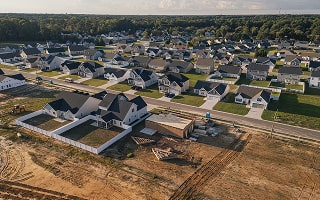
If you purchase acres of undeveloped land, you might find people living on it who could threaten your investment.
Before Investing, Check PropertyChecker

Adverse possession is a real concern for real estate investors, property managers, and those responsible for unattended land. The stakes are high, including losing title to the property, incurring damage, costly legal issues, marketing challenges, and suffering the complete loss of your investment. The preventative tips above could save you some serious headaches later.
Rely on PropertyChecker to fill in the blanks before investing in property throughout the U.S. with a complete property report including ownership details, purchase history, loans, liens, foreclosures, deeds, tax records, and legal issues related to the property.
Table of Contents
- Adverse Possession in U.S. Real Estate - Definition and Business Implications
- What Is Adverse Possession?
- Process and Timeframes in Adverse Possession
- Examples of Adverse Possession in Practice
- Business Implications for Investors and Property Managers
- How to Prevent and Defend Against Adverse Possession
- Adverse Possession vs. Related Doctrines
- Before Investing, Check PropertyChecker
Table of Contents
- Adverse Possession in U.S. Real Estate - Definition and Business Implications
- What Is Adverse Possession?
- Process and Timeframes in Adverse Possession
- Examples of Adverse Possession in Practice
- Business Implications for Investors and Property Managers
- How to Prevent and Defend Against Adverse Possession
- Adverse Possession vs. Related Doctrines
- Before Investing, Check PropertyChecker
Investors Properties Resources
- How to Buy Probate Real Estate Properties
- How to Find Investment Properties
- How to Profit from Fixer Upper Homes
- What Is a Deed-in-Lieu of Foreclosure
- Government and Seized Property Auctions
- How Property Auctions Work
- How to Buy Bank-Owned Properties
- How to Buy Tax Lien Properties
- How to Choose a Property Investment Company
- How to Finance an Investment Property
- How to Find and Buy FSBO Homes
- How to Find Investment Properties
- How to Find Off-Market Properties
- How to Find Vacant Homes in the US
- What Is a Cloud on Title
- How to Wholesale Real Estate
- Restrictive Covenants and Deed Restrictions
- Types of Warranty Deeds
- What Are Easements
- What Are Encumbrances in Real Estate
- What Are HOA Liens
- What Are Real Estate Investment Trusts
- What Are REO Properties
- How to Find Tax Delinquent Properties
- What Are UCC Liens
- What Is a Bargain and Sale Deed
- What Is a Deed of Reconveyance
- What Is a Judgment Lien
- What Is a Lis Pendens
- What Is a Mechanic's Lien
- What Is a Quiet Title Action
- What Is a Quitclaim Deed
- What Is a Short Sale in Real Estate
- What Is a Special Warranty Deed
- What Is a Statutory Warranty Deed
- What Is Skip Tracing in Real Estate
- How to Use the BRRRR Method
- What Is Vacant Home Insurance