What Are Easements in Real Estate and How Can You Verify Hidden Risks?
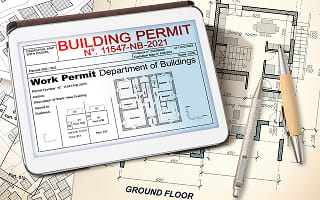
Easements are "non-possessory" rights that permit someone else, a neighbor, a utility company, or the public, to use a specific portion of your property for a designated purpose without owning it. Think of them as authorized, often permanent, exceptions to your exclusive property rights. They are critical to land use, as they can either grant necessary access or severely restrict development potential.
Why They Matter in the Following Situations
-
Acquisitions: Buyers must identify easements during due diligence (think PropertyChecker) to understand what they cannot do with the property. Unknown easements, such as a hidden utility line, can devalue the property, limit its intended use, or cause title defects.
-
Development Approvals: Municipalities often require utility or drainage easements as a condition for approving new site plans. They can restrict buildable areas, dictate setbacks, or limit building height.
-
Lender Underwriting: Lenders require a clear understanding of easements because they affect the collateral's value and the lender's ability to foreclose. They will not approve a loan if an easement allows a third party to destroy a potential building.
-
Access: Easements are essential for "landlocked" properties. Access easements allow owners to cross neighboring land to reach a public road.
-
Site Planning: Architects and developers must map easements early to ensure buildings, parking, and landscaping do not violate the rights of the easement holder.
Common examples of an easement in real estate include utility lines, driveway access, and conservation easements, which are typically recorded in the property's title and run with the land.
What Is an Easement? Legal Basics

What is an easement in real estate? An easement is a nonpossessory legal interest in another person's land that grants limited rights for specific purposes, such as utility access or driveway use. It involves a dominant estate (benefiting property) and a servient estate (burdened property). Generally, appurtenant easements run with the land and transfer automatically, while "in gross" easements are personal and often end with the holder.
Key Legal Basics of Easements
-
Dominant vs. Servient Estate: The dominant estate (or tenement) is the property that benefits from the easement. The servient estate is the land burdened by the easement, which allows the holder to use it for a specific purpose.
-
Scope and Purpose: Easements are created for specific, limited uses (e.g., ingress/egress, utility lines, drainage). An easement holder cannot exceed the scope of the original grant, and the servient owner cannot unreasonably interfere with the intended use.
-
Transferability: Most easements are "appurtenant," meaning they run with the land and transfer automatically with the sale of the property. "Easements in gross" are personal to an individual or entity and are generally not transferred.
-
Exclusivity vs. Non-Exclusivity: Generally, easements are presumed to be nonexclusive, meaning the owner of the servient estate can still use their property, provided they do not interfere with the easement holder's rights. As such, exclusive easements mean the property owner cannot use the easement area; only the entity with the granted permission can do so.
-
Running with the Land: Appurtenant easements are attached to the land, not the owner, and continue to exist even when ownership of the land changes.
There are various types of easements, including express, prescriptive, and easements by necessity. Easements can be terminated by written release, abandonment, or "merger," which occurs when one person buys both the dominant and servient estates.
Types of Easements in Practice
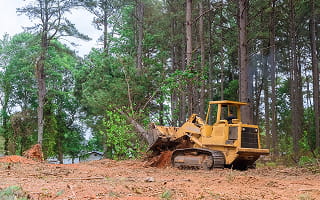
An easement in real estate is a non-possessory legal right to use another person's land for a specific purpose. They are generally categorized into Appurtenant (attached to the land and benefiting an adjacent parcel) and In Gross (attached to an entity/person and benefiting that entity or person, such as a utility or pipeline company).
Here are the most common types of easements in practice, their definitions, and use cases:
1. Express Easement (Easement by Grant)
An express easement is a written, legally documented agreement between landowners that is signed and recorded with the county and explicitly outlines the scope and location of the easement. An example is a landowner who sells a back parcel of land and includes a deed restriction granting a 10-foot-wide driveway right-of-way across the front parcel to access the main road.
2. Utility Easement (Easement in Gross)
A type of easement in gross that allows utility companies, municipalities, or service providers to access private property to install, maintain, or repair infrastructure. A use case is when an electric company has the right to access a 20-foot strip of a homeowner's backyard to maintain power lines, or when a city has the right to access underground sewage lines to manage them. Utility easements can be used for ingress and egress, drainage, and stormwater purposes.
3. Easement by Necessity
An easement by necessity is a court-ordered, implied easement granted when a property is "landlocked," meaning it has no other legal access to a public road, making the easement indispensable to the property's use. This occurs when a developer subdivides a large parcel, and the newly created rear lot has no access to a public road except by crossing the front lot.
4. Prescriptive Easement
A prescriptive easement is created through long-term, continuous, open, and "hostile" (without permission) use of another person's land for a statutory period, typically 5 to 30 years. For example, when a neighbor has used a dirt path across your property to reach a lake for 20 years without your explicit permission, they eventually gain a legal right to continue doing so. It is like adverse possession.
5. Implied Easement (Prior Use)
An unwritten, implied easement that arises when a previous owner used part of the property for the benefit of another part, and this use was "apparent" and "reasonably necessary" for enjoyment upon subdivision. A good example of this is a person who owns two adjacent plots and uses a shared driveway that crosses Plot 1 to reach a garage on Plot 2. If the person sells Plot 2, an implied easement for the driveway may be created.
6. Private Easement (Right-of-Way)
A private easement is a negotiated agreement between two landowners, often for personal convenience rather than absolute necessity, that permits one to use a portion of the other's land. For example, a homeowner pays a neighbor to allow them to cross a corner of their property to access a nearby public walking trail.
7. Conservation Easement
A conservation easement is a voluntary, legally binding, and often permanent agreement in which a landowner restricts development of their land to protect its natural resources, wildlife habitat, or historical significance. This occurs when a landowner restricts the right to build structures on a scenic riverfront property to prevent development and preserve it for ecological, agricultural, or open-space purposes.
8. Negative Easement
An easement that entitles the holder to prevent the landowner from performing a specific act that is otherwise lawful. A use case is a "light and air" easement, in which a landowner is prohibited from building a tall structure that would block a neighbor's ocean view or reduce a neighbor's solar panel efficiency.
9. Party Easement (Shared/Party Wall)
A party easement is a consensual agreement regarding a shared boundary, such as a wall, fence, or driveway, allowing both parties to use the structure. An example is a shared driveway in a townhouse community where both neighbors have the right to use the path to reach their respective garages.
10. Temporary/Construction Easements (TCEs)
A temporary construction easement (TCE) is a limited, non-permanent right granted to a party (often a contractor or municipality) to use a portion of a landowner's property for a specific purpose and duration, usually expiring upon completion of the project. These types of easements have defined time limits, particular scopes of work, and restoration requirements. Some examples include utility installations, such as allowing workers to place pipes or cables across a private yard. Another is for material storage or road widening during a public road project.
Equitable servitudes act as easements. An equitable servitude is a restriction or obligation tied to land ownership, enforced in equity (often through injunctions) rather than at law. It does not require "privity of estate" to run with the land, making it binding to all future owners. An example of this is residential covenants that require all homes in a subdivision to have a certain square footage or aesthetic.
How Easements Are Created (and Lost)

How do easements work? Easements are property rights created through express grants/reservations, recorded plats, dedications, implication, necessity, prescription, estoppel, or condemnation. They are terminated by release, merger, abandonment, expiration, adverse acts, changed conditions, or statutory vacation. They represent a right to use another's land.
Creation of Easements
-
Express Grant/Reservation: Created in writing, such as a deed or contract, signed by the parties.
-
Recorded Plat: Designated on a subdivision map or plat filed with local records.
-
Dedication: Transfer of land or a right to public use.
-
Implication: Arises from prior use when land is divided, indicating an intended, though unstated, easement.
-
Necessity: Implied when a parcel is rendered landlocked, making access absolutely necessary.
-
Prescription: Obtained through continuous, open, notorious, and adverse use for a statutory period.
-
Estoppel: Occurs when a landowner allows another to rely on the existence of an easement, thereby preventing the owner from later denying it.
-
Condemnation: Created through the government's power of eminent domain.
Termination of Easements
-
Release: The easement holder formally releases the servient owner from the easement.
-
Merger: The same person acquires both the dominant and servient estates.
-
Abandonment: The holder clearly intends to permanently discontinue use of the easement.
-
Expiration/Condition Subsequent: Termination based on a set time limit or failure to meet a specific condition.
-
Adverse Acts: The servient owner blocks the easement in a manner adverse to the statutory period.
-
Changed Conditions: Circumstances change so drastically that the easement's purpose no longer exists.
-
Statutory Vacation: A legal process to vacate or cancel public easements.
Recording, Priority & Notice

Recording an easement in real estate is essential to create constructive notice and publicly document it, ensuring its priority over future owners or lenders. While recording is not required for an easement to be valid between the original parties, it is critical for protecting the easement against subsequent buyers.
Recording an easement in the county records where the property is located gives the public "constructive notice," meaning the world is deemed to know about it, regardless of whether they actually checked the records. Generally, the first to record has the superior, or senior, interest (called priority). The constructive notice acts as a safeguard, ensuring that a subsequent buyer (or "purchaser for value") cannot claim they were unaware of the interest.
Priority in Different Jurisdictions (States)
-
Race States: The first party to record their easement wins, regardless of whether they knew of an earlier, unrecorded interest.
-
Notice States: A subsequent buyer who purchases the property in good faith and without notice (actual or constructive) of a prior, unrecorded easement takes the property free of that easement.
-
Race-Notice States: A subsequent buyer prevails over a prior, unrecorded interest only if the buyer had no notice and records their own deed first.
Unrecorded easements can remain enforceable if the buyer has "actual" or "inquiry" notice. Actual notice means the buyer has direct knowledge of the easement, perhaps because the seller mentioned it, or they saw a written agreement that was never recorded.
If a reasonable inspection of the property would reveal the existence of an easement, such as a paved driveway, utility lines, or a well-worn path, the buyer is presumed to know about it and is bound by it. This is known as constructive notice arising from "open and visible use". Implied/prescriptive easements are often unrecorded but are created by a court order based on long-standing use (prescriptive) or necessity, and they are typically binding on subsequent buyers, even if not in the public record.
How Easements Affect Lenders/Mortgages
If an easement is recorded after a mortgage, the mortgage is senior. If the lender forecloses on the property, a senior mortgage can extinguish a junior, later-recorded easement. To protect their interest, an easement holder must get the lender to sign a subordination agreement, wherein the lender agrees that the easement takes precedence over the mortgage, even if the mortgage was recorded first. Often, a lender will not entirely subordinate but will sign a "non-disturbance agreement," agreeing that, if it forecloses, the easement will not be extinguished.
Priority between multiple easements on the same property is determined by the order of recording (first in time, first in right). For example:
-
Senior Easement: Recorded first; it has superior rights. The owner of the servient estate cannot grant a new, junior easement that interferes with the senior one.
-
Junior Easement: Recorded later; it is subject to the rights of the senior holder.
Interpreting Easement Scope & Limitations

Concerning easements in real estate, it's imperative to interpret the scope and limitations of an easement correctly. That requires a careful analysis of the written documents that created it, because courts prioritize the parties' original intent.
Source Documents Control
The scope is defined first by the instrument that created it.
-
Grant Language: The specific words in a deed or easement detail the agreement and control. "Express easements" are interpreted strictly; if the document does not mention a right (e.g., utility installation or expansion), it generally cannot be added later.
-
Plats and Subdivision Maps: Recorded plats often define the exact location and width of easements.
-
CCRs (Covenants, Conditions, and Restrictions): Homeowners association or development-level covenants may impose additional restrictions on easement areas, such as limiting fencing or landscaping.
-
Historical Use: If the written document is vague, courts may look to the historical usage of the easement to define its limits.
Variables in Easement Interpretation
-
Location: The specific, described area on a parcel where the easement holder has rights.
-
Width: Defines the physical boundary of the easement. Easement holders cannot expand their usage beyond this defined width.
-
Maintenance: The responsibilities of the parties for upkeep, repairs, and clearing (e.g., removing trees from a powerline easement).
-
Exclusive vs. Non-Exclusive Use:
-
Exclusive: The easement holder is the only one who can use that area, sometimes excluding the landowner.
-
Non-Exclusive: Both the easement holder and the landowner can use the area, provided the landowner does not interfere with the easement holder's purpose.
-
-
Vehicular Limits: Easements for access (driveways) may be limited by vehicle type or size. Parking is often forbidden if it restricts the primary purpose of access.
-
Utilities Allowed: Express, specific utility easements are restricted to the types listed (water, power, sewage). A general access easement might not include the right to install underground fiber optic lines.
-
Daylight Triangles/Visibility Zones: In road or corner-lot easements, these are areas that must remain clear of vegetation or structures to ensure safe sightlines.
-
Rights to Relocate: Generally, an easement holder cannot unilaterally relocate an easement without the landowner's consent, unless the agreement specifically allows it.
-
Assignability: Defines whether the easement can be transferred to a new owner or company (common in utility easements).
-
Expand Intensity: Courts generally disfavor expanding an easement's use beyond its original intent. Increased traffic or new types of utility pipes may violate the scope.
Hidden Easement Risks (What You Can't See on a Quick Read)

Hidden easement risks are encumbrances on real estate that do not appear in a standard title search but can severely restrict property use, reduce value, and trigger legal disputes. These "invisible" traps often require physical inspection, a detailed survey, or research into historical land use to be discovered.
Some examples of these common traps include:
Unrecorded Prescriptive/Implied Paths (Visible Evidence)
These arise through long-term use rather than a formal, written agreement. A neighbor or the public may have established a legal right to cross your property simply because they have done so for years (e.g., a dirt road used to access a back field or a footpath to a lake). If you buy the property and block this path, you could face a lawsuit to establish a prescriptive easement, even if the title report was clean. During an inspection, look for
worn paths, gravel roads, or fences that seem to cut off a portion of your property.
Blanket Utility Easements Across Entire Parcel
Unlike a specific "10-foot strip along the driveway" easement, a blanket easement grants a utility company the right to use any part of your property for its needs. These are common in older subdivisions or rural areas and are often hidden in the fine print of old documents. A utility company could install power lines or dig trenches directly through your planned building site or backyard without needing further permission. Courts generally limit these to "reasonable use," but that still grants the easement holder enormous, unpredictable power (very dangerous).
Off-Site Access Rights (Not Mapped)
Your property might be burdened with providing access to a neighboring "landlocked" parcel, even if it is not clearly delineated in your deed. "Easements by necessity" can exist when a property was historically subdivided in a way that left one parcel without public road access. You may find your land serves as a driveway for others, preventing you from building a fence, landscaping, or parking in that area.
Overburdening (Usage Beyond Scope)
An easement may exist, but the current holder is using it for a purpose more intensive than that originally granted. A small, personal access driveway easement is converted into a heavy-duty road for a commercial subdivision or a new development. The increased traffic, noise, and infrastructure damage exceed the legal scope, reducing your enjoyment and value of the land.
Conflicts with Building Envelopes and Future Improvements
Some easements directly conflict with the intended use of the land, such as building a home or pool. A drainpipe, cable line, or conservation easement runs right through the center of the best building spot. You might be forced to relocate your home, shrink your expansion plans, or be unable to build at all. To avoid this trap, look for easements that restrict tree removal, prevent building construction, or limit landscaping.
Governmental Drainage or Flood Easements
These are often hidden in subdivision plats and municipal records rather than in individual deeds. Areas designated for stormwater management may seem dry most of the year. The government has the right to flood your property or enter to maintain drainage, preventing you from installing permanent structures (pools, sheds, patios) in those areas.
How to Detect Hidden Easements in Real Estate
To avoid these pitfalls, buyers, lenders, attorneys, and developers should:
-
Perform a physical inspection. Look for dirt roads, utility poles, or worn paths.
-
Obtain a current ALTA/NSPS survey: A surveyor will mark visible evidence of use, even if unrecorded.
-
Ask neighbors: Find out if they or others use any part of the land.
-
Request extended title coverage: Purchase a policy that includes an endorsement covering unrecorded easements or risks that a survey would disclose.
Verifying Easements in Diligence (Title & Survey)

Verifying easements requires a coordinated analysis of title documents and physical site conditions to identify the risks, ensuring all Schedule B exceptions are plotted and field-checked via an ALTA/NSPS survey. Some actions to accomplish this include reviewing recorded grants, plats, and maintenance agreements, while ordering a survey with ALTA/NSPS Table A Items 11 (utilities), 19 (wetlands), and 20 (delineation notes) to identify encroachments and verify recorded rights against on-the-ground, visible evidence like utility holes, poles, or paint markings.
Title Due Diligence (Easement Analysis)
-
Schedule B-II Review: Thoroughly examine all exceptions listed in the title commitment, looking for recorded easements, rights-of-way, and restrictions.
-
Document Analysis: Review the actual documents (easement grants, plats, vacations, maintenance agreements) to understand the scope (width, purpose, beneficiaries).
-
Recordation Check: Verify that easements are correctly recorded and identify any unrecorded, prescriptive, or implied easements.
Survey Due Diligence (ALTA/NSPS Standards)
-
ALTA/NSPS Land Title Survey: Order a survey conducted in accordance with current standards to map all easements, encroachments, and improvements.
-
Table A Items: Specifically request Items 11 (underground utilities), 19 (wetlands), and 20 (delineation notes) to identify hidden encumbrances.
-
Plotting Exceptions: Ensure the surveyor plots all Schedule B-II easement documents onto the survey map to check for encroachments.
-
Field Reconciliation: The surveyor must look for physical evidence, such as utility holes, utility vaults, pipelines, poles, overhead wires, and pavement cuts.
-
Identify Encroachments: Check whether any structures (e.g., fences, buildings) encroach on the easements, or whether the easements prevent future development.
Don't forget about final verification. Match the legal description in the title report with the boundary survey to ensure they align. Ensure any discrepancies between the recorded documents and physical findings (e.g., a utility line running outside its easement) are noted on the survey for the title company.
Utilities & Subsurface Easements

Identifying subsurface utilities is critical before excavation to avoid damage, service disruptions, and safety hazards. Key steps include calling 811 two to three business days before digging to request public line marking, reviewing as-builts and utility maps, and using technologies such as GPR or vacuum excavation to verify precise depths, clearances, and locations.
Key Utilities to Identify
-
Electric: High and low voltage lines.
-
Gas/Oil: Pipelines (often marked in yellow).
-
Telecom/Fiber: Communication and cable lines (orange markings).
-
Water/Sewer/Storm: Domestic water, sewer (green markings), and stormwater drainage.
Some Resources for Locating Subsurface Utilities
-
811 / "Call Before You Dig": Mandatory free service that coordinates with local utilities to mark lines with color-coded paint/flags.
-
As-Builts & Utility Maps: Review records from municipalities, developers, and water/sewer departments through utility plans.
-
Franchise Agreements: These identify which providers have right-of-way access.
-
Subsurface Utility Engineering (SUE): Using non-destructive techniques like vacuum excavation and ground-penetrating radar (GPR) to map lines accurately (Quality Level A), especially when 811 only provides general, high-tolerance locations.
Some things to consider are depth and clearance. Ensure foundations and trees do not encroach on required utility easements or clearance zones (e.g., specific distances from sewer lines or electrical cables). Another issue is the distinction between private and public easements. 811 only marks to the utility's meter or property line; private lines on your property (e.g., for pools, private lights, septic) require private locating services. 811 markings have a tolerance zone that often extends up to 25 inches from the mark's outer edge, requiring cautious excavation.
Access Easements & Landlocked Parcels

Accessing and ensuring the legality of landlocked parcels is a critical aspect of real estate law. It requires distinguishing between a visible, physical route and a legally recorded right of access. A landlocked property has no direct access to a public road.
To ensure a landlocked property is usable, legal access must be confirmed through official documentation, rather than relying on visible, established paths. Typically, this is through a recorded plat or survey. A surveyor should examine subdivision plats to determine if there is a dedicated right-of-way or access road. You can review the property deed and chain of title to find an expressly granted access easement. Ordering a title report is the most effective way to ensure "marketable access," as title companies will disclose whether the property has a "lack of right of access."
Physical vs. Legal Access
-
Physical Access: This is what you can see, such as a dirt path, driveway, or logging road that leads to your property.
-
Legal Access: This is the documented, legally binding right to use that path (e.g., a recorded easement or a deeded right-of-way).
A property may have physical access but no legal access, meaning you could be trespassing on a neighbor's land to reach your own, leaving you vulnerable if the neighbor sells or revokes access.
Easements by Necessity
If a parcel is completely landlocked (no legal access to a public road), an easement by necessity may be sought. An easement by necessity is a court-ordered easement granted when a property is rendered useless due to a lack of access, allowing the owner to cross neighboring land. To establish this, you must typically prove "strict necessity," that the land is truly landlocked and that the property was, at some point, severed from a larger tract that did have road access (unity of title). These are usually restricted to the necessary, reasonable use of the property.
Risks of Permissive Use and Private Roads
Relying on informal, verbal agreements or, in some cases, private roads without proper documentation poses significant risks, such as:
-
Permissive Use (Handshake Deals): If access is merely allowed by a neighbor (a license), it is not permanent. If the neighbor sells, the new owner can cut off access, leaving the landowner with no legal recourse.
-
HOA/Private Road Risks: Private roads often lack public maintenance (e.g., snowplowing, repairs). If there is no formally recorded road maintenance agreement, owners may face legal disputes over repair costs or access restrictions.
-
Prescriptive Easements: Relying on long-term use (prescriptive easement) to gain access is high-risk, as it requires proving the use was "adverse" (without permission) for 10-20 years, not merely allowed by a friendly neighbor.
What are my rights with a deeded right of way?
Always obtain a legally recorded, written easement from a real estate attorney to ensure permanent access, rather than relying on verbal agreements or permissive use.
Easements in Condominiums, PUDs & Master-Planned Communities

Easements in condominiums, Planned Unit Developments (PUDs), and master-planned communities are legal interests that grant specific rights to use land, such as access, utility maintenance, or recreational trails, without transferring ownership. These are formally documented in CC&Rs (Covenants, Conditions, and Restrictions) and subdivision plats, which define the scope of rights, maintenance responsibilities, and cost-sharing obligations between master and sub-associations.
Types of Easements in Condo Developments
-
Utility Easements: Often found on plats along lot lines, these allow for the installation and maintenance of water, sewer, electric, and drainage systems.
-
Common Area/Access Easements: These provide homeowners with non-exclusive rights to use shared amenities such as roads, sidewalks, parks, and clubhouses.
-
Signage and Trail Easements: Dedicated areas for community signage or non-motorized recreational trails.
-
Limited Common Elements: In condominiums, these are easements over common areas restricted for the exclusive use of specific unit owners (e.g., balconies, designated parking).
Always review government documents before purchasing, lending, or assisting in a real estate deal. Review CC&Rs, the primary recorded document that defines the rights, restrictions, and responsibilities for all owners. It dictates how common areas are used and maintained. Examine plats and plans. These maps show the exact location, dimensions, and purpose of easements. They must be reviewed to ensure that planned structural improvements (such as fences) do not encroach on utility or drainage easements. Another resource is architectural guidelines. These outline the submission and approval process for any changes to the exterior of a home or lot, particularly those affecting common-area easements.
Operating and Maintenance Cost Allocations
-
Master vs. Sub-Associations: A master association typically handles amenities for the entire community, while sub-associations manage specific projects or neighborhoods.
-
Cost Sharing: Maintenance costs are generally allocated using an "equitable apportionment" based on factors such as proportional use. If not explicitly defined, common law often requires shared maintenance of easements used by multiple parties.
-
Budgeting: Master association fees often cover these expenses and can account for 5% to 10% of total community budgets, ranging from $100 to $500 per unit per month.
Approval rights for changes to condo easements are as follows:
-
Architectural Review Committee (ARC): The ARC ensures any modifications (painting, landscaping, structural changes) comply with the CC&Rs and do not negatively impact the appearance or function of the community.
-
No Unapproved Changes: Owners cannot typically alter common areas or easements without prior approval from the board or ARC.
-
Utility Restrictions: Structures, including fences, are generally prohibited on utility easements, although exceptions may be permitted by the municipality or association management.
-
Process: Changes require submitting requests for review to ensure they align with the association's aesthetic and structural standards.
Lender & Title Insurance Considerations

Lenders require specific title policy endorsements to mitigate risks regarding easement interference, access, and lien priority, as standard policies often exclude unrecorded matters and survey-related issues. Key endorsements include ALTA 17 series (access), ALTA 25 (same as survey), and ALTA 9 (restrictions), ensuring that easements do not impair property value or, specifically, access to public streets and utilities.
Lender Concerns and Title Exceptions

The first is access limitations. Without specialized endorsements, a policy may not guarantee vehicular or pedestrian access to public streets. Lenders focus on whether easements interfere with the collateral's intended use. Lenders must ensure no prior liens or restrictive covenants affect the property's value.
Common Endorsements
-
ALTA 17-06 (Access and Entry): Insures direct, legal access to a public street.
-
ALTA 17.1-06 (Indirect Access): Insures access to a public street via a specific, insured easement.
-
ALTA 17.2-06 (Utility Access): Covers the right to access utilities (water, sewer, etc.).
-
ALTA 25-06 (Same as Survey): Confirms the land described in the title policy is the same as the land shown on the provided survey.
-
ALTA 9-06 Series (Restrictions, Encroachments, Minerals): Protects against violations of covenants, encroachments of improvements, or damage from mineral development.
When a survey is not available or inadequate, lenders may require an ALTA 9 endorsement. The ALTA 17 series is crucial for sites with complex access or that pass through other parcels. These specialized surveys are also used to confirm that existing utility infrastructure is not encroached upon or inaccessible.
Mitigation & Cure Strategies

Easements often present major hurdles to property development, requiring active mitigation and cure strategies to avoid costly project delays or litigation. Tools such as relocation agreements, amendment/partial releases, and strategic redesign allow property owners to manage the risks associated with burdened land.
Mitigation & Cure Strategies Tools
-
Relocation Agreements: These allow the servient estate owner to move an easement to a different location on the property. Ideally done by mutual agreement, the Uniform Easement Relocation Act (UERA) also provides a framework for court-ordered relocation if the new location does not lessen the utility or increase the burden on the easement holder.
-
Amendment/Partial Releases: If a project only impacts a small portion of an easement, a partial release can terminate the easement over the affected area, freeing up the land for construction. Amendments can formally change the scope, location, or terms of the easement to accommodate new site conditions.
-
Maintenance Cost Sharing: When easements (e.g., private roads) are shared, a formal agreement can prevent disputes by clearly outlining cost apportionment for maintenance, repair, and snow removal.
-
Subordination/Non-Disturbance: In cases where a lender holds a mortgage on the burdened property, a Subordination, Non-Disturbance, and Attornment Agreement (SNDA) ensures that if the property is foreclosed, the easement holder's rights will not be extinguished by the lender.
-
Estoppel Letters from Easement Holders: These are signed statements from the easement holder confirming that the easement is in good standing, that no violations currently exist, and that there are no outstanding disputes, which are crucial during due diligence for purchases or financing.
-
Indemnities/Escrows: These tools provide financial protection. An indemnity agreement holds the property owner harmless from claims arising from the use of the easement, while an escrow can set aside funds to cover the cost of removing or curing an easement issue.
-
Redesign/Site Planning Changes: The most direct mitigation strategy is to alter development plans to avoid the easement area entirely. This may involve shifting buildings, redesigning parking lots, or incorporating easements into green spaces.
Conservation easements are permanent and often impossible to terminate, making relocation or amendment highly restrictive and subject to, at a minimum, the attorney general's review. Public utility easements are generally excluded from standard relocation acts (like UERA) and usually require strict, costly negotiated agreements with utility companies. Any modification, partial release, or relocation must be recorded in the local land records to be enforceable against future owners.
Negotiating Easement Agreements (Drafting Points)

Negotiating a comprehensive easement agreement requires transforming a general intent to share land into a legally precise, binding document that protects property values and defines operational boundaries.
Here are key drafting points based on best practices:
Precise Location & Description
-
Metes and Bounds/Survey Plat: Avoid "blanket easements." Define the exact, surveyed, and recorded location using metes and bounds, attached as a legal exhibit (survey plat).
-
Centerline with Width: For pipelines, utilities, or access roads, define the easement by a surveyed center line and specify a precise width (e.g., "a 30-foot-wide easement, being 15 feet on each side of the following described center line").
-
Temporary Workspace: Explicitly separate the permanent easement area from the temporary construction workspace, and detail when the temporary area reverts to the owner.
Permitted Uses and Intensity Limits
-
Specific Use Clause: Narrowly define permitted uses (e.g., "only for the installation, maintenance, and operation of one (1) 12-inch underground natural gas pipeline") rather than broad language like "for utility purposes".
-
"And No Other Use": Add limiting language to prevent the grantee from expanding the use beyond what is strictly agreed upon.
-
Intensity Constraints: Define limits on intensity, such as maximum number of vehicles, restrictions on above-ground structures, or maximum pipe capacity.
Construction Standards
-
Adherence to Plans: Require construction to be completed strictly in accordance with approved engineering plans.
-
Minimum Cover Depth: For underground pipelines, specify a minimum depth (e.g., 48 inches or more) to ensure it does not interfere with surface agriculture or future development.
-
Restoration Requirements: Obligate the grantee to restore the surface to its original condition or better, including replacing topsoil, trees, and fencing, immediately upon completion of construction.
Notice/Consent Rights
-
Advance Notice: Require written notice (e.g., 14-30 days) before the grantee enters the property for routine maintenance, except in emergencies.
-
Consent to Activity: Require prior written consent for activities that deviate from the original agreement, such as changing the equipment location or additional clearing.
-
As-Built Surveys: Require submission of "as-built" plans within a set period after construction is completed.
Relocation Mechanism/Cost Allocation
-
Owner's Right to Relocate: If the landowner later needs to develop the area, ensure they have the right to request relocation of the easement.
-
Cost Allocation: If the owner requests relocation, the owner pays; if relocation is required for the utility to upgrade, the utility pays.
Maintenance/Repair Obligations
-
Grantee Responsibility: Clearly state that the grantee (user) is solely responsible for maintaining, repairing, and replacing their own equipment and structures.
-
Owner Access: Ensure the owner maintains the right to use the surface of the easement area for purposes that do not unreasonably interfere with the easement.
Insurance/Indemnity
-
Indemnification Clause: Include a robust provision where the grantee indemnifies and holds the owner harmless from all claims, damages, and liability (including environmental contamination) arising from the use of the easement.
-
Insurance Coverage: Require the grantee to maintain comprehensive general liability insurance and name the owner as an "additional insured".
Assignment and Transferability
-
Restriction on Assignment: Limit the grantee's ability to assign the easement to third parties without the owner's consent, or ensure the same terms bind the assignee.
Default/Cure
-
Notice and Cure Period: Include a clause providing a specific number of days for a defaulting party to cure a breach (e.g., 30 days) after receiving written notice.
-
Remedies: Define remedies, including, but not limited to, damages, injunctions, or, in extreme cases of abandonment, termination of the easement.
Termination
-
Abandonment: Specify that if the easement is not used for a specific period (e.g., two years), it is deemed abandoned and terminated.
-
Restoration on Termination: Upon termination, require the removal of all structures and facilities.
Disputes & Enforcement

Easement disputes often arise from ambiguity, misuse, or blocked access, leading to conflicts like blocked driveways, excessive use (overburdening), or unauthorized utility installations. Common remedies include injunctions to stop the interference, damages for loss of value or repairs, and declaratory relief to define rights. Key evidence includes historical use, site photos, surveys, and expert testimony.
Common Easement Conflicts
-
Interference with Use: Property owners (servient estate) may block access, install fences, or gate areas that hinder the easement holder's (dominant estate) rights.
-
Overburdening/Misuse: Using the easement for a purpose or intensity not originally intended, such as increased traffic or improper maintenance.
-
Unauthorized Utilities: Installing infrastructure (pipes, cables) beyond the scope of the written agreement.
-
Scope Disputes: Ambiguities in the original, often old, easement document regarding location or permitted activities.
Legal Remedies and Enforcement
-
Injunctions: A court order forcing a party to cease actions that interfere with the easement, such as removing a fence.
-
Damages: Monetary compensation for costs incurred to repair damage, or for the diminution in property value.
-
Declaratory Relief: A court ruling that formally defines the scope, location, and validity of the easement to prevent future disputes.
-
Reformation: A court action to correct a mistake in the written easement document.
Evidence in Disputes
-
Historical Usage: Documented evidence (affidavits, past photos) of how the land was previously used, crucial for implied or prescriptive easements.
-
Surveys and Title Records: Professional surveys and legal descriptions from the chain of title that define the precise, recorded location of the easement.
-
Photographs and Video: Visual evidence showing blocked access, unauthorized structures, or ongoing overuse.
-
Expert Testimony: Reports from land surveyors, land-use planners, or engineers to clarify technical aspects of the land usage.
Impact on Acquisitions, Entitlements & Development

Easements, legal rights for third parties to use private land, are critical factors in real estate acquisitions, entitlement, and development, which can dictate, restrict, or prevent specific improvements. They directly influence the maximum potential of a property ("site yield") by limiting buildable areas, reducing developable land, and forcing changes to, or elimination of, intended site layouts, including parking and pad placements.
Easements can impact site development and yield. Easements (utility, conservation, access) can significantly reduce a site's developable acreage, lower its overall value, and restrict future expansion. Buildings cannot be placed on top of most easements (e.g., utility, sewer, gas). This forces, for instance, a retail pad to be relocated, shifting the entire site layout and potential access points.
Easements may prevent the construction of parking lots or reduce parking counts. While they do not change property lines, they can prohibit paving, landscaping, or the placement of structures within the easement area, and sometimes require variances.
Drainage easements (DE) are, in effect, reserved, non-obstructable pathways for water flow. They dictate the location of retention/detention ponds, swales, and storm pipes, often forcing them to the edge or rear of a property.
Shared driveways or ingress/egress easements can limit the ability to reconfigure traffic patterns, install new entrance barriers, or improve overall site circulation.
Easements and Their Impact on Acquisitions and Appraisals
-
Acquisition Risks: Unrecorded prescriptive easements, where a neighbor has used part of the land for an extended period, can surface after purchase, leading to disputes.
-
Valuation Impact: Easements often depress land value by reducing the usable area, with high-voltage transmission lines causing up to 45% loss and conservation easements causing 35-65% reductions.
-
Appraisal Method: Appraisers typically use the "Before and After" method, comparing the property's value without the easement to its value with the easement in place, covering both the easement area and any damages to the remainder.
-
Compensation vs. Value: Payments received for granting an easement often do not offset the long-term devaluation of the property as a whole.
Entitlement Conditions and Construction Staging
-
Entitlement Constraints: Municipalities may require dedication of new easements (sidewalks, public access) as a condition of development approval.
-
Temporary Construction Easements (TCE): Used for staging, utility relocation, or anchoring structures during construction, TCEs can restrict the property's highest and best use for years.
-
Construction Delays: Unexpected, unrecorded easements discovered late can stop development entirely or force costly, time-consuming relocations.
-
Staging Limitations: A TCE might temporarily deny access to part of the property, forcing contractors to redesign logistical flows or build temporary access roads.
Proper due diligence, including reliance on trusted resources such as PropertyChecker and a comprehensive ALTA survey and title review, is required to identify these restrictions early in the development process.
State-by-State Variations (Consult Local Counsel)

Easement laws, which govern the right to use another person's land, vary significantly from state to state in terms of their creation, scope, and modification. While some common law principles are shared, specific requirements for prescriptive periods, implied easements, and relocation rights are determined by state statutes and judicial precedents.
Ways Easements Vary
-
Prescriptive Periods: The time required to acquire a prescriptive easement (similar to adverse possession but for use, not ownership) ranges from 5 to 20 years, depending on the jurisdiction.
-
5 Years: California.
-
10 Years: Oregon, Washington, New York.
-
20 Years: Wisconsin, New Hampshire.
-
-
Elements for Implied/Necessity Easements:
-
Implied by Prior Use: Requires unity of title (one owner owned both parcels), that the use was apparent and continuous before separation, and that the easement is "reasonably necessary" for the enjoyment of the land.
-
Necessity Easement: Requires that the land be truly "landlocked" (no legal access to a public road) due to a severance of title, meaning the necessity was created at the time of the split.
-
-
Relocation Rights by Statute: Traditionally, easements could only be moved by mutual consent. However, many states are adopting the Uniform Easement Relocation Act (UERA), which allows a servient estate owner to unilaterally relocate an easement if it does not materially lessen the utility, increase the burden, or impair the purpose of the easement for the holder.
-
Adopted/Actively Considering: Washington, Arkansas, Nebraska, Utah, and Oklahoma (effective Nov. 1, 2025).
-
Other States: Some states, like California, have long-standing case law allowing for limited relocation under certain conditions, even without the UERA.
-
-
Municipal Utility Rules: Rules governing the installation, maintenance, and width of utility easements are highly localized and typically dictated by city or county ordinances, which can override broader state default rules, such as the ability to build fences or plant trees within the easement.
-
Vacation/Dedication Procedures: The process for abandoning (vacating) or creating (dedicating) easements varies, often involving formal city council approval, public hearings, and the recording of a "plat of vacation" or deed, particularly for public-use easements (e.g., street or utility easements).
Always consult local counsel to determine the specific legal requirements for an easement in a particular state.
Common Pitfalls & How to Avoid Them

Easements are critical, often permanent, legal interests in land that can severely restrict property use if not properly understood. Common pitfalls in managing easements include relying solely on the deed, ignoring "blanket" rights, skipping detailed surveys, and failing to define maintenance or development constraints.
Here are the common pitfalls of easements and how to avoid them:
1. Relying Only on the Deed
Assuming the deed contains all relevant information about land usage. Deeds often omit specific details about easements, which might be found elsewhere. Perform thorough due diligence by reviewing plats, subdivision maps, and Covenants, Conditions, and Restrictions (CCRs). These documents often contain detailed, unrecorded, or "hidden" easements that a standard title search might not reveal. Also consider using professional services, such as PropertyChecker, to search for hidden easements.
2. Ignoring Blanket Utility Grants
"Blanket" or "floating" easements allow utility companies to install infrastructure across the entire property, rather than just a designated strip. This can severely limit where you can build, park, or plant. Before closing, specifically negotiate with the utility company to convert a blanket easement into a fixed-location easement with a defined width, such as 5 feet on either side of the actual line.
3. Skipping an ALTA Survey
Relying on a simple boundary survey that only shows property lines. This can result in missing, unrecorded, or encroaching easements, or, in some cases, discovering your own building is on a neighbor's property. Order an ALTA/NSPS Land Title Survey. This survey identifies all visible and recorded improvements, utilities, and potential encroachments, protecting you from purchasing a property with hidden liabilities.
4. Assuming Permissive Use Equals Legal Access
Believing that because a previous owner used a road, driveway, or path for years, you have a legal right to do the same (an "implied" or "prescriptive" easement). The new neighbor may block this, requiring costly legal action. Ensure all access rights are documented in a written, recorded easement agreement that runs with the land. If the property does not directly abut a public road, verify the legal access rights through an attorney.
5. Failing to Verify Maintenance Obligations
Assuming the beneficiary of the easement (e.g., a neighbor using your driveway) will pay for its maintenance, or assuming you are not liable for maintenance of a public utility easement. Clearly define in the easement document who is responsible for maintenance, repair, and liability costs. If it is a shared access, create an explicit, documented maintenance agreement.
6. Not Modeling Development Loss from Easement Strips
Failing to calculate how an easement reduces the usable, buildable area of your property, thus lowering its value and development potential. Use the ALTA survey to create a site plan before buying or developing. Model the placement of proposed structures, parking, or landscaping to ensure they do not violate the easement and that you have enough room for development.
Pitfall |
Consequence |
Avoidance Method |
|---|---|---|
Ignoring Plats/CCRs |
Hidden, restrictive easements. |
Review all recorded documents, not just the deed. |
Blanket Utility Grants |
Inability to build on large parts of the lot. |
Negotiate a defined easement area. |
Skipping ALTA Survey |
Unknown encroachments or invalid access. |
Require an ALTA/NSPS survey. |
Assuming Permissive Use |
Loss of access to property. |
Document in a written, recorded agreement. |
Ignoring Maintenance |
Costly disputes with neighbors. |
Include maintenance obligations in writing. |
No Development Model |
Loss of buildable land. |
Overlay site plans onto the survey. |
Easement Research Made Easier with PropertyChecker

Easements are not mere formalities; they are critical deal-shapers that dictate the viability of commercial and residential developments. To ensure projects remain marketable and financeable, investors, developers, attorneys, and lenders must prioritize early identification of these encumbrances through precise, on-the-ground mapping.
Some ways to unlock the full potential of a site are a proactive strategy combining comprehensive due diligence, in-depth title reviews with ALTA surveys, expert analysis, and engaging local counsel to interpret the scope of existing rights and navigate zoning constraints. Solving easement issues involves actively managing risks through targeted solutions such as utility relocations, negotiating amendments, or securing title endorsements.
Ultimately, transforming a restricted property into a successful project requires treating easements as foundational variables that must be identified, understood, and cured early in the process.
By working with your property partner, PropertyChecker can help streamline the process. We provide robust property reports with dozens of data points, including ownership deeds, history, liens, building permits, encumbrances, easements, zoning restrictions, and more.
Table of Contents
- What Are Easements in Real Estate and How Can You Verify Hidden Risks?
- What Is an Easement? Legal Basics
- Types of Easements in Practice
- How Easements Are Created (and Lost)
- Recording, Priority & Notice
- Interpreting Easement Scope & Limitations
- Hidden Easement Risks (What You Can't See on a Quick Read)
- Verifying Easements in Diligence (Title & Survey)
- Utilities & Subsurface Easements
- Access Easements & Landlocked Parcels
- Easements in Condominiums, PUDs & Master-Planned Communities
- Lender & Title Insurance Considerations
- Mitigation & Cure Strategies
- Negotiating Easement Agreements (Drafting Points)
- Disputes & Enforcement
- Impact on Acquisitions, Entitlements & Development
- State-by-State Variations (Consult Local Counsel)
- Common Pitfalls & How to Avoid Them
- Easement Research Made Easier with PropertyChecker
Table of Contents
- What Are Easements in Real Estate and How Can You Verify Hidden Risks?
- What Is an Easement? Legal Basics
- Types of Easements in Practice
- How Easements Are Created (and Lost)
- Recording, Priority & Notice
- Interpreting Easement Scope & Limitations
- Hidden Easement Risks (What You Can't See on a Quick Read)
- Verifying Easements in Diligence (Title & Survey)
- Utilities & Subsurface Easements
- Access Easements & Landlocked Parcels
- Easements in Condominiums, PUDs & Master-Planned Communities
- Lender & Title Insurance Considerations
- Mitigation & Cure Strategies
- Negotiating Easement Agreements (Drafting Points)
- Disputes & Enforcement
- Impact on Acquisitions, Entitlements & Development
- State-by-State Variations (Consult Local Counsel)
- Common Pitfalls & How to Avoid Them
- Easement Research Made Easier with PropertyChecker
Investors Properties Resources
- How to Buy Probate Real Estate Properties
- How to Find Investment Properties
- How to Profit from Fixer Upper Homes
- What Is a Deed-in-Lieu of Foreclosure
- Government and Seized Property Auctions
- How Property Auctions Work
- How to Buy Bank-Owned Properties
- How to Buy Tax Lien Properties
- How to Choose a Property Investment Company
- How to Finance an Investment Property
- How to Find and Buy FSBO Homes
- How to Find Investment Properties
- How to Find Off-Market Properties
- How to Find Vacant Homes in the US
- What Is a Cloud on Title
- How to Wholesale Real Estate
- Restrictive Covenants and Deed Restrictions
- Types of Warranty Deeds
- What Are Encumbrances in Real Estate
- What Are HOA Liens
- What Are Real Estate Investment Trusts
- What Are REO Properties
- How to Find Tax Delinquent Properties
- What Are UCC Liens
- What Is a Bargain and Sale Deed
- What Is a Deed of Reconveyance
- What Is a Judgment Lien
- What Is a Lis Pendens
- What Is a Mechanic's Lien
- What Is a Quiet Title Action
- What Is a Quitclaim Deed
- What Is a Short Sale in Real Estate
- What Is a Special Warranty Deed
- What Is a Statutory Warranty Deed
- What Is Adverse Possession
- What Is Skip Tracing in Real Estate
- How to Use the BRRRR Method
- What Is Vacant Home Insurance