Vacant Homes in the U.S. - Insurance, How to Find, Management

The U.S. is experiencing a quiet crisis behind closed doors, affecting neighborhoods in bustling cities and sleepy suburbs alike. Millions of homes are currently standing empty, turning valuable assets into high-risk liabilities that threaten to undermine local real estate markets, economies, and investors' portfolios. Without daily maintenance, properties deteriorate more quickly, leading to water damage and pest infestations.
While some vacancies are part of the normal cycle of the rental market, a convergence of factors, including demographic shifts, aging housing stock, and complex foreclosure processes affecting investors holding properties, has intensified the issue considerably.
This surge in vacant properties is a critical wake-up call for investors, insurers, and property managers. For investors, an empty property isn't just a missed rent check; it is a rapidly depreciating asset vulnerable to theft, squatting, and vandalism, and can often lead to a 20% drop in neighborhood value.
Insurers face a "silent threat," as standard policies often fail to cover the higher-average (17%) claims that arise from arson, water leaks, or vandalism. Insurance for vacant homes is complicated. Standard policies often exclude coverage after 30 to 60 days of vacancy, leaving owners exposed to total loss. Vacant homes account for, on average, 20,000 yearly fire incidents, often caused by arson or trespassing.
Meanwhile, property managers are fighting a losing battle against neighborhood blight, municipal fines, and the complex logistical challenge of securing properties that are fast becoming magnets for crime. A 30-day vacancy can wipe out an entire year of expected profit margins.
As the gap between housing availability and demand continues to shrink, understanding and securing these empty spaces is no longer optional; it is essential to preserving long-term value and mitigating financial catastrophe.
What Are Vacant Homes and Why Do They Matter?

In the real estate and insurance industries, the distinction between "vacant" and "unoccupied" homes is critical, as it often indicates whether a property owner is protected or exposed to significant financial risk. While often used interchangeably, they are in fact distinct classifications in legal and insurance contexts.
Definition: Vacant Homes
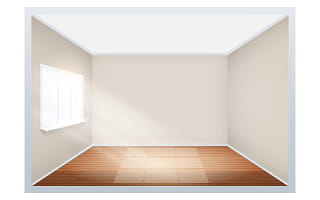
A vacant home is typically defined as a property completely devoid of furniture, personal items, and people. No one lives there, no one plans to return immediately, and it is usually empty of contents (e.g., a vacant rental unit between tenants or a house that has been cleared out for sale). It's a high-risk property because no one is present to notice issues, and problems can worsen quickly over weeks or months.
Definition: Unoccupied Home

An unoccupied home is a property that is furnished, has active utilities, and is fully equipped for immediate habitation but is temporarily empty. Someone intends to return home shortly. Examples include a "snowbird" home, a seasonal vacation home, or a primary residence while the owner is on an extended vacation or in the hospital. The risk level with unoccupied homes is moderate to high. While risky, the presence of furniture and active systems often makes it easier to insure than a completely vacant home.
Comparison of Vacant vs. Unoccupied
Feature |
Vacant Home |
Unoccupied Home |
|---|---|---|
Contents |
Empty (no furniture/items) |
Furnished (items remain) |
Duration |
Usually >30-60 days |
Temporarily empty |
Insurance |
Requires specialized policy (higher risk) |
Usually covered by standard policy with conditions |
Risk |
Highest (Vandalism/Theft/Water damage) |
High (Unnoticed damage/frozen pipes) |

Real estate agents, investors, property managers, and insurers must understand this distinction to avoid liability, financial loss, and insurance denial.
For example, insurance for vacant homes can affect claim denial. Standard homeowners' insurance policies typically contain "vacancy exclusions." If a home is left empty for 30 to 60 days, insurers may deny claims for damage caused by vandalism, theft, or water leaks.
For property managers or investors, vacant properties are prime targets for vandalism, copper theft, and appliance theft. Without proper coverage (vacant home insurance), the owner is responsible for these repairs, which often cost 50%-60% more to insure. A small water leak in an unoccupied home can be fixed quickly. In a vacant home, it can become a total loss, resulting in rotting floors, causing severe mold, or damaging structural components, because no one is present to shut off the water.
Vacant homes are also a major destination for squatters. Removing them can be a long, costly legal process, and if they damage the home or injure someone, the owner could face even more costly consequences. Vacant properties can deteriorate quickly, lowering the home's value and negatively impacting neighboring property values.
Therefore, understanding the difference enables professionals to properly advise clients on whether to buy "Vacant Home Insurance" or "Vacancy Endorsements" to protect their assets from ruin.
Vacant Home Insurance: Key Coverage and Risks

Vacant home insurance is a specialized policy that protects unoccupied, unfurnished properties (typically empty for 30-60 days) against risky perils like vandalism, theft, and fire, which standard homeowners' insurance excludes. It covers the dwelling's structure and, in some cases, optional liability coverage. This type of insurance is crucial for mitigating risks and preventing financial losses from unmonitored damage.
What Vacant Home Insurance Covers
-
Physical Structure (Dwelling): Protection against fire, lightning, windstorm, hail, and explosions.
-
Vandalism and Theft: Coverage for graffiti, broken windows, or stolen fixtures/appliances, which are higher risks in empty homes.
-
Water Intrusion: Protection against burst pipes or leaks that go unnoticed for long periods.
-
Liability Coverage: Protects the owner if someone, such as a trespasser or contractor, is injured on the property.
-
Optional Coverages: Detached structures (garages, sheds) or limited personal property.
Common Exclusions
-
Neglect/Maintenance Issues: Damage caused by a lack of basic maintenance (e.g., roof leaks due to aging, not a storm).
-
Pest Infestation: Damages caused by bugs, rodents, or animals.
-
Frozen Pipes (if not maintained): Damage if the heat is not properly maintained.
-
Intentional Acts by Insured: Damages deliberately caused by the owner.
Standard homeowners' insurance policies usually suspend or limit coverage if a home is empty for more than 30 to 60 days. A vacant home is at risk of squatters, thieves, and vandals. Furthermore, minor incidents, such as a small water leak, can escalate into catastrophic structural damage because no one is there to notice them. Even though these policies can cost 25%-50% more than regular policies, they ensure that your investment is protected while vacant.
When You Need Insurance for Vacant Homes
-
Selling a home: The home is empty before closing.
-
Renovations: The home is unlivable during construction.
-
Between Tenants: Landlords waiting for new renters.
-
Long-term Travel: Relocating for work or extended vacation.
How to Find Vacant Homes in the U.S.

To effectively find vacant homes for sale, you must use a combination of high-tech data scraping and "boots-on-the-ground" investigation. These strategies are essential for professionals such as real estate investors, wholesalers, and agents to secure off-market deals with less competition and higher profit margins.
Practical Methods to Find Vacant Homes

Use digital data and specialized software to find vacant homes. You can search online using custom platforms like PropertyChecker, where you can enter a location and find vacant homes for sale. Also, try using USPS vacancy data. Professionals may have access to the USPS Address Management System or third-party providers to identify addresses where mail has been undeliverable for 90+ days. You can also search county tax assessor records for properties with delinquent taxes or "mail return" flags, which often indicate an abandoned property.
Physically, "Driving for Dollars" is another method. Scouting neighborhoods for signs of neglect, such as overgrown lawns, boarded windows, accumulated mail, and a lack of window treatments, is another way to locate vacant homes. You might also drive around while also using mobile apps and online platforms (PropertyChecker) to instantly look up property details, owner information, and neighborhood stats on the spot.
Government and auction sites can also be helpful. Check HUD Home Store and Fannie Mae's HomePath for government-owned foreclosures that are frequently vacant. Attend county-level tax deed or foreclosure auctions. These properties are often vacant due to legal transitions.
Networking is always a useful way to find information. Connect with local mail carriers, utility workers, and code enforcement officers who see vacancies first. Network with probate and divorce attorneys who handle estate sales involving unoccupied homes.
These strategies work for professionals by reducing competition, identifying vacant homes with high seller motivation, and offering potentially higher ROI because distressed or neglected homes can be purchased well below market value, maximizing returns after rehab. Vacant homes for sale often represent a financial drain (taxes, insurance, maintenance) or emotional burden (inheritance) for the owner, leading to deeper discounts. Vacant properties are "blank slates" that can be easily repurposed, renovated for quick flips, or converted into high-yield rentals without the complications of existing tenants.
Property Management Strategies for Vacant Homes

Property management for vacant homes can be challenging. Leaving a home vacant for even a few weeks significantly increases the risk of theft, vandalism, squatting, and undetected maintenance issues, often leading to complications with insurance policies. Effective property management for vacant homes relies on simulating occupancy, strengthening security, and regular, documented inspections to maintain the property's value.
Main Risks of Leaving Homes Vacant
-
Criminal Activity: Unoccupied homes are prime targets for burglars looking for copper pipes, HVAC systems, or appliances.
-
Squatters: Unauthorized occupants can move in, and legal eviction can be a time-consuming, difficult process.
-
Undetected Damages: A minor, slow leak can turn into massive water damage and mold, ruining floors and walls before it is noticed.
-
Insurance Lapses: Standard homeowners' insurance policies often reduce or void coverage if a property is vacant for 30-60 days, requiring specialized, more expensive, or amended coverage.
-
Property Deterioration: Pests (rodents, bugs) can infest the home, and without regular maintenance, landscaping can become overgrown, signaling to criminals that the home is empty.
-
Fire Hazards: Unchecked electrical issues or faulty wiring can lead to fires that go unreported for too long.
Actionable Tips for Securing Vacant Homes
-
Lock Down Immediately: Change all the locks to ensure no former tenants or contractors have access.
-
Install Steel Security: Replace plywood on windows and doors with durable, perforated steel security screens/doors that prevent forced entry while allowing ventilation.
-
Install Surveillance: Install smart cameras, motion-sensor lights, and video doorbells to monitor activity remotely and deter intruders.
-
Simulate Occupancy: Use timers to turn interior lights and radios on and off at different times.
-
Secure the Perimeter: Keep fences, gates, and shed doors locked.
-
Avoid Publicizing Vacancy: Do not announce that the home is empty on social media.
Actionable Tips for Maintaining Vacant Homes
-
Climate Control: In winter, keep the heat on at a low level (around 55°F/13°C) to prevent frozen pipes. In summer, manage humidity to prevent mold.
-
Drain Plumbing: If you are not heating the home, turn off the main water valve and drain the pipes to prevent burst pipes.
-
Regular Landscaping: Hire a service to maintain the lawn, mow the grass, and remove snow, ensuring the home does not look abandoned.
-
Clear Mail: Remove newspapers, flyers, and mail from the doorstep, as piles of mail are a clear sign of a vacant home.
-
Pest Control: Set traps or hire a professional to inspect for pests.
Actionable Tips for Monitoring Vacant Homes
-
Conduct Weekly Inspections: Visit the property at least weekly or bi-weekly to check for issues.
-
Document Everything: Take time-stamped photographs at every visit to document the property's condition, which is vital for insurance claims.
-
Use Smart Sensors: Install smart sensors for water leaks, mold, smoke, and temperature, which can send alerts to your phone.
-
Engage Neighbors/Keyholders: Ask a trusted neighbor to watch for suspicious activity and report it.
-
Utilize Property Managers: Hire a professional property management company to handle inspections and maintenance, as they can often respond more quickly than owners.
Summary Checklist
Area |
Action |
|---|---|
Security |
Install steel security screens, smart alarms, motion cameras, change locks. |
Exterior |
Maintain lawn/snow, remove mail, set exterior lights to timers. |
Interior |
Keep minimum heat (55°F), use interior light timers, check for pests. |
Utilities |
Turn off main water, unplug electronics, check smoke detectors. |
Legal |
Notify insurer, check local vacancy regulations, register with police if needed. |
PropertyChecker Streamlines Vacant Home Research

Vacant homes present significant risks, including fire, theft, vandalism, and unchecked water damage, which often void standard insurance policies after 30-60 days. While risky, they offer investment opportunities for renovation, resale, or renting. Success requires specialized vacant home insurance and proactive management, such as weekly inspections, to protect property value.
Vacant properties are three times more likely to be broken into and face greater damage from unattended issues like frozen pipes, which can cost $10,000-$70,000+ to repair. Standard policies typically exclude coverage for vandalism, theft, or water damage after a property is vacant for 30 or more days. Vacant home insurance is required to fill coverage gaps and protect against liability, fire, and other perils. Regular property checks (weekly) and installing security/monitoring systems (smoke/burglar alarms, freeze sensors) are essential for mitigating risks.
Despite these risks, vacant homes for sale can be lucrative investments if handled properly. They allow investors to renovate without disturbing tenants or to secure property at lower, distressed-property prices for future resale. By combining appropriate specialized insurance with active maintenance, owners can transform a high-risk liability into a profitable, secure asset.
One of the best ways to conduct due diligence before buying a vacant home is to use PropertyChecker. Our unique, robust platform provides vast data about properties all over the U.S. Within seconds, you can find out everything you need to know, including ownership history, liens, values, taxes, loans, building permits, foreclosures, neighborhood stats, and much more. Always partner with PropertyChecker when buying vacant homes.
FAQs About Vacant Homes in the U.S.
Below are some frequently asked questions about vacant homes in the U.S.
How many vacant homes are there in America?
According to the U.S. Census Bureau, as of 2024-2025, there are approximately 14.9-15.1 million vacant homes in the U.S., representing over 10% of the total housing inventory. Even though the number of vacant homes in the U.S. is massive, that does not mean all of these vacant homes are for sale. These vacancies include seasonal, recreational, and occasional-use units, as well as rentals and for-sale homes, with high concentrations in Maine, Vermont, and Alaska.
How much does vacant home insurance cost?
Vacant home insurance typically costs 30% to 150% more than standard homeowners insurance, often ranging from $1,000 to over $7,000 per year, depending on the coverage. Because empty homes face higher risks of theft, vandalism, and undetected damage, premiums are generally higher. Costs are influenced by location, property condition, and security measures.
Can smart home monitoring reduce insurance costs?
Yes, smart home monitoring can significantly reduce vacant home insurance costs by lowering risks of theft, vandalism, and water damage, often leading to discounts of 10% to 15% on premiums. Monitored devices such as security cameras, water leak sensors, and smart locks provide real-time alerts, enabling faster emergency responses, which insurers reward to minimize claims.
Where can I find vacant homes for investment?
You can find vacant homes for sale by driving for dollars to spot neglected properties, searching county tax records for delinquencies, networking with local real estate wholesalers and agents, or browsing government foreclosure listings from HUD and the VA. You can also use powerful platforms like PropertyChecker to find vacant homes in a specific area using filters and other criteria.
Table of Contents
- Vacant Homes in the U.S. - Insurance, How to Find, Management
- What Are Vacant Homes and Why Do They Matter?
- Vacant Home Insurance: Key Coverage and Risks
- How to Find Vacant Homes in the U.S.
- Property Management Strategies for Vacant Homes
- PropertyChecker Streamlines Vacant Home Research
- FAQs About Vacant Homes in the U.S.
Table of Contents
- Vacant Homes in the U.S. - Insurance, How to Find, Management
- What Are Vacant Homes and Why Do They Matter?
- Vacant Home Insurance: Key Coverage and Risks
- How to Find Vacant Homes in the U.S.
- Property Management Strategies for Vacant Homes
- PropertyChecker Streamlines Vacant Home Research
- FAQs About Vacant Homes in the U.S.
Investors Properties Resources
- How to Buy Probate Real Estate Properties
- How to Find Investment Properties
- How to Profit from Fixer Upper Homes
- What Is a Deed-in-Lieu of Foreclosure
- Government and Seized Property Auctions
- How Property Auctions Work
- How to Buy Bank-Owned Properties
- How to Buy Tax Lien Properties
- How to Choose a Property Investment Company
- How to Finance an Investment Property
- How to Find and Buy FSBO Homes
- How to Find Investment Properties
- How to Find Off-Market Properties
- How to Find Vacant Homes in the US
- What Is a Cloud on Title
- How to Wholesale Real Estate
- Restrictive Covenants and Deed Restrictions
- Types of Warranty Deeds
- What Are Easements
- What Are Encumbrances in Real Estate
- What Are HOA Liens
- What Are Real Estate Investment Trusts
- What Are REO Properties
- How to Find Tax Delinquent Properties
- What Are UCC Liens
- What Is a Bargain and Sale Deed
- What Is a Deed of Reconveyance
- What Is a Judgment Lien
- What Is a Lis Pendens
- What Is a Mechanic's Lien
- What Is a Quiet Title Action
- What Is a Quitclaim Deed
- What Is a Short Sale in Real Estate
- What Is a Special Warranty Deed
- What Is a Statutory Warranty Deed
- What Is Adverse Possession
- What Is Skip Tracing in Real Estate
- How to Use the BRRRR Method