What are Bank-Owned Properties - How to Find and Buy

Savvy real estate investors look for the best opportunities, and sometimes that means getting creative. Bank-owned properties for sale are a unique type of distressed asset, often providing a very lucrative return. Bank-owned properties exist due to the owner's financial difficulties and foreclosure. Once the bank forecloses and repossesses the property, it can sell it as bank-owned. Due to the nature of bank-owned properties, investors and businesses in need of property find them to be an ideal solution. They are typically priced well below fair market value and can be a quick and easy investment.
What Are Bank-Owned Properties
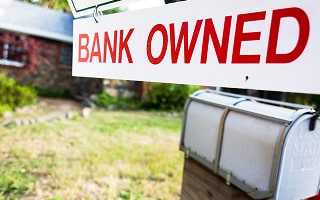
Bank-owned properties for sale are real estate that was put up for auction after foreclosure but did not sell. These properties are also referred to as real estate owned (REO) properties. Bank-owned properties result from foreclosure. The foreclosure process involves several steps, with the final being a foreclosure auction. A typical foreclosure process looks as follows:
-
![]() Payment Default: The foreclosure process begins when the homeowner fails to pay their mortgage payments. Usually, the bank won't start foreclosure until it reaches 3 months of payments (120 days). During this time, the bank will send the homeowner late notices, implying that if they do not pay the overdue amount, foreclosure will begin.
Payment Default: The foreclosure process begins when the homeowner fails to pay their mortgage payments. Usually, the bank won't start foreclosure until it reaches 3 months of payments (120 days). During this time, the bank will send the homeowner late notices, implying that if they do not pay the overdue amount, foreclosure will begin.
-
![]() Notice of Default: The next significant step is when the bank sends the homeowner a Notice of Default, informing them that they have defaulted on the loan and that the bank is initiating foreclosure proceedings. This notice is filed publicly with the city or county office or courts where the property is located.
Notice of Default: The next significant step is when the bank sends the homeowner a Notice of Default, informing them that they have defaulted on the loan and that the bank is initiating foreclosure proceedings. This notice is filed publicly with the city or county office or courts where the property is located.
-
![]() Pre-foreclosure: The period after the Notice of Default is issued is called pre-foreclosure. It is a window of time where the homeowner can stop the foreclosure process by bringing their loan current. To do so, they must pay the overdue amount in full, plus any fees. They may also be able to contact the lender to work out another solution (loan modification, short sale, etc.) to avoid foreclosure.
Pre-foreclosure: The period after the Notice of Default is issued is called pre-foreclosure. It is a window of time where the homeowner can stop the foreclosure process by bringing their loan current. To do so, they must pay the overdue amount in full, plus any fees. They may also be able to contact the lender to work out another solution (loan modification, short sale, etc.) to avoid foreclosure.
-
![]() Notice of Sale: If the owner is unable to clear the default, the bank will send out a Notice of Sale, which outlines the details of the auction sale (time, place, property details, etc.). The lender must post this notice publicly for a few weeks before the sale (depending on state rules).
Notice of Sale: If the owner is unable to clear the default, the bank will send out a Notice of Sale, which outlines the details of the auction sale (time, place, property details, etc.). The lender must post this notice publicly for a few weeks before the sale (depending on state rules).
-
![]() Foreclosure Auction: The foreclosure auction is held, and pre-registered bidders attend and bid on the property. The highest bidder wins. The lender bids the amount of the outstanding loan plus taxes and fees. If no one bids higher, the bank wins the auction, and the property becomes bank-owned or real estate owned. The lender can now sell it through a real estate agent, market it, sell it themselves, or hold another auction.
Foreclosure Auction: The foreclosure auction is held, and pre-registered bidders attend and bid on the property. The highest bidder wins. The lender bids the amount of the outstanding loan plus taxes and fees. If no one bids higher, the bank wins the auction, and the property becomes bank-owned or real estate owned. The lender can now sell it through a real estate agent, market it, sell it themselves, or hold another auction.


REO or bank-owned properties for sale differ from pre-foreclosure properties in that, during pre-foreclosure, you can purchase the property directly from the owner. REO properties are bank-owned, but homeowners still own pre-foreclosure properties. Short sales also occur during the period when the owner still has control over the property. Once the bank owns it, the owner has no say in how or where it is sold. The primary difference is who owns the property when you purchase it.
Why Bank-Owned Properties Matter for Investors and Businesses

Bank-owned properties for sale pose a particularly profitable opportunity for investors, insurers, and property managers due to their lower price and predictable sellers. Investors can often pick them up for a steal, meaning at a percentage of the actual value. Usually, banks sell them for only the amount due on the loan, which could be considerably lower than the actual fair market value (FMV). Insurers trust bank-owned properties because of the lender's reputation and due diligence. The bank has already conducted a title search and will offer a clean title to the buyer. Property managers of a large company may also prefer to buy bank-owned commercial properties for sale through a trusted lender rather than an unknown seller.
Along with the rich benefits of purchasing bank-owned property, there also come some significant risks. These real estate assets are sold "as-is", meaning the bank is not going to make any repairs or upgrades before selling. The house could be in great shape and need nothing, but it could also be in disrepair with not only cosmetic issues but also structural problems that could be very costly to fix. Always have a thorough house inspection done before investing in bank-owned property. The condition of the property could result in numerous hidden costs. By planning strategically and conducting comprehensive research before the sale, you can potentially earn a nice ROI on a bank-owned property.
How to Find Bank-Owned Properties

Half the battle of securing a profitable real estate investment is knowing where to find bank-owned properties for sale. Thankfully, the internet provides a virtual "candy store" of options when searching for bank-owned properties. Some of the most efficient options include the following:
Bank Websites

The first place to look is bank and credit union websites. You can do a Google search, for example, looking for "Chase bank-owned properties" and see what comes up. Try this method with other large reputable banks that potentially could own property. You can also search their websites for an REO department or a professional that you can contact directly to inquire about any bank-owned commercial properties for sale or residential properties. You can narrow your search down by also specifying the location (state, city, or zip code) to find a property in a specific area. Use "near me" search terms and "by state" to narrow down the location for bank-owned properties that you wish to buy. An example is: "bank-owned properties near me".
Government Websites

Government websites often list bank-owned and foreclosure properties. Homes that are seized with government-subsidized or backed loans may be acquired by the government and then listed for sale. Some government resources to try include:
- HUDHomeStore (.gov): Lists properties acquired by the U.S. Department of Housing and Urban Development (HUD).
- HomePath: Fannie Mae's portal for foreclosed properties it owns.
- HomeSteps: Freddie Mac's website for selling properties it has acquired through foreclosures.
You can also check with the local county sheriff's office. They sometimes hold property auctions for real estate that government agencies have seized.
MLS

The Multiple Listing Service (MLS) is a private database of real estate listings. Real estate agents subscribe to the service to find properties for their clients or list their own offerings. Perform a Google search using "bank-owned properties for sale near me", and you may see listings pop up from the MLS. You can ask your real estate agent to search for bank-owned properties on the MLS or subscribe yourself to gain access. Much of the data found on real estate websites comes directly from the MLS.
Specialty Auction Websites

Platforms like Auction.com, Bid4Assets, RealtyBid, RI Marketplace, Foreclosure.com, and Hubzu specialize in auctioning these types of properties. You can filter your search results by foreclosure, short sale, and even bank-owned properties to find just what you need. Other search features include narrowing results by location, zip code, property type, and more. Some of these websites allow you to set up alerts so that when a new property becomes available, you will get a notice.
Realty Websites

Banks often advertise properties for sale with realtors or on real estate websites. Depending on the site you are using, you can select from bank-owned, foreclosure, short sale, and distressed properties to find investments near you. Some have commercial property, and others may list only residential offerings. These websites will include information about the seller/lister and how to contact them for a showing or additional information. If the property will be available through an auction, you will see those details as well. Some examples to try are Realtor.com, Zillow, and Redfin.
Real Estate Agents

Real estate agents generally have their finger on the pulse of local markets and available properties. Banks often use agents to help sell their inventory of properties. Contact local realty professionals to inquire about any bank-owned properties for sale and get the details. You can also hire a real estate agent to work as your buyer's agent and find you just what you are looking for, residential or commercial bank-owned properties.
Local Public Records

Check local county websites, sheriff's office websites, county tax offices, and other county resources to find mention of any upcoming public auctions and bank-owned properties. Many foreclosures are listed with these agencies, and they mention the details online. Look for "sheriff's sales", "tax sales", and "bank-owned properties for sale".
Newspapers and Classified Ads

Old school organizations may also list bank-owned properties for sale in the local newspaper or post classified ads to find buyers. Check the real estate section, ads, and regional news for mentions of these rare opportunities, and then contact the real estate agent or REO professional to get the details.
Third Party Tools

An often overlooked resource is third-party tools like PropertyChecker, where you can find vast information on properties within a few minutes. Enjoy unlimited searches and find out everything you need, including bank-owned, foreclosure, and pre-foreclosure properties. The amount of information you can find on a single property is considerable. You may even find something of value before anyone else does.
Search Tools by State

Some highly populous states and resources to get you started include:
| State | State/Local Resources | Bank REO Portals | Federal/Other Resources |
|---|---|---|---|
Texas |
Local county clerk's offices in each county. Look for "Notice of Default", or "Notice of Sale". Check Texas foreclosure auctions, the first Tuesday of each month. Examples: |
Try something like "Chase bank-owned properties in Texas". |
|
Florida |
|||
Georgia |
|||
California |
|||
Arizona |
|||
North Carolina |
|||
Tennessee |
|||
Idaho |
How to Buy a Bank-Owned Property
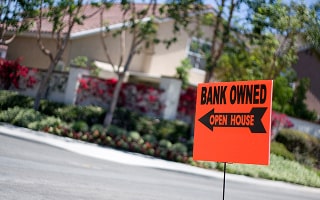
The hard part is finding a bank-owned property that fits your needs and budget. Those in good condition may be a rare find and an ideal opportunity for profit. Once you find a bank-owned property, you need to complete a few steps to proceed with the purchase. Follow the step-by-step guidelines below to buy bank-owned property.
-
![]() Ask Questions: Contact the REO or real estate listing agent for details on the property. Schedule a private showing. Examine the property thoroughly and ask dozens of questions to head off any headaches later.
Ask Questions: Contact the REO or real estate listing agent for details on the property. Schedule a private showing. Examine the property thoroughly and ask dozens of questions to head off any headaches later.
-
![]() Get Pre-Approved: Contact your bank to get pre-approved for financing (if needed). This will allow you to make a bid and secure the property under contract. Gather all the documentation your lender needs and have it ready to make the process as streamlined as possible.
Get Pre-Approved: Contact your bank to get pre-approved for financing (if needed). This will allow you to make a bid and secure the property under contract. Gather all the documentation your lender needs and have it ready to make the process as streamlined as possible.
-
![]() Get Liquid: Some banks only accept cash for REO properties. Liquidate any assets you need to free up money for the purchase. Obtain a "Proof of Funds" letter from your bank to show the seller you have the funds available to purchase.
Get Liquid: Some banks only accept cash for REO properties. Liquidate any assets you need to free up money for the purchase. Obtain a "Proof of Funds" letter from your bank to show the seller you have the funds available to purchase.
-
![]() Consider Special Financing: If needed, consider special financing through government-backed programs like the FHA 203(k) loan for repairs or the Fannie Mae HomePath program. These are great for fixer-upper homes that require extensive renovation before they can turn a profit.
Consider Special Financing: If needed, consider special financing through government-backed programs like the FHA 203(k) loan for repairs or the Fannie Mae HomePath program. These are great for fixer-upper homes that require extensive renovation before they can turn a profit.
-
![]() Make an Offer: Put your best offer in writing and submit it to the proper agent within the bank who receives offers. If you are using a buyer's agent, your real estate broker can do this for you. Be sure to justify your price. Consider having the property appraised professionally to back up your findings.
Make an Offer: Put your best offer in writing and submit it to the proper agent within the bank who receives offers. If you are using a buyer's agent, your real estate broker can do this for you. Be sure to justify your price. Consider having the property appraised professionally to back up your findings.
-
![]() Inspect the Property: Hire a professional inspection company to evaluate the property from top to bottom, specifically looking for any structural or expensive issues that would need to be repaired to make it usable. Pay particular attention to the foundation, roof, windows, doors, HVAC, plumbing, and electrical systems. REOs are often sold "as-is", so it is up to you to conduct due diligence to avoid any costly mishaps later. If the inspector identifies numerous expensive issues, you can back out of the sale, but you won't be able to use those to negotiate a better price as you would with a homeowner.
Inspect the Property: Hire a professional inspection company to evaluate the property from top to bottom, specifically looking for any structural or expensive issues that would need to be repaired to make it usable. Pay particular attention to the foundation, roof, windows, doors, HVAC, plumbing, and electrical systems. REOs are often sold "as-is", so it is up to you to conduct due diligence to avoid any costly mishaps later. If the inspector identifies numerous expensive issues, you can back out of the sale, but you won't be able to use those to negotiate a better price as you would with a homeowner.
-
![]() Perform a Title Search/Due Diligence: Although the bank may perform a title search, it doesn't hurt for you to run your own, ensuring that the title is clear and that no one can make legal claims on the property once you have purchased it. Use a title company, real estate agent, or examine public property records yourself to conduct the title search. If you buy property from a standard seller, the title search will be performed by the closing agent, title company, or real estate attorney conducting the closing. With REO property, it may be up to you.
Perform a Title Search/Due Diligence: Although the bank may perform a title search, it doesn't hurt for you to run your own, ensuring that the title is clear and that no one can make legal claims on the property once you have purchased it. Use a title company, real estate agent, or examine public property records yourself to conduct the title search. If you buy property from a standard seller, the title search will be performed by the closing agent, title company, or real estate attorney conducting the closing. With REO property, it may be up to you.
-
![]() Review Bank Contracts: Carefully review the purchase and sale bank contracts. Ensure you understand everything, and if not, ask questions. You don't want any surprises at closing. Banks sell property "as-is", meaning that even if your inspection reveals issues, the bank will not spend a dime fixing them. Issues found during the inspection do not give you any leverage as they can during a standard house purchase.
Review Bank Contracts: Carefully review the purchase and sale bank contracts. Ensure you understand everything, and if not, ask questions. You don't want any surprises at closing. Banks sell property "as-is", meaning that even if your inspection reveals issues, the bank will not spend a dime fixing them. Issues found during the inspection do not give you any leverage as they can during a standard house purchase.
-
![]() Manage Timelines: Bank-owned sales can move quickly, especially since there is no homeowner to deal with. However, in some cases, there may be delays or issues that need to be resolved before the deal can close. If the house has any liens on it, they must be paid off before the title can change hands. With a standard contract, things proceed very systematically based on milestones such as down payment due dates, appraisal, and inspection. If you are paying cash, there won't be an appraisal (unless you pay for one), and you can choose to have an inspection or not. You can speed up the process by bypassing specific steps typically found in a traditional sale.
Manage Timelines: Bank-owned sales can move quickly, especially since there is no homeowner to deal with. However, in some cases, there may be delays or issues that need to be resolved before the deal can close. If the house has any liens on it, they must be paid off before the title can change hands. With a standard contract, things proceed very systematically based on milestones such as down payment due dates, appraisal, and inspection. If you are paying cash, there won't be an appraisal (unless you pay for one), and you can choose to have an inspection or not. You can speed up the process by bypassing specific steps typically found in a traditional sale.
-
![]() Close the Deal: Show up for the closing and sign all the documents. Bring cash (cashier's check) for the full amount, or if financing, your bank will bring it. You must sign a waiver accepting the house "as-is", and agreeing not to bring legal action if you find something wrong with it later. You will have no recourse after the closing.
Close the Deal: Show up for the closing and sign all the documents. Bring cash (cashier's check) for the full amount, or if financing, your bank will bring it. You must sign a waiver accepting the house "as-is", and agreeing not to bring legal action if you find something wrong with it later. You will have no recourse after the closing.


Pros and Cons of Buying Bank-Owned Properties

Bank-owned properties for sale offer a lucrative path to wealth, with the potential for significant savings due to motivated lenders. Some provide a unique opportunity to customize the home inexpensively to improve your ROI. However, buying these types of properties can be risky. The pros include a much lower price, significant volume to choose from, and the benefits of dealing with professional sellers (banks and lenders). The downsides involve buying the property "as-is", which may require repairs before selling or renting, and the need for additional paperwork and more documentation when financing, as well as a longer waiting period before closing and using the property. Before buying any bank-owned property, weigh all the pros and cons, conduct due diligence by having the property thoroughly inspected, and conduct your own title search. The more research you do beforehand, the more you can protect yourself against any hidden problems later. The property condition is one of the most crucial aspects that you cannot leave to the bank to decide. Due to the amount of the outstanding loan on the property, you may also have limited negotiation power over the price. The bottom line is you must be your own advocate and learn as much as you can before signing any contracts.
Don't Invest in Bank-Owned Property Without PropertyChecker

Bank-owned properties can be strong opportunities for investors and businesses if approached with diligence, the right data, and a sound risk management strategy. The key is using the right tools to get the job done. PropertyChecker is your go-to property data pro and partner for quick, invaluable details to help you make informed investment decisions. Some of the comprehensive data you can find on properties throughout the U.S. includes:
-
![]() Property Owners
Property Owners
-
![]() Purchase History
Purchase History
-
![]() Loan Records
Loan Records
-
![]() Deeds
Deeds
-
![]() Property Details
Property Details
-
![]() Neighborhood Info
Neighborhood Info
-
![]() Tax Records
Tax Records
-
![]() Property Values
Property Values
-
![]() Building Permits
Building Permits
-
![]() Foreclosures
Foreclosures
-
![]() Liens
Liens
-
![]() Residents
Residents
-
![]() Noise Levels
Noise Levels
-
![]() Flood Risk
Flood Risk
-
![]() Zoning
Zoning
-
![]() And Much More!
And Much More!


Experience the value today and try PropertyChecker!
Table of Contents
- What are Bank-Owned Properties - How to Find and Buy
- What Are Bank-Owned Properties
- Why Bank-Owned Properties Matter for Investors and Businesses
- How to Find Bank-Owned Properties
- How to Buy a Bank-Owned Property
- Pros and Cons of Buying Bank-Owned Properties
- Don't Invest in Bank-Owned Property Without PropertyChecker
Table of Contents
- What are Bank-Owned Properties - How to Find and Buy
- What Are Bank-Owned Properties
- Why Bank-Owned Properties Matter for Investors and Businesses
- How to Find Bank-Owned Properties
- How to Buy a Bank-Owned Property
- Pros and Cons of Buying Bank-Owned Properties
- Don't Invest in Bank-Owned Property Without PropertyChecker
Investors Properties Resources
- How to Buy Probate Real Estate Properties
- How to Find Investment Properties
- How to Profit from Fixer Upper Homes
- What Is a Deed-in-Lieu of Foreclosure
- Government and Seized Property Auctions
- How Property Auctions Work
- How to Buy Tax Lien Properties
- How to Choose a Property Investment Company
- How to Finance an Investment Property
- How to Find and Buy FSBO Homes
- How to Find Investment Properties
- How to Find Off-Market Properties
- How to Find Vacant Homes in the US
- What Is a Cloud on Title
- How to Wholesale Real Estate
- Restrictive Covenants and Deed Restrictions
- Types of Warranty Deeds
- What Are Easements
- What Are Encumbrances in Real Estate
- What Are HOA Liens
- What Are Real Estate Investment Trusts
- What Are REO Properties
- How to Find Tax Delinquent Properties
- What Are UCC Liens
- What Is a Bargain and Sale Deed
- What Is a Deed of Reconveyance
- What Is a Judgment Lien
- What Is a Lis Pendens
- What Is a Mechanic's Lien
- What Is a Quiet Title Action
- What Is a Quitclaim Deed
- What Is a Short Sale in Real Estate
- What Is a Special Warranty Deed
- What Is a Statutory Warranty Deed
- What Is Adverse Possession
- What Is Skip Tracing in Real Estate
- How to Use the BRRRR Method
- What Is Vacant Home Insurance