Fixer Upper Homes for Sale: How to Find, Evaluate, and Profit
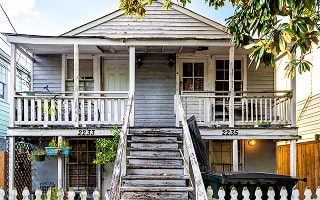
With a savvy strategy, fixer-upper houses can be a great investment, paving the way to future profits. Investors, flippers, and even developers seek out fixer-upper homes because they can provide a solid return on investment (ROI), depending on the level of renovations required. Fixer-upper houses offer a unique opportunity because most sell well below market value, making them more affordable. If the upgrades aren't extensive, they can provide a nice return quickly. However, before investing in any fixer-upper homes for sale, do your homework. If you don't thoroughly evaluate the potential risks, you could end up making a costly mistake. Fixer-upper houses can result in huge profits and generate ongoing income, but you must conduct due diligence to protect yourself.
What Is a Fixer-Upper Home?
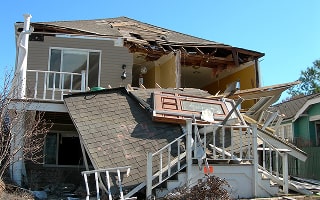
Fixer-upper homes typically require significant repairs or renovations, but they are generally livable. Many are in poor condition due to neglect, abandonment, owner financial issues, and foreclosure. These fixer-upper houses are priced far less than fair market value (FMV) due to their condition. According to Zillow, these properties sell for approximately 7.3% less than comparable homes.
Traditional buyers may hesitate before considering fixer-upper homes for sale in their area. They might be too much work or require more extensive upgrades than the homebuyer is willing to tolerate. Investing in fixer-upper homes requires factoring in renovation costs. They can be a great deal or an expensive headache. Certain fixer-upper houses have a niche appeal to investors and flippers, offering the potential of big wins with a small investment, especially if they do the work themselves. Overall, they provide the potential for a budget-friendly investment combined with a healthy ROI.
The lower price point and livable condition make fixer-upper homes attractive to investors by building equity quickly after renovations. Many only need cosmetic work, such as replacing outdated amenities, paint, and making minor repairs. However, others may need more substantial work, like foundation fixes, plumbing, heating, or electrical upgrades. These houses can provide an affordable entry point into the housing market. Investors can buy them, fix them up, and then either sell them for a quick ROI or rent them out, generating long-term, ongoing revenue.
Experts recommend not spending more than 30% of your house's market value on renovations. By keeping a tight lid on your expenses, you increase the chance of a solid return by making back your initial investment along with a healthy profit. Using calculations like these can help you make a sounder decision about investing in fixer-upper homes.
How to Find Fixer-Upper Homes Nationwide

Looking for fixer-upper homes doesn't have to be a hassle. Although you can drive around to see if there are any nearby, you may want to use more efficient methods to find distressed properties throughout the U.S. for a more diverse investment. Some of the avenues to find fixer-uppers across the nation are:
-
![]() Real Estate Agents: Real estate agents are knowledgeable about fixer-upper homes and will have exclusive access to properties you may not be able to find yourself. They also have access to the MLS and other resources to find hidden gems in your area. Consult with an agent that you trust to help you find properties that fit your goals and budget.
Real Estate Agents: Real estate agents are knowledgeable about fixer-upper homes and will have exclusive access to properties you may not be able to find yourself. They also have access to the MLS and other resources to find hidden gems in your area. Consult with an agent that you trust to help you find properties that fit your goals and budget.
-
![]() Auctions: Many properties become distressed through foreclosure, which often results in the county or tax official selling at auction. Sometimes local auctions are held by the sheriff's office. Private auctions may also be an option. Check local news outlets, city, county, and government websites for listings of upcoming auctions. You will have to register ahead of time and bring cash. Most auctions sell properties for far less than fair market value, but it's a cash-only situation. You will also be bidding against other buyers.
Auctions: Many properties become distressed through foreclosure, which often results in the county or tax official selling at auction. Sometimes local auctions are held by the sheriff's office. Private auctions may also be an option. Check local news outlets, city, county, and government websites for listings of upcoming auctions. You will have to register ahead of time and bring cash. Most auctions sell properties for far less than fair market value, but it's a cash-only situation. You will also be bidding against other buyers.
-
![]() MLS: The Multiple Listing Service (MLS) is a private regional database of all the properties for sale within the U.S. You must pay for access. Real estate agents pay dues to access the MLS service, making it easier for them to find remote and otherwise difficult-to-locate properties.
MLS: The Multiple Listing Service (MLS) is a private regional database of all the properties for sale within the U.S. You must pay for access. Real estate agents pay dues to access the MLS service, making it easier for them to find remote and otherwise difficult-to-locate properties.
-
![]() Web Search: A very general approach is to use a Google web search, typing in something like "Fixer-upper homes near me", to see what comes up. You will most likely be directed towards real estate platforms and listings.
Web Search: A very general approach is to use a Google web search, typing in something like "Fixer-upper homes near me", to see what comes up. You will most likely be directed towards real estate platforms and listings.
-
![]() Foreclosures: Many homes are neglected by their owners, and some are abandoned, leading to decline. These houses may end up being sold in foreclosure. If you are lucky, you can find homes in pre-foreclosure before they are sold at auction. The owner, who is likely facing financial difficulties, may be willing to sell quickly for less.
Foreclosures: Many homes are neglected by their owners, and some are abandoned, leading to decline. These houses may end up being sold in foreclosure. If you are lucky, you can find homes in pre-foreclosure before they are sold at auction. The owner, who is likely facing financial difficulties, may be willing to sell quickly for less.
-
![]() Investor Platforms: Dedicated investor online platforms are another great resource for you to check out. Although you may have to subscribe or pay a fee, you can gain exclusive access to information about hard-to-find properties. These websites may also offer additional helpful resources to assist your research of the market, acquiring property, and performing renovations.
Investor Platforms: Dedicated investor online platforms are another great resource for you to check out. Although you may have to subscribe or pay a fee, you can gain exclusive access to information about hard-to-find properties. These websites may also offer additional helpful resources to assist your research of the market, acquiring property, and performing renovations.
-
![]() County/Tax Records: County tax assessors and tax collectors can provide the public with property tax records. You can find tax lien and foreclosure lists of properties that are about to be sold or auctioned off. Using these local resources, you can secure a fixer-upper property before it even hits the market.
County/Tax Records: County tax assessors and tax collectors can provide the public with property tax records. You can find tax lien and foreclosure lists of properties that are about to be sold or auctioned off. Using these local resources, you can secure a fixer-upper property before it even hits the market.


PropertyChecker is an ideal resource to help you find fixer-upper properties. Our service filters properties by ownership, liens, building, and other types of permits, as well as comparables, making it seamless for you to locate and compare investment opportunities.
Key Factors to Evaluate Before Investing

Before investing in any property, especially cheap fixer-upper homes for sale, you need to thoroughly evaluate each aspect and compare the potential gain with the risk.
-
![]() Property Condition: Hire a professional property inspector to examine the entire property, paying special attention to any structural issues (foundation, roof, electrical, HVAC, plumbing, pest issues, etc.), to keep renovation costs low. Paying for an inspection is a sound investment, as it can save you from making a costly mistake. A structurally sound fixer-upper will cost much less to renovate and include mostly cosmetic fixes. Your goal is to accurately assess the house, looking for any expensive repairs.
Property Condition: Hire a professional property inspector to examine the entire property, paying special attention to any structural issues (foundation, roof, electrical, HVAC, plumbing, pest issues, etc.), to keep renovation costs low. Paying for an inspection is a sound investment, as it can save you from making a costly mistake. A structurally sound fixer-upper will cost much less to renovate and include mostly cosmetic fixes. Your goal is to accurately assess the house, looking for any expensive repairs.
-
![]() Repair Costs: Repair costs can vary widely depending on the specific needs of the house. Cosmetic changes like paint color, new flooring, and fixtures will be far less expensive than heavy-duty renovations like foundation fixes or a new roof. Get estimates from trusted contractors/partners before buying the house, so you know exactly how much it will cost to fix up.
Repair Costs: Repair costs can vary widely depending on the specific needs of the house. Cosmetic changes like paint color, new flooring, and fixtures will be far less expensive than heavy-duty renovations like foundation fixes or a new roof. Get estimates from trusted contractors/partners before buying the house, so you know exactly how much it will cost to fix up.
-
![]() After-Repair Value (ARV): Calculate the after-repair value, which is what the house will be worth in the current market after repairs. This figure will drive your investment strategy and help you determine whether to make significant changes or minor adjustments. To calculate the ARV, review comparable sales in the local area. Adjust the price to account for differences in square footage, number of bedrooms and bathrooms, and other amenities. You might also gauge a real estate agent's opinion to get an accurate read on the ARV in the current market.
After-Repair Value (ARV): Calculate the after-repair value, which is what the house will be worth in the current market after repairs. This figure will drive your investment strategy and help you determine whether to make significant changes or minor adjustments. To calculate the ARV, review comparable sales in the local area. Adjust the price to account for differences in square footage, number of bedrooms and bathrooms, and other amenities. You might also gauge a real estate agent's opinion to get an accurate read on the ARV in the current market.
-
![]() Financing: If you must finance the purchase and/or renovations for the property, that is something to consider. Some of the ongoing costs while you work on the property will be mortgage payments, insurance, and utilities. The cost of financing may or may not be worth it, depending on how long you plan on keeping the house.
Financing: If you must finance the purchase and/or renovations for the property, that is something to consider. Some of the ongoing costs while you work on the property will be mortgage payments, insurance, and utilities. The cost of financing may or may not be worth it, depending on how long you plan on keeping the house.
-
![]() Holding Costs: The cost of a fixer-upper is more than just the price of the house. Other expenses are incurred while you are renovating, until you can sell it or use it as a rental property. Holding costs include mortgage interest, property taxes, utilities, insurance, and HOA fees. You must factor in holding costs when deciding to buy a specific property. The more expensive they are, the quicker you need to complete the job to see a profit.
Holding Costs: The cost of a fixer-upper is more than just the price of the house. Other expenses are incurred while you are renovating, until you can sell it or use it as a rental property. Holding costs include mortgage interest, property taxes, utilities, insurance, and HOA fees. You must factor in holding costs when deciding to buy a specific property. The more expensive they are, the quicker you need to complete the job to see a profit.
-
![]() Red Flags: Some standout issues that might mean you should walk away from the deal are mold, foundation issues, zoning problems, illegal additions or renovations that were not properly permitted or inspected, flood zones, poor drainage, pest infestations, or major structural issues.
Red Flags: Some standout issues that might mean you should walk away from the deal are mold, foundation issues, zoning problems, illegal additions or renovations that were not properly permitted or inspected, flood zones, poor drainage, pest infestations, or major structural issues.
-
![]() ROI and Profit Margin: Now that you have your ARV, you can figure out your return on investment. The calculation is as follows: ROI = (ARV - Purchase Price - Renovation Costs - Holding Costs)/Total Investment. Factor in all major and minor expenses to provide a realistic idea of your potential profit. Investors typically aim for 10-20% ROI to justify the risk involved.
ROI and Profit Margin: Now that you have your ARV, you can figure out your return on investment. The calculation is as follows: ROI = (ARV - Purchase Price - Renovation Costs - Holding Costs)/Total Investment. Factor in all major and minor expenses to provide a realistic idea of your potential profit. Investors typically aim for 10-20% ROI to justify the risk involved.


To put it another way, consider these two examples.
Profitable Fixer-Upper Deal (Smart Buy-and-Renovate Strategy)

- Purchase Price: $180,000 (neighborhood comps for renovated homes: $300,000).
- Renovation Budget: $50,000 (updates: kitchen, baths, flooring, roof, paint).
- Holding Costs: $10,000 (6 months of property taxes, insurance, utilities, and loan payments).
- Total Investment: $240,000.
- After-Repair Value (ARV): $300,000.
- Exit Strategy: Sell after 6 months.
- Profit Margin: $300,000 - $240,000 = $60,000 before taxes/fees (25% ROI).
What Makes it a Good Deal
- Purchased below market with an adequate equity cushion.
- Accurate contractor bids + tight renovation timeline.
- Solid comps in the neighborhood support resale price.
- Clear exit strategy (flip for profit).
Risky Fixer-Upper Deal (Common Pitfalls)
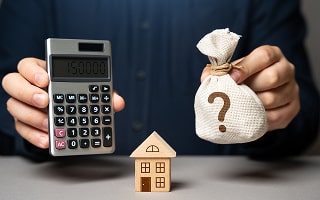
- Purchase Price: $220,000 (slightly under market, but not a steal).
- Planned Renovation Budget: $40,000.
- Hidden Issues: During the renovation, you discovered foundation problems and an electrical rewire was needed, resulting in an unexpected cost of +$60,000.
- Total Investment: $320,000.
- ARV: $300,000 (but comps are softening due to declining local market).
- Exit Strategy: Forced to rent instead of sell.
- Cash Flow: $2,000 monthly rent - $2,100 expenses (mortgage, insurance, taxes, maintenance) = -$100/month loss.
What Makes it Too Risky
- Thin margin at purchase = no cushion for surprises.
- Insufficient inspection/due diligence.
- Overestimated ARV, underestimated renovation risk.
- Market conditions turned against the investor.
Market Trends and Best U.S. Cities for Fixer-Uppers

Investing in fixer-uppers varies tremendously by location. Some high-demand areas include Milwaukee, Philadelphia, Detroit, Memphis, Baltimore, Jacksonville, Los Angeles, Dallas, Texas, San Diego, Tampa, and North Carolina. Use the table below to evaluate the viability of specific areas, the average prices, ROIs, and investment strategies.
| Location | Typical Price | ROI Range | Investment Strategy | Advantages |
|---|---|---|---|---|
Milwaukee, WI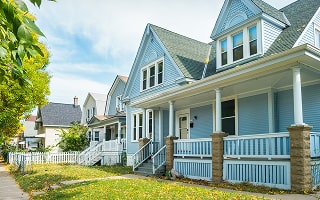 |
$80,000 as opposed to $195,000 for a move-in-ready home. | 7.7% | Aim for a discounted purchase price, keep renovations tight with a 10-20% cushion. Perform market research before selecting the location. | Lowest costs for renovations. |
Philadelphia, PA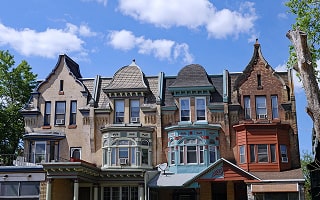 |
$285,000 | 6-12% | Aim for a purchase price + renovation that is 70-80% less than the ARV. | Affordable prices. |
Detroit, MI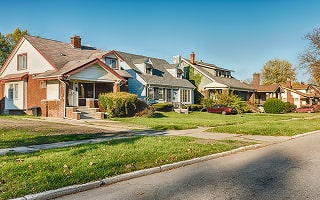 |
As low as $1,000 compared to the median home price of $100,000. | 8-12% | Research Detroit neighborhoods, secure financing for the purchase and renovations, and target areas with strong rental demand, such as Bagley, East English Village, and Corktown. | Lower price points. |
Jacksonville, FL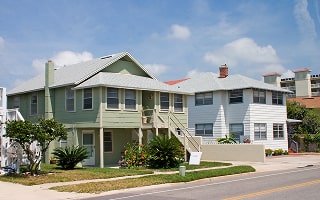 |
Varies | Varies | Find homes near employment centers and schools. Secure financing, potentially through BRRRR (Buy, Rehab, Rent, Refinance, Repeat) with FHA 203k or other renovation loans. | Attractive location and fixer-upper opportunities. |
Dallas, TX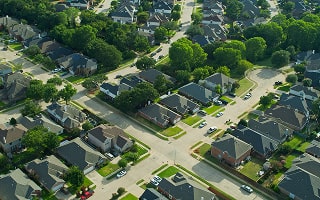 |
$283,000 (roughly $100,000 less than a standard home). | 5-15% | Research the Dallas market to determine your ARV and be sure to have an inspection done. | Significant number of fixer-upper listings. |
Los Angeles, CA |
Slightly above $1 million (move-in ready homes average $1.9 million). | 17.19-17.38% | Secure financing (like FHA 203(k) or hard money loans), choose a property in an area with rising rental demand, and perform thorough due diligence to avoid costly hidden issues. | Plenty of fixer-upper homes for sale in Los Angeles. |
San Diego, CA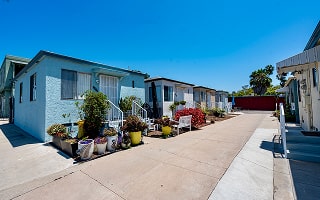 |
Varies widely | Varies, but profit margins average 29.6%. | Use an accurate property assessment, secure financing, and have a clear picture of the local market. | Potential ROI, housing demand remains strong. |
Tampa, FL |
Depends on the condition and location. | Varies | Focus on calculating the ARV, analyzing the Tampa market for trends and ideal buying seasons, and securing appropriate financing. Create a detailed renovation budget. | Potential for beach-front properties. |
Memphis, TN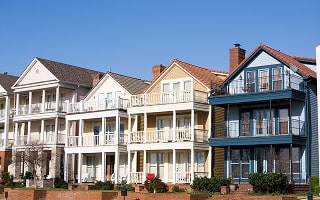 |
$109,950-$128,900 | Varies, but profit margins average 27.5%. | Set a realistic budget and aim for After-Repair Value (ARV) of 70% | Less competition. |
Baltimore, MD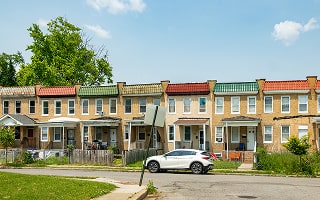 |
Well below the city's median of $244,000. | Above average (75.5%). | Use the 70% rule to budget for repairs and secure proper financing with a cushion to cover unexpected expenses. | Affordable listings and a wide selection of homes to choose from. |
Raleigh, North Carolina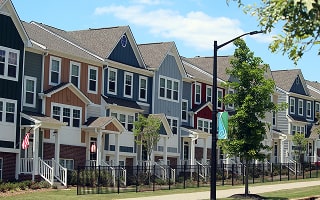 |
Well below the median price of $469,000. | Varies, but profits usually in the range of 20-30%. | Focus on thorough due diligence, realistic budgeting, and fully understanding the local market. | Potentially high ROIs. |
Regardless of the location, buying fixer-upper houses for sale requires a sound strategy, tight timelines, and precision workmanship.
Financing Options for Fixer-Upper Investments

Part of what can make or break a fixer-upper investment is how you finance the deal. You have various options and must consider whether you want to finance the purchase itself or the purchase combined with the renovations. Compare the financing options below to determine which is best for you.
-
![]() Traditional Loans: You can finance fixer-upper homes for sale with traditional bank loans and mortgages. Lenders will have specific qualification criteria that you must meet to take out these loans when buying fixer-uppers. Fixer-upper homes are riskier for banks, so you might have to pay higher fees and more interest.
Traditional Loans: You can finance fixer-upper homes for sale with traditional bank loans and mortgages. Lenders will have specific qualification criteria that you must meet to take out these loans when buying fixer-uppers. Fixer-upper homes are riskier for banks, so you might have to pay higher fees and more interest.
-
![]() Hard Money: Hard money loans work well for short-term fixer-upper investments. Since you are borrowing from private lenders, not banks, you may qualify more easily, but you will pay higher interest and may have a shorter payoff period.
Hard Money: Hard money loans work well for short-term fixer-upper investments. Since you are borrowing from private lenders, not banks, you may qualify more easily, but you will pay higher interest and may have a shorter payoff period.
-
![]() FHA 203k: FHA 203k loans are perfect for owner-occupied properties, requiring a low down payment (as low as 3.5%). However, these properties are only allowable for primary residences, so they may not work for all investment situations.
FHA 203k: FHA 203k loans are perfect for owner-occupied properties, requiring a low down payment (as low as 3.5%). However, these properties are only allowable for primary residences, so they may not work for all investment situations.
-
![]() Fannie Mae HomeStyle: These loans are ideal for investment purposes. They combine the cost of the purchase with renovations (cosmetic and major structural) into one loan. It works for a wide range of projects, but renovations may be capped at 75% of the appraised property value. Funds are "drawn" out over time as the project progresses, not paid all at once.
Fannie Mae HomeStyle: These loans are ideal for investment purposes. They combine the cost of the purchase with renovations (cosmetic and major structural) into one loan. It works for a wide range of projects, but renovations may be capped at 75% of the appraised property value. Funds are "drawn" out over time as the project progresses, not paid all at once.
-
![]() CHOICERenovation Mortgages: Developed by Freddie Mac, CHOICERenovation mortgages are conventional loan products that combine the purchase price with the cost of renovations. The renovation costs are rolled into the total amount, streamlining the process and allowing you to pay one monthly fee.
CHOICERenovation Mortgages: Developed by Freddie Mac, CHOICERenovation mortgages are conventional loan products that combine the purchase price with the cost of renovations. The renovation costs are rolled into the total amount, streamlining the process and allowing you to pay one monthly fee.
-
![]() HELOC: Once you own the property, you can bank on its equity or potential equity after repairs to take out a HELOC loan to finance the upgrades. HELOCs are revolving lines of credit, allowing you to withdraw the funds you need for the project. Once you have paid it off, you can again dip into the funds to make even more changes.
HELOC: Once you own the property, you can bank on its equity or potential equity after repairs to take out a HELOC loan to finance the upgrades. HELOCs are revolving lines of credit, allowing you to withdraw the funds you need for the project. Once you have paid it off, you can again dip into the funds to make even more changes.
-
![]() Conventional Loans Combined with Personal Loans: Another option for financing a fixer-upper is to take out a conventional mortgage to buy the property and then a personal loan to fund the renovations. You may have to provide adequate collateral for any personal loans, and they will have higher interest rates.
Conventional Loans Combined with Personal Loans: Another option for financing a fixer-upper is to take out a conventional mortgage to buy the property and then a personal loan to fund the renovations. You may have to provide adequate collateral for any personal loans, and they will have higher interest rates.
-
![]() Construction Loans: Construction loans are short-term loans used for new construction and renovations. These loans typically convert to a conventional mortgage after the work is completed. Unfortunately, they also have higher interest rates and tougher qualifications.
Construction Loans: Construction loans are short-term loans used for new construction and renovations. These loans typically convert to a conventional mortgage after the work is completed. Unfortunately, they also have higher interest rates and tougher qualifications.
-
![]() Seller Financed: In rare cases, when financing cheap fixer-upper homes for sale, you could use a seller-financed deal. This is where the seller acts as the lender, allowing you to make payments directly to them, which can provide more flexible terms until the renovations are complete.
Seller Financed: In rare cases, when financing cheap fixer-upper homes for sale, you could use a seller-financed deal. This is where the seller acts as the lender, allowing you to make payments directly to them, which can provide more flexible terms until the renovations are complete.


Financing either the purchase or both the purchase and renovations alters your investment strategy because you must factor in extra expenses like mortgage interest and loan fees. Plus, you may need to score a higher ROI to make it worthwhile. Financing a fixer-upper increases your risk, and lenders will take that into account. Ensure your credit score is stellar and that you have the necessary liquid cash to make it happen.
FAQs About Fixer-Upper Homes
What should you look for when buying a fixer-upper?
You have probably heard the term "good bones". That is what to look for when buying fixer-upper houses for sale. Although these homes are in rough shape, if the major systems (roof, foundation, HVAC, plumbing, windows/doors, and electrical) are in good condition, your investment will be sound. Also consider the location, layout, and amenities, which may be more important to buyers than the condition. Search for "fixer-upper homes near me" and compare the ones that may need substantial upgrades and fixes with those that require only minor repairs and cosmetic updates.
How much does a fixer-upper usually cost?
Fixer-upper homes for sale vary widely in cost depending on the location, condition, type of house, and other factors. Although they are often priced 29% lower than a turn-key home, you must budget in the cost of renovations, holding costs, and other unforeseen expenses. The rule of thumb to use is to budget no more than 30% of the home's market value on renovations. Typically, repairs and upgrades will cost you between $15 and $60+ per square foot. Shoot for a total investment of 70-80% of the home's value (after repairs) to remain profitable.
Are fixer-upper homes worth it for investors?
Absolutely. Fixer-upper homes can be an excellent investment, offering a lower purchase price, customizable options, and an ideal ROI through increased equity and resale value. However, investors must carefully weigh all their options, thoroughly assess each property, budget renovation costs and keep them tight, bank on realistic timelines, and avoid overspending to ensure a positive outcome.
How can I finance a fixer-upper property?
You can finance a fixer-upper property using specialized renovation loans like the FHA 203(k) loan or Fannie Mae HomeStyle mortgage, which bundle the purchase and renovation costs into a single mortgage. Other options include construction loans, VA and USDA renovation loans for eligible borrowers, and personal loans or lines of credit for the renovation portion. You can also use a traditional mortgage and finance renovations later with a home equity loan or HELOC, or by saving up to pay cash.
Another financing vehicle is the Freddie Mac CHOICERenovation®, which is similar to the HomeStyle mortgage. This option is available for primary residences, second homes, and investment properties, covering both purchase and renovation costs.
What are the biggest risks with fixer-upper investments?
The biggest risks of fixer-upper investments include unexpected and escalating renovation costs from hidden issues, unpredictable and time-consuming renovation timelines, and difficulties with permits and zoning. Even with a home inspection, things can be missed, and once construction work begins, it could uncover hidden defects costing thousands. Contractor delays or difficulty acquiring materials can push back your timeline, costing you more in holding costs. A budget is simply an estimate; scope creep and changes in the plan could result in budget overruns, which eat up any potential profit. Another problem is the potential for over-improving the property beyond its market value, and the significant stress and time commitment required to manage the project. These are all things to consider when investing in fixer-upper properties.
Try PropertyChecker today to uncover details that could make all the difference to your fixer-upper investment deal. We filter search results by owner, liens, permits, and comps to help investors make savvy purchase decisions, taking the headaches out of fixer-upper investments.
Table of Contents
Table of Contents
Investors Properties Resources
- How to Buy Probate Real Estate Properties
- How to Find Investment Properties
- What Is a Deed-in-Lieu of Foreclosure
- Government and Seized Property Auctions
- How Property Auctions Work
- How to Buy Bank-Owned Properties
- How to Buy Tax Lien Properties
- How to Choose a Property Investment Company
- How to Finance an Investment Property
- How to Find and Buy FSBO Homes
- How to Find Investment Properties
- How to Find Off-Market Properties
- How to Find Vacant Homes in the US
- What Is a Cloud on Title
- How to Wholesale Real Estate
- Restrictive Covenants and Deed Restrictions
- Types of Warranty Deeds
- What Are Easements
- What Are Encumbrances in Real Estate
- What Are HOA Liens
- What Are Real Estate Investment Trusts
- What Are REO Properties
- How to Find Tax Delinquent Properties
- What Are UCC Liens
- What Is a Bargain and Sale Deed
- What Is a Deed of Reconveyance
- What Is a Judgment Lien
- What Is a Lis Pendens
- What Is a Mechanic's Lien
- What Is a Quiet Title Action
- What Is a Quitclaim Deed
- What Is a Short Sale in Real Estate
- What Is a Special Warranty Deed
- What Is a Statutory Warranty Deed
- What Is Adverse Possession
- What Is Skip Tracing in Real Estate
- How to Use the BRRRR Method
- What Is Vacant Home Insurance