What Is a Bargain and Sale Deed and How It Works
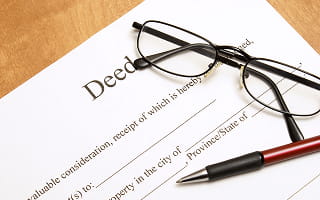
A bargain and sale deed transfers real estate ownership while implying the seller holds title and the right to convey it, but it provides no warranties against undisclosed liens, defects, or encumbrances. It falls between a warranty deed and a quitclaim deed, and is often used in distressed (foreclosure/tax) or fiduciary (estate/trust) sales where the seller cannot guarantee the property's history.
Why It Matters
-
For Investors (Risk/Reward): These deeds allow for the acquisition of discounted, distressed properties, but they require extensive, independent title searches because the buyer assumes the risk of hidden encumbrances.
-
For Attorneys (Due Diligence): They require meticulous title due diligence to uncover potential tax liens, unpaid mortgages, or unknown easements that the seller does not warrant. Use PropertyChecker for due diligence property searches.
-
For Lenders (Collateral Security): Lenders may be hesitant to finance properties with these deeds because the lack of warranties increases the risk that the collateral could be compromised by superior or unknown claims.
Basically, a bargain and sale deed means "I am selling you the property I own, but I won't defend you if someone else claims they own it too". Never buy a property with a bargain and sale deed without performing thorough due diligence using intelligent data tools like PropertyChecker.
What Is a Bargain and Sale Deed?

Bargain and Sale Deed Definition: A bargain and sale deed is a legal document used to transfer real estate ownership from a grantor (seller) to a grantee (buyer) that implies the grantor holds title and the right to sell the property, but does not provide guarantees against, or warranties against, any liens or encumbrances. It acts as a middle ground between a warranty deed (full protection) and a quitclaim deed (no protection).
The main characteristic of a bargain and sale deed is that it implies the grantor has the legal right to transfer the property. It does not promise that the title is free from defects, liens, easements, or other third-party claims. They are frequently used in tax sales, foreclosure auctions, and estate or trust transactions, where the seller (often a bank or executor) has little knowledge of the property's history. Because it offers limited protection, it places the burden on the buyer to conduct due diligence, such as a thorough title search and purchase title insurance.
Variations and Protections by State
While a standard bargain and sale deed lacks warranties, protections, and definitions vary significantly by state. Some variations are as follows:
-
Bargain and Sale Deed with Covenants: In some jurisdictions (such as New York and New Jersey), a "bargain and sale deed with covenant against grantor's acts" is used. This means the seller promises they personally did not create any title issues during their ownership, but they still do not warrant against issues from previous owners. Other states use a bargain and sale deed without covenants.
-
State-Specific Usage: These deeds are common in states like Colorado, New York, Vermont, Washington, and Wyoming.
-
No Implied Warranties: In states like Florida, bargain and sale deeds generally do not imply warranties unless specifically stated.
Comparison to Other Deeds
Below is how a bargain and sale deed compares to other deeds.
-
Quitclaim Deed: Provides no warranties whatsoever and does not even imply that the seller owns the property.
-
General Warranty Deed: Provides the highest level of protection, guaranteeing a clear title for the entire history of the property.
-
Special Warranty Deed: Guarantees a clear title only for the period the seller owned the property.
Because there are no guarantees, buyers receiving a bargain and sale deed should always conduct a title search and obtain title insurance to mitigate risk.
How a Bargain and Sale Deed Works (Process)

Most often used in tax sales, foreclosures, and estate settlements, a bargain and sale deed is a legal instrument that transfers legal ownership of real estate from the grantor to the grantee. The process works as follows:
-
Deed Preparation: The deed is drafted to include the names of the grantor and grantee, a legal description of the property (metes and bounds, or lot and block), and a statement of consideration (value exchanged). It typically uses specific language, such as "grant, bargain, and sell," and must outline any specific exceptions to the transfer, if any.
-
Execution by Grantor: The grantor must sign the deed to make it legally valid. If the grantor is a trust or corporation, an authorized representative or trustee must sign.
-
Acknowledgment (Notarization): The grantor's signature must be acknowledged before a notary public. The notary verifies the grantor's identity and ensures the grantor is signing voluntarily, providing evidence that the document is genuine.
-
Delivery to Grantee: The signed and notarized deed must be delivered to the grantee with the explicit intent of transferring ownership. While physical delivery is common, legal principles allow for constructive delivery. The transfer of title becomes effective upon delivery and acceptance by the grantee.
-
Recording: The deed is filed with the local county clerk or recorder of deeds. Recording provides public notice of the change in ownership and protects the buyer against future claims, making it a crucial step.
Limited Liability of the Grantor
The key aspect of a bargain and sale deed is the restricted, or absent, liability of the grantor regarding the quality of the title. The details are as follows:
-
No Title Guarantees: Unlike a general warranty deed, the grantor does not promise that the property is free from encumbrances, such as tax liens, easements, or third-party claims.
-
"As-Is" Transfer: The grantee accepts the property "as is," assuming the risk of any pre-existing, undisclosed title issues.
-
Specific Exceptions: While some, or no, warranties are made, the grantor does not accept responsibility for title issues arising before their ownership.
-
"With Covenants" vs. "Without Covenants": A bargain and sale deed with covenants (often used in New York) may guarantee the grantor has done nothing to encumber the property during their ownership. In contrast, a covenant-free contract offers no protection.
Because of its limited liability, buyers often use this deed in conjunction with title insurance and a thorough title search to mitigate any risk.
Typical Uses of a Bargain and Sale Deed

A bargain and sale deed transfers property ownership without guaranteeing a clear title, making it ideal for foreclosure auctions, tax sales, and estate/fiduciary transfers (executors, trustees, sheriffs). Sellers use this deed to transfer title, possession, and interest, while avoiding liability for undisclosed liens, encumbrances, or title defects.
Typical Uses and Scenarios
-
Foreclosure Auctions: Banks or lenders often use this deed after acquiring a property through foreclosure, as they are unfamiliar with the property's history and will not warrant the title.
-
Tax Sales: Government entities use bargain and sale deeds to convey properties seized for unpaid taxes, transferring only the property they acquired with no warranties.
-
Estate/Fiduciary Transfers: Executors, administrators, or trustees often use these deeds to transfer property from a deceased person's estate, limiting their personal liability regarding title issues.
-
Sheriff's Sales: Used by law enforcement to transfer title during court-ordered, involuntary sales.
-
Clearing Title Defects: Used to remove simple clouds on a title, where a seller or previous owner releases any potential rights.
Unlike a warranty deed, a bargain and sale deed provides no guarantees against third-party claims, liens, or easements. Although it implicitly confirms that the seller holds title and has the right to transfer it, it does not guarantee its cleanliness or condition. Unlike a gift deed, a bargain and sale deed requires a transfer of value (money) for the property.
Property sellers use it when they are unwilling or unable to guarantee the title.
Bargain and Sale Deed vs. Other Deeds

A bargain and sale deed is a real estate instrument that occupies the middle ground in terms of buyer protection, positioning itself between the high security of a warranty deed and the no-warranty nature of a quitclaim deed.
Position in the Deed Spectrum
-
Most Protective: Warranty Deed (guarantees a clear title against all past/future defects).
-
Highly Protective: Special Warranty Deed (warranties limited to the grantor's ownership period).
-
Moderate Protection: Bargain and Sale Deed (implies ownership, no warranties against prior title defects).
-
Least Protective: Quitclaim Deed (conveys whatever interest exists, if any, with no warranties).
Detailed Comparison
Feature |
Warranty Deed |
Special Warranty Deed |
Bargain & Sale Deed |
Quitclaim Deed |
|---|---|---|---|---|
Buyer Protection |
Highest |
High/Moderate |
Moderate |
None |
Warranties |
Unlimited (past & present) |
Limited to seller's ownership |
Implied ownership, usually no warranties |
None |
What is conveyed? |
Clean title guaranteed |
Title free of seller-caused defects |
Title held by seller, but no guarantees |
Whatever interest the seller has |
Common Use Case |
Traditional residential sale |
Commercial/REIT transactions |
Foreclosure, Probate, Tax Sale |
Family transfers, title clearing |
Risk to Buyer |
Lowest |
Low/Moderate |
Moderate/High |
Highest |
A bargain and sale deed asserts that the grantor has the right to transfer the property. It can be issued without warranties ("bare") or with limited covenants (e.g., "bargain and sale deed with covenant against grantor's acts," where the seller only warrants that they haven't harmed the title). Because it offers limited, if any, protection, buyers must obtain title insurance.
Essentially, a bargain and sale deed is "one step up from a quitclaim deed," providing the essential assurance of ownership without the broad guarantees of a warranty deed.
Risks and Limitations of Bargain and Sale Deeds

With a bargain and sale deed, the grantee assumes more risk than with a warranty deed. Unlike a general warranty deed, which protects the buyer against all prior claims and encumbrances on the property, a bargain and sale deed generally only implies that the seller holds title and has the right to transfer it. Typically, this occurs because the seller has limited knowledge of the property's history.
Risks for Buyers
When accepting a bargain and sale deed, the grantee assumes significantly more risk than with other deed types, specifically because they are accepting the property "as is" with respect to title defects. The risks for buyers are as follows:
-
No Assurance of Clean Title: The grantor does not warrant that the title is free from defects. This means that if a third party emerges with a better claim to the property, the buyer may have no recourse against the seller.
-
Undiscovered Liens and Financial Encumbrances: Undisclosed liens, such as mechanic's liens, unpaid contractor fees, or federal tax liens, may be attached to the property. The buyer becomes responsible for these debts upon taking ownership.
-
Tax or HOA Debt: The buyer risks inheriting unpaid property taxes or homeowner association (HOA) dues. In foreclosure situations, these debts are rarely cleared by the seller before the transfer.
-
Prior Claims and Title Defects: Because the deed does not protect against issues arising before the grantor's ownership, the buyer may be forced to resolve disputes over easements, boundary line errors, or forged deeds from previous owners.
-
Lack of Legal Recourse: If a title issue arises after closing, the buyer cannot sue the seller for breach of warranty because no such warranties were provided.
Increased Risk for the Grantee
-
Compared to General Warranty Deed: A general warranty deed provides complete protection against all defects (past and present), while a bargain and sale deed offers none, or at most, a very limited covenant against the seller's own actions.
-
Liability for Title Search and Insurance: Because there is no seller protection, buyers need to conduct a thorough, independent title search and purchase owner's title insurance to mitigate the risk of financial loss. PropertyChecker is a great resource for conducting due diligence and title searches.
-
"As-Is" Nature: The buyer accepts the property knowing the seller does not guarantee a clear title, placing the responsibility entirely on the buyer to identify issues before closing.
Real estate laws and the exact definition of a bargain and sale deed can vary widely by jurisdiction. Always consult with a qualified real estate attorney or title professional when using one.
Protecting Buyers and Lenders in Bargain and Sale Transactions

Because a bargain and sale deed offers limited warranties, often making the seller responsible only for claims arising during their own ownership period, it places significant risk on the buyer. Protecting buyers and lenders in these transactions requires a proactive, multi-layered approach involving extensive due diligence, specialized insurance, and strong contractual protections.
Protection in Bargain and Sale Transactions
Because the grantor makes no promises about the title's history, the burden of "caveat emptor" (buyer beware) is high. Some ways buyers can protect themselves are as follows:
-
Thorough Title Searches: A comprehensive title search is essential to uncover hidden issues before closing, such as undisclosed liens, unpaid taxes, or breaks in the chain of title. This involves auditing public records for the past 30-60 years to ensure the title is truly clear. Check PropertyChecker for a property's ownership history.
-
Title Insurance: This is the primary safeguard for both buyers and lenders.
-
Owner's Title Insurance: Protects the buyer from financial loss due to title defects, such as forged documents, unknown heirs, or prior liens that surface after the sale.
-
Lender's Title Insurance: Mandatory for most financed transactions, it protects the lender's interest up to the loan amount.
-
Negotiation of Supplemental Indemnities/Disclosures: To mitigate the risks inherent in a bargain and sale deed, buyers should negotiate specific indemnification clauses in the contract. These clauses require the seller to compensate the buyer for specific, identified liabilities that arise after closing but stem from the seller's period of ownership.
Lender Requirements for Insuring Title
When a bargain and sale deed is used, lenders are generally aware of the reduced protection and will impose strict requirements to ensure their lien position. Some ways they enforce this protection are:
-
Mandatory Lender's Policy: Lenders will require a Loan Policy of Title Insurance to cover the mortgage amount.
-
Gap Coverage: Lenders often require "gap coverage" to protect against any title defects that might be recorded between the date of the title search and the recording of the new deed.
-
Clear Chain of Title: The lender's title company will require evidence of a "clean" title and often requires the seller to pay off any identified liens or encumbrances prior to closing.
-
Specialized Endorsements: Lenders may require specific policy endorsements to cover risks not included in standard policies, such as environmental liens or zoning issues.
Strategies for Protection
Even if the deed is a "bargain and sale," the purchase agreement can include representations and warranties that the seller does not know of title defects, giving the buyer a cause of action if the seller lies. If a potential title issue is identified, the buyer may require the seller to hold back a portion of the sale proceeds in escrow to cover that potential liability. Ensure that indemnity provisions, representations, and warranties survive the closing for a set period, allowing the buyer time to discover and claim for defects.
Recording & Public Notice Requirements
A bargain and sale deed, which transfers property ownership without promising against encumbrances (unlike a warranty deed), relies heavily on timely and accurate recording to ensure the new owner's rights are protected. Recording is the act of entering the deed into public, county records, which serves as an official notice to the world that ownership has changed.
The Importance of Recording
Recording a bargain and sale deed is critical for three main reasons:
-
Constructive Notice: Recording provides "constructive notice" to all potential future buyers, creditors, or lienholders, legally presumed to know of your ownership. Without this, a subsequent purchaser might claim they were unaware of your purchase.
-
Maintaining Priority: Recording laws generally favor the party that records first. It establishes a "chain of title" and secures your position as the rightful owner, preventing others from placing legal claims on the property.
-
Preventing Future Challenges: A recorded deed protects the buyer from competing claims, such as a fraudulent seller trying to sell the same property to another person.
Risks of Delayed Recording
If a deed is not recorded immediately after closing, the buyer faces significant dangers:
-
Subsequent Purchasers: If you fail to record, and the seller acts fraudulently, they could sell the property to a second buyer. If that second buyer is unaware of your purchase and records it first, they may legally own the property.
-
Judicial Liens: The property could be subject to liens for the seller's debts (e.g., unpaid taxes, lawsuits) if the public record still shows them as the owner.
-
Inability to Finance or Sell: You may be unable to secure a mortgage, sell the property, or purchase title insurance because the title is not clear.
Risks of Defective Recording
A deed that is recorded incorrectly (e.g., misspelled names, incorrect legal description, improper notarization) can be as detrimental as not recording at all:
-
Unclear Title: Even if recorded, errors can create "gaps" in the chain of title, making it difficult to prove legal ownership.
-
Title Defects: Misleading information can cause issues during future title searches, potentially clouding the title and preventing future sales.
-
Litigation: Defective records often lead to costly lawsuits to correct the errors or quiet the title (a lawsuit to establish ownership).
Public Notice and Recording Requirements
To provide proper notice, the deed must be:
-
Notarized: Properly signed and notarized, as required by state law.
-
Filed Promptly: Filed with the county recorder or registrar of deeds in the jurisdiction where the property is located.
-
Accurate: The document must contain accurate legal descriptions, names, and tax information to avoid rejection or errors.
Real estate laws vary by state and municipality. Use a title or escrow company to handle the recording process.
When a Bargain and Sale Deed Is Appropriate (and Not)
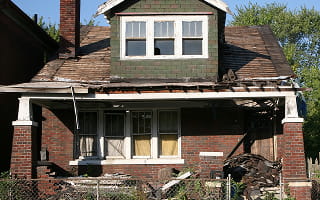
A bargain and sale deed is often used to convey property in "as-is" condition, where the seller provides no warranties against undisclosed liens, easements, or other title defects. They work well in some situations and in others, would be a mistake.
When a Bargain and Sale Deed Is Appropriate
This type of deed is best suited for scenarios where the seller has limited knowledge of the property's history or is unable to provide comprehensive warranties, such as:
-
Distressed Sales (Foreclosures/Tax Sales): When a bank or government agency sells a property acquired through foreclosure or tax delinquency, a bargain and sale deed is common. The seller is simply transferring their interest without assuming responsibility for the previous owners' debts or legal issues.
-
Estate and Trust Transfers: Estate executors, administrators, or trustees often use bargain and sale deeds (sometimes called an Executor's Deed) when transferring property to beneficiaries or buyers. This protects the representative, who may not have full knowledge of the property's title history, from future liability.
-
Inter-entity Transfers: Corporate or trust transfers in which the entity has not resided on the property often use this type of deed to limit liability.
-
"As-Is" Transactions: Used when the buyer is fully aware of the risks, perhaps purchasing at a reduced price, and is willing to perform their own title searches and purchase title insurance.
-
With Covenants: A "bargain and sale deed with covenants" may be used to provide limited assurance that the seller has not created any issues during their ownership, similar to a special warranty deed.
When a Bargain and Sale Deed Is NOT Appropriate
A bargain and sale deed is generally inappropriate for traditional, arm's-length residential transactions. It is usually not suitable when:
-
Buyers Expect Full Warranties: In typical home sales, buyers expect a General Warranty Deed, which provides the highest level of protection by guaranteeing that the title is clear for its entire history.
-
Uncertain Title History: If there is suspicion of liens, boundary disputes, or ownership issues, a buyer should avoid a bargain and sale deed without first securing thorough title insurance, as the seller makes no promises to defend against these issues.
-
The Seller Must Guarantee Quality: If the buyer is paying market value, a bargain and sale deed does not provide the protection promised by a warranty deed, making it a poor choice for the grantee.
Common Pitfalls & How to Avoid Them

Bargain and sale deeds pose a significant risk. Buyers, lenders, and title companies must perform extensive due diligence to protect themselves. Some common pitfalls with bargain and sale deeds and how to avoid them are as follows:
Common Pitfalls
-
Incomplete or Inaccurate Legal Descriptions: A common, serious error is using a street address or tax parcel ID instead of a proper legal description (metes and bounds), which can lead to disputes over the exact boundaries of the land being conveyed.
-
Failure to Clear Liens Before Transfer: Because the seller makes no warranties, the buyer may inherit undisclosed, pre-existing liens, such as unpaid property taxes, contractor liens, or mortgage debts.
-
Misunderstanding Limited Protections: Buyers often mistake this deed for a warranty deed, failing to realize that it only guarantees the seller has title now but does not protect against past issues.
-
Mistaken Execution (Signing): Failure to properly sign, witness, or notarize the deed can render it invalid, creating significant headaches during recording.
-
Failing to Record the Deed: The deed must be recorded with the appropriate county agency to protect the buyer's ownership rights against future claims.
How to Avoid Pitfalls
-
Conduct a Thorough Title Search: Before closing, perform a comprehensive title search to identify any outstanding liens, easements, or encumbrances.
-
Purchase Title Insurance: You must purchase an owner's title insurance policy to protect against financial loss from undiscovered defects or claims that arise after the sale.
-
Engage Legal Counsel: Have a real estate attorney review the deed, particularly to verify the accuracy of the legal description and ensure the deed is correctly executed.
-
Demand a "Bargain and Sale Deed with Covenants": Ask for a version of the deed that includes a covenant against encumbrances, which ensures that the property is free from any liens that the seller caused.
-
Verify the Seller's Authority: Confirm that the person signing, such as an executor or bank representative, has the legal authority to transfer the property.
Bargain and sale deeds are generally considered riskier than warranty deeds but safer than quitclaim deeds. Because there are no warranties, due diligence (including a lien search) is crucial, as the buyer often assumes all risk for pre-existing title issues.
PropertyChecker Assists Due Diligence

Bargain and sale deeds are used to transfer real estate ownership while explicitly limiting the grantor's liability, as they typically offer no warranties that the title is free from prior liens, defects, or encumbrances. Because they imply that the seller has ownership and the right to convey the property, but make no guarantees against historical claims, they are highly efficient for specialized transactions, including foreclosures, tax sales, and transfers by fiduciaries such as executors or trustees.
Given the limited protection, buyers need to conduct thorough due diligence to manage risk, such as a detailed title search to uncover existing debts or title clouds. Securing title insurance another way to protect against financial losses from unforeseen issues, such as undisclosed liens or competing claims that may emerge after the transfer.
PropertyChecker can assist with due diligence. We are a professional real estate data broker providing robust property reports with details on ownership history (chain of title), purchase history, loan records, liens, encumbrances, foreclosures, deeds, property details, tax records, and more. Never go into a real estate deal without checking PropertyChecker first.
Table of Contents
- What Is a Bargain and Sale Deed and How It Works
- What Is a Bargain and Sale Deed?
- How a Bargain and Sale Deed Works (Process)
- Typical Uses of a Bargain and Sale Deed
- Bargain and Sale Deed vs. Other Deeds
- Risks and Limitations of Bargain and Sale Deeds
- Protecting Buyers and Lenders in Bargain and Sale Transactions
- Recording & Public Notice Requirements
- When a Bargain and Sale Deed Is Appropriate (and Not)
- Common Pitfalls & How to Avoid Them
- PropertyChecker Assists Due Diligence
Table of Contents
- What Is a Bargain and Sale Deed and How It Works
- What Is a Bargain and Sale Deed?
- How a Bargain and Sale Deed Works (Process)
- Typical Uses of a Bargain and Sale Deed
- Bargain and Sale Deed vs. Other Deeds
- Risks and Limitations of Bargain and Sale Deeds
- Protecting Buyers and Lenders in Bargain and Sale Transactions
- Recording & Public Notice Requirements
- When a Bargain and Sale Deed Is Appropriate (and Not)
- Common Pitfalls & How to Avoid Them
- PropertyChecker Assists Due Diligence
Investors Properties Resources
- How to Buy Probate Real Estate Properties
- How to Find Investment Properties
- How to Profit from Fixer Upper Homes
- What Is a Deed-in-Lieu of Foreclosure
- Government and Seized Property Auctions
- How Property Auctions Work
- How to Buy Bank-Owned Properties
- How to Buy Tax Lien Properties
- How to Choose a Property Investment Company
- How to Finance an Investment Property
- How to Find and Buy FSBO Homes
- How to Find Investment Properties
- How to Find Off-Market Properties
- How to Find Vacant Homes in the US
- What Is a Cloud on Title
- How to Wholesale Real Estate
- Restrictive Covenants and Deed Restrictions
- Types of Warranty Deeds
- What Are Easements
- What Are Encumbrances in Real Estate
- What Are HOA Liens
- What Are Real Estate Investment Trusts
- What Are REO Properties
- How to Find Tax Delinquent Properties
- What Are UCC Liens
- What Is a Deed of Reconveyance
- What Is a Judgment Lien
- What Is a Lis Pendens
- What Is a Mechanic's Lien
- What Is a Quiet Title Action
- What Is a Quitclaim Deed
- What Is a Short Sale in Real Estate
- What Is a Special Warranty Deed
- What Is a Statutory Warranty Deed
- What Is Adverse Possession
- What Is Skip Tracing in Real Estate
- How to Use the BRRRR Method
- What Is Vacant Home Insurance