Short Sales in Real Estate: Definition, Process, Risks, and Foreclosure

A short sale is when a homeowner sells their property for less than the mortgage balance to avoid foreclosure. However, they must get the lender's approval to accept any offers below the mortgage balance. The lender will take the proceeds and forgive the remaining debt. To the lender, it makes more sense to get something rather than nothing, and they prefer to gamble on a short sale rather than a foreclosure auction, where they may not get enough.
What does short sale mean to you? If you are a real estate professional (agent/broker), these properties can help you develop specialized skills in complex negotiations with lenders, handling distressed properties, and managing difficult paperwork, which sets you apart. By assisting your clients with short sales, you help them avoid foreclosure, avoid the severe credit damage that comes with it, build client trust, and provide a valuable service. Short-sale real estate enables you to identify homeowners in financial distress early, which could mean potential future inventory and market downturns. By managing a lengthy approval process, multiple lenders, and unique contracts, you can offer rewarding (although potentially challenging) deals to your clients.
For investors, short sales allow you to access properties that are significantly cheaper than traditional sales, creating instant equity or higher profit margins on flips. You can find properties before they hit the foreclosure auction, offering a chance to buy a home that's "underwater." These homes can be less damaging to a seller's credit than foreclosure, allowing the seller to re-enter the housing market sooner. Investors can buy properties from sellers facing financial ruin and resell them for a profit, providing a win-win for the buyer and a managed loss for the lender.
What Is a Short Sale in Real Estate?

What is a short sale? A short sale in real estate is when a lender allows a financially struggling homeowner to sell their property for less than what they owe on the mortgage. The lender agrees to accept the lower offer to avoid foreclosure and minimize potential losses, and the homeowner avoids severe credit damage. Lenders approve short sales because they often cost less than a full foreclosure, and they provide a way to recoup some money while helping a homeowner out of default, especially in declining markets where the home's value has dropped.
The simple short sale definition is: A sale in which the home's selling price is less than the mortgage debt, requiring the lender's permission to accept less than they are owed. It occurs when a homeowner faces financial hardship (job loss, illness) and can't afford payments, but also can't sell it for enough to cover the mortgage. The key is that the lender must approve the sale, negotiate the terms, and often forgive the "deficiency" (the difference between the sale price and the mortgage balance) or arrange for the homeowner to repay it. Some reasons why lenders approve short sales are as follows.
Why Lenders Approve Short Sales
-
Cost Savings: Foreclosures are expensive (legal fees, property maintenance, resale costs); a short sale can be a cheaper way for the lender to resolve the debt.
-
Loss Mitigation: It allows lenders to limit their losses compared to taking the property back through foreclosure.
-
Reduced Risk: Keeps the property from becoming vacant and distressed, which can further depress market values.
-
Credit Impact: A short sale generally harms the borrower's credit less than a foreclosure, potentially allowing them to get a new mortgage sooner.
-
Seller Motivation: Homeowners are motivated to maintain the property, unlike in a foreclosure, making it more appealing to buyers.
The key requirement is that the homeowner must prove to the lender that they are facing genuine financial difficulties and cannot repay the loan in full.
Short Sales vs. Foreclosures

Short sales involve a homeowner selling their house for less than they owe on it, and they require lender approval, offering less credit damage and more control, but it is a long process. Meanwhile, foreclosures occur when the lender seizes and sells the home at auction to recoup the lost mortgage. They are often quicker and cheaper up front (but may require cash for repairs), and they severely impact homeowners'/borrowers' credit. Foreclosures favor cash buyers and are sold "as-is" with no guarantees. Compare below to get a better idea of the differences.
Comparison: Short Sale vs. Foreclosure
Feature |
Short Sale |
Foreclosure |
|---|---|---|
Process |
Homeowner lists, offers go to the homeowner then lender; the lender must approve sale below market value. |
Lender takes possession and sells the property (often at auction) to recoup losses. |
Pricing |
Below market pricing, but it requires lender approval; it can be a good deal with fewer surprises. |
Often priced low to sell but may need significant repairs; attracts cash buyers. |
Risks |
Long wait for lender approval (months), and the potential for the homeowner to back out, less control. |
"As-is" condition, high risk of unknown issues, often cash-only, severe credit hit for seller. |
Strategy |
More negotiation available, inspections usually allowed, better for buyers wanting less credit damage. |
Faster closing once bank owns it, clean title, but less info and higher repair costs. |
Credit Impact (for Seller) |
Moderate damage (50-150 points), quicker recovery (2-4 years). |
Severe damage (200+ points), long recovery (7 years). |
Which is Better?
-
Choose a Short Sale if: You have time (months), want to minimize credit damage, prefer a potentially better-condition home with inspections, and can work with a long process.
-
Choose a Foreclosure if: You need speed (after the bank takes possession), are a cash buyer, can handle major repairs, and can absorb a severe credit impact.
The Short Sale Process (Step-by-Step)

The short sale process involves consultation, hardship documentation, lender agreement, strategic pricing, finding a buyer, submitting a comprehensive package, lender negotiation (BPO/appraisal), acceptance, and closing. The process takes time, which means you need patience and expert guidance for both agents and investors. Agents manage the listing and communication, while investors look for deals, understanding that lenders need significant proof (hardship letter, financials) and time to approve offers below the mortgage balance. The detailed process for both agents and investors is below.
For Real Estate Agents
-
Seller Consultation & Qualification: Confirm the seller's financial hardship (job loss, medical bills) and confirm the home is worth less than the mortgage balance.
-
Lender Contact & Approval: Contact the lender to get approval to list as a short sale and follow their specific requirements.
-
Property Valuation & Pricing: Work with the lender (who may order a BPO/appraisal) to price the home correctly, slightly below market, to attract offers.
-
Marketing & Offer Acceptance: List the property with appropriate disclosures, market effectively, and present all offers (with the hardship package) to the lender.
-
Negotiation & Submission: Submit the complete short-sale package (hardship letter, financials, offer) to the lender's loss-mitigation department.
-
Manage Expectations: Keep the seller and buyer informed; short sales take time.
-
Close the Sale: Once approved, manage the final closing, ensuring all lender conditions are met.
For Real Estate Investors (Buyers)
-
Find Motivated Sellers: Locate homeowners facing financial distress who need to sell.
-
Secure the Contract: Get the property under contract with the seller, understanding that the lender must approve it.
-
Verify Property/Debt: Confirm the debt is significantly higher than the property's market value; obtain a BPO/appraisal if possible.
-
Submit Offer & Package: Have your agent submit your offer, along with the seller's hardship package, to the lender.
-
Be Patient & Follow-Up: Lenders are slow; your agent must regularly call the lender to track progress.
-
Negotiate with Lender: The lender will review the offer, potentially counter, and negotiate the final sale price.
-
Prepare for Closing: Once lender approval (SHA - Short Sale Addendum) is secured, proceed to closing like a traditional sale.
Key Documents and Terms Involved in a Short Sale
-
Hardship Letter: Explains why the homeowner can't afford the mortgage.
-
Financials: Tax returns, bank statements, and pay stubs proving hardship.
-
BPO (Broker Price Opinion): Lender's estimate of value.
-
Lender Approval: The bank's formal agreement to accept less than owed.
Risks of Buying Short Sale Homes

There are significant risks to buying a short-sale home. However, when weighed against the potential discount and profitability, they may still be worth it. These types of sales take time with lengthy approval delays, possible hidden repair costs, complicated title issues, and potential lender demands for all-cash or other specifics. Short sales can be uncertain, leading to potential frustration. All the possible risks of a short sale are outlined below.
-
Time & Process Risks:
-
Excessive Delays: The lender's approval process takes time and can be unpredictable, often causing deals to fall apart or causing you to miss other opportunities while waiting.
-
Lender Indecision: Lenders can be fickle. They may counter, reject your offer, or not respond at all, forcing you to follow up repeatedly.
-
Opportunity Cost: The extended timeline could mean you miss out on other, quicker, more straightforward deals.
-
Property Condition & Financial Risks:
-
Hidden Repair Needs: Sellers in financial distress often neglect maintenance, meaning you could buy a house in significant need of a new foundation, plumbing, or electrical issues.
-
"As-Is" Condition: Properties are sold with minimal disclosures and no warranties, placing all responsibility on the buyer. Always be sure to have inspections done.
-
Title Issues: Unpaid taxes, liens, or other claims can surface, creating legal problems and increasing your costs if you aren't careful. Conduct due diligence before buying.
-
Financial & Closing Risks:
-
Lender Preference for Cash: Lenders often prefer all-cash buyers or require large down payments, making financing more difficult.
-
High Closing Costs: Complicated paperwork can lead to higher closing fees and longer timeframes.
While short sales offer deep discounts and renovation potential, investors must be prepared for a long, uncertain process, potential surprise expenses for repairs and legal fees, and the need for substantial financial reserves or all-cash offers to compete effectively. Thorough due diligence, including detailed inspections and title searches, is crucial for success with short sales.
Benefits and Opportunities of Short Sale Properties
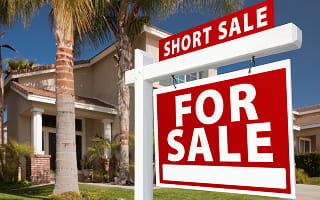
Short sales can be a very lucrative investment vehicle by offering deeply discounted properties, the potential for renovation profits, less competition, and a "win-win" for motivated sellers, lenders, and investors. However, these opportunities also carry the potential for deficiency judgments, uncertain property conditions, a lengthy process, and complex paperwork. The key is balancing big rewards with significant process challenges. The reasons investors pursue them are below-market acquisition prices and value-added opportunities. They mitigate risk through due diligence and patience.
Benefits & Opportunities for Investors
-
Discounted Prices: Properties are often priced 10-30%+ below market value as lenders try to minimize losses.
-
Profit Potential: Buy, renovate (value-add), and resell for profit, or hold for rental income and appreciation.
-
Less Competition: Fewer bidders than in traditional sales, increasing the chances of securing deals.
-
Win-Win Scenario: You help distressed homeowners avoid foreclosure, creating positive community impact.
-
Better Condition Than Foreclosures: Often still occupied by owners, they're usually in better shape than bank-owned (REO) properties.
Risks & Challenges
-
Lengthy Approval Process: Lender approval can take months, requiring significant patience.
-
Complexity: Involves intricate negotiations between buyer, seller, and lender, with the lender effectively controlling the sale.
-
Property Condition Unknowns: While often better than REOs, properties may still need work, and inspection is crucial.
-
Deficiency Judgments: The lender might pursue the seller for the remaining debt, creating legal complexities, though buyers are usually insulated from this.
-
Agent Conflicts: The listing agent often works for both the bank (seller) and the homeowner.
Savvy investors see short sales as a way to acquire assets at a significant discount, generating substantial returns through flipping or rentals, making the complex, time-consuming process worthwhile for the potential payoff and investment advantages.
Tips for Investors and Real Estate Professionals

For investors and real estate pros, successful short sales depend on accurate pricing, deep lender understanding, strong buyer communication, and specialized expertise. You must also focus on properties with clear financial hardship where the lender sees a better outcome than foreclosure, which requires realistic offers that cover costs and often net the lender a significant portion of their appraisal. Actionable tips for real estate professionals and investors are detailed below.
For Real Estate Professionals (Agents & Coordinators)
-
Master the Numbers: Prepare a precise Comparative Market Analysis (CMA) or Broker Price Opinion (BPO) to justify your offer, factoring in all sale costs (commissions, closing costs, etc.) to show a realistic net to the lender.
-
Know Your Lender: Determine whether the loan is "Recourse" or "Non-Recourse" and understand state laws, as these affect deficiency liability.
-
Hire Specialists: Work with short sale transaction coordinators or agents with proven expertise to manage the complex process.
-
Be the Communicator: Maintain clear, consistent communication with the homeowner, buyer, and lender to build urgency and keep the deal moving.
-
Price Strategically: Set an enticing, but realistic, price to encourage lender approval, often aiming for a minimum "net" of 88% (or more) of the appraised value for FHA loans.
For Investors
-
Perform Due Diligence: Conduct thorough analysis of investment properties and home inspections to understand the true value and potential costs. Use PropertyChecker to run a title search to identify other liens and any other encumbrances that could complicate the sale.
-
Work with Experienced Lenders: Target lenders who have experience working with short sales, who have a solid process, and a history of good communication with all the players.
-
Get Financing Ready: Secure your financing early to present a strong, reliable offer, as lenders prefer cash or pre-approved buyers.
-
Make Strategic Offers: Submit offers at or above the lender's minimum acceptable net, demonstrating a viable path to sale.
-
Be Patient & Strategic: Short sales take time; have a long-term plan, stay flexible, and don't expect quick closes.
-
Focus on Hardship: Target properties where the homeowner has significant financial hardship, and the lender is motivated to avoid foreclosure.
Let PropertyChecker Help with Short Sales

Short sales are another avenue towards distressed property investing. Short sales can provide an exciting and lucrative opportunity with lower-than-market prices, clean titles, renovation potential, and easier negotiation. However, they also carry significant risks, including long timelines, complexity, and unknown property conditions. The good news is that you are generally allowed to perform a complete home inspection before buying, and you can conduct your own due diligence to thoroughly research the property, its history, and uncover any surprises.
When investing in short sales, always perform due diligence and leverage professional tools like PropertyChecker to get the most out of the deal. PropertyChecker is a robust property platform supplying real estate investors and other professionals with valuable reports detailing property values, ownership history, taxes, loans, liens, foreclosures, neighborhood stats, zoning issues, building permits, and more. Move forward with short-sale deals with much greater confidence using PropertyChecker.
Table of Contents
- Short Sales in Real Estate: Definition, Process, Risks, and Foreclosure
- What Is a Short Sale in Real Estate?
- Comparison: Short Sale vs. Foreclosure
- The Short Sale Process (Step-by-Step)
- Risks of Buying Short Sale Homes
- Benefits and Opportunities of Short Sale Properties
- Tips for Investors and Real Estate Professionals
- Let PropertyChecker Help with Short Sales
Table of Contents
- Short Sales in Real Estate: Definition, Process, Risks, and Foreclosure
- What Is a Short Sale in Real Estate?
- Comparison: Short Sale vs. Foreclosure
- The Short Sale Process (Step-by-Step)
- Risks of Buying Short Sale Homes
- Benefits and Opportunities of Short Sale Properties
- Tips for Investors and Real Estate Professionals
- Let PropertyChecker Help with Short Sales
Investors Properties Resources
- How to Buy Probate Real Estate Properties
- How to Find Investment Properties
- How to Profit from Fixer Upper Homes
- What Is a Deed-in-Lieu of Foreclosure
- Government and Seized Property Auctions
- How Property Auctions Work
- How to Buy Bank-Owned Properties
- How to Buy Tax Lien Properties
- How to Choose a Property Investment Company
- How to Finance an Investment Property
- How to Find and Buy FSBO Homes
- How to Find Investment Properties
- How to Find Off-Market Properties
- How to Find Vacant Homes in the US
- What Is a Cloud on Title
- How to Wholesale Real Estate
- Restrictive Covenants and Deed Restrictions
- Types of Warranty Deeds
- What Are Easements
- What Are Encumbrances in Real Estate
- What Are HOA Liens
- What Are Real Estate Investment Trusts
- What Are REO Properties
- How to Find Tax Delinquent Properties
- What Are UCC Liens
- What Is a Bargain and Sale Deed
- What Is a Deed of Reconveyance
- What Is a Judgment Lien
- What Is a Lis Pendens
- What Is a Mechanic's Lien
- What Is a Quiet Title Action
- What Is a Quitclaim Deed
- What Is a Special Warranty Deed
- What Is a Statutory Warranty Deed
- What Is Adverse Possession
- What Is Skip Tracing in Real Estate
- How to Use the BRRRR Method
- What Is Vacant Home Insurance